Looking for the exact recipe that Maangchi uses for her famous japchae, plus shortcuts, vegetarian swaps, and pro tips you wont find anywhere else? Youre in the right place. Below youll get the ingredient list, a stepbystep cooking guide, storage tricks, and even a quick pronunciation cheatsheetall written like a friend sharing a favorite kitchen secret.
In the next few minutes well turn glass noodles, veggies, and a simple sauce into a restaurantquality dish you can serve in under 30minutes. Ready? Lets stirfry!
What Is Japchae
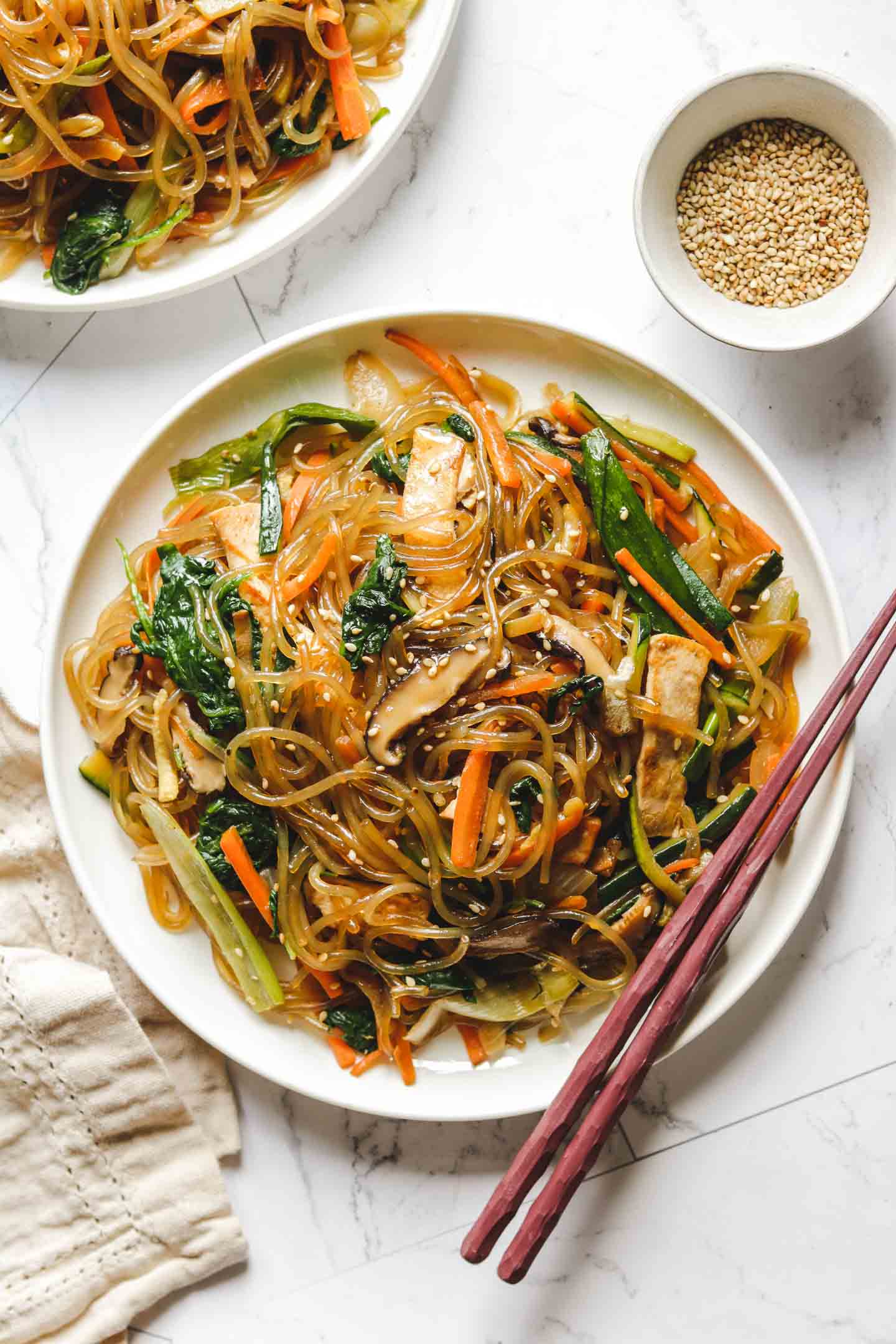
Japchae (pronounced JAPche) is a classic Korean stirfry that showcases dangmyeonsweetpotato starch noodles that become glossy and chewy once cooked. Maangchis version sticks to the basics: noodles, a rainbow of vegetables, a protein (or tofu for vegetarians), and a sweetsavory sauce that ties everything together.
What makes japchae maangchi stand out is the balance between sweet, salty, and nutty flavors, plus the technique of cooking each ingredient separately so nothing gets soggy. As Maangchi herself says in her official recipe, the key is to keep the noodles slightly chewy and the veggies crisp. That single tip makes the difference between a bland pile of noodles and a dish that sings.
Ingredients & Shopping
Below is the exact list I use for four servings. Feel free to adjust the amounts to suit your family size or the veggies you have on hand.
| Ingredient | Amount | Notes |
|---|---|---|
| Dangmyeon (sweetpotato starch noodles) | 200g (7oz) | Soak in warm water 20min, then drain. |
| Carrot | 1 medium, julienned | Thin strips for quick cooking. |
| Spinach | 150g | Blanch, squeeze excess water. |
| Onion | large, thinly sliced | Sweeter when caramelized. |
| Red bell pepper | , sliced | Adds color and crunch. |
| Shiitake mushrooms | 45, sliced | Soak dried mushrooms if using. |
| Protein (beef, pork, chicken, or tofu) | 150g | Thinly sliced; tofu for a vegetarian version. |
| Sesame oil | 2Tbsp | For tossing noodles and finishing. |
| Cooking oil | 2Tbsp | Canola or grapeseed works well. |
| Sesame seeds | 1Tbsp | To garnish. |
Japchae Sauce Recipe
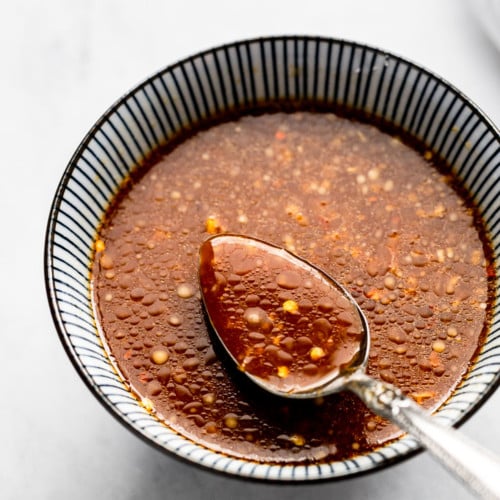
The sauce is where the magic lives. Stick to the 3:1 ratio of soy sauce to sugar, then add sesame oil, garlic, and a pinch of pepper. Heres a quick reference table you can copy into your notes.
| Ingredient | Ratio (ml/g) | Purpose |
|---|---|---|
| Soy sauce | 3parts | Salt & umami |
| Sugar | 1part | Sweet balance |
| Sesame oil | part | Nutty aroma |
| Minced garlic | part | Depth of flavor |
| Black pepper | Pinch | Subtle heat |
Mix everything in a small bowl. If youre going glutenfree, swap regular soy sauce for tamari; if youre vegan, replace sugar with maple syrup and keep the rest the same. For a spicier, more authentic Korean touch, try a korean stir fry sauce as the base.
Cooking Steps
Follow these eight concise steps. Ive broken them into prep, cook, and finish phases so you can keep everything moving smoothly.
Prep (5minutes)
- Soak the dangmyeon in warm water for about 20minutes, then drain and toss with a splash of sesame oil.
- Julienne all vegetables and slice your protein thinly.
- Whisk the sauce ingredients together; set aside.
Cook (15minutes)
- Heat a wok or large skillet over mediumhigh heat, add a tablespoon of cooking oil, and stirfry the carrots for 12minutes. Transfer to a bowl.
- Repeat with the onion, bell pepper, and mushroomseach gets its own quick blast of heat. This keeps textures distinct.
- If using meat, give it a quick sear until just browned; for tofu, fry until golden on both sides.
- Now add a tiny splash of oil, tumble the noodles for 2minutes, then pour in the sauce. Toss everything together, letting the sauce coat every strand.
- Return the cooked veggies and protein to the wok, stir everything for another minute so flavors meld, but dont overcookthe spinach should stay bright green.
Finish (2minutes)
- Drizzle the remaining sesame oil over the top, sprinkle sesame seeds, and give one final gentle toss.
- Serve immediately, hot, with a side of kimchi if you like. Enjoy!
Pro tip: If the noodles seem dry, splash a tablespoon of water or broth before the final toss. This keeps them glossy without diluting the flavor.
Variations & Swaps
One of the joys of japchae is its flexibility. Below are a few common tweaks you can try without breaking the core balance.
- Vegetarian japchae maangchi: Swap beef for marinated tempeh or extra shiitake mushrooms. Use the same sauce; the umami from mushrooms does most of the heavy lifting.
- Glutenfree: Replace soy sauce with tamari and doublecheck that any prepackaged sauces are wheatfree.
- Spicy japchae: Add a teaspoon of gochugaru (Korean red pepper flakes) or a drizzle of chili oil to the sauce. Adjust to your heat tolerance.
- Chicken version: For a quick gochujang chicken stir fry noodles take‑away, check out gochujang chicken stir fry noodles for ideas.
- Seasonal twists: Toss in roasted pumpkin cubes for autumn, or add thin cucumber ribbons for a refreshing summer version.
According to a recent article from the Korean Food Foundation, experimenting with seasonal vegetables not only adds variety but also boosts the dishs nutritional profile. So feel free to get creativeyour kitchen, your rules.
Pronunciation Guide
Many English speakers stumble over the ae in japchae. The simplest way to say it is JAPche, where the ae sounds like the e in bed. If you listen to Maangchis YouTube video, youll hear her pronounce it clearly at the start of the tutorial.
Storing & Leftovers
Japchae keeps surprisingly well. Heres how to make sure leftovers stay tasty:
- Fridge: Transfer to an airtight container and store for up to three days. Reheat in a skillet with a splash of oil; this revives the chewiness.
- Freezer: If you know youll have leftovers, undercook the noodles by a minute, then freeze the whole dish in a ziptop bag. Thaw overnight in the fridge and finish cooking as usual.
- Creative reuse: Leftover japchae makes an excellent friedrice base. Just stirfry with a beaten egg, add a bit more soy sauce, and youve got a brandnew meal.
Helpful Tips & Common Mistakes
Even seasoned cooks can trip up on a couple of easy points. Keep these in mind the next time you roll up your sleeves.
- Dont oversoak the noodles. If they sit too long, they become mushy. A 20minute soak is perfect; drain and toss with sesame oil right away.
- Separate stirfry. Cooking each vegetable on its own prevents steaming, which would make everything soggy.
- Balance the sauce. If the mixture tastes too salty, add a teaspoon of water or a pinch more sugar. A quick taste test before the final toss saves you from a ruined batch.
- Heat matters. Use mediumhigh heat; low heat will steam the ingredients instead of giving them that coveted sear.
Conclusion
Weve covered everything you need to master japchae maangchi: the precise ingredients, a foolproof cooking timeline, smart variations for vegans and spice lovers, and storage tricks that keep leftovers delicious. By following the stepbystep guide and the little pro tips sprinkled throughout, youll be able to serve a plate that looks and tastes like it came from a Korean restaurantonly faster and with a personal touch.
Now its your turn. Grab those sweetpotato noodles, fire up the wok, and let the aroma fill your kitchen. If you try the recipe, share what you loved (or what youd tweak) with a friend, and keep exploring the wonderful world of Korean home cooking. Happy stirfrying! For those looking for a deeper dive into the gochujang flavor profile, check out the Gochujang stir-fry sauce recipe.
FAQs
What type of noodles are used in japchae maangchi?
Japchae maangchi uses dangmyeon, which are sweet‑potato starch (glass) noodles that become glossy and chewy when soaked and stir‑fried.
Can I make japchae maangchi vegetarian?
Yes! Replace the meat with tofu, tempeh, or extra mushrooms. The sauce and mushrooms provide plenty of umami without animal protein.
How long should the dangmyeon be soaked before cooking?
Soak the noodles in warm water for about 20 minutes, then drain and toss with a little sesame oil before stir‑frying.
What’s the secret to keeping the vegetables crisp?
Cook each vegetable separately over medium‑high heat. This prevents steaming and keeps each piece bright and crunchy.
How do I store leftover japchae maangchi?
Place it in an airtight container and refrigerate for up to three days. Reheat in a skillet with a splash of oil or water to restore its gloss.