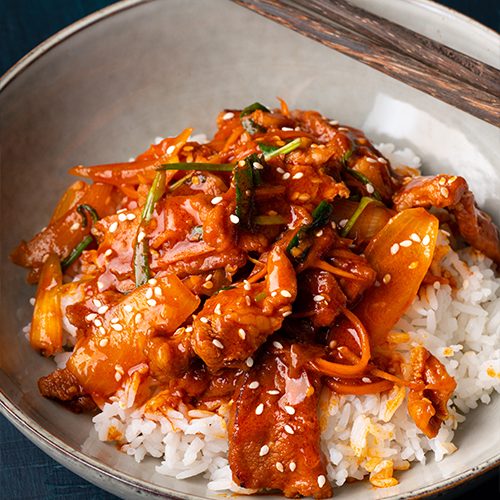
Most people dont realize that the gochujang stir fry sauce that keeps popping up on Reddit isnt some secretsociety formula its a handful of pantry staples mixed in the right ratios. Below youll find the exact recipe redditors rave about, plus tips, variations, and a balanced look at the health side so you can feel confident using it inthemoment.
Well walk through the core recipe step by step, show you how to tweak it for veggies, noodles, or a nutty twist, and even share a few community hacks that make the sauce sing. Ready to bring that sweetspicy umami punch to your kitchen? Lets dive in.
Reddits Favorite Sauce
Which thread started the craze?
If you search gochujang stir fry sauce reddit, the top post lands in r/EatCheapAndHealthy, where a user named kitchenwizard posted a simple recipe that instantly got upvoted. The comment section turned into a live lab, with people sharing tweaks and results. That collaborative vibe is why this sauce feels both proven and adaptable.
Core ingredient list (minimalist version)
The base Gochujang stir-fry sauce recipe uses five ingredients you probably already have. No exotic sauces, no hidden fees.
| Ingredient | Amount |
|---|---|
| Gochujang (Korean chili paste) | 2Tbsp |
| Soy sauce (lowsodium preferred) | 1Tbsp |
| Honey (or agave for vegan) | 1Tbsp |
| Rice vinegar | Tbsp |
| Sesame oil | tsp |
Why these ratios work
The 2:1:1:: balance hits three taste pillars:
- Umami from gochujang and soy.
- Sweetness that softens the chili heat.
- Acidity from rice vinegar, which keeps the sauce bright and prevents it from feeling too heavy.
Food scientists note that the combination of sugars with acids stabilizes the flavor, making it taste consistent from the first bite to the last (FoodScience.org).
StepbyStep Guide
Preparation basics (mise en place)
Before you even turn on the heat, gather all ingredients, a small whisk, and a measuring spoon set. Having everything within reach saves you from scrambling while the veggies sizzle.
Cooking sequence when to add the sauce
1. Heat a wok or large skillet over mediumhigh heat. Add a splash of oil (vegetable or peanut works great).
2. Toss in your protein or tofu and sear until lightly browned.
3. Add the vegetables (see the Tasty Variations section for ideal combos) and stirfry for 2‑3 minutes.
4. Reduce the heat to medium, pour in the premixed sauce, and stir continuously. The sauce should coat everything within 30seconds; if it looks too thick, splash a tablespoon of water or broth.
Common mistakes & fixes
| Symptom | What likely happened | How to fix it |
|---|---|---|
| Too salty | Used regular soy instead of lowsodium | Rinse protein briefly, add a dash of extra honey or a squeeze of lime |
| Too thick | Cooked over high heat too long | Thin with water, stock, or more rice vinegar |
| Lacks heat | Added too much honey relative to gochujang | Mix an extra halfteaspoon of gochujang or a pinch of gochugaru |
Tasty Variations
Gochujang stir fry vegetables
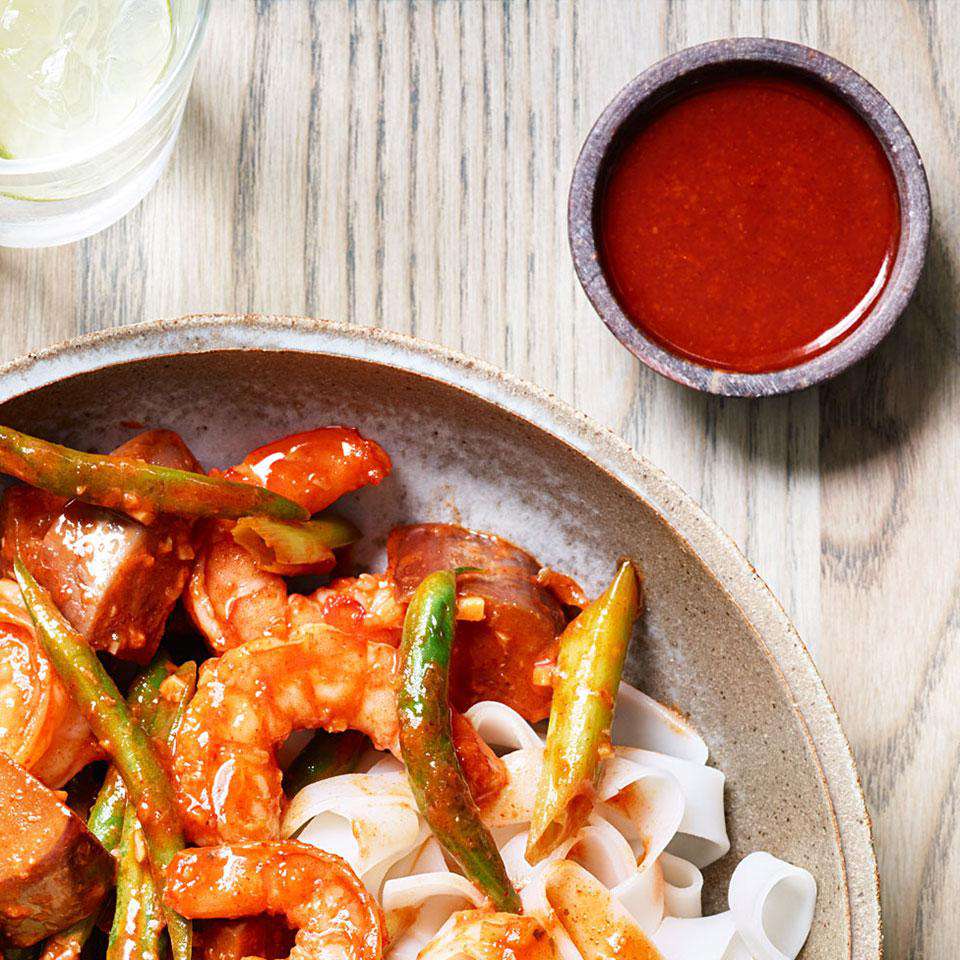
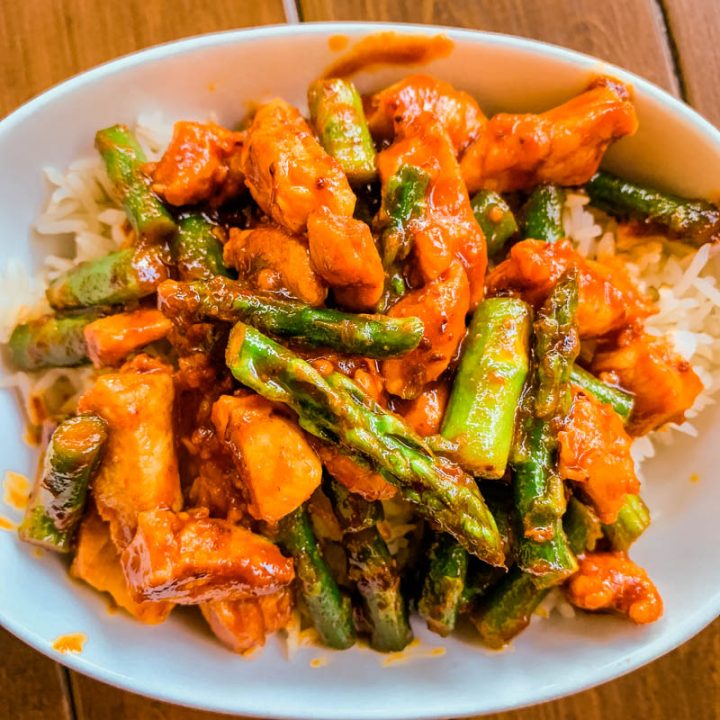
Redditors love pairing this sauce with broccoli, bell peppers, and shiitake mushrooms. The crunchy veggies absorb the sauce while keeping their own textures. Try a quick 5minute steam on the broccoli first it prevents overcooking.
Gochujang stir fry noodles
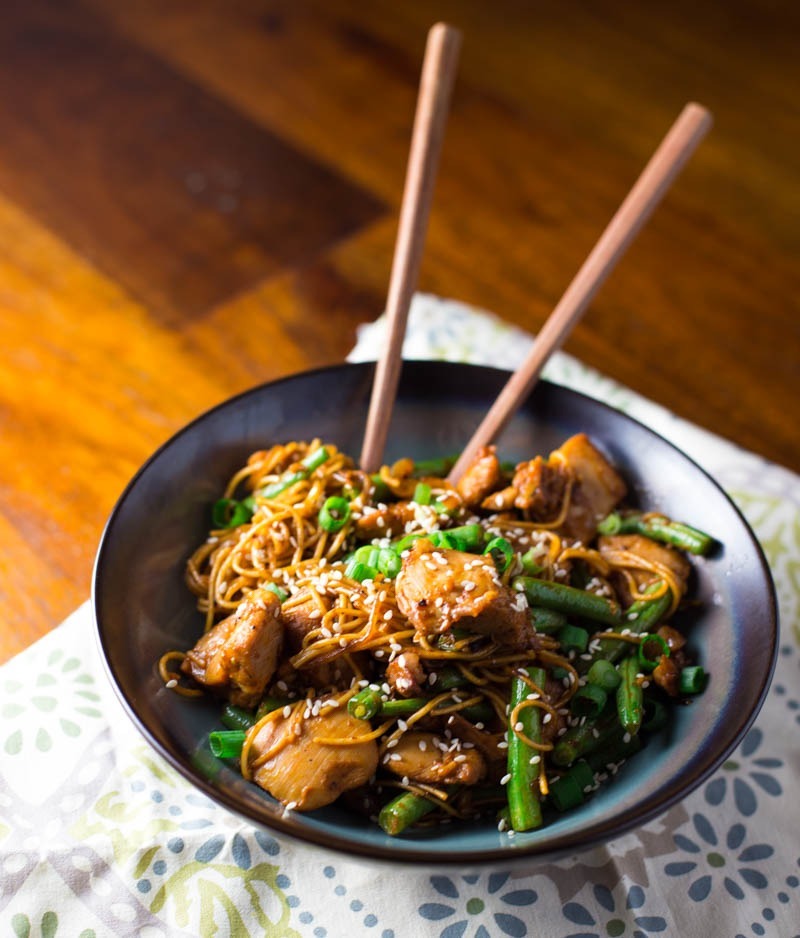
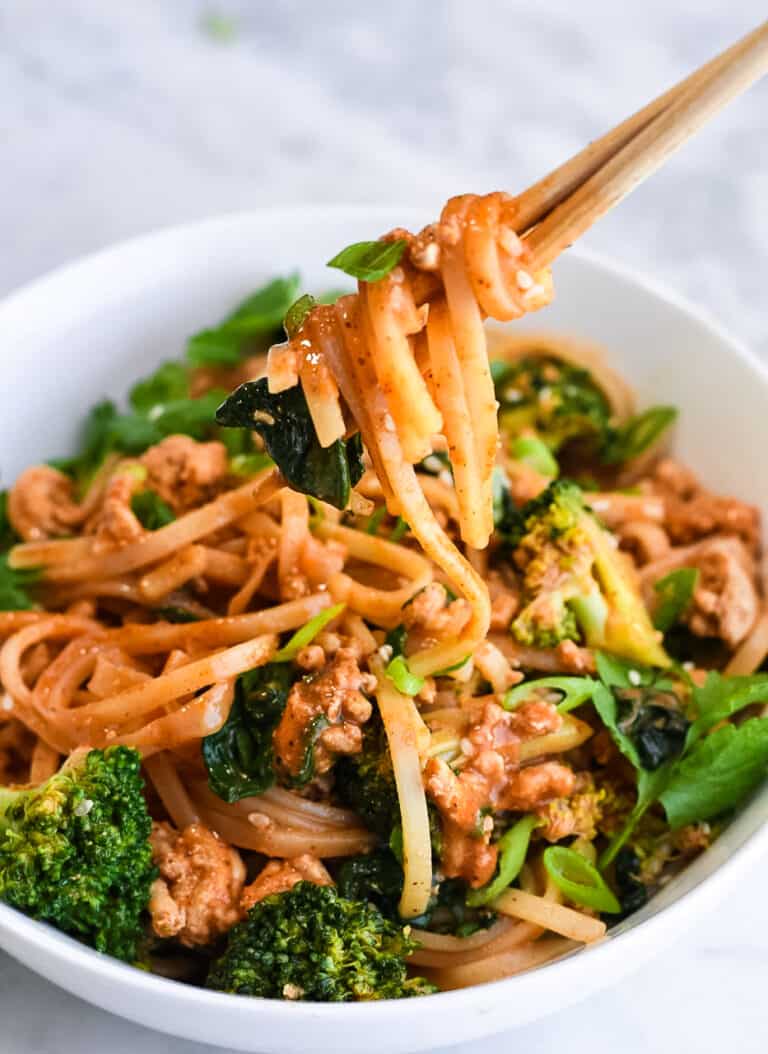
Cooked udon or ramen noodles tossed in the sauce become a satisfying onepan meal. Add a handful of shredded carrots for color and an extra bite of sweetness.
Gochujang peanut stir fry sauce
For a richer, nutty profile, whisk in 2Tbsp of smooth peanut butter and a splash of lime juice. The peanut butter thickens the sauce, so you may need a bit more liquid to keep it glossy.
Misogochujang fusion
If youre craving deeper umami, swap 1Tbsp of soy sauce for 1Tbsp of white miso paste. The result is creamier and slightly less salty perfect for those who prefer a mellow heat.
Flavorprofile comparison
| Version | Spice (15) | Umami (15) | Sweetness (15) |
|---|---|---|---|
| Classic | 4 | 5 | 3 |
| Peanut | 3 | 5 | 4 |
| Misofusion | 3 | 5 | 2 |
Beyond StirFry Uses
Marinade for tofu or chicken
Mix the sauce with a tablespoon of olive oil, coat your protein, and let it sit for at least 30minutes. The sauce caramelizes beautifully when baked at 200C (400F) for 20‑25 minutes.
Dipping sauce for dumplings
Thin the sauce with equal parts water (or lowsodium broth) until it reaches a saucelike consistency. Add a dash of sesame seeds for extra texture.
Glaze for roasted veggies
During the last 5 minutes of roasting carrots or sweet potatoes, brush on a thin layer of sauce. The sugars will caramelize, giving you a glossy, sweetspicy finish.
Health Benefits & Risks
Nutritional snapshot of the base sauce
One tablespoon (20g) of the classic sauce contains roughly:
- Calories: 25kcal
- Protein: 1g
- Carbohydrates: 4g (mostly from honey)
- Sodium: 300mg (depends on soy selection)
- Capsaicin: mild to moderate heat, which may boost metabolism.
Potential drawbacks
The main concerns are sodium and added sugars. If youre watching blood pressure, opt for lowsodium soy and replace honey with a natural lowcalorie sweetener.
Tips for a healthier version
| Change | Original | Healthier Alternative |
|---|---|---|
| Soy sauce | Regular soy, 1Tbsp | Lowsodium soy, 1Tbsp |
| Sweetener | Honey, 1Tbsp | Agave or erythritol, 1Tbsp |
| Oil | Sesame oil, tsp | Olive oil spray (optional) |
For a full nutrient breakdown, you can consult USDA FoodData Central. Adjustments keep the flavor intact while lowering the sodium by up to 40%.
Community Hacks
Lazy shortcuts from redditors
Some users swear by using storebought Korean BBQ sauce as a onestep base, then adding a splash of rice vinegar and a pinch of sugar. Its not as nuanced, but it works when youre short on time.
Flavor boosters suggested by the crowd
Add a pinch of Korean red pepper flakes (gochugaru) for extra depth.
Finish with a drizzle of toasted sesame oil for aroma.
Sprinkle toasted pumpkin seeds on top for crunch.
Budgetfriendly swaps
If you cant find gochujang, mix 1Tbsp of sriracha with 1tsp of fermented soybean paste (doenjang) and a dash of honey. The flavor wont be identical, but it hits the sweetspicy mark without a pricey ingredient list.
Conclusion
There you have it the exact gochujang stir fry sauce thats been lighting up Reddit feeds, plus the knowhow to adapt it for veggies, noodles, or even a peanutrich twist. By understanding the core ratios, the science behind the flavor balance, and the health considerations, you can use this sauce confidently in countless meals. Give it a try tonight, tweak it to your taste, and feel free to share your own version with friends or on the forums. If you have questions or discover a new hack, let us know the conversation keeps getting better as we all cook together.
FAQs
What are the essential ingredients for the Reddit gochujang stir fry sauce?
The core recipe uses gochujang, low‑sodium soy sauce, honey (or agave), rice vinegar, and a touch of sesame oil—just five pantry staples.
Can I make the sauce vegan or gluten‑free?
Yes. Swap honey for agave or maple syrup for a vegan version, and use tamari or a gluten‑free soy sauce to keep it gluten‑free.
How do I adjust the heat level of the sauce?
Increase the gochujang or add a pinch of gochugaru for more spice, or reduce the chili paste and add extra honey if you prefer milder heat.
What’s the best way to store leftover sauce?
Keep the sauce in an airtight jar in the refrigerator; it will stay fresh for up to a week and the flavors meld even more over time.
Are there any quick variations for different meals?
Yes—mix in peanut butter for a nutty twist, stir in miso for deeper umami, or thin it with broth to use as a noodle or vegetable stir‑fry sauce.