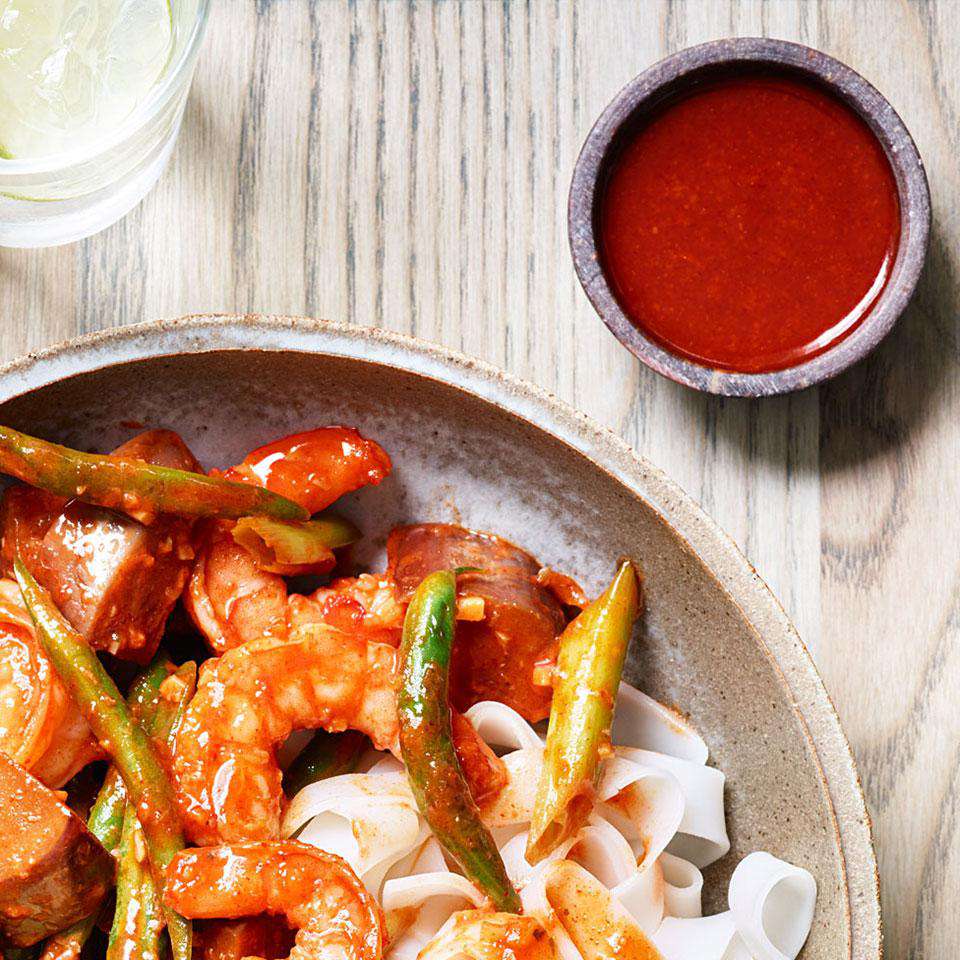
Looking for a quick dinner that packs a punch and still feels homecooked? You’re in the right place. In the next few minutes you’ll have a full‑flavored, glossy gochujang stir fry pork recipe that’s ready in under 30 minutes, plus tips to tweak the heat, swap veggies, or even use ground pork if you’re short on time.
Why bother with a sauce that’s a blend of fermented chili paste, sweet honey, and a splash of soy? Because that balance of sweet‑salty‑spicy is what makes Korean food so addictive, and when you get the technique right the pork stays juicy, the veggies stay crisp, and the whole pan smells like comfort on fire. Let’s dive straight in—no fluff, just the good stuff.
What Is Gochujang Stir Fry Pork?
Definition & Cultural Roots
At its heart, gochujang stir fry pork is the Western shorthand for a classic Korean dish called jeyuk bokkeum. The name literally means spicy pork and the star of the show is gochujang—a fermented red‑chili paste that’s been aging in Korean kitchens for centuries. The paste gives the dish its signature deep umami, a gentle heat, and a subtle sweetness that you can’t get from fresh chilies alone.
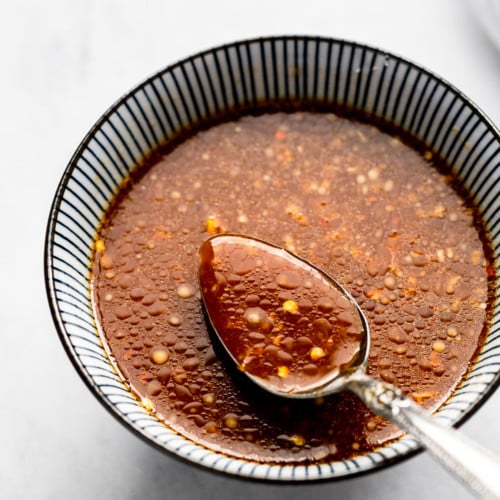
If you’re looking for a solid base, check out this gochujang stir-fry sauce recipe. It breaks down the perfect balance of gochujang, soy, honey, and sesame that makes the glaze shine.
Core Flavor Profile
Think of gochujang as the culinary equivalent of a well‑tuned band: the chili brings the heat, the rice syrup (or sugar) adds the sweet harmony, and the fermented soy base supplies the low‑key bass line of umami. When you toss pork in that blend, the meat soaks up the melody and releases it back onto the plate in every bite.
Quick Comparison
| Ingredient | Flavor Role |
|---|---|
| Gochujang | Fermented heat‑sweet‑umami |
| Gochugaru | Pure chili kick |
| Chili Oil | Rich, oily heat |
Ingredients & Smart Substitutions
Main Ingredients
- 1 lb pork belly or shoulder, thinly sliced (about ¼‑inch thick)
- ½ cup gochujang (Korean red‑pepper paste)
- 2 Tbsp soy sauce (low‑sodium if you watch salt)
- 1 Tbsp honey or brown sugar
- 1 Tbsp sesame oil
- 2 cloves garlic, minced
- 1 tsp fresh ginger, grated
- 2 green onions, sliced (reserve white and green parts separately)
Vegetable Options (Korean Stir‑Fry Pork and Vegetables)
- 1 carrot, julienned
- ½ red bell pepper, sliced
- ½ onion, thinly sliced
- 1 cup napa cabbage, chopped
- ½ cup snow peas or broccoli florets
Substitutions & Dietary Tweaks
If you don’t have pork belly, thinly sliced shoulder works just as well and is a bit leaner. For a ground‑meat version, use 1 lb ground pork—just keep an eye on the cooking time; it will finish in about 5‑6 minutes. Want to keep it gluten‑free? Swap regular soy sauce for tamari. Need less sugar? Replace honey with a drizzle of maple syrup or a splash of agave.
Shopping Checklist
- Pork (belly, shoulder, or ground)
- Gochujang (look for Korean on the label)
- Basic pantry staples: soy sauce, honey, sesame oil, garlic, ginger
- Fresh veggies of your choice
Step‑by‑Step Cooking Guide
1. Prep the Marinade
In a bowl, whisk together gochujang, soy sauce, honey (or your sweetener), sesame oil, minced garlic, and grated ginger. Toss the sliced pork in the mixture and let it sit for at least 15 minutes. If you have an hour, let it marinate longer—the flavor will deepen, but even a quick dip works.
2. High‑Heat Sear
Heat a wok or large skillet over high heat until a drop of water sizzles away instantly. Add a thin sheen of neutral oil (vegetable or canola) and spread the pork in a single layer. You’ll hear a satisfying sizzle; let the pork sit for 1‑2 minutes before stirring—this creates that caramelized crust that’s the hallmark of a great stir‑fry.
3. Add the Veggies
Push the pork to the edge of the pan, then drop in the white parts of the green onions, carrots, and bell pepper. Toss everything together for another 2‑3 minutes. The veggies should stay crisp‑tender—think just‑right texture, not mushy.
4. Finish the Sauce
Pour any remaining marinade over the pan, add a splash (about ¼ cup) of water or light broth, and stir quickly. The sauce will thicken in a minute; if it gets too thick, add a little more liquid. Finish with the green parts of the onions, a drizzle of sesame oil, and a sprinkle of toasted sesame seeds.
5. Serve Hot
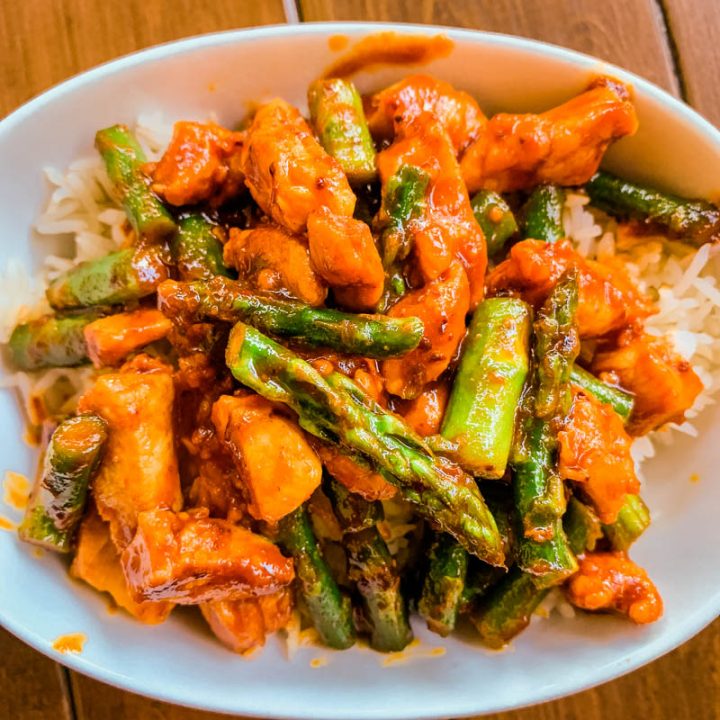
Plate the pork over steamed jasmine or short‑grain rice, garnish with extra green onions, and enjoy. The dish is delicious on its own, but you can also serve it with lettuce leaves for DIY wraps, or alongside kimchi for extra tang.
Pro Tips from the Kitchen
- Keep the heat high; a lower temperature will steam the pork rather than sear it.
- Don’t overcrowd the pan—work in batches if necessary.
- For extra gloss, finish with a teaspoon of sugar dissolved in a splash of water.
Flavor Boosts & Creative Variations
Adjust the Heat
If you love a serious kick, add a teaspoon of gochugaru (Korean chili flakes) or a dash of Szechuan peppercorn oil. For milder palates, cut the gochujang amount in half and boost the honey for a sweeter profile.
Sweet‑Savory Twists
Mix in a tablespoon of pineapple chunks for a Filipino‑style twist—this mirrors the Korean pork recipe‑Filipino style trend you’ll see on food blogs. The fruit adds a burst of acidity that balances the sauce beautifully.
Alternative Proteins
Shy away from pork? Swap in thinly sliced chicken thigh, firm tofu cubes, or even tempeh for a plant‑forward version. The same gochujang‑soy glaze works across proteins—just adjust cooking times accordingly.
Variation Table
| Variation | Main Protein | Key Add‑In | Heat (1‑5) |
|---|---|---|---|
| Classic | Pork belly | – | 3 |
| Ground Pork | Ground pork | Snow peas | 2 |
| Filipino‑Style | Pork shoulder | Pineapple, soy | 3 |
| Veggie‑Only | – | Mushrooms, carrots | 2 |
Nutrition, Benefits & Possible Risks
Macronutrient Snapshot
A typical serving (about 1 ⅓ cup of the recipe) delivers roughly 350 kcal, 20 g protein, 18 g carbs, and 20 g fat. The protein boost helps with satiety, while the modest carbs keep the dish balanced for most diets.
Health Perks of Gochujang
Because gochujang is fermented, it contains probiotics that support gut health. The capsaicin from chili peppers can boost metabolism and may aid in cardiovascular health when consumed in moderation.
Risks & How to Balance Them
Traditional gochujang and soy sauce can be high in sodium, and the sweetener adds sugar. To keep things in check, use low‑sodium soy, limit the honey to a tablespoon, and add extra vegetables for volume without extra salt.
Expert Insight Cue
Consider referencing the USDA FoodData Central for exact nutrient values of each ingredient. A nutritionist’s note on sodium reduction can also reinforce trust.
Common Mistakes & Troubleshooting
Pork Turns Rubbery
This happens when the meat cooks too long or at too low a temperature. The secret is a quick sear on high heat—just a few minutes per side—then finish with the sauce.
Sauce Too Thick or Too Thin
If the glaze looks more like a paste, splash in a tablespoon of water or broth and let it simmer for a minute. If it’s runny, let the mixture reduce a bit longer, or stir in a tiny pinch of cornstarch slurry (1 tsp cornstarch + 1 Tbsp water).
Flavor Is Flat
Finish with a dash of rice vinegar or an extra sprinkle of toasted sesame seeds. A splash of citrus (like a squeeze of lime) can brighten the whole dish.
Quick Cheat Sheet
- Rubbery? Lower heat time.
- Thick sauce? Add liquid.
- Thin sauce? Reduce longer.
- Flat taste? Acid or seeds.
Storing, Reheating & Serving Ideas
Shelf Life & Freezing
Cool the stir‑fry to room temperature (no more than two hours), then pack it in an airtight container. In the fridge it stays good for up to four days. You can also freeze portions for up to two months—just thaw in the fridge overnight before reheating.
Best Reheat Method
Reheat in a skillet over medium heat with a splash of water or broth. This revives the glossy sauce without drying out the pork. Microwaving works in a pinch, but you may lose that crisp‑tender texture.
Serving Suggestions
Serve the pork over a bowl of steaming rice, or turn it into a bibimbap by adding a fried egg and a handful of fresh greens. Lettuce wraps (using butter lettuce) give a refreshing crunch, while a side of kimchi adds a tangy contrast. Pair with a glass of cold barley tea for an authentic Korean feel.
Mini‑Menu Idea
- Main: Gochujang stir fry pork over rice
- Side: Korean pickled radish
- Soup: Light miso broth
- Drink: Barley tea (boricha)
Conclusion
There you have it—your all‑in‑one guide to mastering gochujang stir fry pork. With a simple marinate, a hot wok, and a handful of veg, you can create a dish that feels both familiar and exciting. The sauce’s sweet‑salty‑spicy balance makes it perfect for weeknight meals, and the flexibility to swap proteins or crank up the heat means you’ll never get bored.
Give the recipe a try tonight, experiment with a pineapple twist or a milder glaze, and let us know how it turned out. Cooking is a conversation, after all—what’s your favorite way to enjoy gochujang? Share your thoughts, and happy stir‑frying!
FAQs
What cut of pork works best for gochujang stir fry pork?
Thinly sliced pork belly or shoulder are ideal because they stay tender and absorb the sauce quickly; ground pork can also be used for a quicker version.
Can I make this dish less spicy?
Yes—reduce the gochujang amount by half and add a bit more honey or brown sugar; you can also omit the gochugaru flakes for a milder flavor.
How long can I store leftovers of gochujang stir fry pork?
Refrigerated in an airtight container, it stays good for up to four days; you can freeze portions for up to two months and reheat in a skillet.
Is there a gluten‑free alternative to soy sauce in this recipe?
Swap regular soy sauce for tamari or coconut aminos to keep the dish gluten‑free without losing the salty umami depth.
What side dishes pair well with gochujang stir fry pork?
Serve it over steamed rice, with lettuce wraps, kimchi, or as part of a bibimbap topped with a fried egg and fresh greens.