Hey there! If youve ever stared at a bag of sweetpotato glass noodles and thought, I wish I knew how to turn this into something delicious, youre in the right place. In the next few minutes Ill walk you through a japchae recipe thats fast, flavorful, and flexible enough for meatlovers, vegetarians, and anyone in between. No fluff, just straighttothepoint guidance you can start using tonight.
Essential Ingredients & Tools
Japchae Noodles (sweetpotato glass noodles)
These translucent strands, known as japchae noodles, are the heart of the dish. Look for dangmyeon at Asian supermarkets or the glutenfree aisle. If you cant find them, rice vermicelli works in a pinch, but expect a slightly different texture.
How to prep
Place the noodles in a bowl of warm (not boiling) water and let them soak for 2030 minutes. Theyll soften without turning mushy. Drain in a colander, toss briefly with a drizzle of sesame oil, and set aside.
Classic Japchae Sauce
This is where the sweetsavory magic happens. The basic japchae sauce recipe is:
- 3tbsp soy sauce (or tamari for glutenfree)
- 2tbsp brown sugar
- 1tbsp sesame oil
- 1tsp minced garlic
Feel free to add a splash of mirin or a pinch of gochujang if you like a subtle heat. For an even deeper flavor you can swap this base with a korean stir fry sauce.
Proteins: Beef, Chicken, or Vegetarian
Traditional japchae recipe uses thinly sliced ribeye, but you can swap in chicken breast, thighs, or even firm tofu for a japchae recipe vegetarian version.
Beef
Marinate 200g of sliced beef in 1tbsp soy sauce, tbsp sugar, and a dash of pepper for 10minutes. This quick soak adds depth and keeps the meat tender.
Chicken
Use the same ratio as beef. Chicken thighs stay juicier, especially if youre short on time. Season the chicken with a little gochujang for a subtle kick, like in the gochujang stir fry chicken recipe.
Tofu (vegetarian)
Press a block of extrafirm tofu, cut into bitesize cubes, and toss with a little soy sauce before panfrying. The result is crispy on the outside and soft inside.
Vegetables & Extras
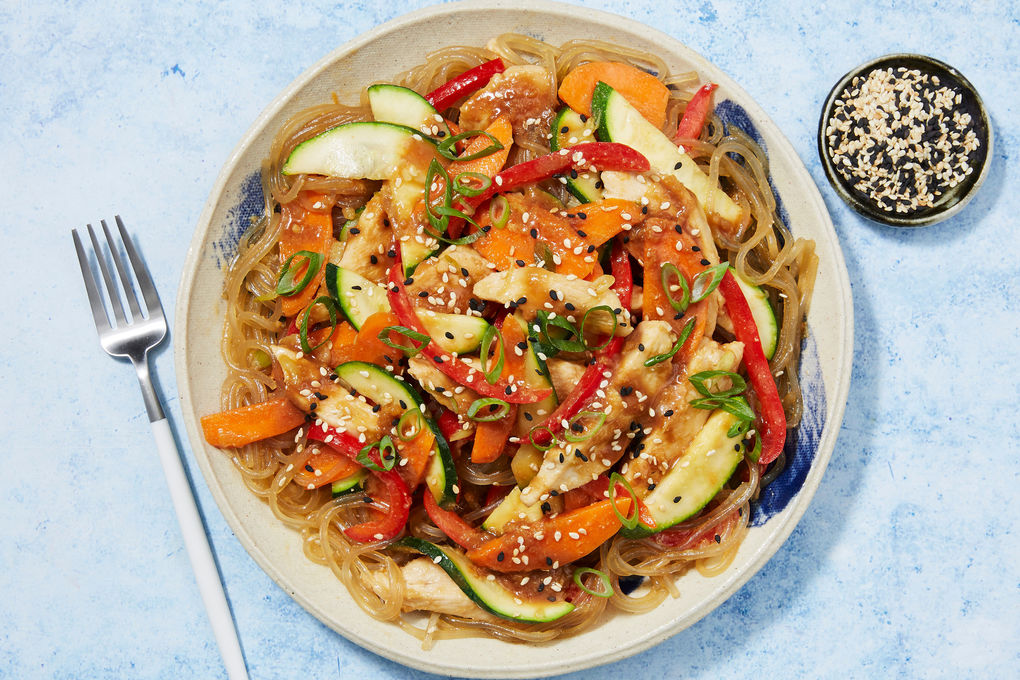
Typical japchae ingredients include:
- 1 carrot, julienned
- onion, thinly sliced
- red bell pepper, sliced
- 56 shiitake mushrooms, rehydrated and sliced
- 2 cups fresh spinach
- 23 green onions, chopped
- Sesame seeds for garnish
Feel free to throw in zucchini, bok choy, or bean sprouts for extra crunch.
Kitchen Gear
A large wok or wide skillet, a pair of tongs, a colander, and measuring spoons are all you need. If you have a rice cooker, you can use it to keep the noodles warm while you stirfry.
Easy Japchae Method
Prep Checklist
Before you fire up the burner, have these ready:
- Soaked noodles (30min)
- All veg sliced uniformly (about inch strips)
- Protein marinated (10min)
- Sauce mixed in a small bowl
Cooking Steps
1. Saut the Veggies
Heat 1tbsp sesame oil over mediumhigh heat. Add the carrots first—they take the longest—stirfry for 2minutes. Then add onions, bell pepper, and mushrooms, cooking until theyre just tender but still vibrant.
2. Cook the Protein
Push the veggies to the side, add another splash of oil, and lay the beef (or chicken/tofu) in a single layer. Let it sear without moving for about 30seconds, then stirfry until its nicely browned. This step creates a caramelized flavor thats essential to the best japchae recipe.
3. Combine Noodles & Sauce
Reduce heat to medium. Toss the drained noodles into the wok, pour the premixed sauce over everything, and stir continuously. The noodles will absorb the sauce, turning glossy and fragrant. Finish with a drizzle of sesame oil and a sprinkle of sesame seeds.
4. Add the Spinach
Drop in the fresh spinach last; it wilts in seconds. Give everything one final toss, taste, and adjust salt or sugar if needed.
Quick Version japchae recipe easy
If youre in a rush, skip the marination and use presliced thin beef strips from the deli. Use a premade Korean BBQ sauce that already contains soy, sugar, and garlic. The whole process can be wrapped up in 15minutes.
Common Pitfalls & Fixes
- Overcooked noodles: Soak only until soft; a brief stirfry is enough.
- Flat flavor: Taste the sauce before adding; a pinch more sugar or a dash of rice vinegar can brighten it.
- Soggy veggies: Cook on high heat and keep moving—this preserves crunch.
Vegan & Meat Variations
Vegetarian Japchae (japchae recipe vegetarian)
Replace meat with extrafirm tofu or tempeh. Add a splash of mushroom broth to the sauce for deeper umami. Toasted peanuts or cashews make a delightful garnish.
GlutenFree & LowSodium
Swap regular soy sauce for tamari and cut the sugar in half, adding a teaspoon of apple cider vinegar for balance.
Chicken Japchae (japchae recipe chicken)
Season chicken with a little gochujang for a subtle kick, then stirfry with the veggies. Pair with a side of edamame for extra protein.
SideDish Pairings
Serve your japchae alongside classic Korean banchan like kimchi, pickled radish, or a simple cucumber salad. It works equally well hot, at room temperature, or chilled for a picnic.
Pro Chef Secrets
Professional Techniques
For that restaurantlevel sheen, flashsear the beef: get the pan super hot, place the meat without moving for 15seconds, then stirfry quickly. According to Maangchis guide, this short burst of heat locks in juices and creates a caramelized crust.
Personal Experience
I first learned this japchae recipe from my Korean aunt during Lunar New Year. Shed whistle while the wok sang, and the aroma of sesame and garlic filled the whole house. Replicating that memory in my tiny kitchen reminded me that cooking is as much about feeling as it is about technique.
Authoritative Sources
For more detailed ingredient ratios, you might check RecipeTin Eats, which consistently ranks high for japchae recipe easy. Their stepbystep photos can be a handy visual companion.
Trust & Safety
Always ensure beef reaches an internal temperature of 160F (71C). If youre cooking for kids or pregnant friends, this simple precaution keeps everyone safe.
Helpful Extras & Tables
Comparison of JPACHAE VERSIONS
| Version | Prep Time | Cook Time | Protein | Difficulty |
|---|---|---|---|---|
| Best (authentic) | 20min | 15min | Beef | Medium |
| Easy | 10min | 10min | Beef/Chicken | Easy |
| Vegetarian | 15min | 12min | Tofu | Easy |
Printable Recipe Card (PDF)
For offline cooking, feel free to copy the steps into a note app or print the table above. Having a physical reference can be a lifesaver when your hands are messy.
WrapUp & Next Steps
There you have ita thorough, friendly guide to mastering the japchae recipe no matter what you have in your fridge. Whether you opt for the classic beef version, a speedy chicken twist, or a wholesome tofu makeover, the core principles stay the same: good noodles, a balanced sauce, and a hot wok.
Now its your turn. Grab those glass noodles, fire up the stove, and let the sizzling aromas fill your kitchen. If you discover a secret ingredient or a clever shortcut, share it with friendsor keep it as your own tasty insider tip. Happy cooking!
FAQs
What type of noodles should I use for authentic japchae?
Traditional japchae uses sweet‑potato glass noodles called dangmyeon. If you can’t find them, rice vermicelli works as a substitute, though the texture will be slightly different.
Can I make japchae ahead of time?
Yes. Prepare the noodles, sauce, and cooked vegetables separately, then combine everything just before serving. The dish stays good for up to 2 days refrigerated.
How do I keep the noodles from getting soggy?
Soak the noodles only until they’re soft (20‑30 minutes) and give them a quick toss in sesame oil before stir‑frying. A brief, high‑heat stir‑fry finishes them without excess moisture.
Is there a vegetarian version of this japchae recipe?
Absolutely. Replace the meat with pressed firm tofu or tempeh, and add a splash of mushroom broth to the sauce for extra umami. The same sauce and veggies work perfectly.
What can I serve alongside japchae for a complete meal?
Pair it with classic Korean banchan such as kimchi, pickled radish, or a simple cucumber salad. A side of steamed rice or edamame also makes a balanced plate.