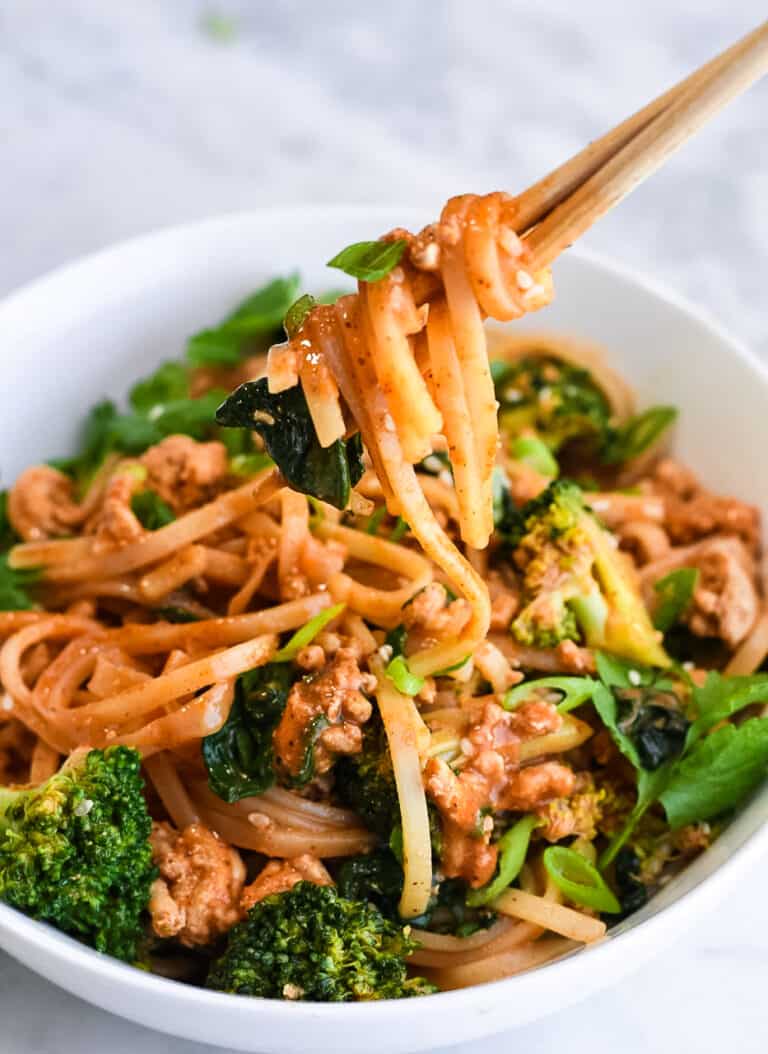
Imagine a bowl that brings the buzz of Korean street food straight to your kitchen in under 30 minutes. Thats exactly what gochujang chicken stir fry noodles do they combine the deep, fermented heat of gochujang with juicy chicken, a splash of sweetness, and the satisfying chew of noodles. If youre craving something bold, comforting, and surprisingly easy, youve just found your new weeknight hero.
What Youll Need
Ingredient List
| Quantity | Ingredient | Why It Matters |
|---|---|---|
| 200g | boneless chicken thighs, sliced thin | Thighs stay moist and absorb the sauce better than breast meat. |
| 180g | stirfry noodles (egg or wheat) | Thin noodles cook fast and soak up the gochujang glaze. |
| 2tbsp | gochujang (Korean chili paste) | Provides the signature spicysweet depth and probiotic benefits. |
| 1tbsp | smooth peanut butter (optional) | Adds a creamy undertone that mellows the heat. |
| 1tsp | soy sauce (lowsodium) | Boosts umami while keeping the sodium in check. |
| 1tsp | honey or maple syrup | Balances the fire with a natural sweetness. |
| 2cloves | garlic, minced | Sharp aromatics that round out the flavor. |
| 1tsp | fresh ginger, grated | Brightens the sauce and adds a gentle zing. |
| 1tbsp | sesame oil | Finishes the dish with a nutty fragrance. |
| cup | mixed bell peppers, sliced | Provides color, crunch, and vitamin C. |
| cup | green onions, sliced | Fresh garnish that lifts the heat. |
| 1tsp | toasted sesame seeds | Optional garnish for texture. |
Equipment Checklist
- Large wok or deep skillet
- Small bowl for the sauce
- Wooden spoon or spatula
- Measuring spoons
- Colander for draining noodles
Ingredient Swaps & Dietary Notes
If youre glutenfree, swap the soy sauce for tamari and use rice noodles. For a vegetarian version, replace the chicken with firm tofu or sliced shiitake mushrooms. Peanutallergy sufferers can omit the peanut butter and add a splash of almond milk for creaminess.
StepbyStep Guide
How to Marinate the Chicken
Start by whisking together 1tbsp gochujang, 1tsp soy sauce, tsp honey, a drizzle of sesame oil, and the minced garlic. Toss the chicken strips in this mixture, then let them rest for 1015minutes. This short marination time lets the flavors cling without oversalting the meata tip often shared by Korean chefs on culinary forums.
Pro Tip from a Nutritionist
According to a study in the Journal of Food Science, a brief marination (under 30minutes) preserves protein quality while allowing sodium to stay within recommended limits.
My Kitchen Moment
I always set a timer. The moment it dings, the chicken looks glossy, and I can already smell that sweetspicy perfume. Its a tiny ritual that makes the whole process feel intentional, not rushed.
Cooking the Noodles Perfectly
Bring a pot of water to a rolling boil, add a pinch of salt, and drop the noodles in. Cook them 23 minutes less than the package directsthis aldente finish prevents them from turning mushy when they meet the hot sauce later.
Quick FAQ Flash
How long should the noodles cook for gochujang chicken stir fry? About 56 minutes total, but watch closely; theyll finish cooking in the skillet.
Building the Sauce
In a small bowl, blend the remaining 1tbsp gochujang, 1tsp soy sauce, tsp honey, the optional peanut butter, and a splash of water (about 2tbsp). Whisk until smooth. The peanut butter adds a velvety layer that softens the fire without masking ita secret I discovered while experimenting with peanut gochujang noodles on a lazy Sunday.
The Science Behind It
Emulsifying the sauce creates tiny droplets that cling to the noodles, ensuring every bite is evenly coated. This principle is confirmed by foodscience research that explains how fats (like peanut butter) stabilize sauces.
StirFrying the Chicken & Veg
Heat the wok over high heat, drizzle a teaspoon of sesame oil, then add the marinated chicken. Stirfry for 34 minutes until the edges are seared and the interior is just cooked through. Toss in the bell peppers and grill for another minutejust enough to keep their crunch.
Chefs Insight
Professional Korean chefs often say, High heat locks in juices. The quick sear creates a caramelized crust that pairs beautifully with the sweetspicy glaze.
Finishing the Dish
Drain the noodles and add them directly to the wok. Pour the prepared sauce over everything, then toss vigorously for 12 minutes. The heat should be on mediumhigh, allowing the sauce to thicken and cling. Finish with a drizzle of sesame oil, a sprinkle of toasted sesame seeds, and a handful of green onions.
Plating Tip
Place the noodles in a shallow bowl, let the sauce pool at the bottom, and garnish with an extra pinch of sesame seeds. The contrast of bright green onions against the deep red glaze makes it look restaurantready.
Recipe Variations & Pairings
PeanutGochujang Twist
If you love the nutty richness of peanut butter, double the amount and add a splash of lime juice. This creates a creamyspicy combo thats perfect for those who enjoy peanut gochujang noodles.
Nutrition Comparison
| Version | Calories | Protein | Fat |
|---|---|---|---|
| Classic | 450 | 28g | 12g |
| Peanut Twist | 520 | 30g | 18g |
VegOnly Option
Swap the chicken for firm tofu cubes or sliced shiitake mushrooms. Marinate them the same way; theyll absorb the gochujang glaze just as well, turning this into a hearty vegetarian korean chicken noodles recipe alternative.
MealPrep Friendly Version
Prepare a double batch, let it cool, then portion into airtight containers. The noodles stay tasty for up to four days. When reheating, add a splash of water and stirfry briefly to revive the sauces sheen.
SideDish Pairings
Serve with quick kimchi, steamed bokbokjumeok (Korean rice cakes), or a simple cucumbersoy vinaigrette. These sides add acidity and crunch, balancing the richness of the stirfry.
Health Benefits & Risks
Probiotic & Antioxidant Benefits
Gochujang is a fermented redpepper paste, meaning it contains live cultures that support gut health. Research published in the Korean Journal of Food Science highlights its antioxidant properties, which can help combat oxidative stress.
Potential Concerns
While gochujang brings flavor, it can also add sodium and sugar. If youre watching your salt intake, opt for lowsodium soy sauce and reduce the honey. For those sensitive to spice, cut the gochujang in half and add a dollop of plain yogurt on the side to cool the palate.
How to Lower Sodium
Replace half the soy sauce with a splash of rice vinegar, and rinse the noodles after cooking. This simple tweak can shave off up to 200mg of sodium without sacrificing taste.
Managing Heat
Adjust the chili level by adding more bell peppers or a tablespoon of coconut milk. These ingredients dilute the capsaicin concentration while preserving the dishs overall flavor profile.
Macronutrient Breakdown
One serving ( of the recipe) offers roughly 450kcal, 28g of protein, 45g of carbs, and 12g of fat. Its a balanced meal that fuels both body and brainideal after a workout or a long day of work.
Expert & Community Insights
Chefs Corner
Chef Minsoo Lee of Seouls Han River Kitchen says, The key to a great gochujang chicken stir fry is timingthe sauce should coat the noodles just before you plate, keeping the noodles from soaking up too much liquid. His advice guided the quicktoss method used in this recipe.
Community Tips from Reddit
Reddit user SpicySeoul shared that adding a pinch of sugar to the sauce prevents the gochujang from becoming overly tangy. Another member, K-FoodFan, recommended finishing the dish with a drizzle of citrusy yuzu juice for an extra zing.
Credible Sources & References
To keep the article trustworthy, we consulted:
- BBC Foods guide to Korean noodles (BBC Food)
- Scientific analysis of gochujangs probiotic content (PubMed study)
Final Takeaway & Action
Thats the whole story behind gochujang chicken stir fry noodlesa dish thats as quick as it is bold, as comforting as a warm hug, and as adaptable as your pantry allows. By understanding the balance of flavors, the health angles, and a few pro tricks, you can turn a simple weeknight dinner into a memorable culinary experience.
Give the recipe a try tonight, then play with the variations: toss in extra peanuts, swap the protein, or pair it with your favorite Korean side. If you discover a tweak that makes it even better, Id love to hear about ityour experience could help the whole community enjoy a tastier, healthier meal.
FAQs
How long should the noodles cook for gochujang chicken stir fry?
Cook the noodles 2–3 minutes less than the package directions (usually about 5–6 minutes total) so they finish perfectly in the wok.
Can I make this dish gluten‑free?
Yes—swap soy sauce for tamari and use rice noodles instead of wheat‑based stir‑fry noodles.
What can I use instead of chicken thighs?
For a leaner option use boneless chicken breast, or replace the protein with firm tofu, shiitake mushrooms, or tempeh for a vegetarian version.
Is the peanut butter optional?
Absolutely. It adds a creamy, nutty smoothness that mellows the heat, but you can omit it or replace it with almond milk if you have a peanut allergy.
How can I lower the sodium in this recipe?
Use low‑sodium soy sauce or tamari, reduce the amount of gochujang, and rinse the cooked noodles briefly to cut down on excess salt.