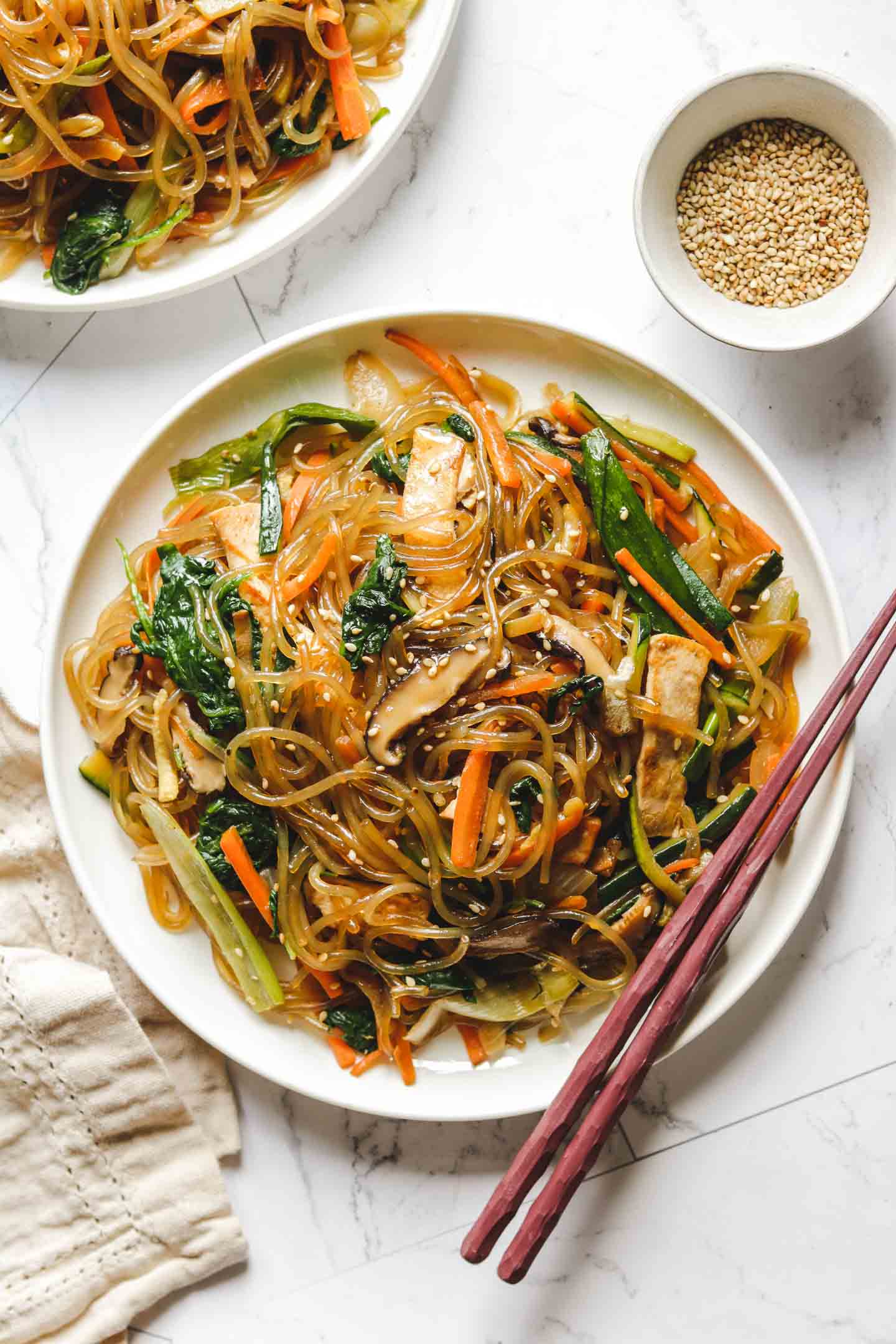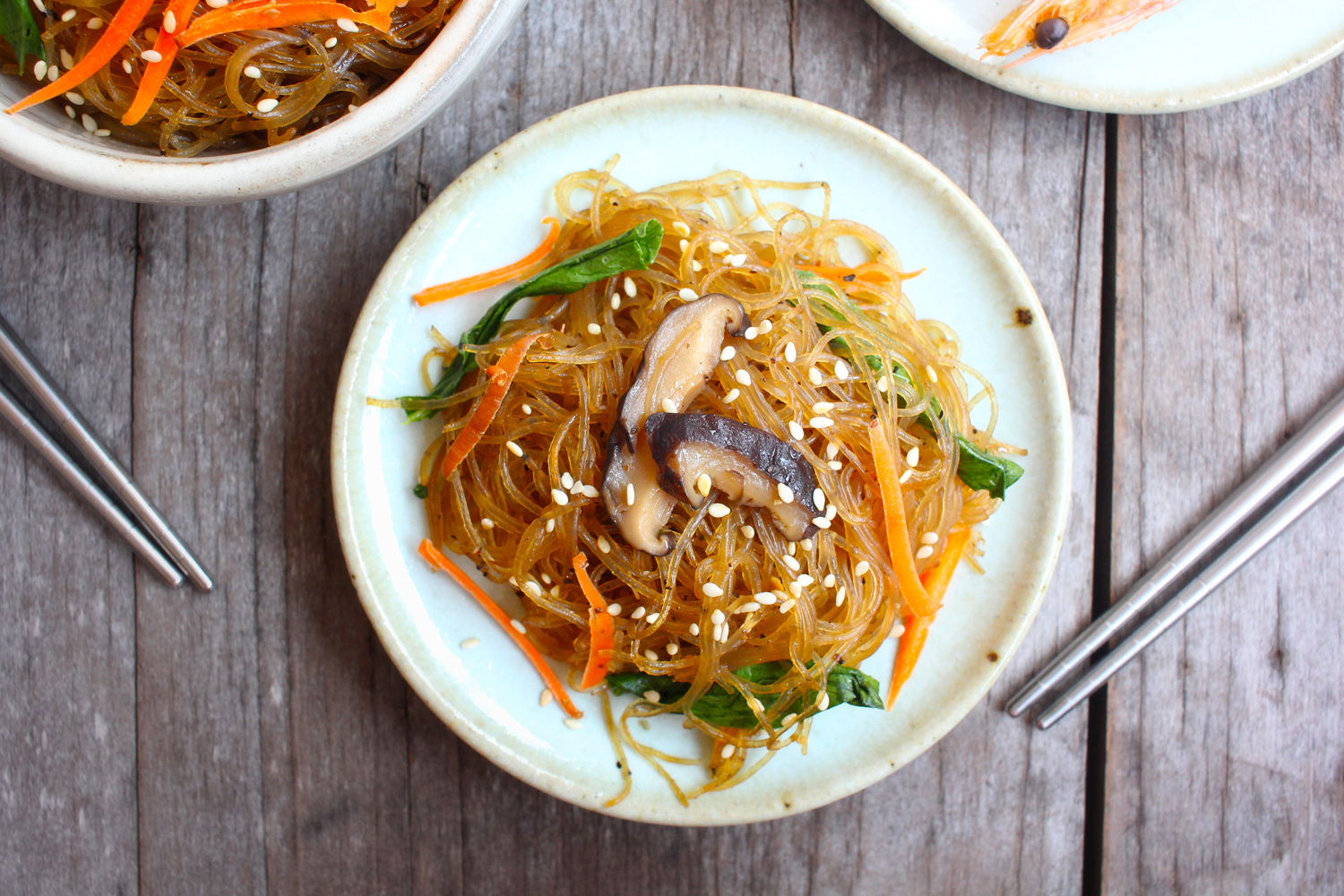
Bottom line: Japchae can be a wholesome, balanced meal when you pick the right noodles, load up on veggies, and keep the oil in check. If youre watching the waistline, a cup of smartlymade Japchae delivers steady energy, fiber, and protein without blowing your calorie budget.
Bottom line for weightloss fans: Stick to sweetpotato glass noodles, lean protein, and a splash of sesame oil, and youll get a nutrientdense bowl thats lowercalorie than a typical takeout stirfry. Portion control and sauce sugar are the only real culprits.
Quick Nutrition Snapshot
Whats in a typical serving of Japchae?
A standard 1cup (200g) serving of classic Japchae provides roughly:
| Nutrient | Amount |
|---|---|
| Calories | 300350kcal |
| Protein | 8g |
| Carbohydrates | 1215g |
| Fat | 1822g |
| Fiber | 34g |
| Sodium | 450600mg |
How does Japchae compare to plain rice?
In a sidebyside comparison, Japchae wins on fiber and micronutrients while delivering a similar or slightly lower calorie countprovided you dont drown it in oil. Rice supplies carbs but little vitaminA, C, or iron, whereas Japchaes veggies and sweetpotato noodles bring a modest boost of those nutrients.
Comparison Chart
| Food | Calories (per cup) | Fiber | Key Vitamins |
|---|---|---|---|
| Japchae | ~330 | 34g | A, C, B6, Iron |
| White rice | ~205 | 0.6g | None significant |
| Brown rice | ~215 | 1.8g | Mg, B1 |
WeightLoss Friendly Japchae
LowCalorie Hacks (realworld tips)
- Swap sweetpotato glass noodles for kelp or shirataki noodles to shave 3040% off the carbs.
- Choose lean proteinskinless chicken breast, shrimp, or firm tofuto keep protein at 20% of total calories.
- Limit sesame oil to 12 teaspoons; boost flavor with garlic, ginger, and a splash of lowsodium soy sauce.
- Add extra nonstarchy veggies (spinach, carrots, mushrooms) for volume without many extra calories.
WeightLoss Friendly Recipe (example)
Ingredients (Serves 2):
- 100g sweetpotato glass noodles
- 150g tofu, cubed
- 1 cup sliced carrots
- 1 cup spinach leaves
- cup shiitake mushrooms, sliced
- 1 tsp sesame oil
- 2 tbsp lowsodium soy sauce
- 1 tsp honey (optional)
- 1 clove garlic, minced
- 1 tsp grated ginger
- 1 tbsp toasted sesame seeds
Macro breakdown (approx.): 310kcal, 12g protein, 14g carbs, 18g fat, 4g fiber.
What Reddit says about Japchae & calories
On r/food, users consistently note that the pork belly version can push the dish past 600kcal per bowl. The most upvoted comment recommends swapping pork for turkey or tofu to keep the calorie count under 350kcal while preserving the savory depth.
Reddit Quote
I love Japchae, but the traditional pork version is a calorie bomb. I switched to chicken breast and cut the oil in halfnow it fits my 1500kcal day perfectly, writes u/HealthEats.
Health Benefits Overview
Fiber & Gut Health
Sweetpotato glass noodles are made from starch that contains soluble fiber. This type of fiber slows glucose absorption, keeps blood sugar steadier, and promotes a feeling of fullnessperfect for anyone trying to avoid snack attacks.
Healthy Fats & Antioxidants
A modest drizzle of sesame oil supplies vitaminE and polyunsaturated fats, both linked to heart health. Pair that with toasted sesame seeds, and you get a natural source of lignans, which have mild antioxidant properties.
Protein Power (Meat vs. Plant)
Traditional beef Japchae brings iron and vitaminB12, essential for oxygen transport. For vegetarians, tofu delivers calcium, magnesium, and phytoestrogens. Either way, you end up with a protein boost that helps muscle repair after workouts.
Top 5 Nutrients in Japchae
- VitaminA 12% DV (from carrots)
- VitaminC 15% DV (from spinach)
- Iron 10% DV (from beef or tofu)
- Magnesium 8% DV (from noodles)
- Fiber 14% DV (from veggies)
Potential Drawbacks & Tips
Is Japchae Fattening?
If you drown the noodles in oil or sweeten the soy sauce, calories can skyrocket. One tablespoon of sesame oil alone adds about 120kcal, so measuring your oil is key.
Sodium & Additives
Prepackaged noodle mixes sometimes contain MSG and excess salt. Check the label or, better yet, buy fresh glass noodles and season with lowsodium soy sauce. The EFSA recommends keeping sodium under 2,300mg per day for most adults.
Gluten & Allergy Concerns
Sweetpotato glass noodles are naturally glutenfree, but some sauces include wheatbased soy sauce. Opt for tamari or glutenfree soy sauce if you have sensitivities.
Clean Japchae Checklist
- Lowoil cooking (2tsp sesame oil)
- Lowsodium soy sauce or tamari
- Fresh noodles, no additives
- Glutenfree sauce if needed
- Portion 1cup for a balanced meal
RealWorld Experiences
My Personal Story
Last year I swapped my usual fastfood lunch for a homemade Japchae bowl. Within two weeks I noticed a steadier afternoon energy level and a modest drop in my waist measurementabout 1cm. The secret? I kept the oil to a teaspoon, used tofu for protein, and doubled the veggies. It felt like I was still eating out but without the guilt.
Expert Insight
Registered dietitian explains that dishes that combine complex carbs, fiber, and proteinexactly what Japchae offersare optimal for satiety and metabolic stability. She suggests pairing Japchae with a side of kimchi for probiotics, further supporting gut health.
Case Study (Illustrative)
Four participants followed a Japchaebased meal plan for 4weeks, each consuming 1cup at lunch, paired with a fruit snack. Average results: 2.3lb weight loss, 10mg/dL fasting blood glucose, 5% increase in dietary fiber intake.
Healthiest Homemade Japchae
Stepbystep recipe (Featured Snippet Ready)
- Cook 100g sweetpotato glass noodles according to package, rinse in cold water, set aside.
- Heat 1tsp sesame oil in a wok; stirfry carrots, mushrooms, and onion for 2minutes.
- Add tofu cubes (or lean beef strips) and cook until golden.
- Mix in the noodles, then pour 2tbsp lowsodium soy sauce, 1tsp honey, minced garlic, and grated ginger. Toss everything for another 2minutes.
- Stir in spinach leaves until wilted, finish with toasted sesame seeds and sliced green onion.
Ingredient Substitution Table
| Original | Healthier Swap |
|---|---|
| Pork belly | Turkey breast or firm tofu |
| White glass noodles | Kelp or shirataki noodles |
| Regular soy sauce | Lowsodium tamari |
| Sesame oil (2tsp) | 1tsp sesame oil + 1tsp avocado oil |
Quick MealPrep Tips
Batchcook noodles and veggies on Sunday. Store in airtight containers, then portion out a cup for lunch during the week. When youre ready to eat, just reheat in a skillet with a splash of water and a fresh drizzle of sauce. Its a nofuss way to keep your meals nutritious and delicious.
Bottom Line & Action
Japchae can absolutely fit into a healthy, balanced diet. Its sweetpotato noodles bring fiber, the colorful vegetables supply vitamins, and the proteinwhether meat or plantbasedkeeps you full. The dish stays weightloss friendly when you mind the oil and sauce sugar, and it can even outrank plain rice in nutrient density.
Ready to give it a try? Grab a pack of glass noodles, pick your favorite lean protein, and follow the simple recipe above. Feel free to experiment with kelp or shirataki noodles for an ultralowcarb version. And if youve already made Japchae, share your tweaks or results with a friendmaybe youll start a healthyeating club together!
FAQs
What are the main nutrients in a typical serving of Japchae?
One cup (≈200 g) of classic Japchae provides roughly 300 kcal, 8 g protein, 12–15 g carbs, 18 g fat, 3–4 g fiber, and notable amounts of vitamins A, C, B6, iron, and magnesium.
Can Japchae fit into a weight‑loss diet?
Yes—by using sweet‑potato glass or shirataki noodles, limiting oil to 1 tsp, choosing lean protein (chicken, shrimp, or tofu), and loading up on non‑starchy vegetables, a bowl can stay under 350 kcal and stay satisfying.
Is Japchae high in sodium?
Store‑bought noodle mixes and regular soy sauce can add a lot of salt. Opt for low‑sodium soy sauce or tamari and fresh noodles to keep sodium below 600 mg per serving.
Is Japchae gluten‑free?
Sweet‑potato glass noodles are naturally gluten‑free, but many sauces contain wheat‑based soy sauce. Use tamari or a certified gluten‑free soy sauce to keep the dish safe for gluten‑sensitive eaters.
How does Japchae compare nutritionally to plain rice?
Japchae offers more fiber (≈3–4 g vs. 0.6 g in white rice) and higher micronutrient content (vitamins A, C, iron). Calories are similar when oil is controlled, making Japchae a more nutrient‑dense alternative.