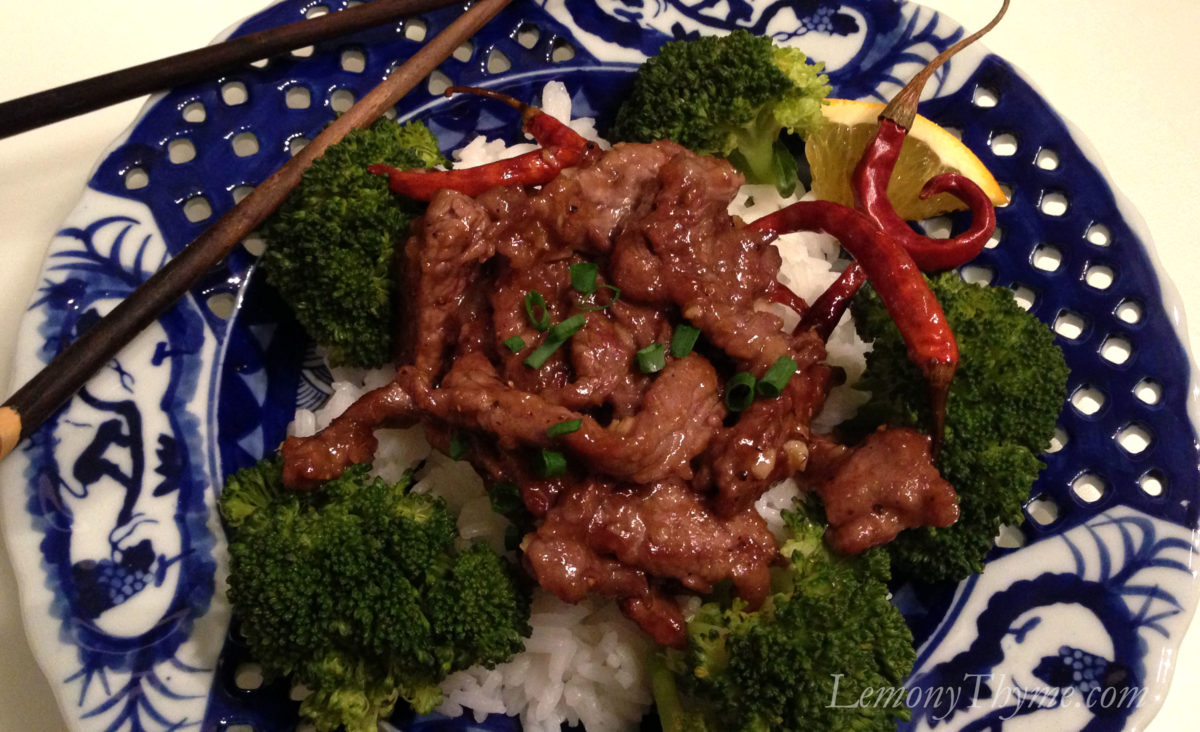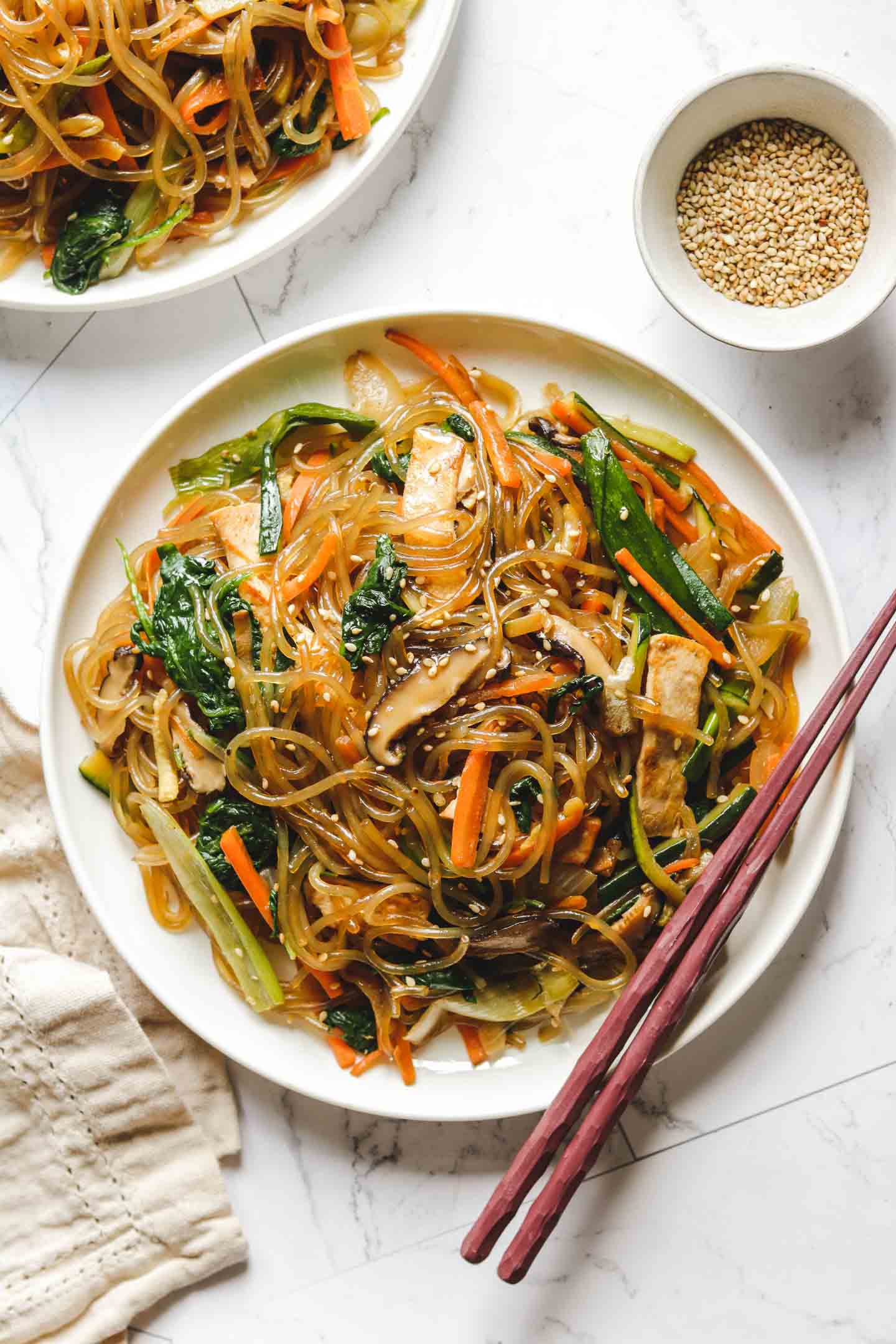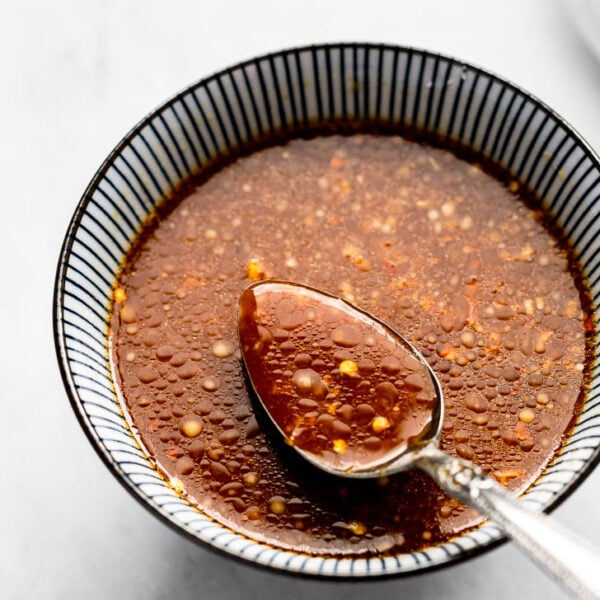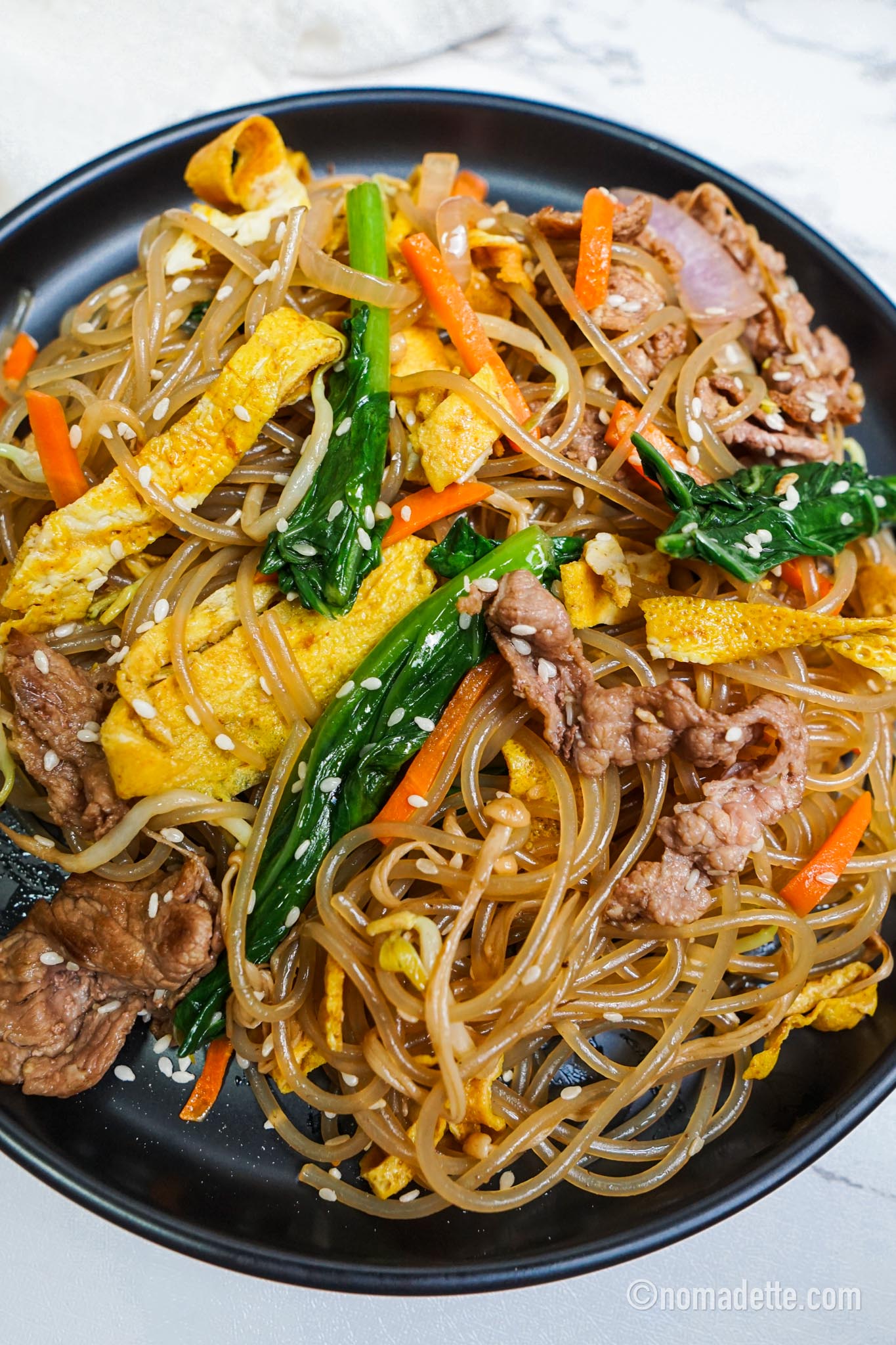
Looking for a sauce that can turn a boring weeknight stirfry into a flavor explosion? Youve just landed on the right spot. In the next few minutes Ill show you exactly how to whip up a Korean stir fry sauce thats sweet, spicy, and totally customizable and well even talk about the health side of things so you can feel good about every bite.
What Is Korean Sauce
At its heart, Korean stir fry sauce is built around gochujang a fermented redpepper paste that brings a deep, umamirich heat. Mix it with soy sauce, a splash of rice vinegar, and a drizzle of sesame oil, and youve got a glaze that clings to chicken, beef, tofu, or any veggie you toss in the wok.
Key Ingredients Explained
Gochujang the star of the show, packed with capsaicin and live cultures. Soy sauce adds salty depth; look for lowsodium if youre watching salt. Rice vinegar brightens the flavor with a gentle acidity. Sesame oil a finishing touch that gives a toasted, nutty aroma.
Korean vs. Chinese Stir Fry Sauces
While both cuisines love a good stir fry, Chinese sauces usually lean on oyster sauce, hoisin, or a simple soybased combo. Korean sauce, by contrast, gets its signature zing from gochujang and often a hint of sesame oil. The result? A sauce thats simultaneously sweet, spicy, and savory something you wont get from a typical Chinese stir fry sauce.
| Flavor Aspect | Korean (GochujangBased) | Chinese (SoyBased) |
|---|---|---|
| Spiciness | Mediumtohigh (adjustable) | Lowtomedium |
| Sweetness | Balanced with sugar/honey | Often uses sugar or honey |
| Umami | Deep from fermented gochujang | From oyster or soy |
Simple 3Ingredient Versions
Not everyone has time to hunt down a pantry full of exotic items. The good news? You can create a tasty Korean stir fry sauce with just three basics.
3Ingredient Sauce
Combine equal parts gochujang, soy sauce, and rice vinegar. Whisk until smooth thats it. If you like a touch of honey, add a teaspoon; if you prefer it hotter, a pinch of crushed redpepper flakes does the trick.
Quick Steps
- Measure 2Tbsp gochujang.
- Add 2Tbsp lowsodium soy sauce.
- Stir in 2Tbsp rice vinegar.
- Whisk, taste, and adjust.
4Ingredient Chicken Sauce
Take the 3ingredient base and add 1Tbsp toasted sesame oil. The oil not only enriches the flavor but also helps the sauce coat chicken pieces evenly.
5Ingredient AllPurpose Sauce
For a sauce that works on beef, tofu, and veg alike, throw in a clove of minced garlic and a teaspoon of grated ginger. These aromatics add a fresh bite that pairs beautifully with the fermented gochujang.
Classic Gochujang Sauce
If you have a few extra minutes, lets dive into the fullfeatured Korean stir fry sauce that many Korean homes swear by. This version gives you that restaurantstyle glaze without the price tag.
Full Recipe
Ingredients (makes about cup, enough for 4 servings):
- 3Tbsp gochujang
- 2Tbsp soy sauce (lowsodium)
- 1Tbsp rice vinegar
- 1Tbsp sesame oil
- 1tsp honey or brown sugar
- 1clove garlic, minced
- tsp freshly grated ginger
Directions:
- In a small bowl, whisk gochujang, soy sauce, and rice vinegar until smooth.
- Add the honey (or sugar), garlic, and ginger; stir until dissolved.
- Finish with sesame oil; give it one last quick whisk.
- Use immediately or store in the fridge for up to a week.
For a step‑by‑step Gochujang stir-fry sauce recipe, you can refer to this detailed guide that walks you through each stage of the process.
Sourcing Gochujang
If youre new to Korean pantry staples, head to an Asian supermarket or look for reputable brands online. Sempio and CJ make reliable, lesssweet gochujang that works great for stirfrying.
Adjusting Heat & Sweetness
Feel free to dial the heat up by adding a splash of sriracha or a pinch of Korean redpepper flakes. Want it sweeter? A drizzle of maple syrup balances the spice without overwhelming the umami.
Protein & Veggie Pairings
The real magic happens when the sauce meets the main ingredient. Below is a quick guide to help you pair the sauce with common proteins and vegetables.
| Protein | Sauce Ratio | Quick Tip |
|---|---|---|
| Chicken (breasts or thighs) | 2Tbsp sauce per lb | Marinate 10min for deeper flavor. |
| Beef (thinly sliced) | 3Tbsp sauce per lb | Highheat sear for a caramelized crust. |
| Tofu (firm) | 1Tbsp sauce + 1Tbsp water | Press tofu before cooking to absorb more sauce. |
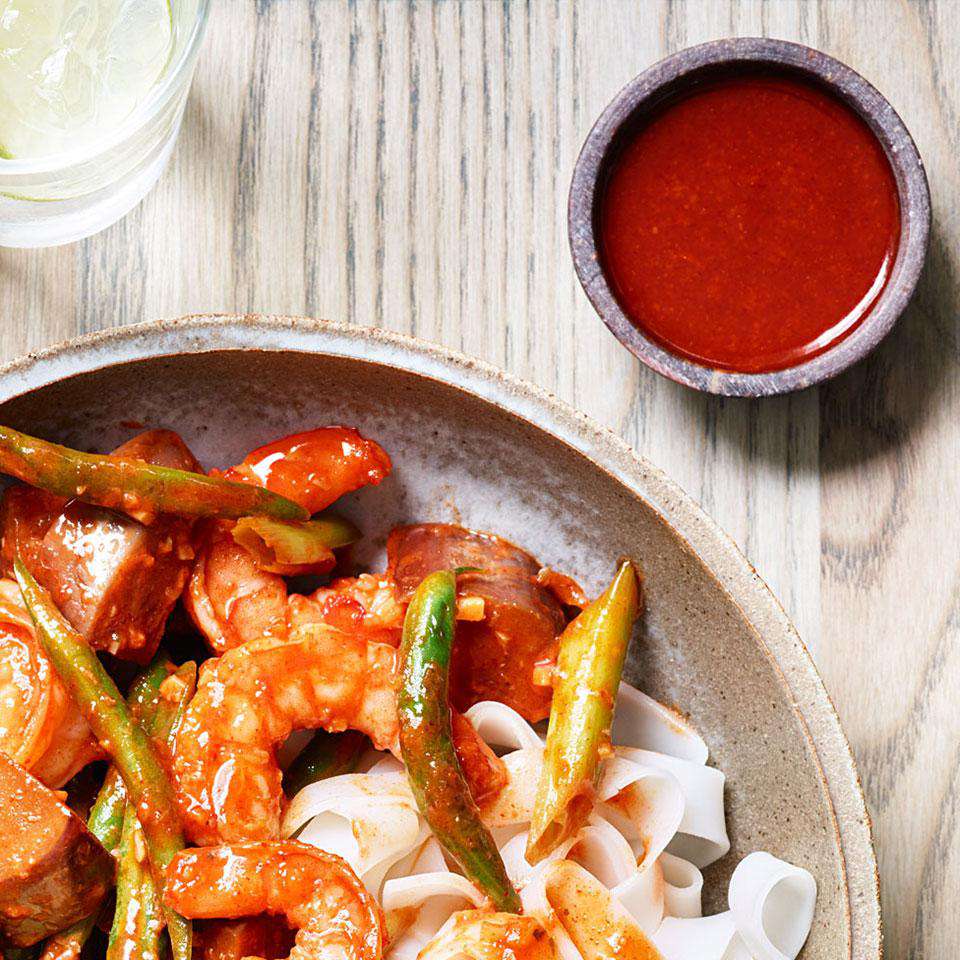
| Shrimp | 1Tbsp sauce + tsp sesame oil | Add at the end of cooking; shrimp cooks fast. |
| Mixed Vegetables (broccoli, bell peppers, snap peas) | 1Tbsp sauce per cup veg | Stirfry veg first, then toss with sauce. |
Korean Stir Fry Sauce for Chicken
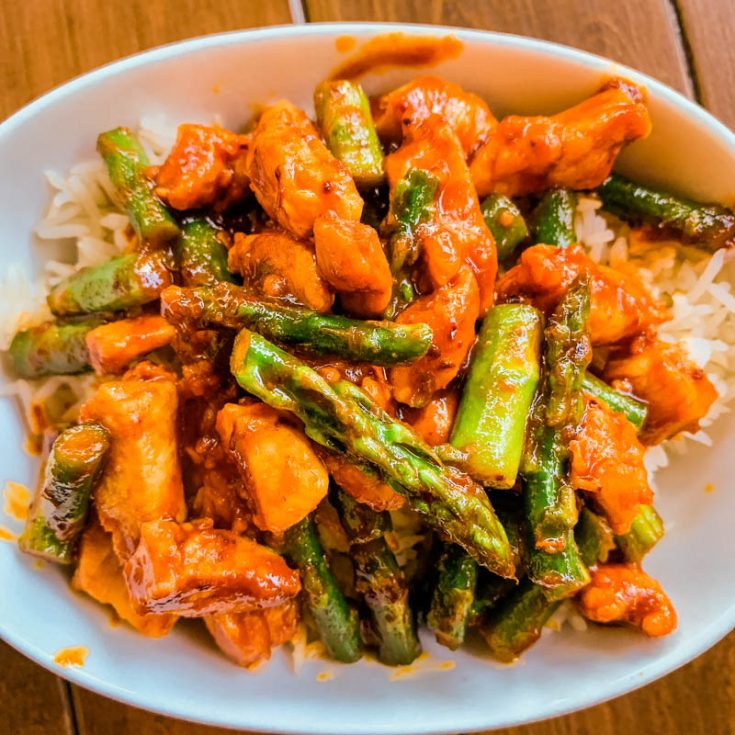
When I first tried this sauce on chicken, I tossed bitesized pieces in a hot skillet, letting them brown before adding the glaze. The sauce thickened in seconds, coating each piece with a glossy, sticky finish. It turned a simple chicken dinner into a crowdpleasing feast in under 20 minutes.
Korean Stir Fry Vegetables
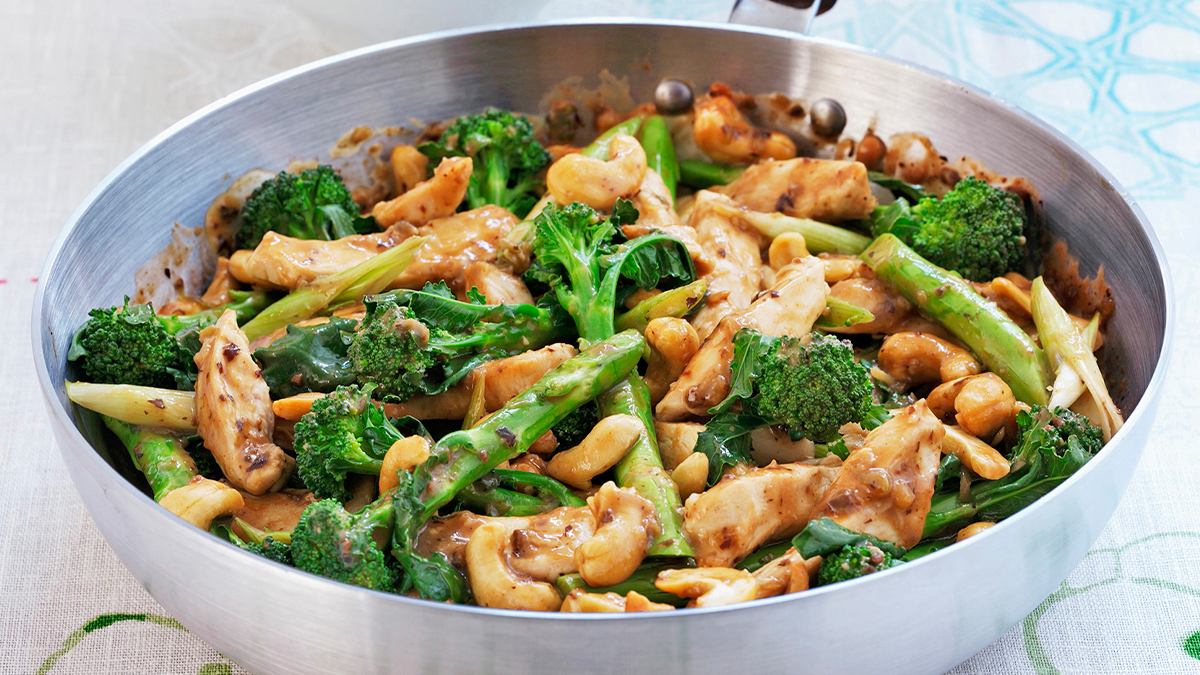
Veggies love the bright, tangy edge of the sauce. A quick tip: add a splash of water if the pan gets too dry it helps the sauce spread without burning.
Health Benefits & Risks
Deliciousness aside, lets talk nutrition. Gochujang is fermented, which means it contains probiotics that support gut health. The capsaicin in the peppers can boost metabolism, and the sesame oil supplies hearthealthy monounsaturated fats.
Watch the Sodium
Most of the salt comes from soy sauce. To keep sodium in check, choose a lowsodium version or dilute the sauce with a little water before tossing with your ingredients.
Sugar Sweetness
Traditional recipes call for a spoonful of honey or brown sugar. If youre cutting back on sugar, you can swap it for a splash of steviabased liquid sweetener or simply omit it the gochujang already carries a mild sweetness.
Allergen & Dietary Notes
The base is glutenfree if you use tamari instead of regular soy sauce, and its vegan as long as you skip honey. For a fully plantbased version, replace honey with agave or maple syrup.
Nutrition Snapshot
According to USDA FoodData Central, a tablespoon of gochujang contains roughly 25 calories, 2g of protein, and 1g of sugar. The sauces calorie load stays low as long as you moderate the oil and added sweeteners.
Troubleshooting & Pro Tips
Even the best home cooks run into hiccups. Below are a few quick fixes that will keep your sauce smooth and your stirfry on point.
Too Thin?
If the sauce looks watery, let it simmer for a minute or two without the wok lid the heat will naturally reduce it. Alternatively, add a tiny dollop of extra gochujang; it thickens while preserving flavor.
Burning in the Wok
High heat is essential for that charred edge, but the sauce can scorch quickly. Add the glaze after the protein has browned, then toss for just 30 seconds. If you hear a sizzle that turns into a hiss, lower the flame immediately.
Balancing Sweet & Salty
Taste as you go: a good rule of thumb is one part sugar (or honey) to two parts soy sauce. Adjust in small increments you can always add more, but you cant take it out.
FlavorAdjustment Cheat Sheet
| Issue | Quick Fix |
|---|---|
| Too salty | Add a splash of water or extra rice vinegar. |
| Too sweet | Stir in a dash of extra soy sauce. |
| Not spicy enough | Mix in a teaspoon of sriracha or crushed redpepper flakes. |
| Missing depth | Include a pinch of toasted sesame seeds or a drizzle of toasted sesame oil. |
Conclusion
There you have it a complete guide to Korean stir fry sauce thats as versatile as it is tasty. Whether youre rushing a 3ingredient dinner, craving the classic gochujang glaze, or looking to keep things healthy, the sauce adapts to fit your needs. Give the 3ingredient version a whirl tonight; youll be amazed at how quickly your bowl transforms. And if you end up tweaking the recipe, share what you discovered the best part of cooking is learning together. Happy stirfrying!
FAQs
Can I make a Korean stir fry sauce that’s vegan?
Yes! Substitute honey with maple syrup or agave nectar and use tamari or low‑sodium soy sauce instead of regular soy sauce.
How long can I store homemade Korean stir fry sauce?
The sauce keeps well in an airtight container in the refrigerator for up to one week. For longer storage, freeze it in ice‑cube trays.
What’s the best way to adjust the spiciness of the sauce?
Increase heat by adding extra gochujang, a pinch of Korean red‑pepper flakes, or a teaspoon of sriracha. Reduce heat by using less gochujang or adding a splash of more rice vinegar.
Is the sauce suitable for low‑sodium diets?
Use low‑sodium soy sauce or tamari and balance the flavor with a little extra rice vinegar or water. This cuts the sodium while preserving taste.
Can I use the sauce for grilling instead of stir‑frying?
Absolutely. Marinate your protein in the sauce for 15‑30 minutes, then grill. Brush on additional sauce during the last minutes for a glossy glaze.