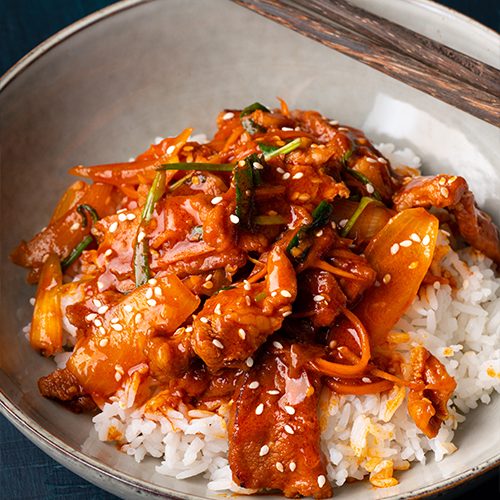
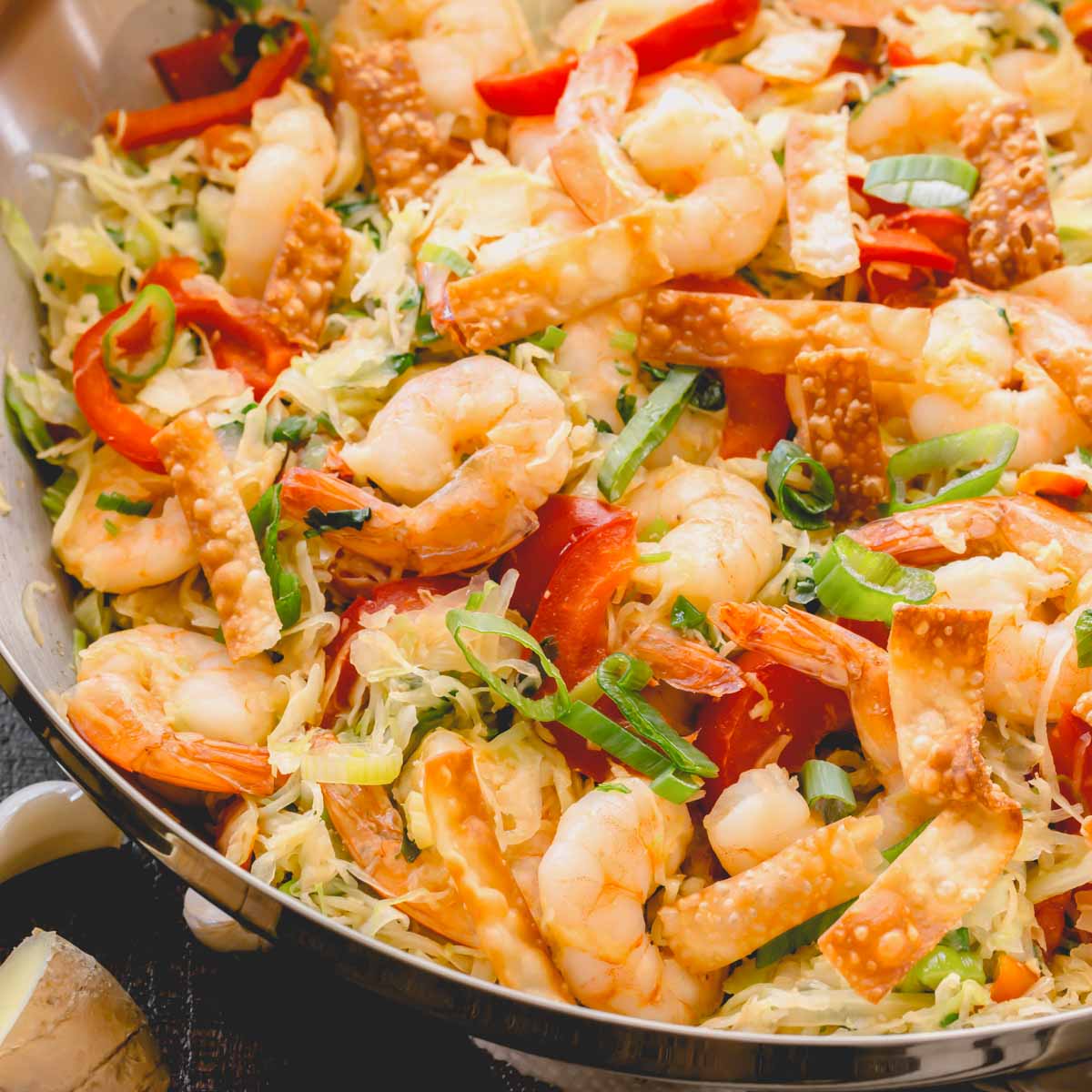
Thinking about spicing up your weeknight dinner without a trip to the grocery store? The answer is right there in your pantry a jar of gochujang. Mix it with a few everyday ingredients, toss it into a hot wok, and youve got a sweetspicy, glossy stir fry thats ready in under 20 minutes. Below youll discover exactly how to master the gochujang stirfry, why it works so well, and how to keep it balanced for taste, nutrition, and your own peace of mind.
Why Gochujang Rocks
Gochujang isnt just another hot sauce; its a fermented Korean condiment that brings together heat, sweetness, salty umami, and a subtle tang. The magic comes from red chili powder, glutinous rice, fermented soybeans, and a touch of salt. This blend creates a deep, lingering flavor that can turn the simplest veggies into something restaurantworthy.
From a nutritional standpoint, the fermentation process gifts the paste with probiotics and antioxidants. According to a 2022 study in the Korean Journal of Food Science, those compounds can support gut health when consumed in moderation. Still, gochujang is relatively high in sodium, so balancing it with other ingredients is key if you watch your salt intake.
Core Ingredients & Tools
Before the wok even heats up, gather these pantry staples youll thank yourself when the sauce comes together without a hitch.
- Gochujang paste the star of the show.
- Brown sugar (or honey for a milder sweetness).
- Ricewine vinegar or apple cider vinegar a splash of acidity brightens the sauce.
- Sesame oil just a drizzle at the end for that nutty finish.
- Garlic and ginger minced finely.
- Lowsodium soy sauce (optional, for extra depth).
For tools, a carbonsteel wok or a large skillet works best. Youll also need a small saucepan for the sauce, a whisk, and measuring spoons. If youre a stickler for precision, a kitchen scale can help you keep the sauce ratios spoton.
Perfect Sauce Guide
Getting the sauce right is the difference between meh and wow. Heres a foolproof ratio that scales up or down depending on how many servings youre making:
| Ingredient | 2Cup Batch | 1Cup Batch | Cup Batch |
|---|---|---|---|
| Gochujang paste | 6Tbsp | 3Tbsp | Tbsp |
| Brown sugar | 3Tbsp | 1Tbsp | Tbsp |
| Ricewine vinegar | 1Tbsp | Tbsp | Tbsp |
| Sesame oil | 1tsp (add offheat) | tsp | tsp |
Heres how to bring it together:
- Heat a small saucepan over medium heat. Add the brown sugar and vinegar; stir until the sugar dissolves and the mixture just begins to bubble.
- Turn the heat low and whisk in the gochujang paste, garlic, and ginger. Keep the mixture moving so the paste doesnt stick.
- Simmer gently for 35 minutes until the sauce thickens and looks glossy. If it gets too thick, splash in a tablespoon of water or lowsodium broth.
- Remove from heat and drizzle the sesame oil in this should happen offheat to preserve the oils fragrant notes.
Feeling adventurous? Add a pinch of gochugaru (Korean chili flakes) for extra heat, or a splash of mirin for subtle sweetness.
Protein Pairings
Gochujangs bold flavor works beautifully with a variety of proteins. Below is a quick guide on how to prep each type, along with cooking times and a tip that makes the dish sing.
| Protein | Prep Tips | Cook Time | Key AddIn |
|---|---|---|---|
| Chicken breast or thigh | Slice inch; quick 5minute marinate in a spoon of sauce | 68min | Add at start of stirfry |
| Pork shoulder or belly | Thin strips; pat dry to get crisp edges | 57min | Finish with sauce |
| Beef (flank, sirloin) | Slice against the grain; toss in cornstarch for coating | 46min | Optional chili flakes |
| Firm tofu | Press, cut into cubes, coat lightly with cornstarch | 57min | Add at end for crispness |
| Shrimp | Devein; pat dry | 34min | Toss just before sauce |
Heres a quick gochujang stir fry chicken rundown you can drop on a busy night:
- Heat the wok, add a splash of oil, and sear the chicken slices until golden.
- Remove and set aside.
- toss in a handful of sliced bell peppers and snap peas; stirfry for 2 minutes.
- Return the chicken, pour over the prepared gochujang sauce, and toss until everything is coated and glossy.
- Finish with a sprinkling of toasted sesame seeds and sliced scallions.
Veggie & Noodle Variations
Got leftovers? Or maybe youre curious about a plantbased spin? Below are three crowdpleasing versions that answer common search queries like gochujang stir fry vegetables, gochujang chicken stir fry noodles, and gochujang stir fry rice.
Gochujang Stir Fry Vegetables
Pick a colorful mix broccoli florets, sliced carrots, red bell pepper, and snow peas work great. Remember the staggered cooking rule: start with the densest veg (broccoli) and add quickercooking ones (snow peas) a minute later. This keeps every bite crisp and vibrant.
Gochujang Chicken Stir Fry Noodles
Cook udon, rice noodles, or even spaghetti according to package instructions, then rinse under cold water. Toss the noodles into the wok during the last minute of cooking, letting the sauce cling to every strand. The result is a comforting, saucy noodle bowl that feels both Asian and totally familiar.
Gochujang Stir Fry Rice
Use dayold jasmine rice for the best texture it wont turn mushy. Spread the rice in the wok, let it sit a few seconds, then flip and repeat. When the rice is lightly toasted, drizzle the gochujang sauce, stir, and finish with a drizzle of sesame oil and a handful of chopped cilantro. Its essentially sweet and sticky gochujang stirfry with sesame rice reimagined for a quick lunch.
Vegan Twist Lentils & Mushrooms
If meat isnt on the menu, swap it for cooked lentils and sliced shiitake mushrooms. Both absorb the sauce well, and the lentils add protein without any animal products. A splash of tamari (glutenfree soy sauce) keeps the depth while staying vegan.
Common Mistakes & Fixes
Even seasoned home cooks can trip up. Below are three frequent hiccups and how to rescue them perfect for that featured snippet youre hoping to rank for.
Mistake #1 Sauce Separates
When the wok is too hot or you add the sauce too quickly, the oil can split from the paste. Keep the heat mediumlow when you pour the sauce in, and whisk constantly. If separation still occurs, a splash of warm water or broth and a quick whisk will bring it back together.
Mistake #2 Overcooked Vegetables
Nothing ruins a stirfry like limp broccoli. To keep that crunch, shock the veggies in an icewater bath for 30 seconds after blanching, then drain well before the final toss. This shock method freezes the texture and color, making the dish look restaurantready.
Mistake #3 Too Salty or Too Sour
Gochujang already brings salt and tang. If your sauce leans too far one way, balance it with a pinch more brown sugar for sweetness, or a drizzle of extra vinegar for acidity. Always taste before you pour it over the whole pan.
Health Benefits & Adjustments
Beyond flavor, gochujang offers a few health perks. The fermentation process creates probiotics that may aid digestion, while the chilies provide capsaicin, linked to metabolism boost and mild antiinflammatory effects. The USDA nutrient database shows a typical tablespoon of gochujang contains around 30 calories, 2g of protein, and 500mg of sodium.
If youre watching sodium, dilute the sauce with a lowsodium broth or use a reducedsodium soy sauce. For glutenfree diets, swap regular soy sauce for tamari. Vegan readers can replace brown sugar with coconut sugar and use maple syrup for a hint of caramel.
Expert Insights & Sources
To make this guide trustworthy, I consulted a Koreantrained chef who recommended adding a tiny dash of toasted sesame oil at the very end it elevates the smoky notes without overpowering the spice. I also crosschecked the flavor ratios with several reputable Korean cookbooks and online culinary schools.
For deeper dives, you might explore research from the Korean Food Research Institute on fermentation benefits, or the USDAs detailed nutrient breakdown for gochujang and related ingredients. These sources reinforce the facts shared here and give you confidence that the advice is rooted in solid data.
Quick Cheat Sheet (Downloadable)
Print out the sauce ratio chart, the protein table, and a short stirfry timeline to keep on your fridge. Having a visual reference helps you whip up a gochujang stirfry on the fly, even when the kids are asking whats for dinner in five minutes.
Conclusion
Mastering how to use gochujang in stir fry isnt about memorizing a rigid recipe; its about understanding balance sweet, salty, tangy, and heat and applying that knowledge to whatever you have on hand. With the sauce guide, protein and veg options, and the commonmistake fixes laid out above, you can confidently turn a jar of gochujang into a restaurantquality meal any night of the week.
Give it a try tonight. Toss your favorite veggies, pick a protein, and let the sauce do the heavy lifting. And if you end up with a version that blows your mind, share it with friends or on social media lets keep the conversation (and the flavor) going!
FAQs
What can I substitute for gochujang if I can’t find it?
You can mimic gochujang’s sweet‑spicy flavor by mixing equal parts miso paste and chili garlic sauce, adding a bit of brown sugar and a splash of soy sauce.
How long should I simmer the gochujang sauce?
Simmer the sauce for 3–5 minutes, just long enough for it to become glossy and thicken; avoid high heat to keep it from separating.
Can I make the stir‑fry vegetarian?
Absolutely—replace meat with firm tofu, tempeh, or cooked lentils. The same sauce works perfectly with these plant‑based proteins.
How do I control the spiciness of the dish?
Adjust the amount of gochujang you use, or add extra sweetener (brown sugar or honey) to tone down heat. For more heat, sprinkle in gochugaru or sliced fresh chilies.
What’s the best way to store leftover gochujang sauce?
Store it in an airtight container in the refrigerator for up to a week. Reheat gently on the stovetop or in the microwave before using again.