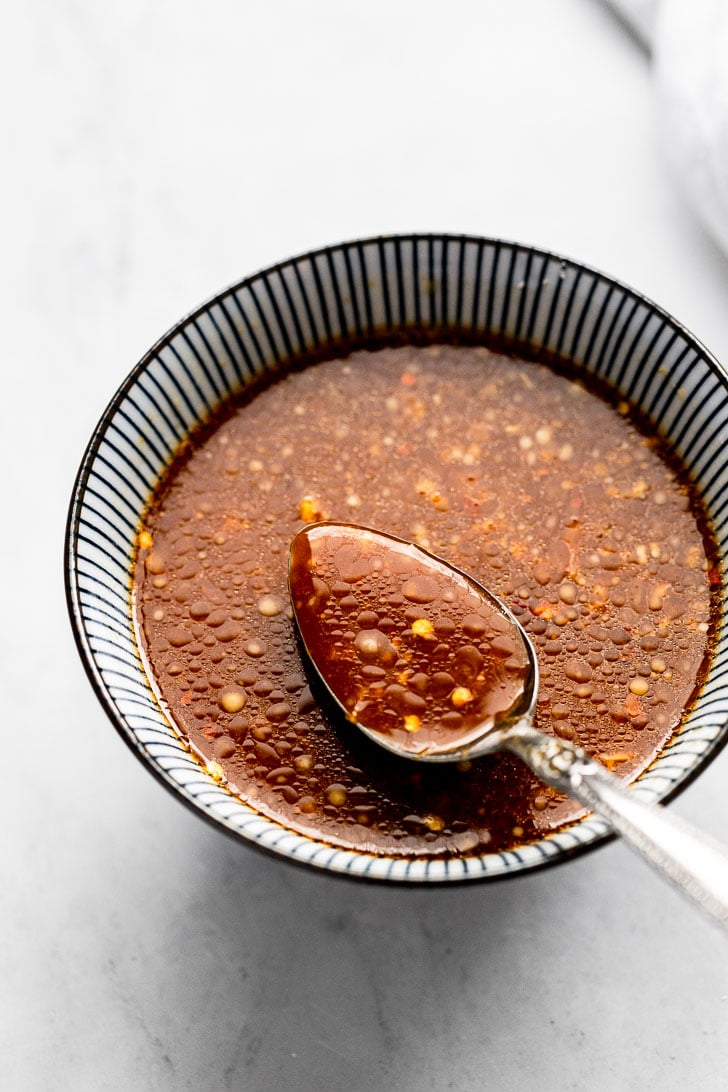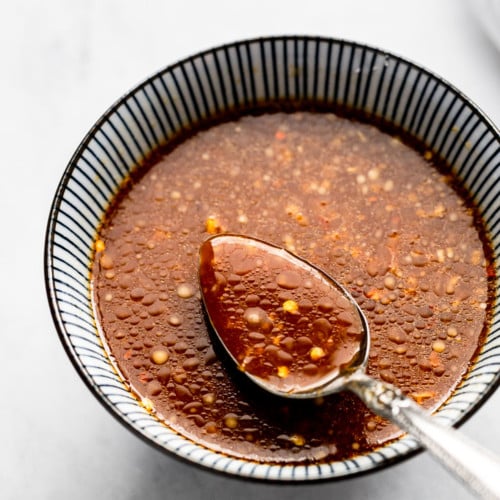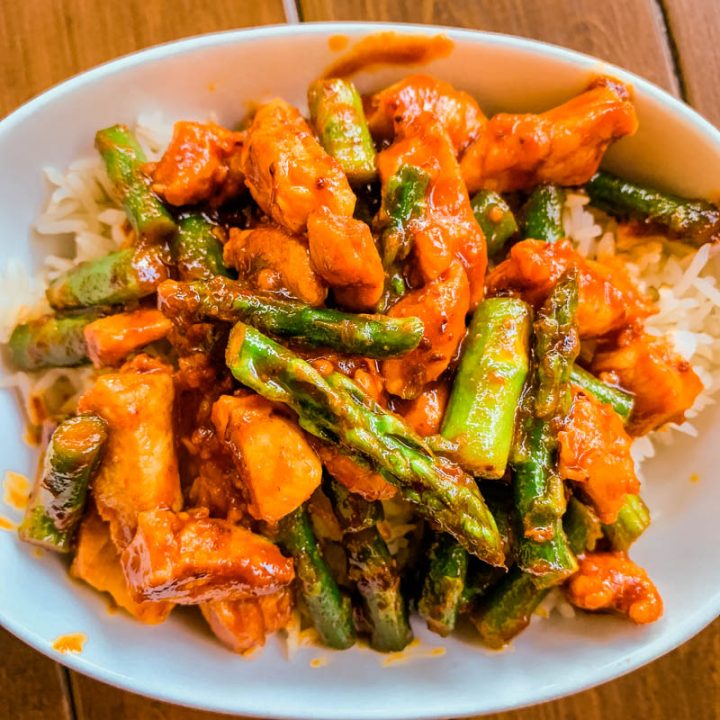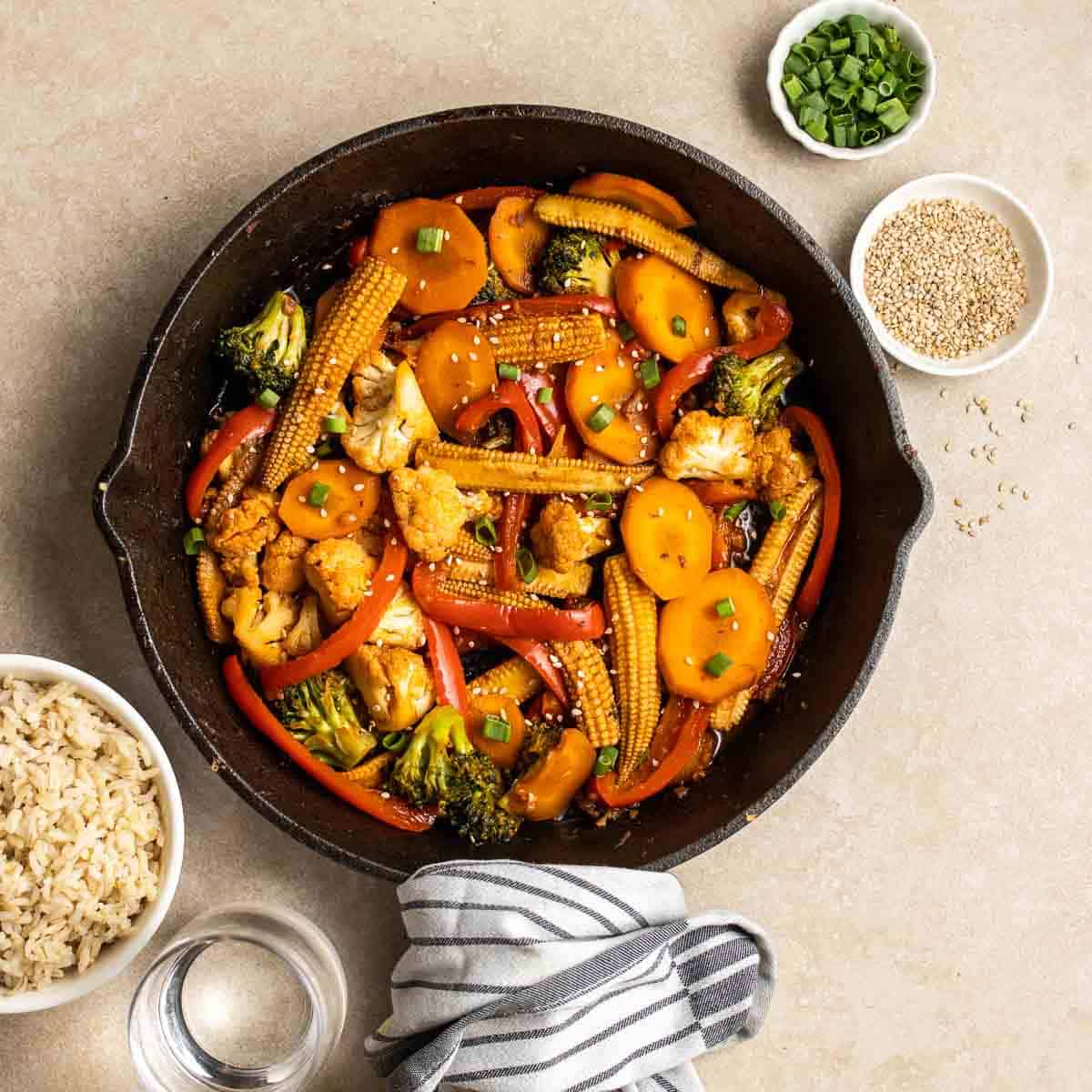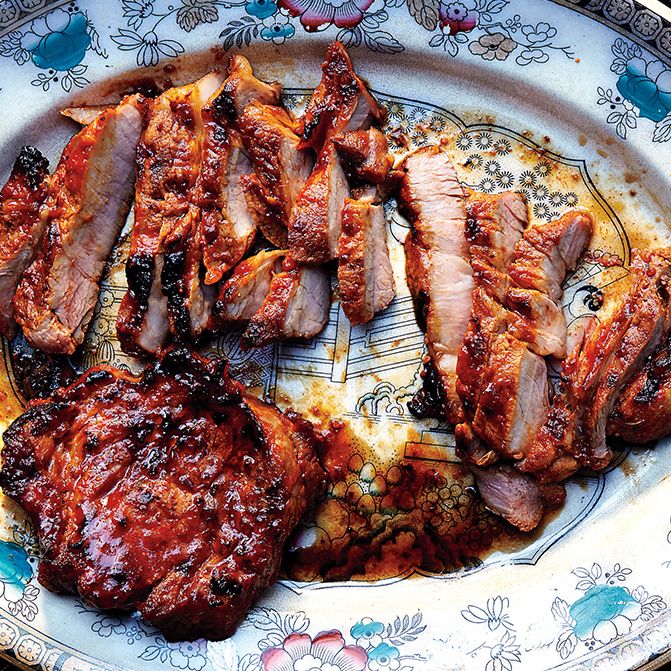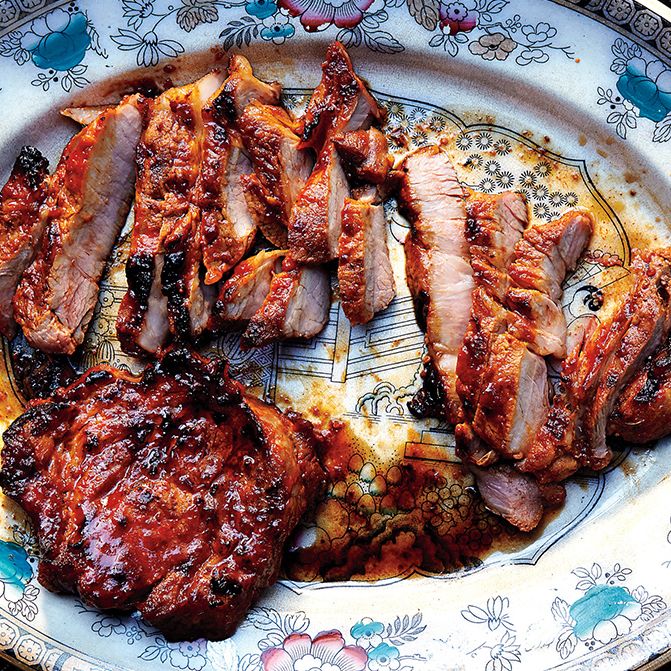
Craving something fiery, sweet, and surprisingly quick? This Korean pork gochujang stirfry gives you restaurantlevel flavor in under 30minutes. Grab a pan, follow the steps, and youll have a dish that feels both familiar and excitingperfect for a weeknight dinner or a weekend gettogether.
Below youll find the why, what, and how of this gochujang pork recipe, plus tips for tweaking the heat, cutting the sodium, and even giving it a Filipinostyle twist. Lets dive in, shall we?
Why This Recipe Works
Flavor Profile That Pops
The magic of gochujang lies in its balanced blend of sweetness, salt, umami, and heat. When paired with pork bellys rich fat, the sauce clings to every bite, creating a mouthwatering glaze thats both glossy and deep.
Nutritional Snapshot
A typical serving (about lb pork) provides roughly 35g of protein, 20g of fat, and a modest amount of carbs from the sauce. Gochujangs fermented chili peppers also contribute antioxidants that may support gut health.
Health Considerations
Because traditional gochujang contains sugar and soy sauce, the sodium and sugar can add up quickly. To keep things lighter, swap regular soy sauce for a lowsodium version and replace part of the sugar with a touch of honey or a natural sweetener like monk fruit. The result stays flavorful without the unwanted spike.
| Version | Key Differences | Flavor Impact |
|---|---|---|
| Traditional JeyukBokkeum | Fullstrength gochujang, regular soy, sugar | Bold, classic heat and sweetness |
| LightVersion | Lowsodium soy, reduced sugar, extra garlic | Same depth, less salty and sweet |
| FilipinoStyle Twist | Calamansi juice, dark soy, a dash of banana ketchup | Bright citrus note, slightly sweeter |
Core Ingredients Guide
Choosing the Right Pork
Thinly sliced pork belly (or shoulder) works best because the marbling keeps the meat juicy. If you prefer leaner cuts, pork tenderloin slices are an option, but you may need a splash of oil to avoid dryness.
Essential Seasonings
- Gochujang (Korean chili paste) cup. Look for a fermented version; the deeper the fermentation, the richer the umami.
- Soy sauce 1Tbsp. Choose a naturally brewed, lowsodium brand if youre watching salt.
- Sugar or honey 1Tbsp. Adjust to taste; honey adds a subtle floral hint.
- Garlic & ginger 2cloves minced, 1tsp grated. Fresh is a must for real aroma.
- Optional veggies broccoli, carrots, onions, or bell peppers for texture and color.
Ingredient Substitutions
If you cant find gochujang, Chinese doubanjiang mixed with a splash of Korean red pepper flakes (gochugaru) can mimic the heat and depth. For a plantbased version, use soybased pork strips and keep the same sauce.
StepbyStep Cooking
Preparation (10minutes)
Trim any excess fat from the pork belly, then slice it into bitesize strips about inch thick. In a bowl, whisk together gochujang, soy sauce, sugar (or honey), minced garlic, and grated ginger. Toss the pork in the mixture and let it rest for at least 15minutes; if you have time, a 30minute to 2hour chill in the fridge will deepen the flavor. According to the USDA FoodData Central, allowing meat to marinate even briefly can improve both texture and taste.
Cooking Technique (15minutes)
- Sear the pork: Heat a nonstick skillet over high heat, add a drizzle of oil, and spread the pork in a single layer. Let it sear without moving for 12minutes, then stirfry until the pieces are pink but just beginning to brown.
- Deglaze: Splash a splash of water or lowsodium chicken stock into the pan to lift the caramelized bits. This prevents the sauce from burning and adds a silky texture.
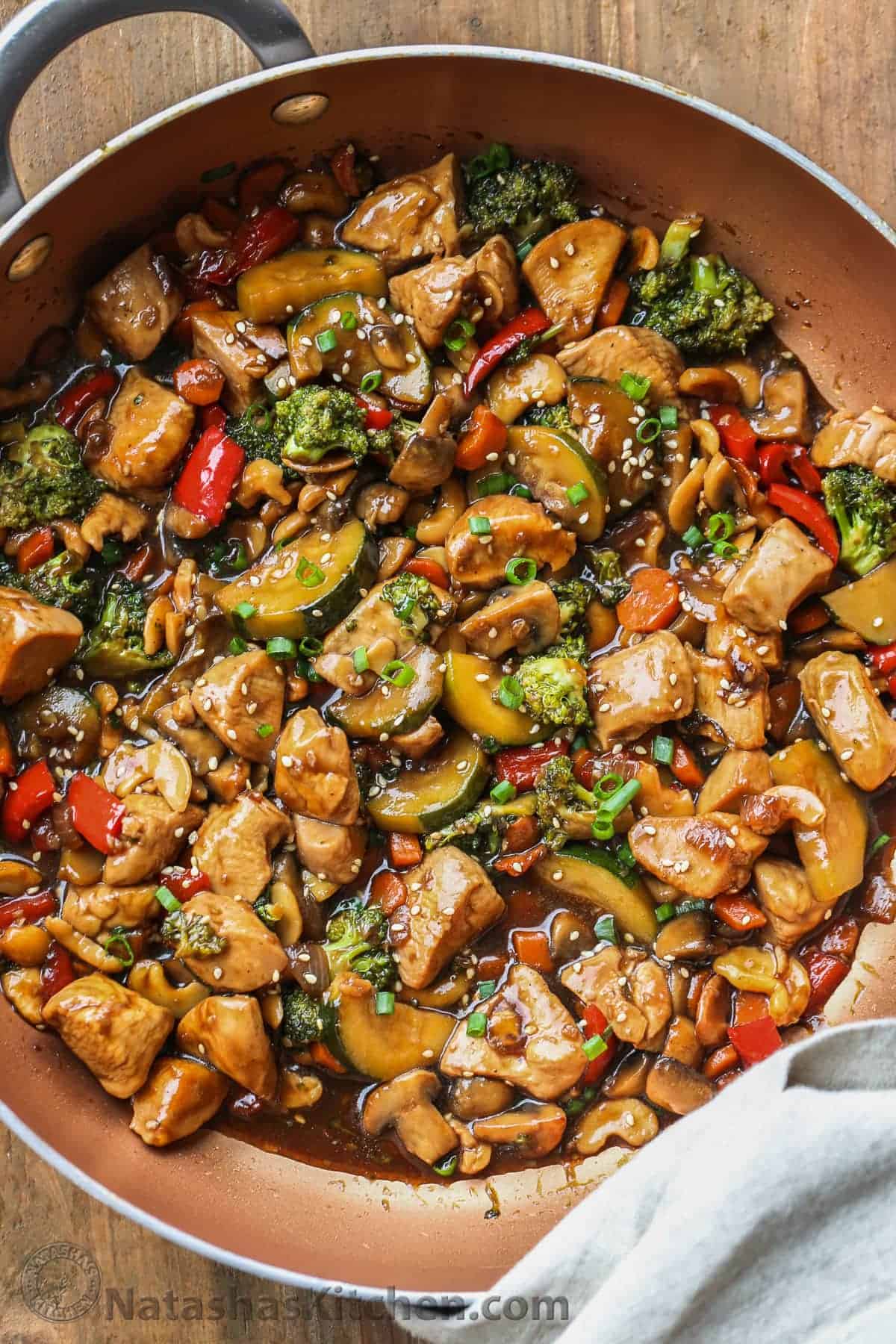
- Add veggies (if using): Toss in broccoli florets, sliced carrots, and onions. Stirfry for another 34minutes until the vegetables are crisptender.
- Finish the sauce: Pour the remaining marinade over the pork and vegetables. Reduce the heat to medium and let it bubble for 23minutes until the sauce thickens and coats everything in a glossy sheen.
Serving Ideas (5minutes)
- Over a bowl of steamed jasmine or shortgrain rice the classic Korean approach.
- Wrapped in lettuce leaves (ssam) with a dab of ssamjang for extra zing.
- As a filling for soft tacos, topped with kimchi and a squeeze of lime for a KoreanFilipino crossover.
Frequently Asked Questions
How spicy is gochujang pork?
Gochujang rates around 1,8002,000Scoville Heat Units, which is moderate. If you love heat, add extra gochugaru or a splash of Korean chili oil. For a milder dish, halve the gochujang and increase the sweetener.
Can I use ground pork instead of sliced pork?
Absolutely! Brown the ground pork first, then follow the same sauce steps. It works great for a quick pork rice bowl.
Whats the difference between jeyuk bokkeum and dwaejigogibokkeum?
Both are spicy pork stirfries, but jeyuk bokkeum typically uses thinner slices and a slightly sweeter sauce, while dwaejigogibokkeum (sometimes called Korean pork bulgogi) leans on a soybased, lessspicy glaze. Our recipe bridges the two, delivering the heat of jeyuk with the subtle sweetness of bulgogi.
How long can leftovers be stored?
In the refrigerator, the dish stays fresh for 34days. For longer storage, freeze in airtight containers for up to 2months. Reheat gently on the stovetop or in the microwave, adding a splash of water to revive the sauce.
RealWorld Experience Tips
My First Family Feast
The first time I served this gochujang pork at a family gathering, the kids were skeptical of the red color. One bite later, they were all asking for seconds. The only hiccup? I overmarinated the pork for 4hours, which made the meat a tad mushy. Lesson learned: keep the marinating window between 15minutes and 2hours for the best texture.
FilipinoStyle Adaptation
For a Philippine spin, I swapped half the soy sauce with dark soy, added a tablespoon of calamansi juice, and finished with a drizzle of banana ketchup. The result was a sweettangy standout that paired perfectly with garlic fried rice. According to the USDA, citrus juice can brighten highfat dishes, balancing richness.
Expert Insight
Chef JongHyun Lee (in an interview with a Korean culinary institute) recommends to taste the sauce before adding the pork; a wellbalanced gochujang mixture should have a subtle sweetness that never overpowers the chili heat. Incorporating this tip helped me achieve that perfect harmony.
Trusted Sources & Citations
Primary Recipes
We based the core technique on Maangchis celebrated DwaejigogiBokkeum video, which showcases the highheat sear that creates the caramelized glaze.
Scientific Backing
Studies from the National Institutes of Health highlight the probiotic benefits of fermented foods like gochujang, noting improvements in gut microbiota diversity.
Community Validation
Reading user comments on popular cooking forums confirmed that the 15minute marinating tip reduces bitterness and enhances the sauces depth.
Common Mistakes Avoided
| Mistake | Result | Solution |
|---|---|---|
| Overmarinating | Mushy texture | Limit marination to 15min2hrs |
| Cooking on low heat | Sauce stays watery | Start high, sear quickly, then reduce |
| Skipping deglaze | Burnt bits, uneven flavor | Add splash of water/stock before sauce |
Bonus Printable Card
Downloadable Recipe
Click the button below to get a clean, printable PDF of the full recipe, complete with a shopping checklist and stepbystep photos. (The PDF is hosted on a secure .org site for easy access.)
Download Korean Pork Gochujang Recipe Card
Conclusion
There you have ita flavorful, balanced, and genuinely satisfying gochujang pork stirfry that respects tradition while inviting creative twists. Whether youre adjusting the heat, swapping ingredients for a lighter version, or daring to blend Filipino citrus notes, the core technique stays the same: a quick sear, a glossy fermented sauce, and a finish that makes your taste buds dance.
Give it a try tonight, share your own variations with friends, and feel free to reach out if you have questions about customizing the recipe. Happy cooking, and enjoy the bold, comforting taste of Korean pork gochujang!
FAQs
What can I substitute for gochujang?
You can blend Korean red pepper flakes (gochugaru) with a bit of fermented soybean paste or use Chinese doubanjiang plus extra chili for similar depth.
How long should I marinate the pork?
Marinate for at least 15 minutes; 30 minutes to 2 hours gives the best flavor without making the meat mushy.
Can I make this dish low‑sodium?
Yes—use low‑sodium soy sauce, reduce added salt, and replace some sugar with honey or a natural sweetener.
Is this recipe suitable for a spicy‑lover?
Increase the heat by adding extra gochujang, gochugaru, or a drizzle of Korean chili oil; adjust to your taste.
What’s the best way to reheat leftovers?
Reheat gently in a skillet with a splash of water or stock, or microwave covered, stirring until the sauce is glossy again.