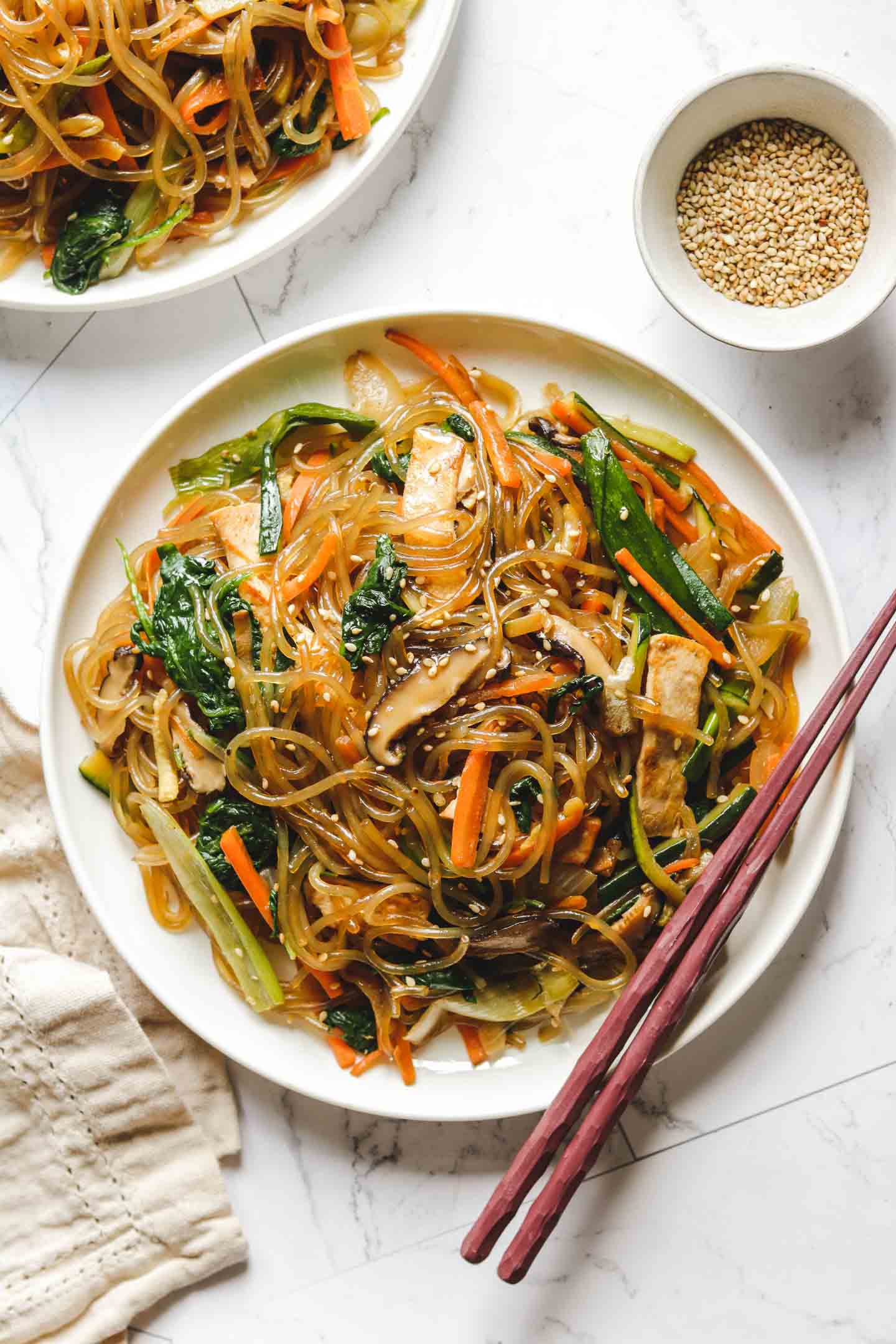
Looking for a plantbased take on a Korean classic thats ready in under 30 minutes? This japchae recipe vegetarian gives you sweetpotato glass noodles, crisp veggies, and a savorysweet sauceno meat, no dairy, all flavor. Grab the pantry staples below, follow the stepbystep guide, and youll have a nutrientpacked bowl that even meateaters love. Lets get stirfrying!
Why Choose Japchae
Health perks of glass noodles and veggies
Glass noodles (dangmyeon) are made from sweetpotato starch, which means theyre glutenfree and low in fat. A cup of cooked noodles provides about 150 calories, 0g of protein, and a modest amount of fiber. Pair that with carrots, bell peppers, and spinach, and youve got a colorful mix of betacarotene, vitaminC, and ironall the good stuff your body craves after a busy day.
Keeping the Korean spirit alive
Traditional japchae uses beef, but a thoughtful plantbased swap can keep the dishs smoky, slightly sweet character. By using tofu or shiitake mushrooms for umami, you still capture that authentic depth without compromising your dietary choices.
Balancing concerns
Worried about gluten? Stick with certified dangmyeon and a glutenfree soy sauce (tamari). Need more protein? Firm tofu or a handful of tempeh gives you roughly 810g per serving. I first tried this combo at a potluck and was amazedpeople asked, Is this really vegetarian? and I got a round of applause.
Core Ingredients
Musthave japchae ingredients
Heres what youll need for a single serving (adjust up or down as you like):
- 200g dry glass noodles (dangmyeon)
- 1cup thinly sliced carrots
- 1cup julienned red or yellow bell pepper
- 1cup fresh spinach leaves
- cup thinly sliced onion
- 200g firm tofu, pressed and cubed (or 150g sliced shiitake mushrooms)
- 2Tbsp sesame oil, divided
- 1tsp toasted sesame seeds for garnish
Japchae sauce recipe
A good sauce makes the difference between meh and wow. Whisk together:
- 2Tbsp lowsodium soy sauce (or tamari for glutenfree)
- 1Tbsp rice vinegar
- 1Tbsp pure maple syrup or honey
- 1tsp sesame oil
- tsp freshly ground black pepper
- Optional: tsp gochujang for a gentle kick
Taste and adjust a touch more maple syrup if you like it sweeter, or a splash more soy sauce for saltiness.
Tools youll love
A wide wok or a large nonstick skillet works best. A wooden spatula makes tossing easy, and a colander is essential for draining the noodles quickly.
StepbyStep Guide
Prep the veggies and tofu
Start by slicing everything thinly think matchstick size for carrots and bell peppers, and a quick shred for spinach. Press the tofu between paper towels, then cube it into bitesize pieces. This prep only takes 57 minutes, and the uniform sizes ensure everything cooks evenly.
Cook the glass noodles perfectly
Bring a pot of water to a rolling boil. Add the dangmyeon and stir gently. Theyll soften in 34 minutes watch them; you dont want them mushy. Once tender, drain in a colander, rinse under cold water, and toss with 1Tbsp sesame oil to keep them from sticking.
Make the sauce and set aside
Combine the soy sauce, rice vinegar, maple syrup, sesame oil, and pepper in a small bowl. If you love heat, stir in gochujang now. I keep the sauce in a separate bowl so I can adjust the flavor while the veggies are cooking.
Stirfry the veggies and tofu
Heat the remaining 1Tbsp sesame oil in the wok over high heat. Add the onions first theyll release sweet aroma within 30 seconds. Toss in carrots; stir for 1 minute. Follow with bell peppers and mushrooms (or tofu). Keep everything moving; you want crisptender texture, not soggy.
Combine everything
Slide the cooked noodles into the wok, pour the sauce over the top, and toss everything together for 23 minutes. The noodles should glisten, and the veggies should stay bright. A final sprinkle of toasted sesame seeds and a few sliced green onions adds fragrance and a pop of color.
Serving ideas
Serve hot, straight from the wok, or let it cool to room temperature for a refreshing saladstyle dish. A side of kimchi or a quick cucumberradish slaw balances the sweetsavory notes nicely.
Variations & FAQs
Thaistyle glass noodle twist
If youre craving a bit of Thailand, swap soy sauce for tamari plus a splash of lime juice, toss in fresh Thai basil, and finish with crushed peanuts. The result is a fragrant, tangy spin that still feels like japchae at heart.
Glutenintolerant friendly?
Absolutely. Use certified glutenfree dangmyeon and tamari. The texture stays the same; the flavor just shifts slightly toward the umami of the tamari. For detailed nutrient info on glass noodles and other ingredients, check the USDA food composition data database to compare values and make swaps confidently.
Storing leftovers safely
Cool the dish to room temperature within an hour, then transfer to an airtight container. It keeps well in the fridge for up to three days. When reheating, add a splash of water or broth and stirfry quickly to revive that glossy finish.
Vegan vs. vegetarian japchae
Traditional Korean japchae sometimes includes a scrambled egg for extra richness. In a vegan version, you skip the egg and might add a drizzle of toasted sesame oil for that silky mouthfeel. Below is a quick comparison:
| Aspect | Vegetarian | Vegan |
|---|---|---|
| Egg | Often included (scrambled) | Never used |
| Protein source | Tofu + egg | Tofu only |
| Flavor depth | Egg adds richness | Rely on sesame & sauce |
Expert Insights
What Korean chefs say
Maangchi, a wellknown Korean homecooking influencer, notes that the key to great japchae is cooking the noodles just long enough to stay springy. Her vegetarian japchae version swaps beef for tofu while keeping the nutty sesame finish. (See her video for a visual guide.)
Nutrition data from trusted sources
According to the , a typical serving of this vegetarian japchae provides roughly 350kcal, 12g protein, 45g carbs, and 12g fat a balanced macro profile for a main dish.
Community validation
Reddits r/vegetarian community often shares their own tweaks a common suggestion is to add a handful of edamame for extra protein and a splash of toasted sesame oil right before serving. The Korean Vegan blog also praises the dish for its comfortfood vibes without sacrificing health.
Common Mistakes & How to Fix Them
Overcooking the noodles
If the noodles sit in hot water too long they turn mushy. The secret is a quick rinse under cold water the moment theyre al dente, then a toss with oil.
Skipping the oil coating
Without a thin layer of sesame oil, the noodles can cling together and become a sticky mess. A tablespoon does the trick.
Using lowquality soy sauce
Cheap soy sauce can be overly salty and flat. I recommend a reputable brand like Kikkoman or SanJ for consistent flavor.
Quick Reference Printable Recipe Card
Ingredients
- 200g dry glass noodles
- 1cup carrots, sliced
- 1cup bell pepper, julienned
- 1cup spinach
- cup onion
- 200g tofu, cubed
- 2Tbsp soy sauce (or tamari)
- 1Tbsp rice vinegar
- 1Tbsp maple syrup
- 1tsp sesame oil + 1Tbsp for noodles
- Sesame seeds, green onions for garnish
5Step Method
- Prep veggies & tofu; press tofu.
- Boil noodles 34min, rinse, toss with oil.
- Whisk sauce ingredients.
- Stirfry onions, carrots, peppers, tofu; add spinach.
- Add noodles & sauce, toss 23min, garnish, serve.
Nutritional Snapshot (per serving)
- Calories: ~350kcal
- Protein: 12g
- Carbohydrates: 45g
- Fat: 12g (mostly healthy sesame oil)
- Fiber: 5g
Conclusion
There you have ita quick, easy, and genuinely tasty vegetarian japchae that checks every box: healthful, authenticflavored, and flexible enough to suit glutenfree, vegan, or classic preferences. Give the base recipe a go, then experiment with Thai twists, extra proteins, or a dash more gochujang if you like heat. Id love to hear how you make it your ownwhat veggies did you add? Which garnish stole the show? Share your spin, and lets keep the conversation cooking!
FAQs
What are the main ingredients for a vegetarian japchae?
The key components are sweet‑potato glass noodles (dangmyeon), sliced carrots, bell peppers, spinach, onion, and tofu or shiitake mushrooms, plus a soy‑maple sauce.
Can I make this recipe gluten‑free?
Yes—use certified gluten‑free dangmyeon and tamari (gluten‑free soy sauce) instead of regular soy sauce.
How long should the glass noodles be cooked?
Boil the noodles for about 3–4 minutes until they’re just al dente, then rinse with cold water and toss with a bit of sesame oil.
What can I add to boost the protein content?
Include extra firm tofu cubes, tempeh, or a handful of edamame; each adds roughly 8‑10 g of protein per serving.
How do I store leftovers without them getting soggy?
Cool the dish to room temperature, place it in an airtight container, and refrigerate for up to three days. Reheat quickly in a skillet with a splash of water or broth.