Looking for a flavorful dinner thats ready in half an hour? Heres the fastest, most comforting gochujang udon stir fry you can throw together after work spicy, silky, and totally customizable. Well walk through the exact ingredients, stepbystep cooking, and three tasty twists (carbonara, creamy, bacon) so you can make the dish your own.
Why It Works
Before we dive in, lets talk about why this stir fry is a winwin. The thick, chewy udon noodles soak up the sweetheat of gochujang, while a quick flashfry keeps everything crisp and fresh. Its highprotein, easy on the pantry, and perfect for busy evenings.
| Benefit | Potential Risk |
|---|---|
| Highprotein udon keeps you full longer | Too much gochujang can raise sodium intake |
| Capsaicin may boost metabolism | Spiciness might irritate sensitive stomachs |
| Quickcook noodles save you time | Overcooking udon makes it gummy |
| Veggie addins add fiber and micronutrients | Premade sauce may contain hidden sugars |
Balancing these points is simple: use a moderate amount of gochujang, rinse the noodles quickly, and add plenty of veggies. According to the nutrition guide, a typical serving of udon provides around 200 calories and 7g of protein, making it a solid base for a balanced meal.
Core Ingredients
Main Staples
- Udon noodles fresh or frozen; the chewy texture is essential.
- Gochujang paste the Korean fermented chili paste that gives the dish its signature kick.
- Neutral oil (canola or grapeseed)
- Soy sauce, mirin, garlic, scallions
Flavor Boosters
- Gochujang udon carbonara Parmesan, butter, and crisp bacon bits create a creamysavory hybrid.
- Creamy gochujang udon a splash of heavy cream or coconut milk adds richness without masking the heat.
- Optional proteins: shrimp, tofu, or sliced chicken breast.
- Veggies you love mushrooms, bell peppers, spinach, snap peas.
Ingredient Substitutes
If youre glutenfree, swap udon for riceflour noodles. Lowsodium soy sauce or a homemade reducedsalt gochujang keep the sodium in check.
StirFry Steps
Prep the Noodles
Boil the udon according to the package, then drain and rinse under cold water. This stops the cooking process and prevents the noodles from sticking together.
Build the Sauce
In a small bowl, whisk together 2tablespoons gochujang, 1tablespoon soy sauce, 1teaspoon mirin, a splash of ricevinegar, teaspoon sesame oil, and a pinch of brown sugar. Adjust the sweetness to taste a little honey works wonders if you love a balanced flavor.
Saut Aromatics
Heat a tablespoon of neutral oil in a large wok or skillet over mediumhigh heat. Toss in minced garlic and thinly sliced scallions. Youll hear a gentle sizzle that signals the base of flavor is forming.
Add Veggies & Protein
Slide in your chosen veggies and protein. If youre using bacon for the creamy version, cook it first until crispy, then set aside. The goal is crisptender vegetables should still have a bite.
Toss Noodles & Sauce
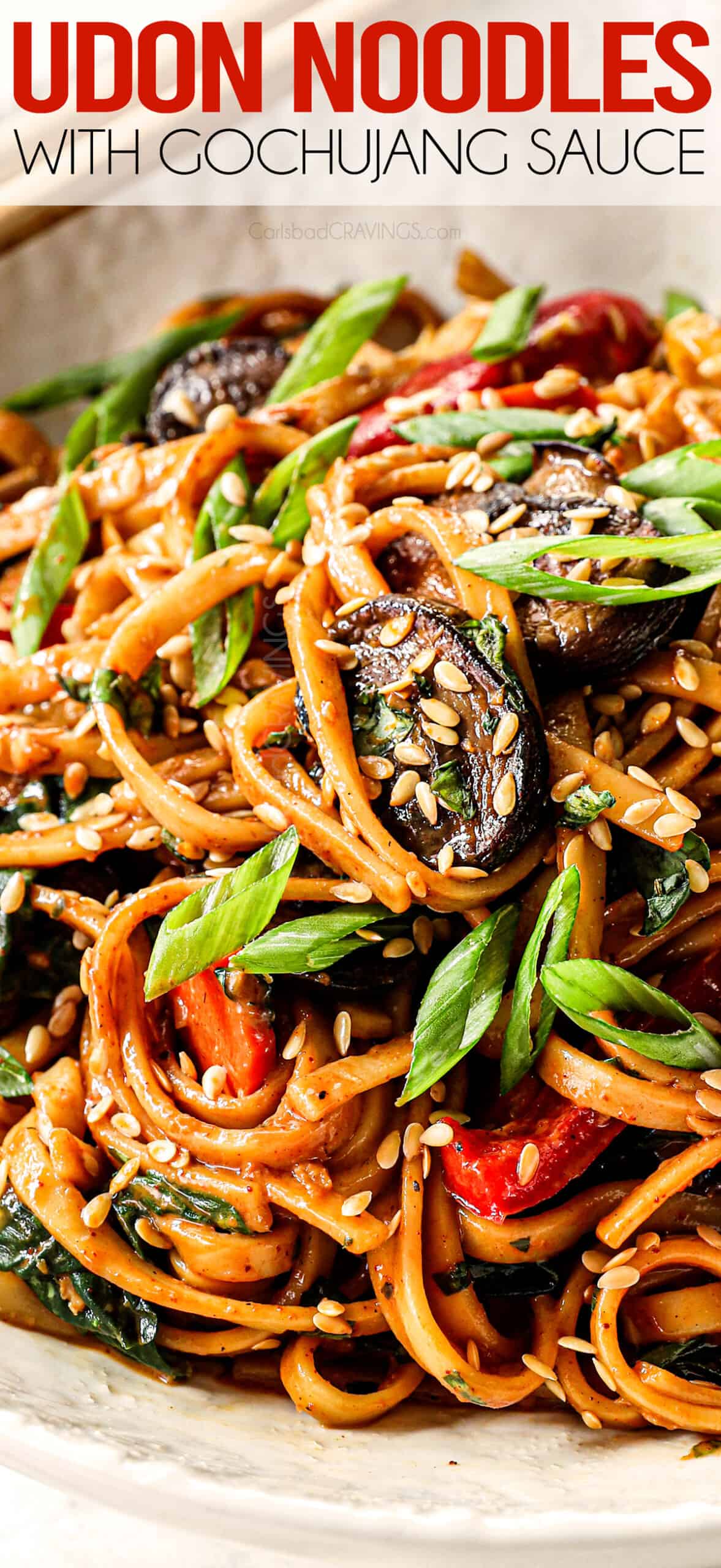
Add the rinsed udon to the pan, then pour the gochujang sauce over everything. Stirfry briskly for 23minutes, letting the sauce coat each strand. Finish with a sprinkle of toasted sesame seeds and a drizzle of extra sesame oil for sheen.
Timing CheatSheet
- Noodles 2min (after boiling)
- Aromatics 30sec
- Veggies 12min
- Final toss 2min
Visual Cue Checklist
- Sauce glossy, not watery
- Noodles lightly oilshimmering
- Veggies bright, not overcooked
Flavor Variations
Gochujang Udong Carbonara
After the basic stir fry, stir in cup grated Parmesan, 1tablespoon butter, and the crispy bacon bits you set aside. The cheese melts into a silky veil that mellows the heat while keeping the dish indulgent.
Creamy Gochujang Udong with Bacon
Swap the soymirin blend for cup heavy cream (or coconut milk for a dairyfree twist). Add the baconcrisps, and watch the sauce turn luxuriously smooth. This variation is perfect for those craving comfort food with a Korean flair.
Vegan RoastedGarlic Gochujang Udon
Skip the animal products, roast a head of garlic until caramelized, and fold it into the sauce. Toss in tofu cubes and a handful of kale for a plantbased powerhouse.
SoupStyle Gochujang Udon
Thin the sauce with 1cup lowsodium vegetable broth, let it simmer for a minute, and youve got a warming gochujang udon soup. Perfect for chilly evenings.
Comparison Table
| Variation | Prep Time | Calories (approx.) | Key Ingredient |
|---|---|---|---|
| Basic Stir Fry | 30min | 420 | Gochujang |
| Carbonara | 35min | 560 | Parmesan & Bacon |
| Creamy Bacon | 35min | 610 | Heavy Cream |
| Vegan Garlic | 35min | 380 | Roasted Garlic |
| Soup | 40min | 350 | Broth |
Nutrition Snapshot
Macro Breakdown (per serving)
- Calories: ~420kcal
- Protein: 12g
- Carbohydrates: 68g
- Fat: 12g (mostly from oil and optional bacon)
Sodium Watch
One tablespoon of commercial gochujang can contain 350mg of sodium. To cut back, choose a lowsodium version or dilute the paste with a splash of water. Adding fresh vegetables also helps balance the overall salt load.
Dietary Adaptations
- Glutenfree: Use riceflour noodles or shirataki noodles.
- Vegan: Replace the sauces soy base with tamari, skip the bacon, and add smoked tofu for depth.
- Lowcalorie: Reduce oil, use cauliflower rice as a filler, and limit the amount of gochujang to one teaspoon per serving.
Expert Tips & Common Mistakes
Prevent Soggy Noodles
Rinse the boiled udon under cold water and toss it with a tiny drizzle of oil before stirfrying. This keeps each strand separate and gives a nice bite.
Balance Heat & Sweetness
If the sauce feels too fiery, a teaspoon of honey or a splash of maple syrup smooths the edge without muting the Korean flavor.
When to Add the Sauce
Pour the sauce after the veggies are about 80% done. This ensures the sauce clings and the vegetables stay crisptender.
FAQ: Can I Use Instant Ramen?
You could, but udons thick texture really shines with gochujang. Ramen noodles absorb the sauce too quickly and can become mushy, which isnt the experience were after.
Where to Find Gochujang & Udon
Online Specialty Stores
Websites like Hmart or KoreanMart ship authentic gochujang straight to your door. Look for labels that mention traditionally fermented for the deepest flavor. For recipes and background on Korean ingredients, check this Korean food resource to learn more about ingredients and traditional uses.
Local Supermarkets
Check the international aisle for Korean chili paste. If youre in the U.S., many larger chains now stock udon in the refrigerated noodle section.
Make Your Own Gochujang
For the adventurous, a simple home version uses gochugaru (Korean red pepper flakes), fermented soybean paste, rice flour, and a touch of sweetener. Detailed instructions can be found on the . The costdifference is modest, and youll gain control over salt and spice levels.
CostComparison
| Source | Price (USD) | Notes |
|---|---|---|
| Storebought gochujang (8oz) | 57 | Readytouse, consistent flavor |
| Homemade (ingredients for 8oz) | 34 | Lower sodium, customizable heat |
Final Thoughts
There you have it a quick, spicy gochujang udon stir fry that fits into any schedule, any diet, and any flavor mood. Whether you keep it classic, go creamy with bacon, or swap the sauce for a comforting soup, the core idea stays the same: bold Korean heat meets chewy Japanese noodles in a single pan.
Give it a try tonight. Toss in the veggies you love, adjust the heat level to your personal tolerance, and dont be afraid to experiment with the variations. If you end up creating a version you adore, share it with friends or tag us on social media with #GochujangUdon. Your next favorite weeknight dinner is just a stirfry away!
FAQs
Can I use other noodles instead of udon?
Yes! Substitute thick rice noodles, soba, or gluten‑free rice‑flour noodles for a similar bite, but udon’s chewiness pairs best with gochujang.
How spicy will the dish be?
Gochujang provides moderate heat with a sweet‑fermented depth. Adjust the spice by using 1–2 tbsp of paste or adding extra honey to mellow it.
What’s a good way to lower the sodium?
Choose a low‑sodium soy sauce or tamari, use a reduced‑salt gochujang, and dilute the sauce slightly with water or unsalted broth.
Can I make this recipe completely vegan?
Absolutely—omit the bacon, use tamari instead of soy sauce, add tofu or tempeh for protein, and finish with toasted sesame seeds.
How should leftovers be stored and reheated?
Cool the stir‑fry to room temperature, then refrigerate in an airtight container for up to 3 days. Reheat quickly in a hot pan with a splash of water or broth to restore moisture.