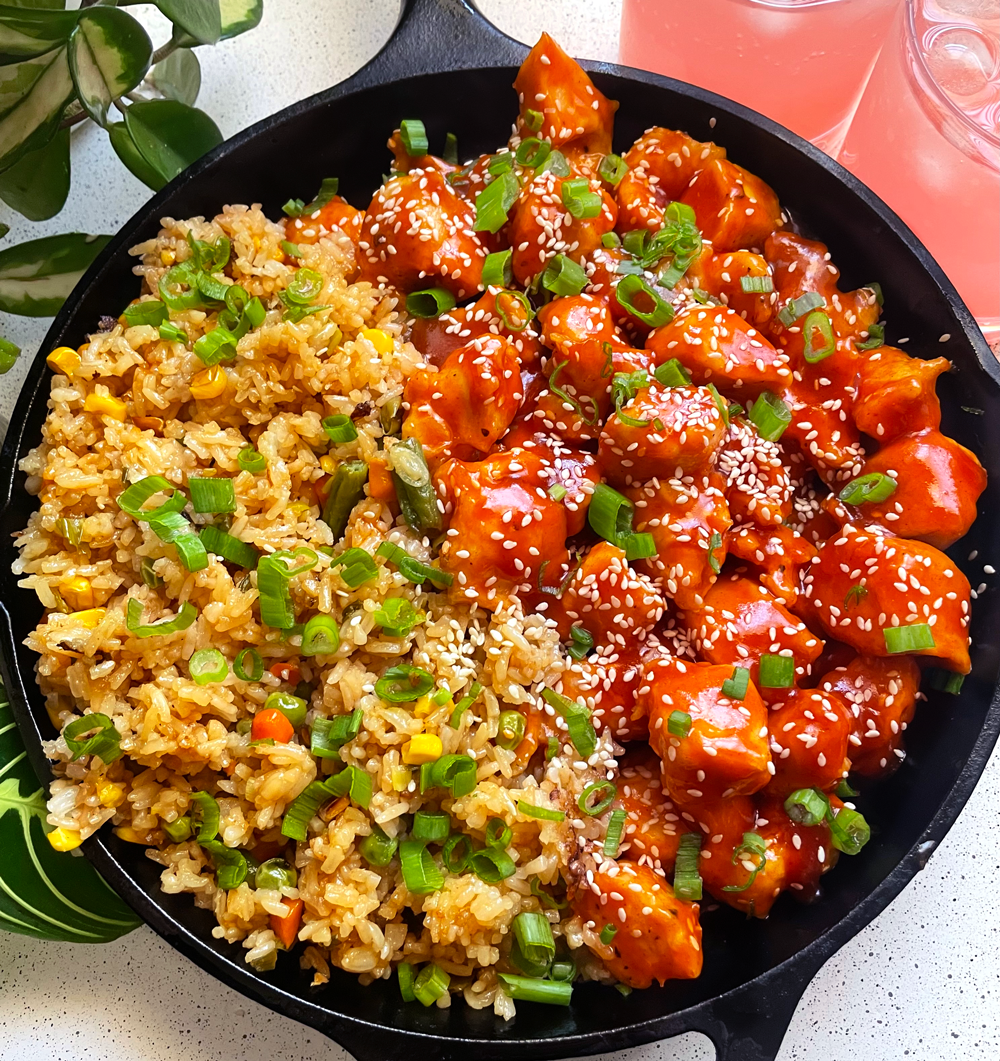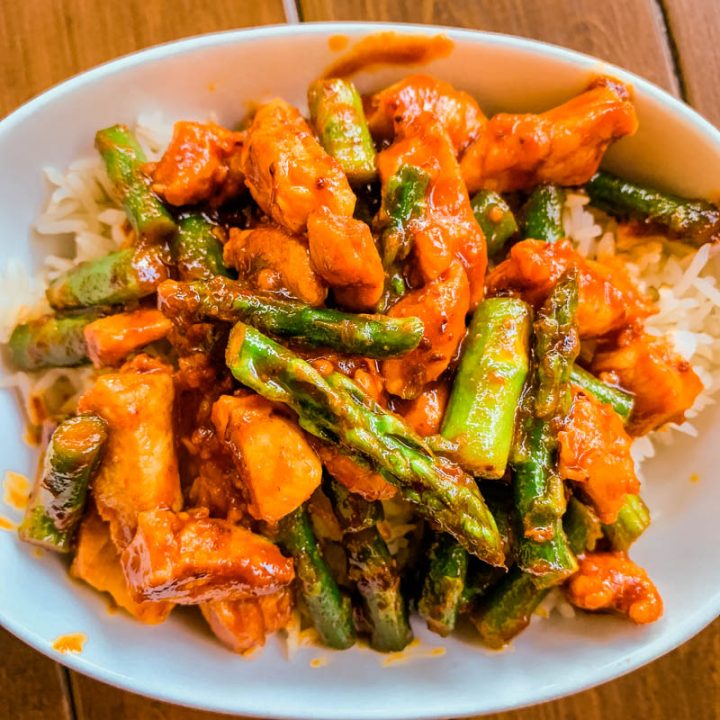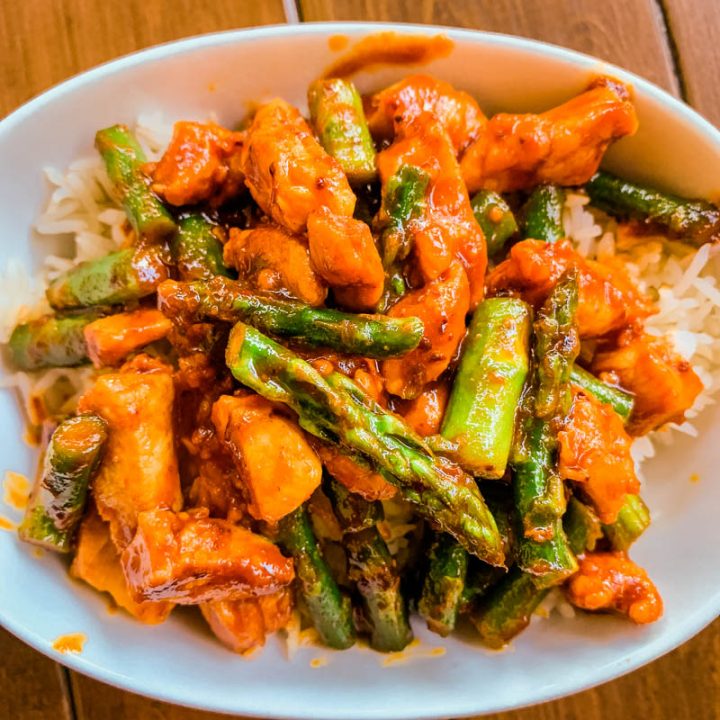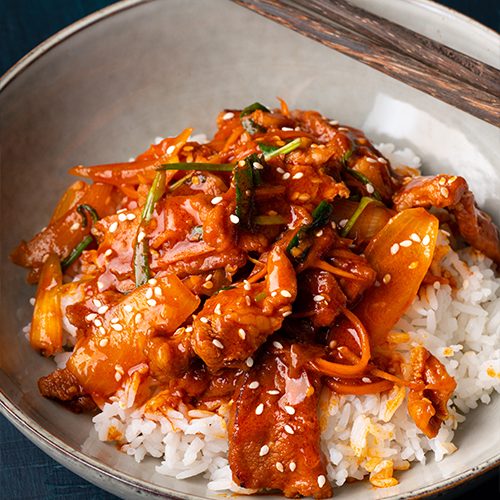
Craving a spicy, sticky pork stirfry thats ready while youre heating the water for rice? In just 20 minutes youll have tender pork, crisp veggies, and a sweetheat gochujang sauce that feeds two to three hungry people. No fancy equipment, no mystery ingredientsjust pork shoulder, a handful of garden veg, and pantry staples. Lets go stepbystep so you can plate up confidence, not confusion.
Why This Dish Pops
Jeyukbokkeum () is the Korean answer to a midweek miracle: its quick, its bold, and it sings with flavor. The secret is that sticky gochujang glaze, which marries the deep umami of soy sauce with the bright heat of fermented chilies. Pair that with the natural crunch of carrots, cabbage, and bell pepper, and youve got a textural dance that keeps every bite interesting.
Whats even better? The dish is totally adaptable. Whether youre a fan of the classic korean spicy pork recipe, you want to try a spicy pork stir fry chinese spin, or youre curious about a korean pork recipe filipino style, the base method stays the same. Just swap a few ingredients, and youre on a new culinary adventure without starting from scratch.
Core Ingredients
| Category | Example | Why It Matters | Where to Find |
|---|---|---|---|
| Protein | Pork shoulder or pork belly, thinly sliced | More marbling = juicier bite (cite USDA nutrient data) | Local butcher or Asian market |
| Veggies | Napa cabbage, carrots, bell pepper, onion, green chili | Adds texture & balances heat (nutritionist insight) | Farmers market or frozen veg aisle |
| Sauce Base | Gochujang, soy sauce, ricevinegar, honey, sesame oil | Signature Korean umamisweetspicy profile | Korean grocery aisle |
| Optional Extras | Roasted peanuts, toasted sesame seeds, kimchi | Crunch & probiotic boost (see a study from the USDA) | Grocery store bulk bins |
StepbyStep
Preparation
First, whisk together 2Tbsp gochujang, 1Tbsp lowsodium soy sauce, 1tsp honey, 1tsp minced garlic, and tsp toasted sesame oil. Toss the sliced pork in this mixture and let it sit for 10 minutes. While the pork marinates, slice all vegetables into uniform inch stripsthis ensures they cook at the same speed and stay crisp.
Cooking
Heat a large wok or a wide skillet over mediumhigh heat and add 1Tbsp sesame oil. When the oil shimmers, spread the pork in a single layer. Let it sear for 23 minutes without moving it; youll see a nice caramelized edge appearthis is flavor gold. Transfer the pork to a bowl and set aside.
Now add the veggies to the same pan. A quick 2minute stir keeps the cabbage bright, followed by a brief 1minute steam (cover the pan) to soften the carrots just enough. The goal is tendercrisp, not mush.
Finishing
Deglaze the pan with cup water and a splash of ricevinegar. Stir in the remaining gochujangmarinade, letting the sauce bubble for a minute. Return the pork to the wok, toss everything together, and watch the glaze thicken and cling to each piece. If you like an extra glossy finish, whisk 1tsp cornstarch with 2tsp cold water and stir it in before the final minute.
Chef Tip
Chef ChrisCho (of Food Network) swears by dryheat first, then steam to keep veggies bright. Also, if you prefer less heat, halve the gochujang and add a dash of Korean sukju (sweet rice wine) for a mellow sweetness.
Common Mistakes & Fixes
| Mistake | Symptom | Quick Fix |
|---|---|---|
| Overcrowding pan | Steamed, soggy pork | Cook in batches; keep heat high |
| Sauce too thin | No glaze | Finish with a cornstarch slurry |
| Veggies too soft | Lost crunch | Add a pinch of salt midcook to draw moisture out |
Nutritional Snapshot
Macro Breakdown (per serving)
Calories: ~380kcal
Protein: 24g
Carbs: 22g (mostly from veggies & gochujang)
Fat: 18g (healthy monounsaturated from pork & sesame oil)
Benefits of the Core Ingredients
Pork supplies highquality protein, Bvitamins, and zincgreat for muscle repair. Gochujang, a fermented chili paste, brings probiotics and capsaicin, which studies show can lift metabolism (NIH). The veggies deliver fiber, vitaminC, and betacarotene, supporting immune health and eye function.
Potential Risks & Mitigation
Because soy sauce adds sodium, use a lowsodium version or limit added salt if youre watching blood pressure. If you have a sensitive stomach, reduce the gochujang or add a drizzle of honey to tame the heat. Balance is keyenjoy the bold flavor without overloading on salt or spice.
Variations & Pairings
Regional Twists
Filipinostyle Korean pork: Stir in a splash of bagoong (fermented shrimp paste) for deeper umami. Chinesestyle spicy pork: Swap gochujang for Doubanjiang and finish with Sichuan peppercorns for that tonguetingling buzz.
Side Dishes
Serve your Jeyukbokkeum over steamed shortgrain rice for a classic comfort bowl, or wrap portions in lettuce leaves and perilla leaves for a fresh, handheld twist. Leftovers become a tasty addition to kimchi fried ricea secondday hack that turns anything into a new meal.
Comparison Table
| Element | Classic Korean | Chinese Spicy Pork | FilipinoStyle |
|---|---|---|---|
| Heat Base | Gochujang | Doubanjiang + chili oil | Gochujang + Bagoong |
| Sweetener | Honey | Brown sugar | Palm sugar |
| Typical Veg | Cabbage, carrot, bell pepper | Bokchoy, bell pepper | Green beans, onion |
| Garnish | Peanuts, sesame seeds | Scallions, cilantro | Fried garlic |
Conclusion
You now have a fast, balanced, and authentically Korean stirfry that fits any weeknight schedule. By mastering the quick marinate, highheat sear, and sweetspicy gochujang glaze, youll serve up tender pork, crunchy vegetables, and a flavor punch that beats takeout. Remember the health pointersmoderate sodium, tweak the heat to your tolerance, and enjoy the proteinrich, probioticboosted benefits. Feel free to experiment with the Filipino or Chinese twists, pair the dish with rice or lettuce wraps, and make it your own. Happy cooking, and may every bite bring a little Seoulside comfort to your table!
FAQs
What cut of pork works best for this stir‑fry?
Thinly sliced pork shoulder or pork belly gives the most flavor and juiciness because of its natural marbling.
Can I make this dish less spicy?
Yes—reduce the gochujang by half and add a teaspoon of honey or a splash of Korean sweet rice wine (sukju) to balance the heat.
Is it possible to freeze the leftovers?
Absolutely. Let the stir‑fry cool, transfer to an airtight container, and freeze for up to 2 months. Reheat in a skillet with a splash of water.
What vegetables can I swap in if I don’t have napa cabbage?
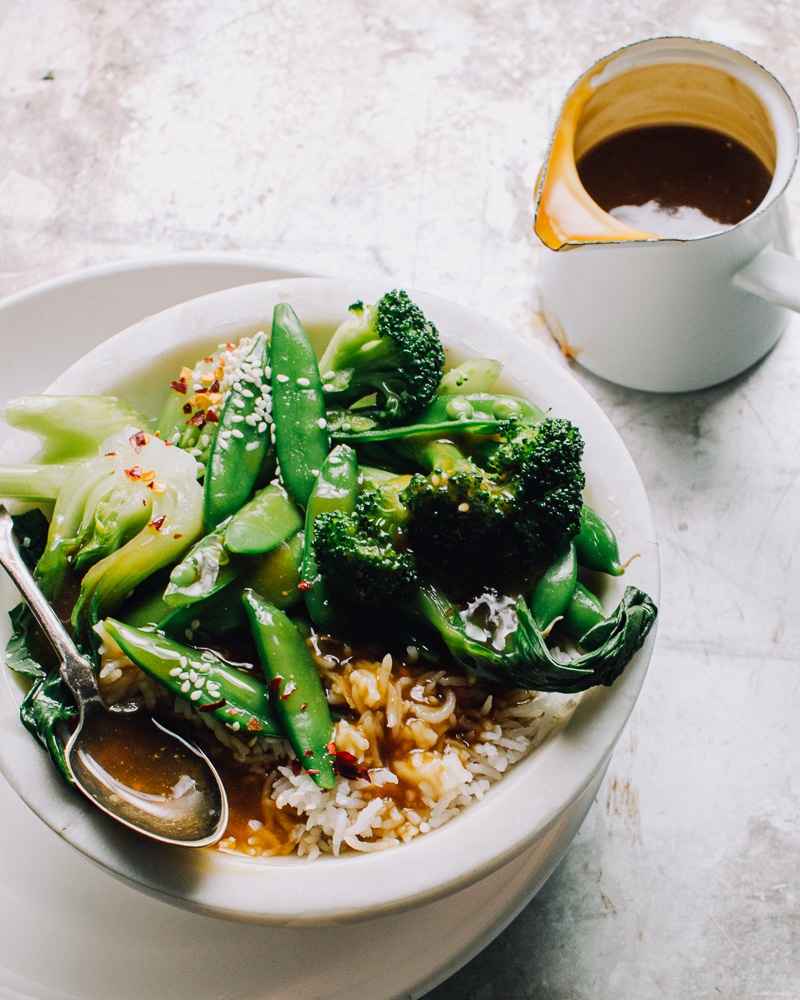
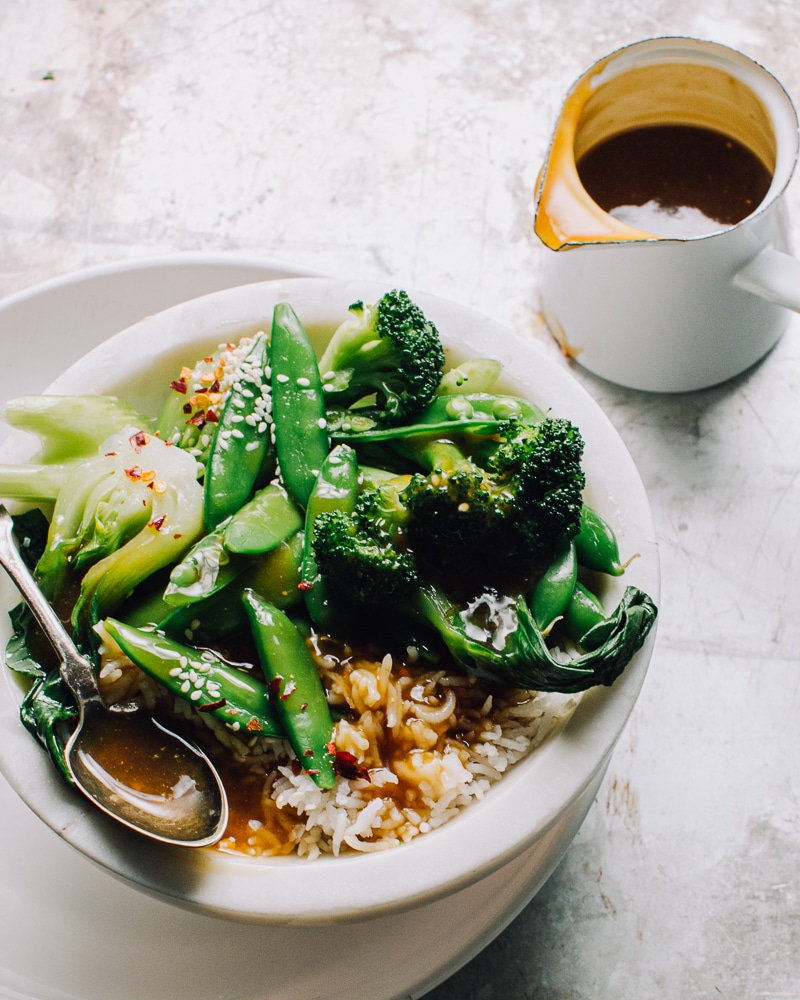
Broccoli florets, bok choy, snap peas, or zucchini work great—just keep the pieces uniform so they cook quickly and stay crisp.
How do I achieve that glossy sauce without cornstarch?
Finish the glaze with a drizzle of sesame oil and a quick reduction over high heat; the natural sugars in gochujang will thicken and shine.