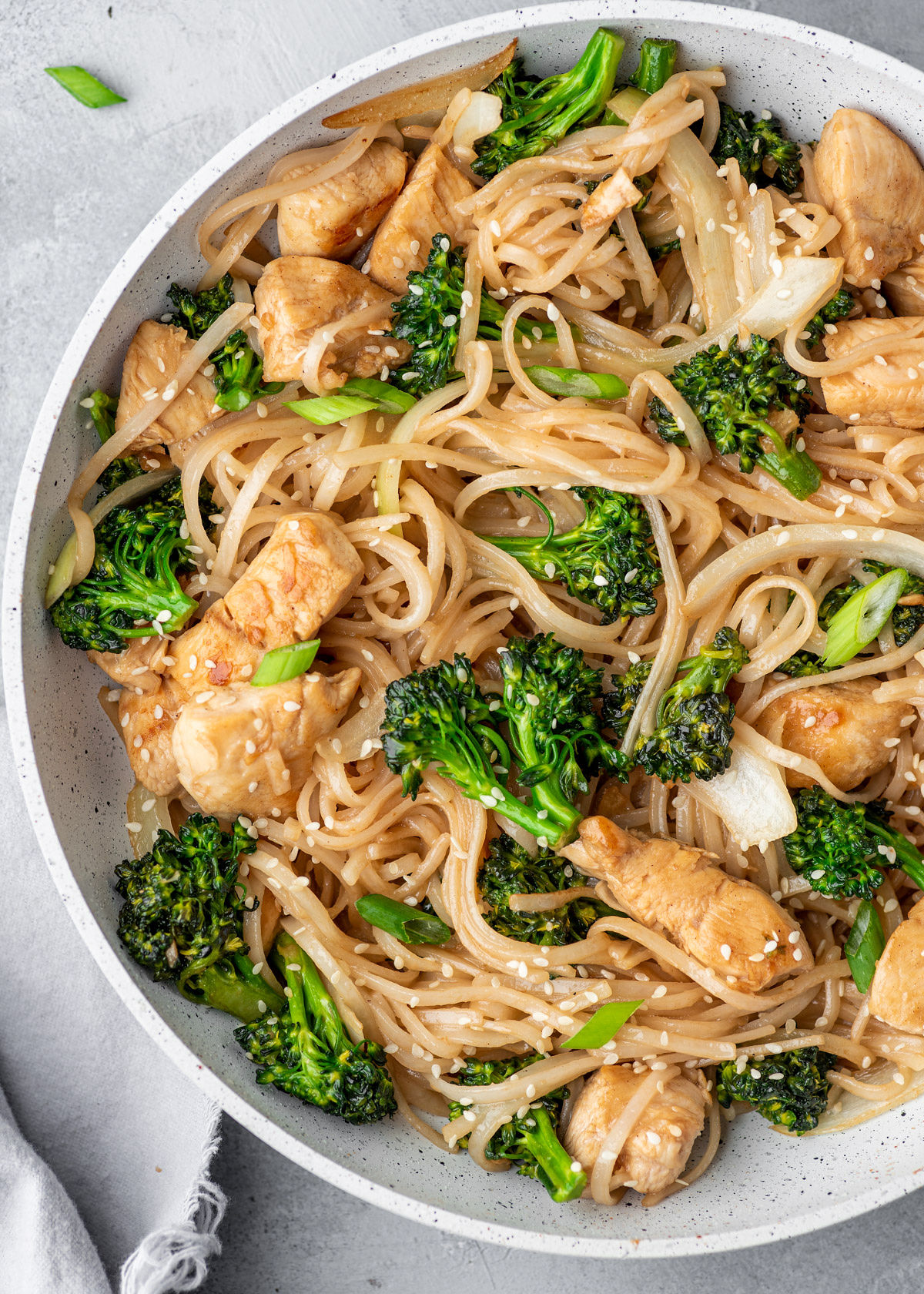
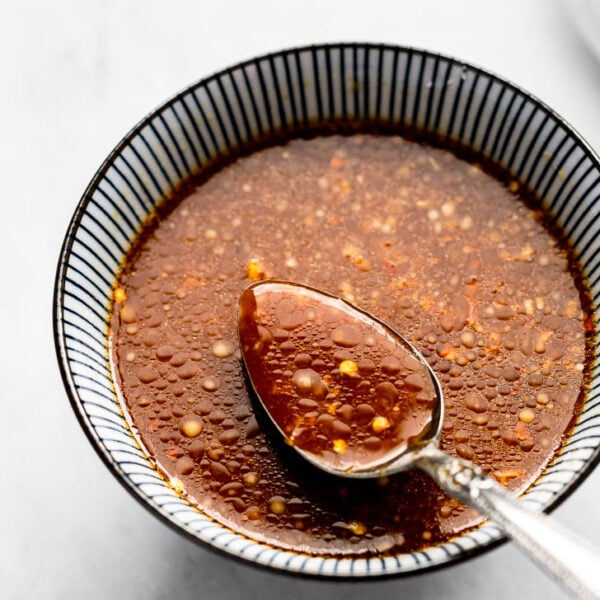
Looking for a weeknight dinner thats crunchy, packed with veggies, and has that satisfying kick of gochujang? This Korean vegetable stir fry comes together in under 30minutes, uses pantryfriendly ingredients, and leaves a glossy, flavorful sauce youll want to make over and over.
In the next few minutes Ill walk you through the exact sauce recipe, the best vegetable combos, and three easy twists (tofu, noodles, or a glutenfree version) so you can customize the dish to your diet without any guesswork. Ready to fire up the wok?
What Makes It Different
Signature Flavors
The heart of any Korean stirfry is the balance of sweet, salty, spicy, and nutty. Gochujang (fermented Korean chili paste) supplies deep umami and a gentle heat, while soy sauce adds salt, sesame oil brings a toasted aroma, and a splash of ricevinegar brightens everything up. Add a pinch of sugar or honey and youve got that classic, glossy glaze.
HighHeat Technique
Cooking over a screaminghot wok (or a heavy skillet) is essential. The high heat creates a quick sear, keeping the vegetables crisp instead of soggy. Think of it as flashcooking a few minutes of intense heat, then a rapid finish with the sauce.
Pro tip:
Use an oil with a high smoke point, like avocado or refined canola, and let it shimmer before the aromatics hit the pan.
Core Ingredients Guide
| Ingredient | Typical Korean Brand | Local Substitute | Why It Matters |
|---|---|---|---|
| Gochujang | Chung Jung One | Storebought Korean paste* | Fermented chilies add umami & probiotics |
| Soy sauce | Kikkoman (lowsodium) | Tamari (glutenfree) | Provides salt balance & depth |
| Sesame oil | Korean toasted sesame | Light sesame oil | Finishes with a nutty aroma |
| Veggies | Bokchoy, carrots, bell pepper, mushrooms, zucchini | Any seasonal crunchy veg | Color, fiber, vitamins |
Picking Fresh Veggies
Choose vegetables that are firm and vibrant. A quick snap testpull a carrot or a piece of bokchoy; it should break cleanly, not bend. Fresh produce means brighter color and a satisfying crunch after the quicksear.
DIY Gochujang (Optional)
If you cant find gochujang, blend 2Tbsp red pepper flakes, 1Tbsp miso, 1Tbsp honey, 1tsp ricevinegar, and 1tsp soy sauce. Heat gently for 5minutes, then let it cool. It wont be identical but will give you that sweetspicy backbone.
Perfect Sauce Recipe
Ingredients (Makes ~ cup, 4 servings)
- 2Tbsp gochujang
- 1Tbsp lowsodium soy sauce
- 1Tbsp honey or brown sugar
- 1tsp toasted sesame oil
- 1tsp ricevinegar
- cup water (or vegetable broth for extra depth)
Mixing Method
Whisk all ingredients in a small bowl until the gochujang fully dissolves. No blender neededjust a fork works fine. Taste and adjust: a pinch more honey if you like it sweeter, a splash more soy sauce for salt, or a dash more gochujang for heat.
FlavorBalancing Chart
| Sweet | Salty | Spicy |
|---|---|---|
| 1Tbsp honey | 1Tbsp soy sauce | 2Tbsp gochujang |
Storage & ShelfLife
The sauce keeps in an airtight container in the fridge for up to a week. If you notice any discoloration or offsmell, discardfreshness matters, especially with fermented products.
StepbyStep Cooking
| Step | Action | Time | Pro Tip (Experience) |
|---|---|---|---|
| 1 | Slice veggies uniformly (inch pieces) | 5min | Cut against the grain for extra crispness |
| 2 | Heat wok, add oil until it just starts to smoke | 1min | Oil should shimmer, not burn |
| 3 | Saut minced garlic & ginger, stirring constantly | 30sec | Keep moving; burnt aromatics turn bitter |
| 4 | Add hard veggies first (carrots, broccoli), stirfry | 23min | Layering ensures even cooking |
| 5 | Add softer veggies (bell pepper, zucchini), pour sauce | 12min | High heat locks sauce onto the vegetables |
| 6 | Finish with sesame seeds & sliced scallions | 30sec | Adds texture and fresh brightness |
Common Mistakes & Fixes
Overcrowding the pan: the veggies steam instead of sear, making them mushy. Solution? Cook in two batches or use a larger wok. Dont let the sauce simmer too long; it will thicken too much and coat the veg in a gummy film.
VideoReady Checklist
If you ever decide to make a YouTube tutorial, keep these shots in mind: oil shimmering, aromatics hitting the pan, the vibrant splash of sauce, and the final drizzle of sesame oil. Viewers love that sizzle moment.
Creative Variations & Pairings
Tofu Twist
Press a block of firm tofu, cut into cubes, and lightly coat with cornstarch. Fry until golden before adding the veggies. The tofu soaks up the sauce like a sponge, adding extra protein.
Korean StirFry Noodles
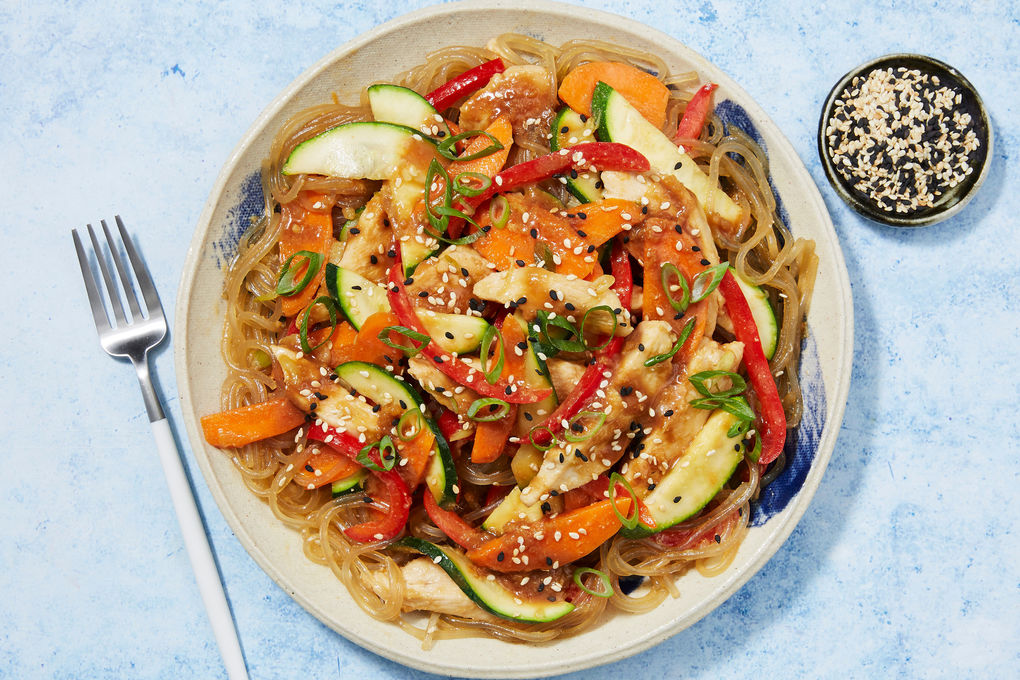
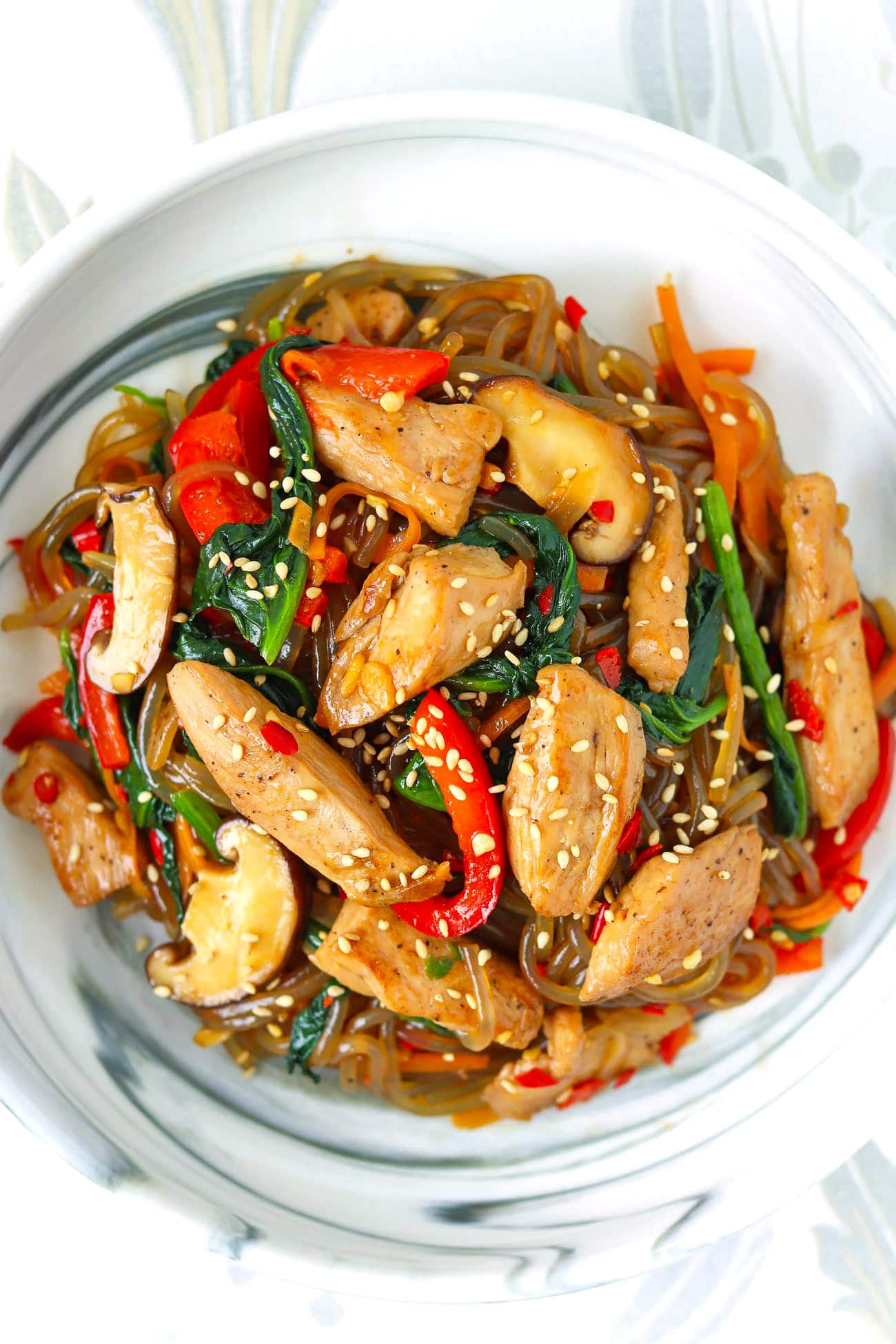
Swap the veggies for a bed of cooked sweetpotato starch noodles (dangmyeon). Toss them with the same sauce and a handful of sliced carrots and spinach. Youll get a chewy, slightly sweet Japchae vibe.
GlutenFree & Vegan Options
Use tamari instead of soy sauce, and choose a honeyfree sweetener like maple syrup or agave. The flavor profile stays intact, and the dish remains 100% plantbased.
Best Side Dishes
Steamed white rice is the classic companion, but you can also serve the stir fry over quinoa for extra protein, or alongside kimchi for a probiotic punch.
Nutrition & Health Benefits
Macro Breakdown (per serving)
Approx. 250kcal, 5g protein, 35g carbs, 10g fat. Most calories come from the vegetables and a modest amount of sauce.
Micronutrients
Carrots and bell peppers provide betacarotene and vitaminC; bokchoy offers calcium and folate; mushrooms add vitaminD (especially if exposed to sunlight).
Potential Risks
The sauce can be high in sodium, especially if you use regular soy sauce. If youre watching your salt intake, opt for lowsodium soy or dilute the sauce with a splash of water. Also, gochujangs spiciness might be intense for those sensitive to chili start with 1Tbsp and add more to taste.
LowerSodium Hack
Replace half the soy sauce with a little extra ricevinegar and a dash of citrus juice. The acidity compensates for the reduced salt while keeping the flavor bright.
Expert Resources & Reading
For a deeper dive into Korean fermented foods, a recent article in the Journal of Food Science outlines the probiotic benefits of gochujang. Additionally, the USDA FoodData Central provides uptodate nutrition facts for each ingredient, helping you finetune the health profile of your stir fry.
If youre curious about adapting the recipe to Chinese flavors, the Chinese stir fry vegetables recipe page on Maangchis site offers a comparable technique using Sichuan peppercorns instead of gochujang a fun way to experiment without straying far from the core method.
Conclusion
There you have it: a fast, flavorful Korean vegetable stir fry thats as nutritious as it is satisfying. By mastering the sauce, choosing the right veggies, and respecting the highheat technique, you can create a dish that feels both comforting and exciting. Try the base version, then play with the tofu, noodle, or glutenfree twists youll discover a new favorite every time. Happy cooking, and enjoy the burst of Korean flavor tonight!
FAQs
Can I make this stir fry without gochujang?
Yes—mix red pepper flakes, miso, honey, rice vinegar, and soy sauce as a quick DIY substitute; it won’t be identical but will give a similar sweet‑spicy base.
How long should I cook the vegetables?
Stir‑fry the harder veggies (carrots, broccoli) for about 2–3 minutes, then add softer ones (bell pepper, zucchini) and cook another 1–2 minutes before tossing in the sauce.
What can I use instead of regular soy sauce?
For a lower‑sodium or gluten‑free option, swap soy sauce with tamari or a reduced‑salt soy sauce; the flavor remains balanced.
Is this recipe naturally gluten‑free?
Yes, just replace soy sauce with tamari and ensure any store‑bought gochujang contains no wheat; the rest of the ingredients are gluten‑free.
How should I store leftovers?
Cool the stir fry to room temperature, then refrigerate in an airtight container for up to 3 days. Reheat quickly in a hot pan or microwave, adding a splash of water if the sauce thickens.