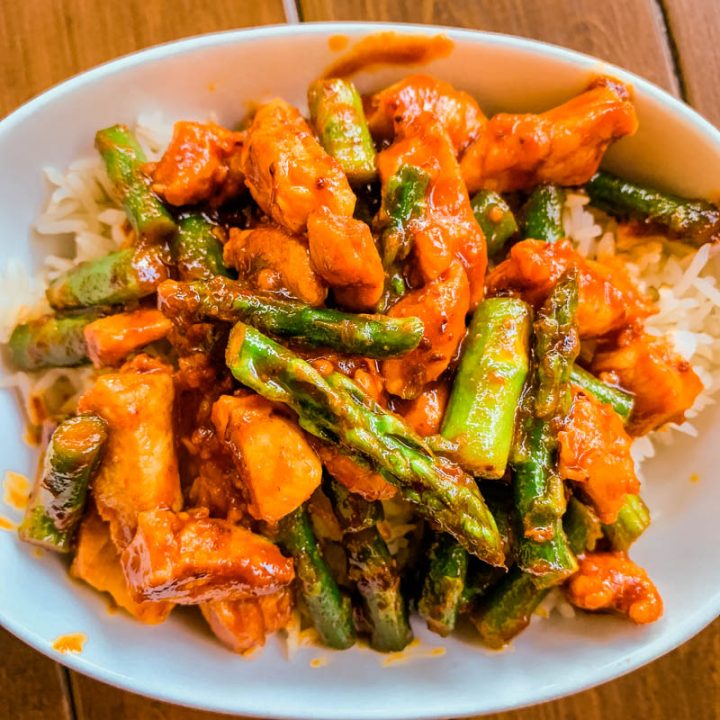
Got a craving for something thats fast, tasty, and actually good for you? You can have a restaurantlevel veggie stirfry on the table in under fifteen minutes no fancy equipment, just a hot pan, a splash of sauce, and the right vegetables. Below youll find a stepbystep guide, a shortcut sauce, veggie swap ideas, plus the pros and cons of this everyday Asian staple. Lets dive in!
Why It Matters
Asian stir fry vegetables are the ultimate kitchen MVP because they hit three sweet spots:
- Health perks: High in fiber, vitamins, and antioxidants while staying lowcalorie. Think broccolis sulforaphane, carrots betacarotene, and snap peas vitaminC.
- Convenience: Onepan, quickcook, perfect for busy weeknights or mealprep Sundays.
- Flavor flexibility: You can swing the sauce from Chinese to Indian in seconds, letting your taste buds travel without leaving the kitchen.
But no good thing is without a snag. Overcooking can drain nutrients, and storebought sauces sometimes hide a lot of sodium. The key is balance a dash of umami, a pinch of acidity, and just enough oil to keep things crisp.
Expert tip: A registered dietitian from the USDA recommends limiting added sodium to 1,500mg per day for most adults. A splash of lowsodium soy sauce and a squeeze of rice vinegar can give you that punch without the salt overload.
Veggie Essentials
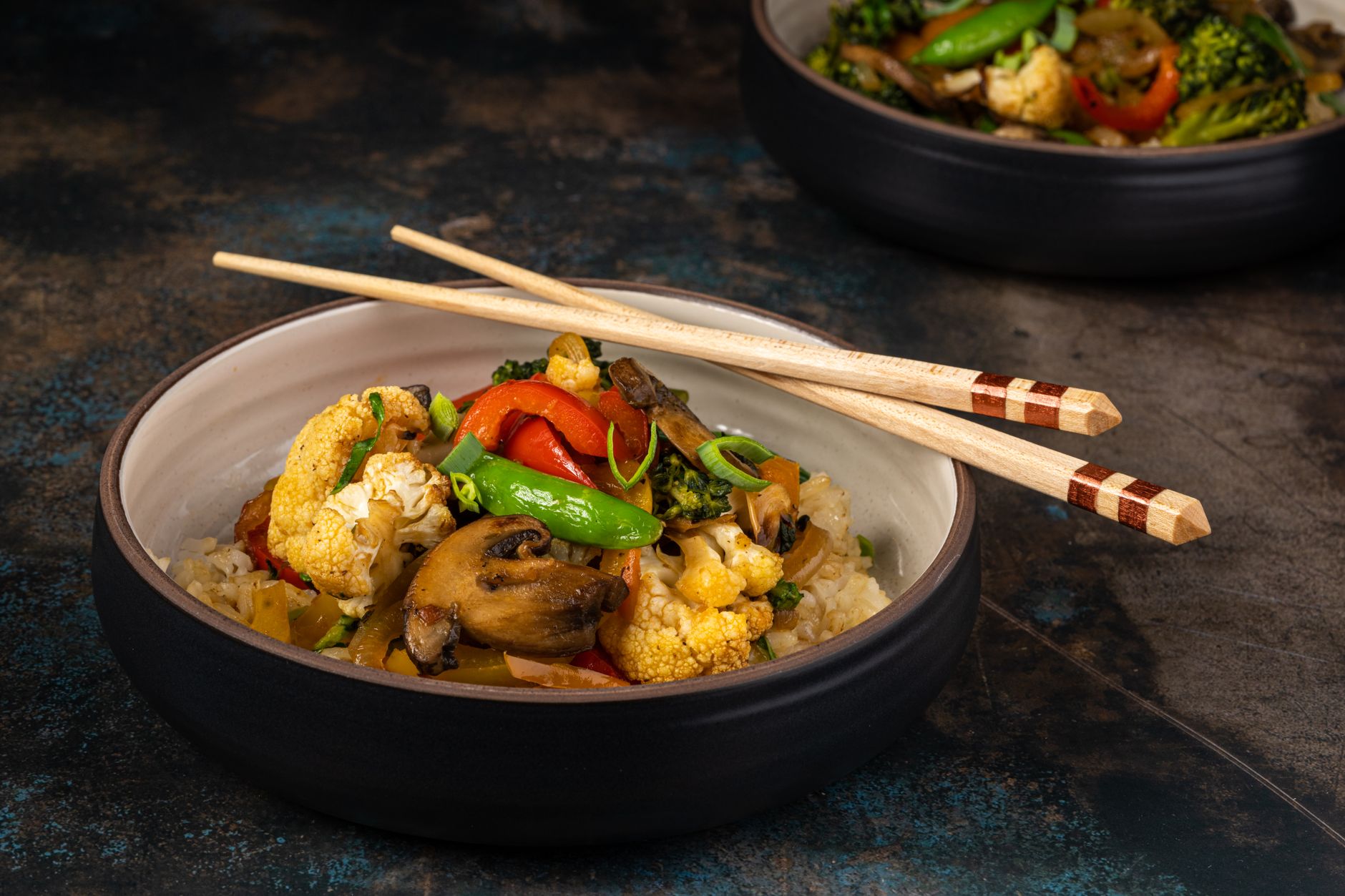
Classic Asian Veggies
| Vegetable | Flavor / Texture | Best Cook Time | Substitutes |
|---|---|---|---|
| Broccoli florets | Earthy, crunchy | 23min | Romanesco |
| Snow / sugar snap peas | Sweet, crisp | 12min | Green beans (thinsliced) |
| Bell peppers (red, yellow) | Sweet, colorful | 2min | Carrots (julienned) |
| Carrots (julienned) | Sweet, firm | 23min | Daikon |
| Mushrooms (shiitake, button) | Umami, juicy | 23min | Eggplant |
| Baby corn & water chestnuts | Crunchy, fresh | 12min | Bamboo shoots |
| Bok choy / Chinese cabbage | Mild, leafy | 12min | Spinach (add last 30s) |
These veggies give you a rainbow of colors and textures, which isnt just Instagramfriendly it also means a broader range of nutrients.
How to Pick Fresh Veggies
When youre at the market, look for:
- Firm stems (no limp or mushy spots)
- Vibrant, deep colors a sign of freshness
- Clean leaves without wilting or yellowing edges
Store them in a perforated bag in the crisper drawer and aim to use them within three days for peak crunch.
Sauce Made Easy
Chinese Vegetable Stir Fry Sauce
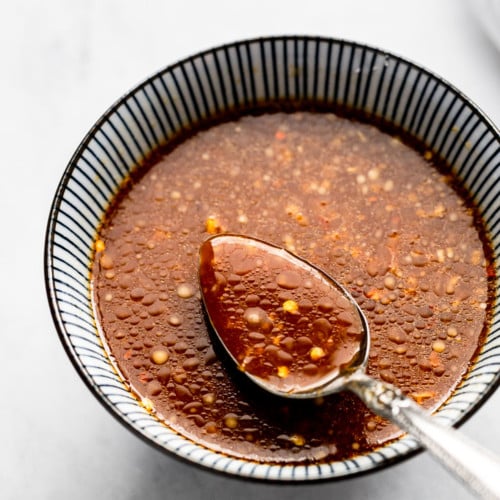
Heres a fiveminute sauce that works for any Asian stir fry:
| Ingredient | Ratio | Why It Matters |
|---|---|---|
| Lowsodium soy sauce | 3Tbsp | Salty base, umami depth |
| Sesame oil | 1Tbsp | Nutty aroma that lifts the dish |
| Rice vinegar | 1Tbsp | Bright acidity to cut richness |
| Honey or maple syrup | 1tsp | Light sweetness balances salt |
| Garlic (minced) | 1clove | Flavor depth |
| Fresh ginger (grated) | tsp | Warm, spicy undertone |
| Cornstarch + water | 1tsp + 2Tbsp | Creates a glossy, light glaze |
Whisk the cornstarch with cold water before adding it to the hot pan this prevents lumps and gives you that restaurantstyle sheen.
Regional SpinOffs
- Indian stir fry vegetables recipe: Swap soy sauce for a tablespoon of garam masalainfused yogurt, add turmeric, and finish with fresh cilantro.
- Thai twist: Replace sesame oil with coconut oil, stir in fish sauce, lime zest, and a dash of chili oil for heat.
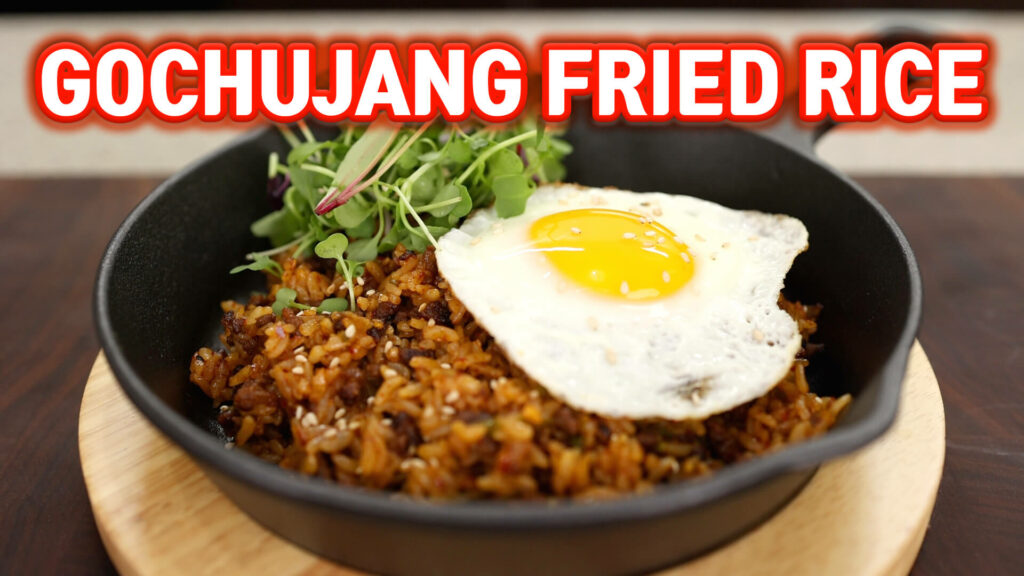
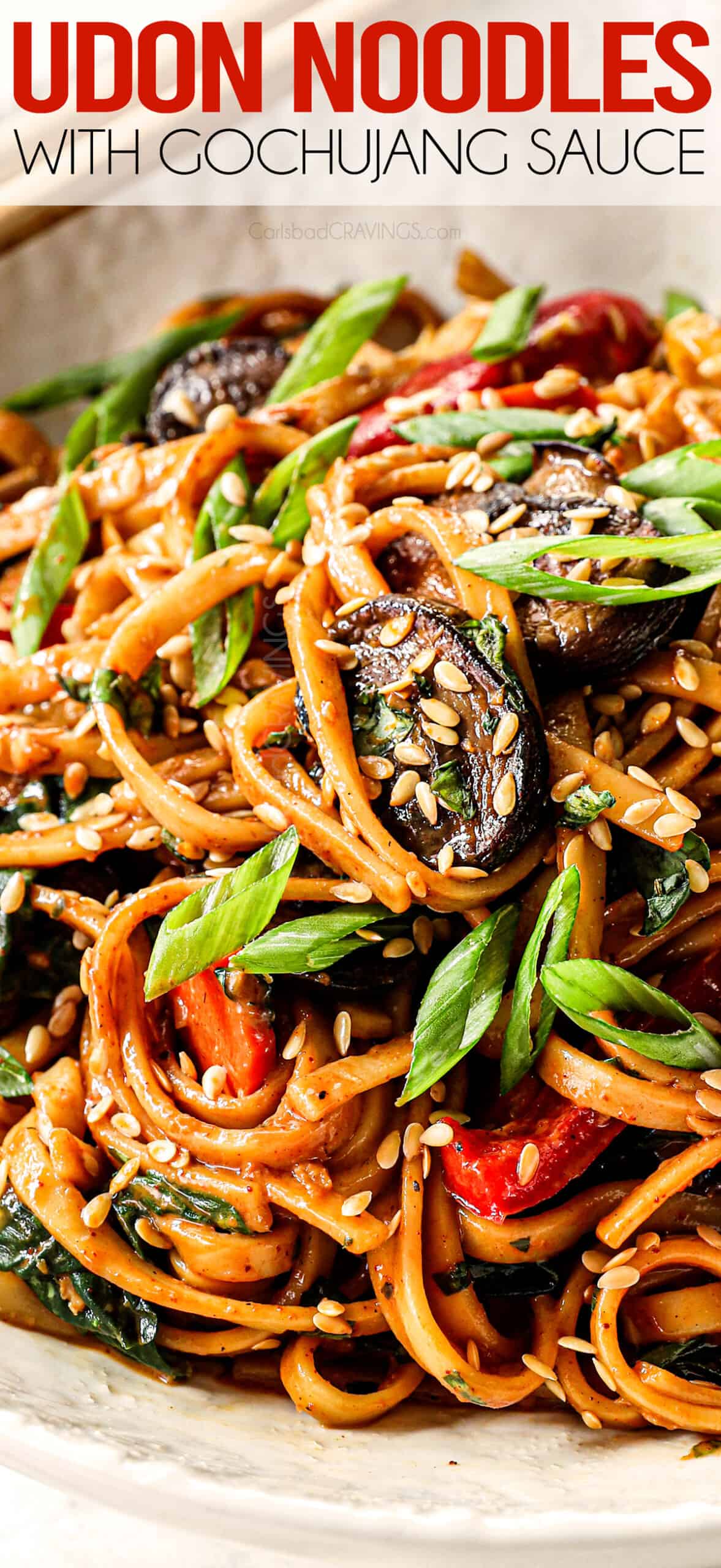
- Korean flair: Add a spoonful of gochujang (Korean chili paste) and sprinkle toasted sesame seeds at the end.
These variations keep your weekly menu exciting without buying a new pantry of sauces.
Cooking StepbyStep
How to Stir Fry Vegetables in a Pan
Ready to hear the secret that many restaurant videos skip? Its all about the order and the heat.
- Prep like a pro: Pat every piece dry. Moisture turns your pan into a steamer, and youll lose that coveted crunch.
- Heat the pan: A wok or a large skillet should be smoking hot before the oil hits. A drop of water should sizzle and evaporate instantly.
- Aromatics first: Toss in minced garlic and grated ginger; stir for 1530seconds until fragrant but not burnt.
- Hard veggies next: Add broccoli and carrots. Toss for 2minutes; they need a bit more time to soften.
- Mediumhard veggies: Bell peppers, baby corn, and mushrooms go in next. One more minute of highheat tossing.
- Soft veggies last: Snap peas and bok choy need only 3045seconds. They should stay bright and crisp.
- Sauce it up: Pour the premixed sauce, stir quickly, and let it coat everything for another minute. The cornstarch will thicken into a silky glaze.
If you notice the sauce thickening too fast, splash a little water or extra broth. If the veggies are still a bit firm, give them another 30seconds but watch carefully; overcooking turns a crunch into mush.
Common Mistakes & Quick Fixes
| Mistake | Why It Happens | Quick Fix |
|---|---|---|
| Veggies turn soggy | Pan not hot enough; too much oil | Preheat longer, use a high smokepoint oil (e.g., canola) |
| Sauce clumps | Cornstarch not fully dissolved | Whisk with cold water before adding; pour slowly while stirring |
| Oversalted | Too much soy sauce | Dilute with water or extra veggies; choose lowsodium soy |
Protein Pairings
Chicken Stir Fry
If you need a nonvegetarian boost, thinly slice a boneless chicken breast, marinate for 10minutes in 1Tbsp soy sauce, tsp grated ginger, and a splash of sesame oil. Cook the chicken first, set aside, and then follow the veggie steps. Finish by tossing the chicken back in with the sauce so every bite is uniformly flavored.
PlantBased Options
- Tofu: Press firm tofu, cube it, coat lightly in cornstarch, and fry until golden. Add at the same time as the hard veggies.
- Tempeh: Slice thin, marinate in the same sauce, and pansear for a nutty crunch.
Serving Ideas
Serve your stir fry over:
- Steamed jasmine rice for a classic feel.
- Quinoa or brown rice for extra protein and fiber.
- Cauliflower rice if youre watching carbs.
Finish with a sprinkle of toasted sesame seeds, sliced scallions, and, if you like heat, a drizzle of chili oil.
Final Thoughts
Asian stir fry vegetables are a versatile, fast, and nutrientdense way to get dinner on the table. By picking fresh, crisp veggies, mastering the hotpan sequence, and using a balanced sauce, youll enjoy a dish thats both satisfying and good for you. Feel free to swap in chicken, tofu, or any regional sauce twist that fits your mood. The beauty of stirfrying is that it welcomes experimentation the more you play, the better youll understand how flavors mingle.
Give the recipe a try tonight. Snap a photo, share it with friends, and let us know which sauce variation became your new favorite. Happy cooking!
FAQs
What vegetables work best for an Asian stir fry?
Classic choices include broccoli, snow peas, bell peppers, carrots, mushrooms, baby corn, water chestnuts, and bok choy. Fresh, crisp veggies give the best texture and flavor.
How do I keep the vegetables crunchy and not soggy?
Make sure the pan is smoking hot before adding oil, pat the veggies dry, and add them in stages from hardest to softest. Avoid crowding the pan.
Can I use a low‑sodium sauce without losing flavor?
Yes. Combine low‑sodium soy sauce with sesame oil, rice vinegar, a touch of honey or maple syrup, garlic, ginger, and a cornstarch slurry for a balanced, tasty glaze.
What protein options pair well with Asian stir fry vegetables?
Thinly sliced chicken, shrimp, tofu (pressed and lightly coated in cornstarch), or tempeh all absorb the sauce quickly and add extra protein.
How long can I store leftovers and will they stay crisp?
Store the stir fry in an airtight container in the fridge for up to 3 days. Reheat quickly in a hot pan; the veggies may lose some crunch but remain tasty.