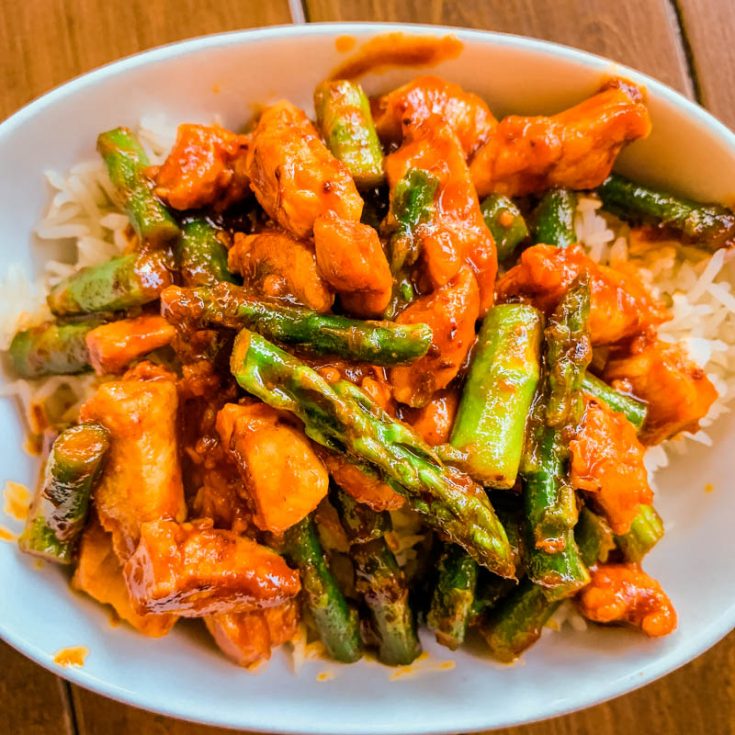
Craving a dinner thats both blazing with flavor and ready in under 20 minutes? Youve just landed on the perfect recipe for a Korean gochujang chicken stir fry that checks every box: speedy, satisfying, and surprisingly balanced. Grab your skillet, a few pantry staples, and lets dive straight into the good stuff.
Think of this dish as the culinary equivalent of a highfive after a long daysweet, a little fiery, and instantly rewarding. Whether youre feeding a family, a singleperson dinner, or a dinnerparty squad, the steps below keep things simple while letting the bold gochujang shine.
Why This Dish Works
First off, why does a gochujang chicken stir fry feel so effortless yet so exciting? The magic lies in three things:
- Speed. The chicken thighs stay juicy with just a dash of cornstarch, and the veggies stay crisp because they hit the pan in stages.
- Flavor depth. Gochujanga fermented Korean chili pastebrings a sweetheat thats impossible to replicate with plain hot sauce.
- Flexibility. Swap noodles for rice, toss in extra veggies, or go lowcarb with cauliflower riceyour pantry decides.
So if you asked yourself, Can I get restaurantlevel Korean flavor without the hassle?the answer is a confident yes.
Core Ingredients Guide
| Ingredient | Why It Matters | Pro Tip / Substitute |
|---|---|---|
| Gochujang (Korean chili paste) | Provides the signature sweetspicy backbone | Use a mix of miso + sriracha if you cant find authentic gochujang |
| Boneless skinless chicken thighs | Stays tender and juicy during highheat stirfry | Chicken breast works but adds a little dryness; coat with cornstarch to help |
| Sesame oil | Adds nutty aroma at the end | Split: 1tsp sesame oil for finish, 1tbsp neutral oil (canola) for cooking |
| Mixed vegetables (bell pepper, carrot, zucchini, cabbage) | Layered texture and vitamins | Frozen stirfry blend saves prep time |
| Soy sauce, rice vinegar, brown sugar or honey | Balances salt, acidity, and sweetness | Lowsodium soy for a hearthealthier version |
| Optional noodles or rice | Turns the stirfry into a complete meal | Rice noodles for glutenfree, jasmine rice for fragrance |
All of these ingredients are easy to find at a local Asian market or even a wellstocked grocery store. If youre short on time, grab a premade gochujang stir fry saucebut well show you how to whip a quick version that tastes way better.
StepbyStep Method
Preparing the Gochujang StirFry Sauce
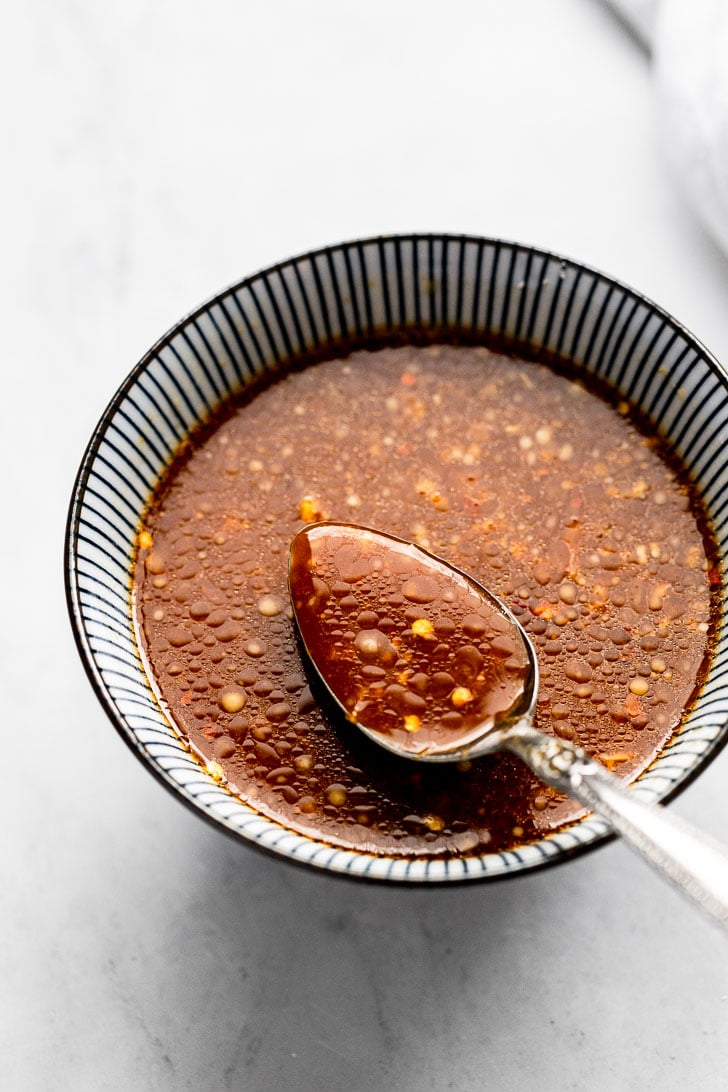
Mix together 2Tbsp gochujang, 1Tbsp soy sauce, 1Tbsp brown sugar (or honey), tsp rice vinegar, a minced garlic clove, and tsp freshly grated ginger. Whisk until smooth and let it sit for a few minutes. This little rest lets the flavors meldjust like a good conversation.
Quick video tip
If you learn best by watching, a short clip of the sauce coming together (think of the glossy texture) can be a lifesaver. Its the visual cue that says youre on the right track.
Marinating & PreCooking the Chicken
Pat the chicken strips dry, then toss them with a pinch of salt and 1tsp cornstarch. The cornstarch creates a light coating that seals in moisture, giving you that meltinyourmouth feel without deepfrying. Let the pieces sit while you heat the panthats all the prep you need.
StirFrying the Veggies (gochujang stir fry vegetables)
Heat the pan over high heat, add the neutral oil, and start with the hardest vegcarrotsin 2minute bursts. Follow with zucchini and bell peppers, then finish with cabbage, which only needs about a minute to wilt. Keep everything moving; you want that slight char, not a soggy stew.
Bringing It All Together
- Push the veggies to the side, add a splash more oil, and sear the chicken for 23minutes each side.
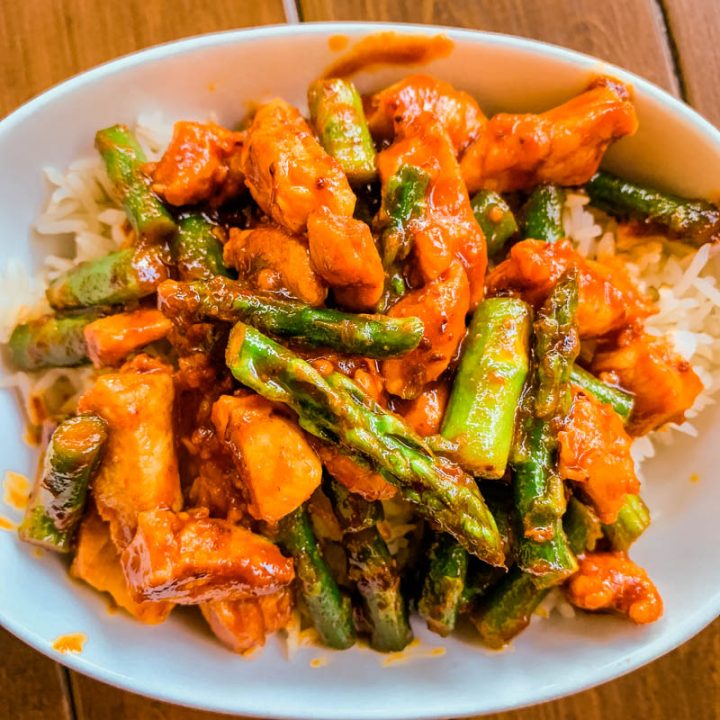
- When the chicken is golden, pour the gochujang sauce over everything. Toss vigorously for 2minutes until every piece is glossy.
- Finish with a drizzle of sesame oil and a sprinkle of toasted sesame seeds for that nutty crunch.
Variations
Gochujang Chicken Stir Fry Noodles: Toss cooked udon or ricenoodles into the pan right after the sauce, letting them soak up the flavor.
Gochujang Chicken and Rice: Serve the stirfry over steamed jasmine rice or cauliflower rice for a lowcarb twist.
Nutrition & Balance
Heres a quick snapshot (based on a typical 1cup serving):
- Calories: ~350kcal
- Protein: ~30g
- Fat: ~12g (mostly unsaturated)
- Carbohydrates: ~30g
- Key nutrients: VitaminC from bell peppers, iron from chicken, probiotic hints from fermented gochujang.
While the dish is nutrientdense, keep an eye on sodium and sugar. If youre watching those, swap regular soy sauce for a lowsodium version and replace brown sugar with a drizzle of honey or a sugarfree alternative.
For precise nutrition data, the USDA FoodData Central offers an extensive breakdown of each ingredient.
Common Questions Answered
Can I use storebought gochujang stir fry sauce?
Absolutelyjust taste before you add extra sugar or salt. Homemade sauce gives you full control, but a quality premade sauce can shave minutes off prep time.
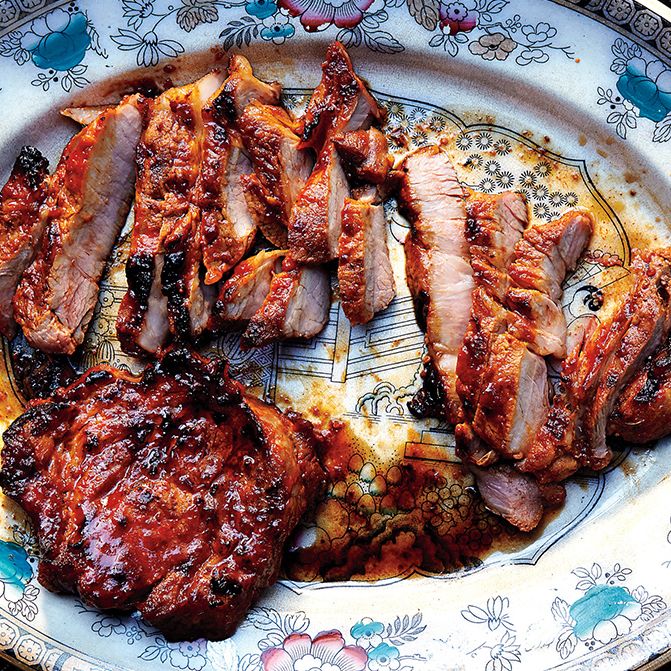
How does gochujang chicken stir fry differ from gochujang pork stir fry?
Pork benefits from a longer marination to break down its fibers, while chicken cooks quickly and stays tender with a light cornstarch coat. The flavor profile stays the same, but the texture changes.
Whats the best way to store leftovers?
Cool the stirfry to room temperature within two hours, then tuck it into an airtight container and refrigerate for up to four days. Reheat in a hot skillet rather than the microwave to keep the veggies crisp.
For official foodsafety guidelines, see the FDAs recommendations on leftovers.
Troubleshooting Tips
| Problem | Why It Happens | Quick Fix |
|---|---|---|
| Sauce too thick | Overreduction or excess cornstarch | Thin with a splash of water or broth |
| Chicken dry | Overcooking or no cornstarch coating | Reduce heat, add a thin cornstarch slurry |
| Veggies soggy | Too much liquid or low pan temperature | Stirfry on high heat, avoid crowding the pan |
| Dish not spicy enough | Gentle gochujang or missing ginger | Add an extra dab of gochujang or a pinch of crushed red pepper |
These fixes come from realworld kitchen mishapsmy own included. One time I overcooked the carrots, and the whole dish turned mushy. A quick highheat blast saved the day!
Serving & Pairing Ideas
Think about a wellrounded Korean meal. Pair your gochujang chicken stir fry with a small bowl of kimchi, some lightly sauted bok choy, or a cucumbersoy pickled salad. For drinks, a crisp Riesling or a chilled glass of makgeolli (Korean rice wine) balances the heat beautifully.
Mealprep lovers, note this: keep the sauce separate if you plan to store the stirfry for a few days. When reheating, pour the sauce back in for that freshoffthewok flavor.
Where to Find Authentic Gochujang
Authentic gochujang lives in the refrigerated aisle of Asian supermarketslook for a label that lists fermented chili paste with a salt content of around 12%.
- Online options: Major retailers like Amazon carry Koreanbrand gochujang (e.g., Chung Jung One).
- Instore: HMart, 99Cent Store, or the international section of your local grocery.
- DIY minibatch: Blend miso, gochugaru (Korean chili flakes), and a splash of honey. It wont be identical, but its a fun experiment.
When you compare brands, consider price, texture (smooth vs. chunky), and how much sugar they add. A quick glance at user reviews can save you from a toosweet surprise.
Final Thoughts & CalltoAction
There you have ita Korean gochujang chicken stir fry thats quick, adaptable, and brimming with flavor. Youve learned why the dish works, how to assemble it step by step, ways to keep it nutritious, and even how to troubleshoot common hiccups. Now its your turn to fire up that skillet, toss in the sauce, and enjoy the delicious payoff.
Give the recipe a whirl tonight, swap in your favorite veggies, or pair it with noodles for a different texture. Id love to hear how you make it your ownshare your tweaks, photos, or any questions you have. Happy cooking!
FAQs
Can I use chicken breast instead of thighs?
Yes, you can substitute chicken breast, but it cooks faster and can dry out. To keep it juicy, coat the strips with a thin layer of cornstarch and watch the cooking time closely—about 2‑3 minutes per side.
How spicy is a gochujang chicken stir fry?
Gochujang provides a moderate heat with a sweet‑spicy depth. If you prefer more kick, add extra gochujang, a pinch of crushed red pepper, or a splash of sriracha to the sauce.
What side dishes pair best with this stir‑fry?
Serve it over steamed jasmine rice, cauliflower rice, or rice noodles. Complement the meal with kimchi, pickled cucumbers, or a simple sautéed bok choy for a traditional Korean touch.
Can I make the gochujang sauce ahead of time?
Absolutely. Mix the sauce ingredients and store it in an airtight container in the refrigerator for up to 3 days. Give it a quick whisk before using.
How should I store leftovers?
Cool the stir‑fry to room temperature within two hours, then transfer it to a sealed container. Refrigerate for up to four days. Reheat in a hot skillet or wok to keep the vegetables crisp.