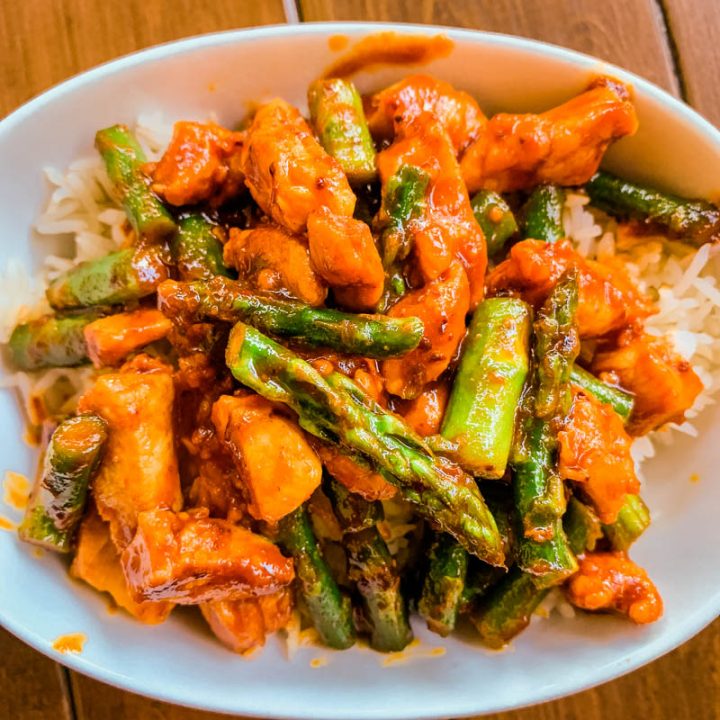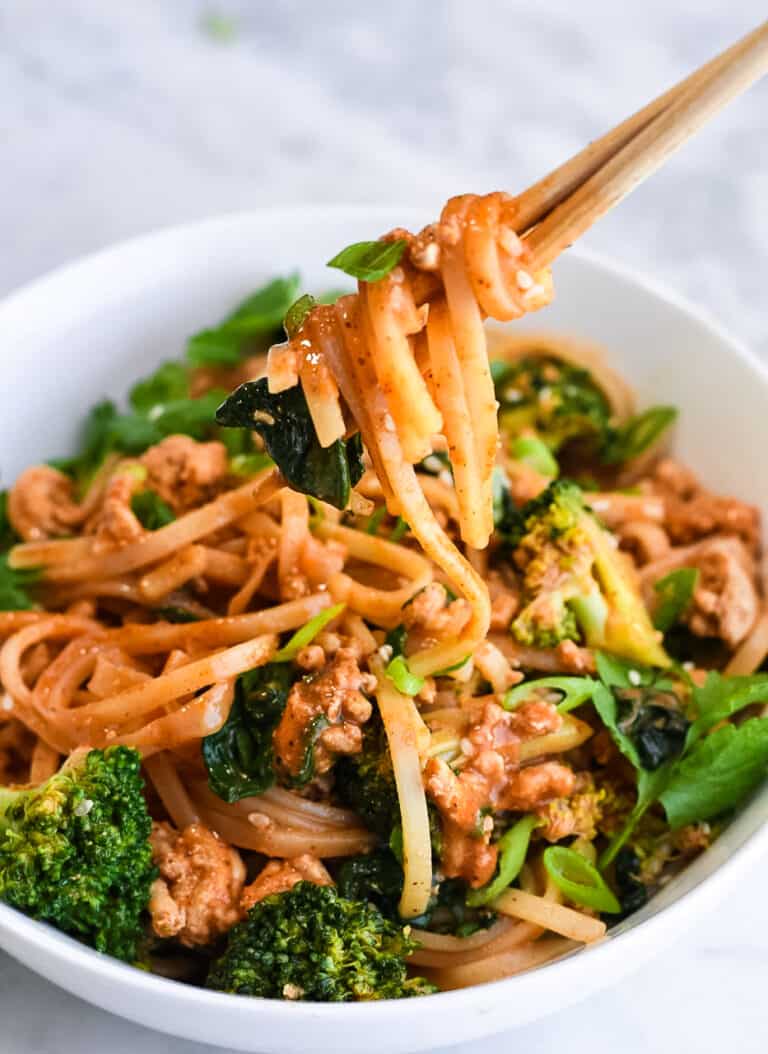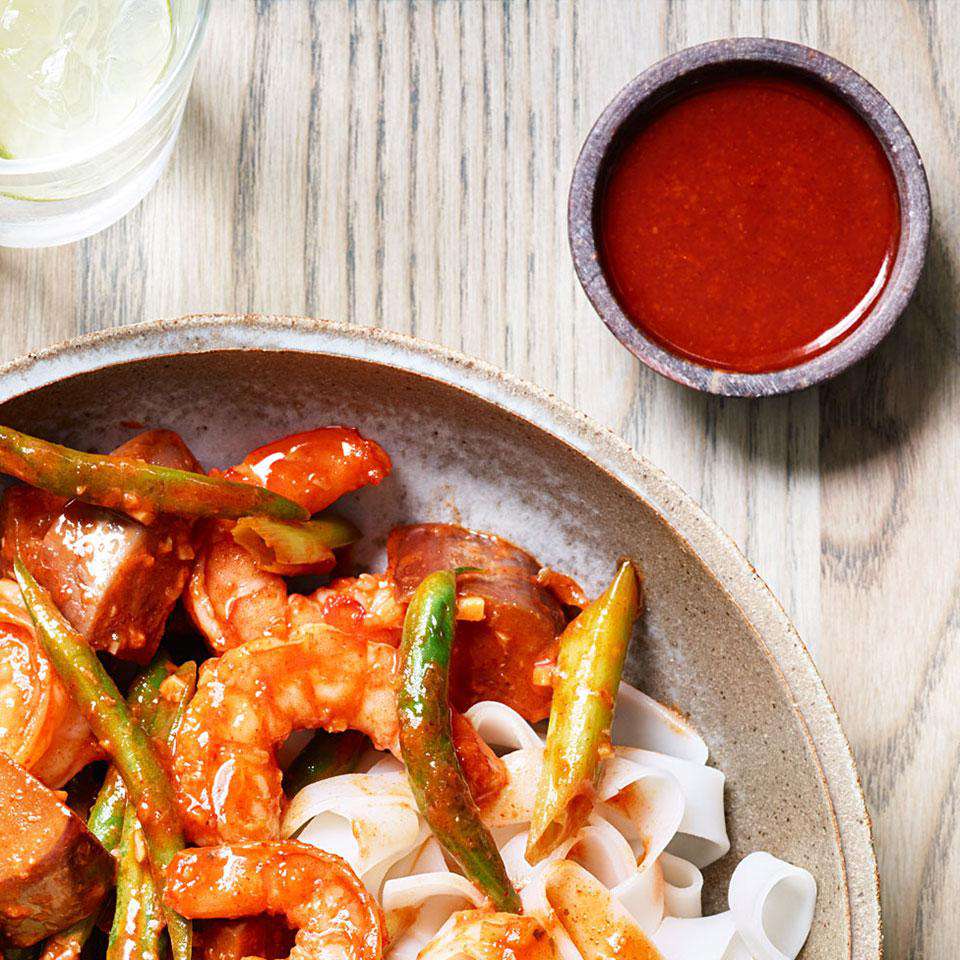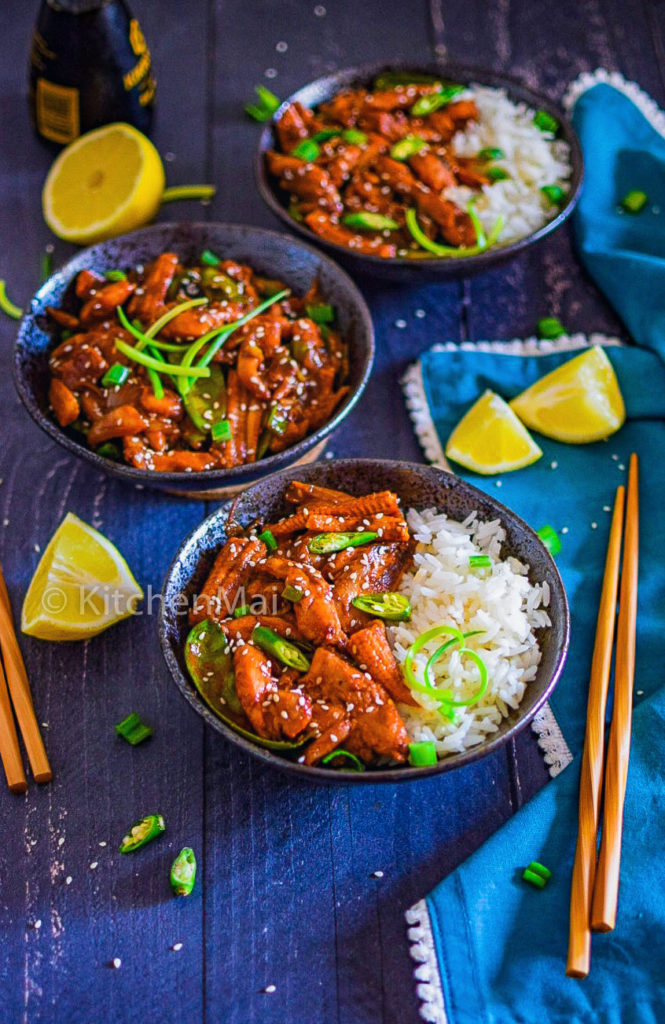
Looking for a sauce that gives your chicken that bold, Koreanstyle heat without a trip to the pantry? Youre just a few minutes away from a gochujangpacked, sweetspicy stirfry that works for bowls, noodles, or a classic dakgalbi.
In this post youll learn the exact ingredient ratios, why each component matters, how to adapt the sauce for dietary needs, and three foolproof recipes from noodle bowls to a onepan veggiechicken wok.
Why This Sauce
When you compare homemade Korean chicken stirfry sauce to the bottled versions you pick up at the grocery store, a few things become crystal clear.
- Flavor chemistry: Gochujang (fermented chili paste) brings depth, while soy sauce adds salty umami, and a splash of rice wine provides bright acidity. The balance of sweet, salty, sour, and spicy is what makes the sauce sing.
- Health snapshot: A typical twoserving batch contains roughly 300mg of sodium and 8g of sugar far lower than many commercial sauces that can double those numbers. If you watch your sugar, swap honey for a ketofriendly sweetener.
- Cost & convenience: A bottle of gochujang and a few pantry staples cost under $10, while a jar of premade Korean stirfry sauce can easily top $15.
According to the U.S. Department of Agriculture, the nutrients in garlic, ginger, and sesame oil contribute antioxidants that support heart health a nice bonus for the flavor fanatics among us.
Core Ingredients
Understanding what each ingredient brings to the table helps you tweak the sauce for any palate.
| Ingredient | Typical Amount (per 2 servings) | Flavor Impact | Possible Swaps |
|---|---|---|---|
| Gochujang | 2Tbsp | Sweetspicy heat | Sriracha+miso |
| Soy sauce | 1Tbsp | Salty umami | Tamari (GF) |
| Rice wine | 1Tbsp | Mild acidity | Mirin |
| Sesame oil | tsp | Nutty finish | Avocado oil |
| Garlic & ginger | 1tsp each | Aroma, depth | Fresh paste |
When you shop, check the gochujang label some brands add wheat, which matters if youre avoiding gluten.
StepbyStep
Lets walk through the sauce creation together, as if we were standing sidebyside in a tiny kitchen.
Prep Checklist
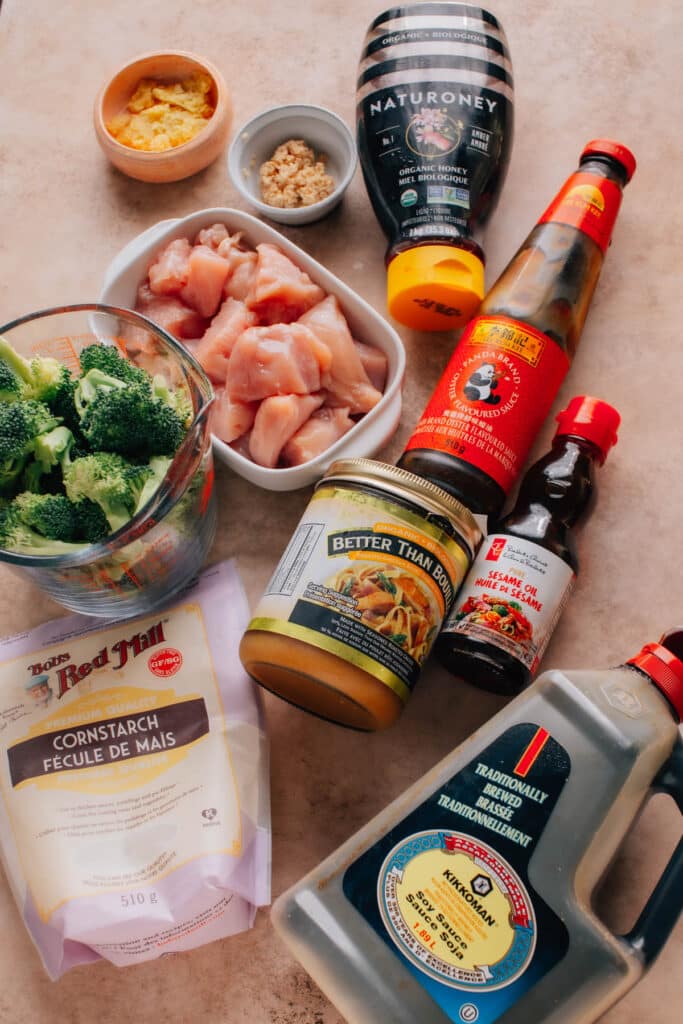
- Equipment: Large mixing bowl, whisk, measuring spoons, and a skillet or wok.
- Can I make it ahead? Absolutely! Store the sauce in an airtight jar in the fridge for up to a week.
Detailed Instructions
- Combine wet ingredients: whisk gochujang, soy sauce, rice wine, and 2Tbsp water until smooth.
- Add sweeteners & aromatics: stir in honey (or your lowsugar alternative), minced garlic, and grated ginger.
- Thicken: dissolve tsp cornstarch in 1Tbsp cold water, then whisk it into the mixture.
- Heat & emulsify: pour the blend into a lowmedium heated skillet, stirring continuously for 23minutes until it turns glossy.
- Finish: drizzle the sesame oil, sprinkle toasted sesame seeds, and give it one last quick stir.
Pro tip: If the sauce looks too thick, add a splash of water. Too thin? Let it simmer a bit longer the magic is in the consistency.
Everyday Recipes
Now that the sauce is ready, lets put it to work. Below are three of my goto dishes that showcase the sauces versatility.
Korean Chicken StirFry Noodles
- Ingredients: sliced chicken thigh, udon or rice noodles, bell peppers, onions, and a generous ladle of Korean chicken stirfry sauce.
- Method: Stirfry chicken until golden, add veggies, pour sauce, then toss in cooked noodles. Finish with a squeeze of lime for brightness.
Classic DakGalbi
- Key difference: extra gochugaru (Korean chili flakes) for a subtle crunch and deeper heat.
- Cooking: Marinate chicken overnight in the sauce (including extra gochugaru), then grill or sear in a hot skillet. Serve with rice and lettuce wraps.
Chef JaeHyun, a veteran of Seouls streetfood scene, says dakgalbi is the soul of Korean comfort food heat, sweetness, and a hint of smoky char. Thats why I love it for weekend gatherings.
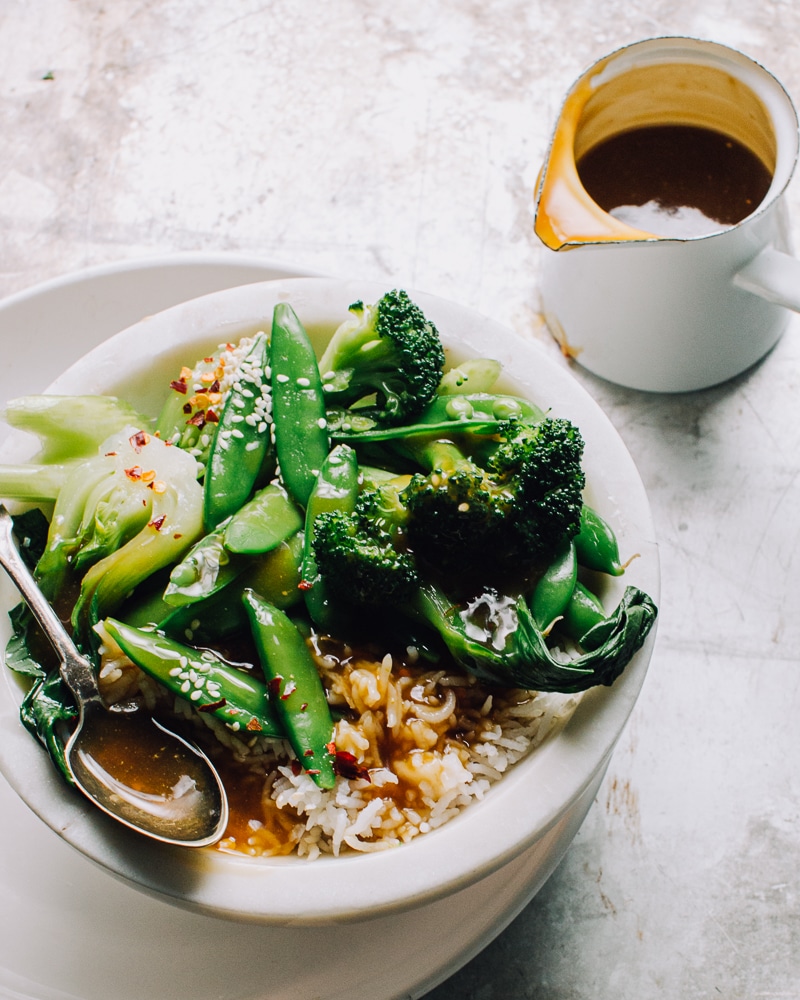
Gochujang Chicken StirFry with Veggies
- Veggies: broccoli, carrots, snap peas whatever you have on hand.
- Health spin: serve over cauliflower rice for a lowcarb dinner that still feels indulgent.
Recipe Comparison
| Recipe | Protein% | Carb% | Spice Level | Prep Time | Ideal Situation |
|---|---|---|---|---|---|
| Noodles | 30% | 45% | Medium | 20min | Weeknight quick |
| DakGalbi | 40% | 20% | Hot | 45min (incl. marinate) | Dinner party |
| VeggieBoost | 35% | 25% | MediumHot | 25min | Healthfocused |
Special Diets
Whether youre glutenfree, lowsugar, or following a keto plan, the sauce adapts without losing its heart.
GlutenFree
Swap regular soy sauce for tamari and doublecheck that your gochujang label says glutenfree.
LowSugar / Keto
Replace honey with erythritol or stevia, and consider upping the sesameoil ratio for a richer mouthfeel. The sauce still clings to the chicken beautifully.
DoandDont List
| Do | Dont |
|---|---|
| Taste as you go Korean sauces balance sweet & salty. | Overcook the cornstarch; sauce becomes gummy. |
| Use fresh ginger for bright flavor. | Use preground gochugaru in place of gochujang (different texture). |
Common Mistakes
Even seasoned cooks trip up. Heres the quickfix guide.
- Too salty? Dilute with a splash of water and add a pinch of sugar to rebalance.
- No glaze? Your cornstarch may have been dampened. Whisk a fresh slurry and simmer a minute longer.
- Chicken dried out? Cook chicken to about 80% doneness, then finish it in the sauce the sauce acts like a protective blanket.
Storing & Freezing
Leftover sauce is a blessing. Store it in a clean, airtight jar for 45days in the fridge. For longer, portion into icecube trays, freeze, then transfer to a zipbag itll keep up to three months. When youre ready to use, thaw in the microwave or stirfry directly, adding a splash of water to revive the glaze.
Where to Find Quality Ingredients
Good sauce starts with good ingredients.
- Online Korean markets: HMart or KFood ship a range of gochujang brands.
- Local Asian grocery: Look for fresh, firm gochujang jars (they should have a bright red hue).
- Brand recommendations: Chung Jung One gochujang (FDAapproved) and Kikkoman tamari (certified glutenfree) are reliable choices.
Always read the label for allergens a quick glance can save a dinner disaster.
WrapUp: Your Next Delicious Move
You now have a balanced, easytomake Korean chicken stirfry sauce, know how to tweak it for any diet, and have three readytocook recipes at your fingertips. Try the sauce tonight, snap a photo, and tag #MyKoreanStirFry I love seeing how you make it your own! If youd like a printable PDF of the sauce sheet or want more Asianinspired meals, feel free to subscribe to the newsletter below.
FAQs
Can I make the sauce ahead of time?
Absolutely—store the finished sauce in a clean, airtight jar in the refrigerator for up to five days. It actually mellows and deepens in flavor.
How do I adapt the sauce for a gluten‑free diet?
Swap regular soy sauce for tamari or a certified gluten‑free soy sauce, and double‑check that your gochujang label says “gluten‑free.” The rest of the ingredients are naturally safe.
What can I use if I don’t have gochujang?
Blend 1 part miso with 1 part Sriracha (or Korean chili paste) and add a splash of rice vinegar. It won’t be identical, but it mimics the sweet‑spicy depth.
How can I adjust the heat level?
For milder sauce, reduce the gochujang by half and boost the honey or add a little sugar. To crank up the spice, stir in extra gochugaru or a dash of Korean chili oil.
What’s the best way to store or freeze the sauce?
Refrigerate for up to 4‑5 days. For longer storage, portion the sauce into ice‑cube trays, freeze, then transfer the cubes to a zip‑top bag; they keep for up to three months. Thaw in the microwave or add directly to a hot wok.