Looking for a fast, tasty way to get your veggies dancing with bold Korean flavor? In the next few minutes you’ll learn a gochujang‑spiked stir‑fry that’s ready in under 20 minutes, packed with nutrients, and flexible enough for any diet.
Why It Matters
What makes Korean stir‑fry different?
Korean stir‑fry leans on gochujang, a fermented red‑pepper paste that delivers a sweet‑heat balance you won’t find in a typical Chinese stir‑fry or an Indian stir‑fry vegetables recipe. While Chinese stir‑fry vegetables often feature soy sauce and a splash of rice vinegar, Korean versions add that umami‑rich, slightly caramelized depth from gochujang, plus a drizzle of sesame oil for nuttiness.
Health perks vs. potential pitfalls
Crunchy broccoli, carrots, and bell peppers bring vitamin C, fiber, and potassium, while the spicy sauce can boost metabolism. The flip side? Store‑bought gochujang can be high in sodium and sugar. A quick tip: choose a low‑sodium brand or dilute the sauce a touch if you’re watching your salt intake.
Core Veggies List
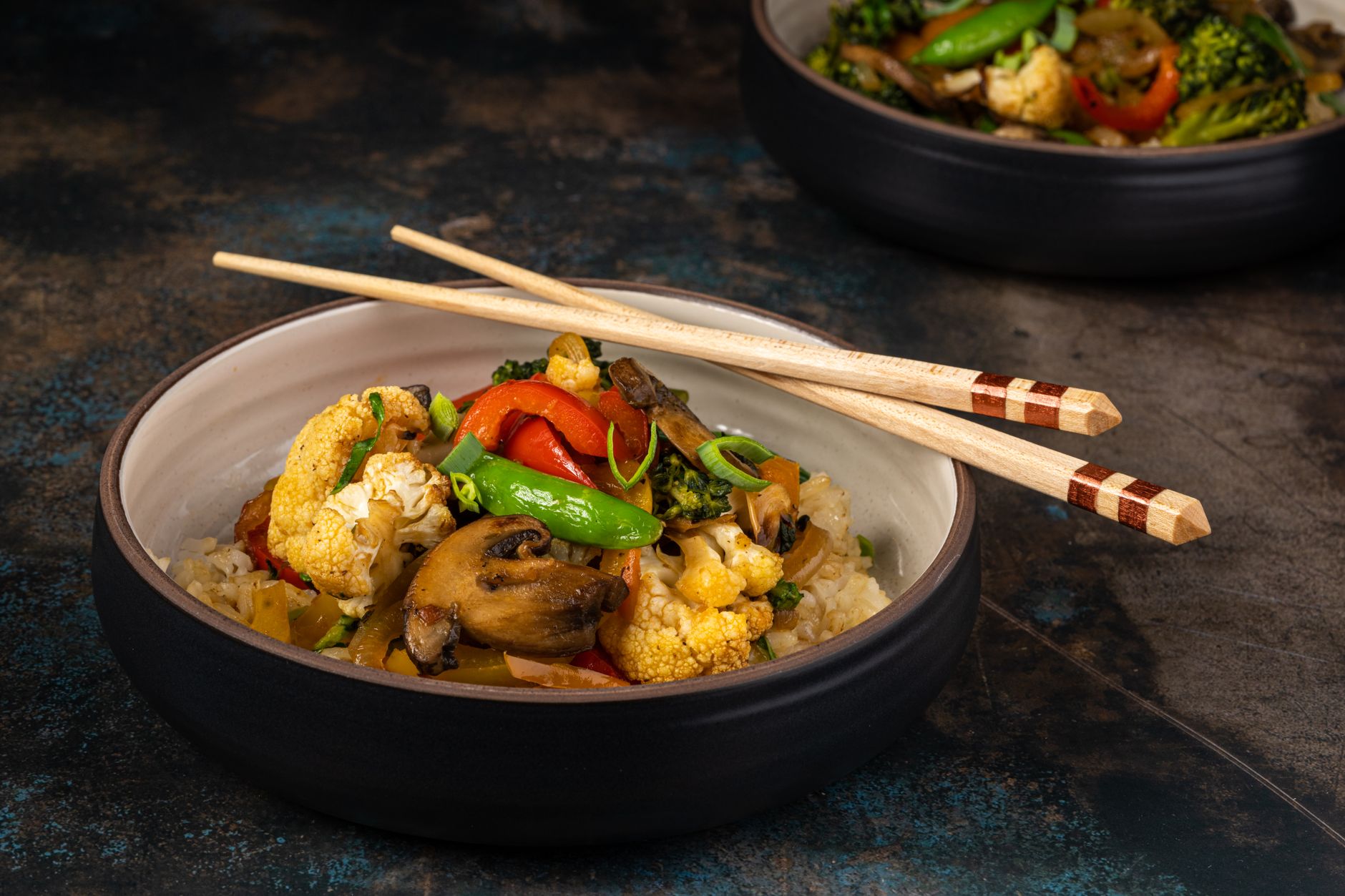
Essential vegetables (the classic stir‑fry vegetables list)
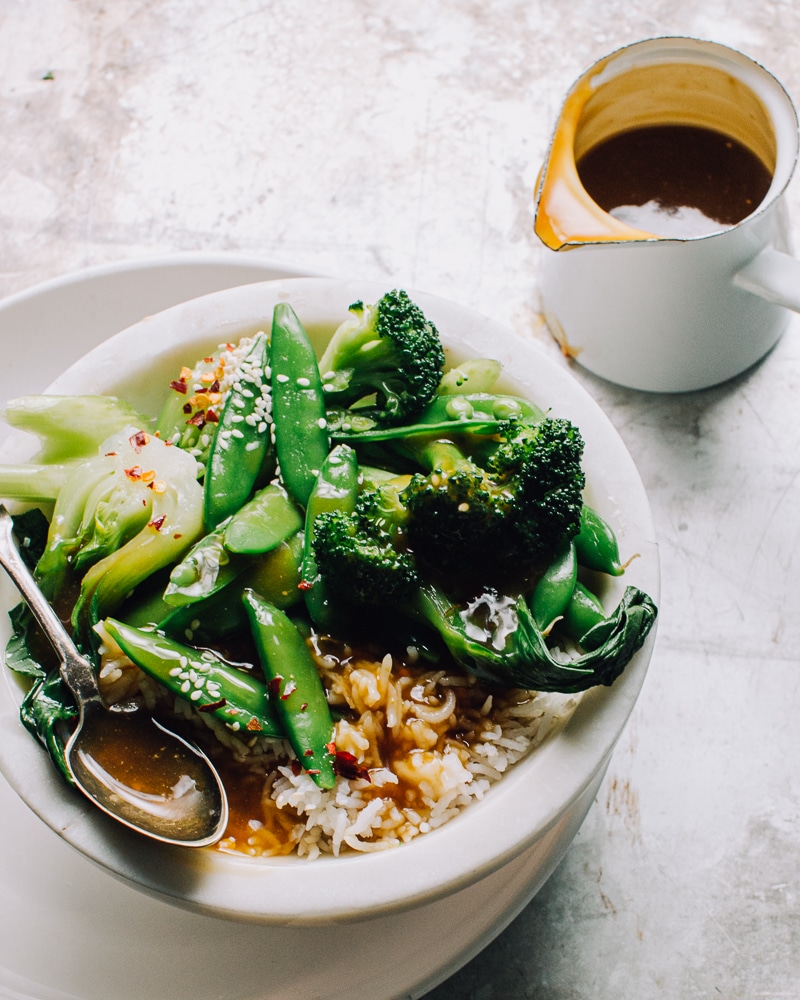
- Bokchoy
- Carrots, sliced thin
- Red & yellow bell peppers
- Shiitake or button mushrooms
- Zucchini or summer squash
- Snap peas or snow peas
- Onion, thinly sliced
- Garlic & ginger, minced
Optional power‑ups
- Kimchi, chopped (for extra tang)
- Firm tofu or tempeh (protein boost)
- Toasted sesame seeds and sliced scallions (finishing garnish)
Finding good gochujang and Korean stir‑fry sauce basics
Brands like Chung Jung One or Haechandle are widely praised by the Korean cooking community (see Maangchi’s guide for authentic options). A reliable gochujang will be thick, slightly glossy, and have a balanced sweet‑spicy flavor without an overpowering salt punch.
Gochujang Sauce Basics
Base recipe (1‑cup batch)
Combine these ingredients in a small bowl and whisk until smooth:
- 2 Tbsp gochujang
- 1 Tbsp low‑sodium soy sauce (or tamari for gluten‑free)
- 1 Tbsp rice vinegar
- 1 tsp honey or maple syrup
- 1 tsp toasted sesame oil
- ½ tsp freshly grated ginger
- 1 clove garlic, minced
For the detailed steps, check out our Gochujang stir-fry sauce recipe.
Flavor tweaks for heat or sweetness
If you like extra fire, stir in a pinch of red‑chili flakes or a splash of sriracha. For a milder, sweeter note, add another half‑teaspoon of honey. The sauce stays vibrant for a week when sealed in the fridge.
Storing & scaling
Keep the sauce in an airtight jar; it’ll last up to 7 days. Double the batch for a month‑long freezer cup—just thaw in the microwave before you stir‑fry.
Korean Stir‑Fry Vegetables Recipe
Prep checklist (15 min)
Wash all veg, then cut them into uniform bite‑size pieces. Uniform cuts mean everything finishes cooking at the same time, preserving that satisfying crunch.
Cooking sequence (20 min total)
- Heat a wok or large skillet over high heat; add 1 Tbsp neutral oil.
- Drop in minced garlic and ginger—just 30 seconds, until fragrant.
- Add the hardest veggies first (carrots, broccoli stems). Stir‑fry 2–3 minutes.
- Introduce softer veg (bell peppers, bokchoy, mushrooms). Another 2 minutes.
- Pour the prepared gochujang sauce over the vegetables. Toss quickly so every piece gets a glossy coat.
- Finish with a drizzle of sesame oil and a sprinkle of toasted sesame seeds.
Plating & serving ideas
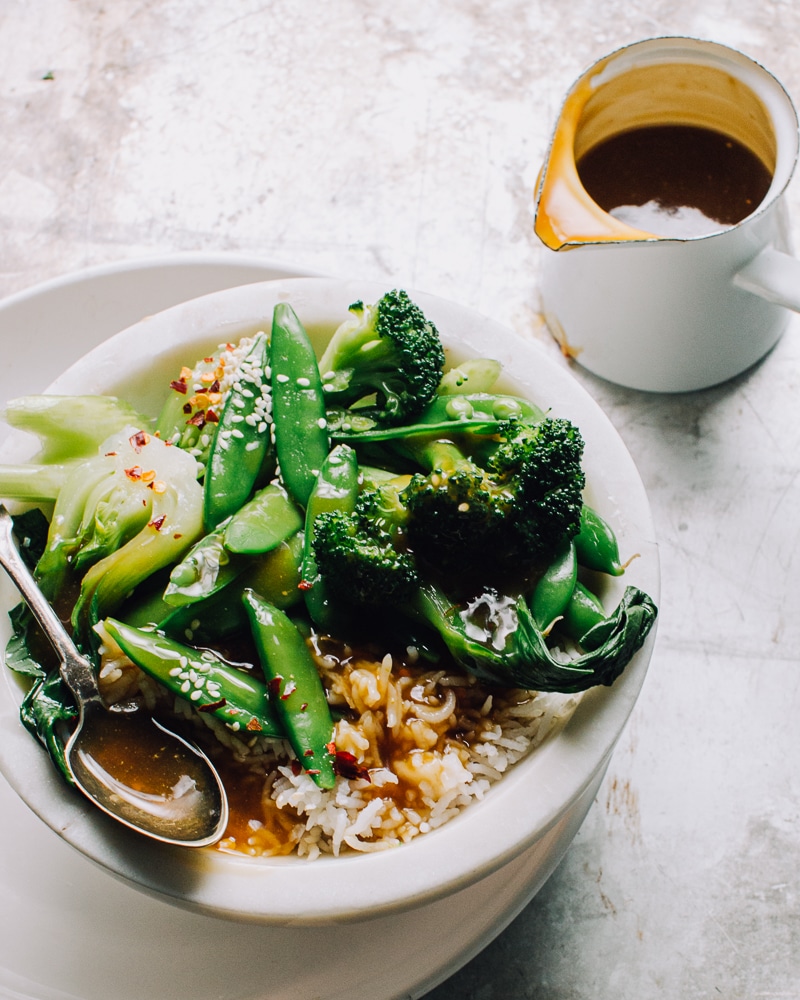
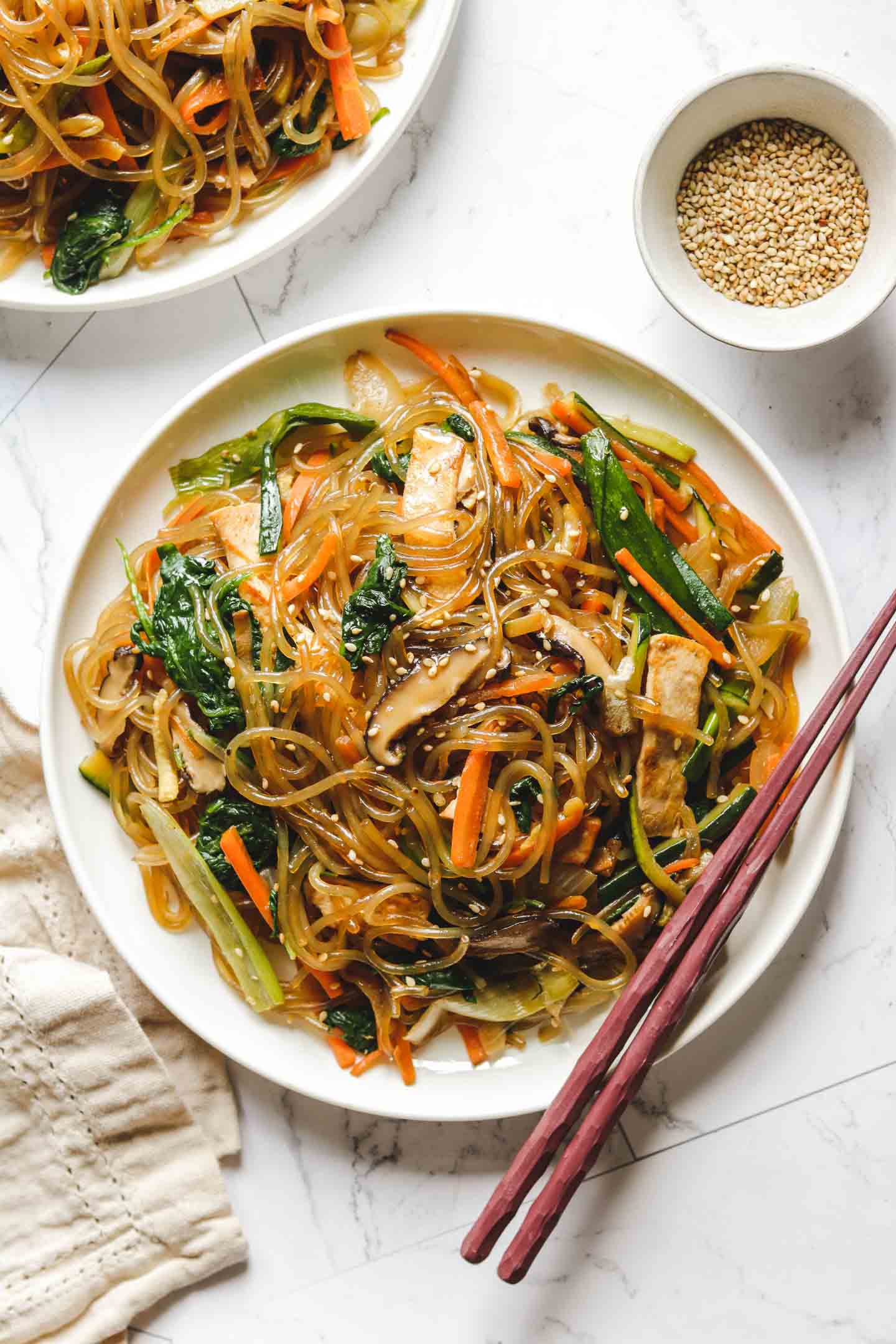
Serve the stir‑fry over steamed rice, quinoa, or cold soba noodles for a japchae feel. A squeeze of lime or a dash of extra sesame oil adds a bright finish.
Visual guide
Imagine three photos: (1) sizzling garlic and ginger, (2) colorful veg hitting the wok, (3) glossy, saucy final dish garnished with seeds. Those mental images help you picture the whole process before you start.
Variations & Substitutions
Korean‑style vs. Chinese vs. Indian twists
Swap the gochujang for black bean sauce and you’ve got a Chinese stir‑fry vegetables makeover. Switch to a blend of garam masala, soy sauce, and a splash of tomato paste, and you’ve turned the dish into an Indian stir‑fry vegetables recipe with a warm, aromatic profile.
Vegan & gluten‑free adaptations
Use tamari instead of soy sauce, replace honey with agave nectar, and skip any animal‑based broth. The result is still bold, crunchy, and completely plant‑friendly.
Batch‑cook & freezer‑proof tips
Prepare extra veg and sauce, toss together, let cool, then portion into freezer‑safe bags. Reheat in a hot pan—avoid soggy aftermath by keeping the veggies slightly undercooked before freezing.
Nutritional Snapshot & Safety Facts
Macro & micronutrient breakdown (per serving)
One cup of this stir‑fry provides roughly 180 calories, 4 g protein, 6 g fiber, 45 % of the daily vitamin C quota, and a modest amount of iron. For exact numbers, see USDA FoodData Central.
Potential allergens & irritants
Common allergens include soy (soy sauce) and sesame (oil, seeds). Some commercial gochujang contains wheat, so double‑check the label if you’re gluten‑sensitive.
Balancing sodium & sugar
Reduce sodium by diluting soy sauce with water or using a low‑sodium version. If you feel the sauce is too sweet, brighten it with a splash of lime juice instead of adding more sugar.
Common Mistakes & Quick Fixes
| Mistake | Why It Happens | Quick Fix |
|---|---|---|
| Veggies turn soggy | Overcrowding the wok, low heat | Cook in batches, keep the wok super‑hot |
| Sauce clumps | Gochujang not properly diluted | Whisk sauce with a splash of water before adding |
| Lack of flavor | Too little sauce or under‑seasoned | Double the sauce or finish with a dash of toasted sesame oil |
| Burnt garlic | Garlic left too long on high heat | Add garlic at the very end, just before the sauce |
Credible Sources & Further Reading
For deeper nutritional insight, the Korean Ministry of Food and Drug Safety publishes guidelines on acceptable sodium levels in fermented foods like gochujang. Food‑science blogs and Korean culinary sites such as Maangchi also provide practical tips on ingredient selection and technique.
Conclusion
There you have it—a vibrant, nutrient‑packed Korean stir‑fry vegetables dish that fits into a busy week yet feels like a treat from a Seoul street stall. By mastering the gochujang sauce, choosing the right veggies, and respecting a few simple cooking tricks, you’ll enjoy a restaurant‑quality meal any night you crave. Give it a try, add your own twist, and share what you discover. Happy cooking!