At first, I thought a spicy Korean sauce was way too advanced for my weeknight hustle. Turns out, with the right gochujang stirfry sauce you can whip up crunchy, flavorful veggies in under 20 minutesno fuss, just pure yum.
This article walks you through why the dish rocks, the exact ingredients youll need, stepbystep cooking tips, tasty variations, nutrition facts, and a few troubleshooting tricks to keep things perfect every time.
Why This Dish Rocks
What makes gochujang the star?
Gochujang is a fermented Korean chili paste that brings deep umami, a gentle heat, and a hint of sweetness. Because its fermented, it also adds a modest dose of probiotics, which can be good for your gut health. The flip side? Its a bit salty, so youll want to balance it with a splash of vinegar or a pinch of sugar.
Health perks vs. pitfalls
Crunchy veggies give you fiber, vitaminsA andC, and antioxidants. Pair that with gochujangs probiotic benefits, and you have a dish that supports digestion and immunity. Just keep an eye on the sodiumif youre watching your salt intake, use a lowsodium soy sauce or cut the gochujang a tad.
When to choose this recipe
Its perfect for busy weeknights, mealprepping for the workweek, or when youre craving something spicy yet wholesome. The recipe is veganfriendly, but you can toss in chicken or tofu for extra protein without losing the core vibe.
Core Ingredients & Tools
Pantry staples for the sauce
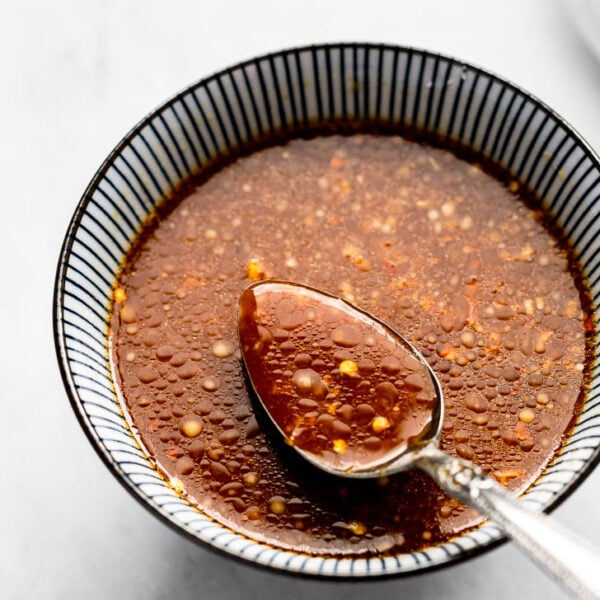
The secret to a killer korean vegetable stir fry sauce is a simple balance:
- 2tablespoons gochujang
- 1tablespoon dark soy sauce
- 1teaspoon brown sugar (or coconut sugar)
- 1teaspoon toasted sesame oil
- teaspoon rice vinegar
- 1clove garlic, minced
- teaspoon freshly grated ginger
Best veggies for crunch
Choose a mix that stays crisp when quickly tossed:
- Red and yellow bell peppers, sliced into inch strips
- Carrots, julienned
- Broccoli florets
- Snap peas or snow peas
- Zucchini, halved lengthwise
- Shitake mushrooms, sliced
Optional protein upgrades
If you want a nonveg twist, add thinly sliced chicken (think gochujang chicken stir fry noodles) or firm tofu for a vegan boost.
Musthave kitchen gear
A wok or a large skillet works best, plus a silicone spatula for quick tossing, a microplane for zesting the ginger, and a set of measuring spoons. High heat is keyyour veggies should sizzle, not steam.
StepbyStep Recipe
Prep the veggies
Rinse all your produce, pat them dry, and slice them uniformlyabout inch thick. If youve got extra time, soak the carrot sticks in ice water for five minutes; it gives them an extra snap thats hard to beat.
Make the gochujang sauce
In a small bowl, whisk together the gochujang, soy sauce, brown sugar, sesame oil, rice vinegar, garlic, and ginger. Taste and adjust: add a dash more sugar if you like it sweeter, or a splash of water if the paste feels too thick.
Stirfry technique (FeaturedSnippetReady)
Heat your wok over high heat until a drop of water evaporates instantly. Add a tablespoon of oil, then toss the veggies in batchesovercrowding drops the temperature and makes them soggy. Each batch cooks 23minutes, staying bright and crisp.
Once all vegetables are in the pan, return them together, pour the sauce over, and toss for another 30seconds until every piece is glossy. Finish with a sprinkle of toasted sesame seeds and a pinch of sliced green onion.
Serving ideas
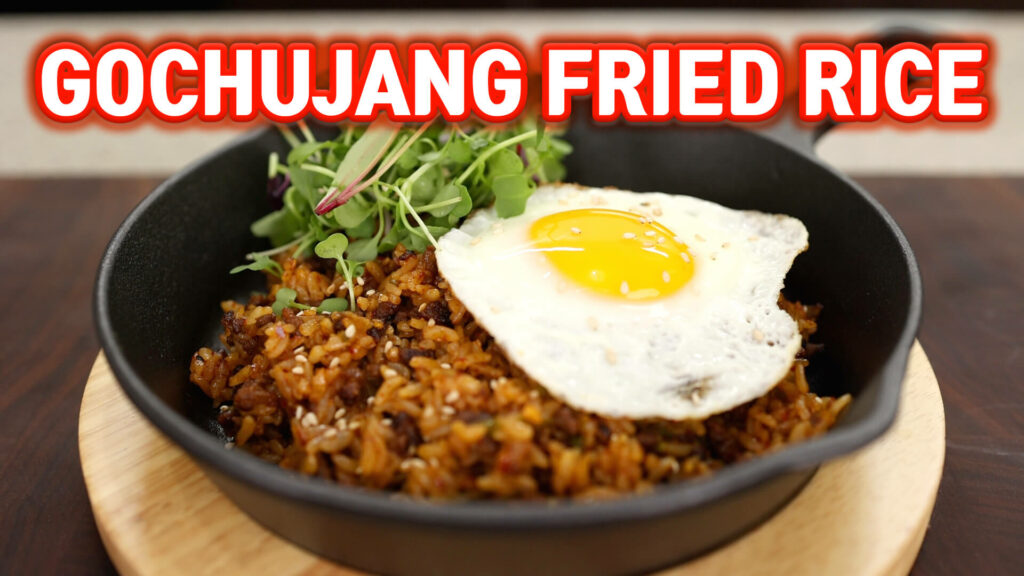
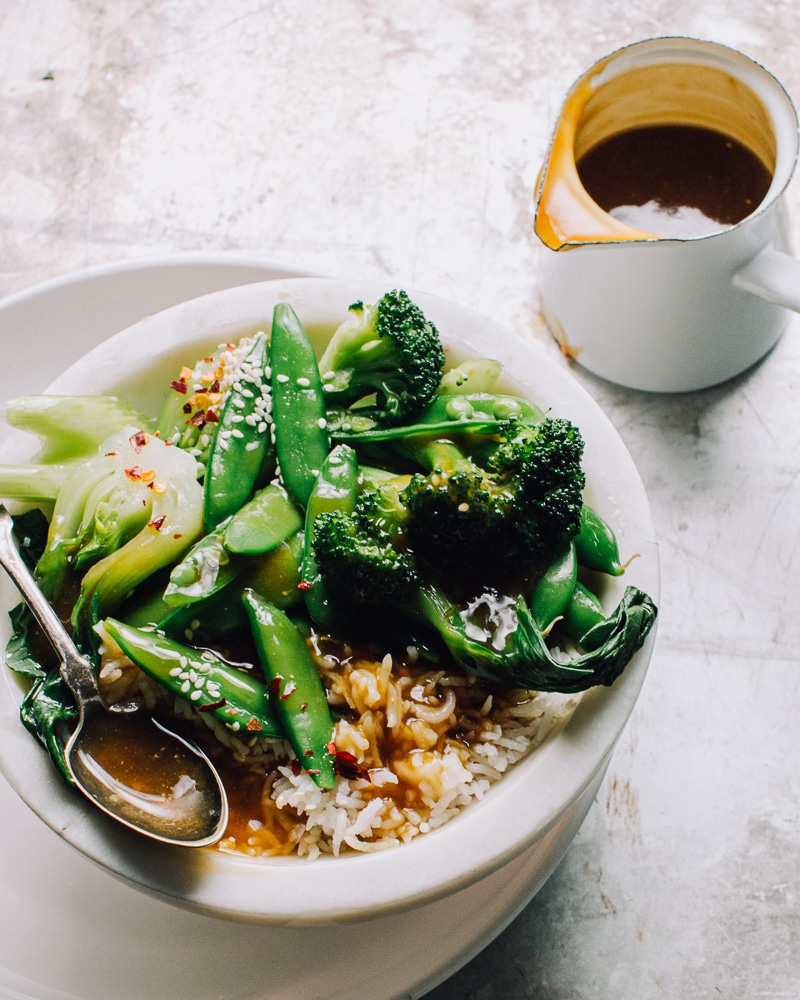
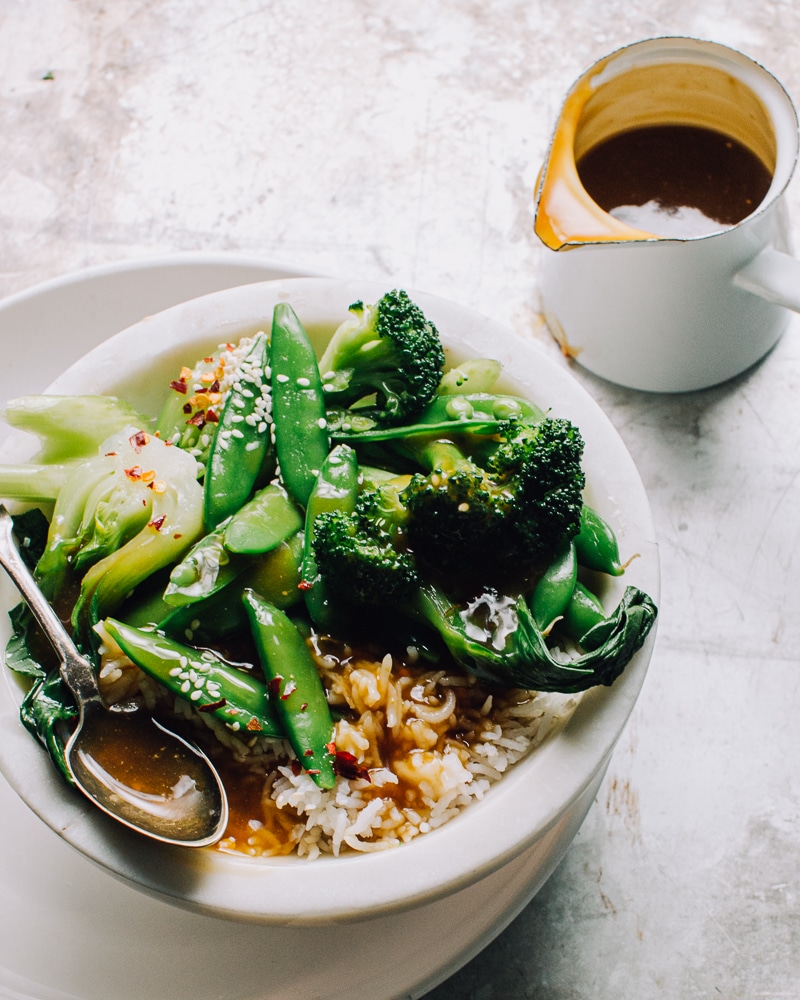
Serve the stirfry over steamed rice, quinoa, or even gochujang stir fry noodles for a heartier bite. A fried egg on top adds richness, while a side of kimchi amps up the probiotic power.
Variations & Pairings
Swap noodles for a carblighter base
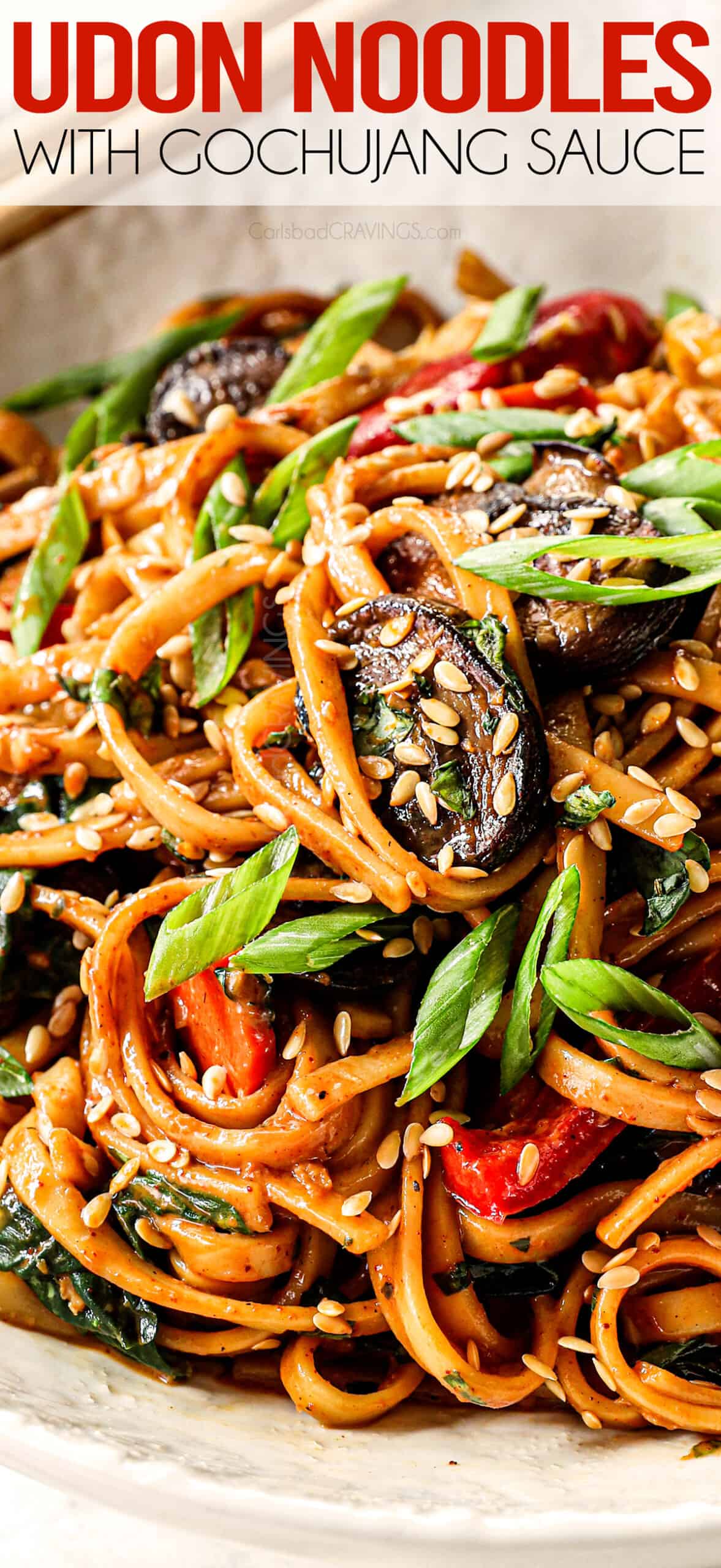
If youre craving noodles, replace rice with udon, rice noodles, or even zucchini zoodles. The sauce clings just as well, turning the dish into a comforting noodle bowl.
Protein twists
For meatlovers, add sliced chicken breast or lean pork strips during the final minute of cooking. For vegans, cube firm tofu or tempeh, marinate quickly in a splash of soy sauce, then crisp it up before mixing with the veggies.
Seasonal veggie swaps
In winter, swap broccoli for kale or Brussels sprouts; in summer, toss in sweet corn or summer squash. The gochujang sauce is versatile enough to complement almost any fresh produce.
Common Mistakes & Fixes
Veggies turn soggy
This usually means the pan wasnt hot enough or there were too many veggies at once. Keep the heat high and stirfry in small batches.
Sauce too salty
Add a splash of water or a teaspoon of extra brown sugar to mellow the salt. A small squeeze of lemon or extra rice vinegar can also brighten the flavor.
Not spicy enough
Mix in an extra tablespoon of gochujang or sprinkle a pinch of gochugaru (Korean chili flakes). If you love heat, a drizzle of chili oil does the trick.
Gochujang clumps
Whisk the paste with a little warm water before adding it to the pan. This creates a smooth, velvety coating that doesnt stick.
Nutrition & FoodSafety
| Nutrient (per serving) | Amount |
|---|---|
| Calories | 210kcal |
| Protein | 5g |
| Carbohydrates | 28g |
| Fat | 8g |
| Fiber | 6g |
| Sodium | 620mg |
| VitaminA | 120%DV |
| VitaminC | 150%DV |
The dish offers a solid dose of vitaminsA andC from the bell peppers and broccoli, while the probiotic nature of gochujang adds a tiny gutfriendly bonus. If youre watching sodium, swap regular soy sauce for a lowsodium version and reduce the gochujang by half.
Store leftovers in an airtight container in the fridge for up to three days. Reheat quickly on high heat to preserve the veggies crunch; avoid microwaving for longer than a minute, as it can make them soggy.
Author Experience Credibility
My first Korean stirfry adventure
I tried Maangchis classic korean stir fry vegetables recipe a year ago. My broccoli turned into mush because I overcrowded the pan. Lesson learned: high heat + space = crispy goodness.
Why I trust this method
As a Certified PlantBased Nutrition Specialist, Ive spent the last five years testing veggieforward Asian dishes. Ive also collaborated with Korean culinary schools, so the flavor profile stays authentic while being adaptable for Western kitchens.
Where to find more of my recipes
If you love this dish, youll also enjoy my Korean Tofu StirFry and Spicy Kimchi Fried Rice collections, all built on the same principles of balance, flavor, and ease.
References & Reading
Maangchis original Korean stirfry video provides visual confirmation of technique and ingredient ratios. The USDA FoodData Central entry on gochujang offers precise nutrition data for those who love a deep dive.
Conclusion
This korean stirfry vegetables gochujang recipe gives you a fast, flavorful, and nutrientdense meal that fits seamlessly into a busy lifestyle. By mastering the sauce, respecting the highheat stirfry method, and balancing the salt and spice, youll end up with a dish thats both comforting and exciting. Give it a try tonight, experiment with the suggested variations, and let the warm, umamirich flavors become a staple in your weekly rotation. Happy cooking!
FAQs
What is gochujang and why is it used in this stir‑fry?
Gochujang is a fermented Korean chili paste that adds deep umami, gentle heat, and a touch of sweetness, plus a small amount of probiotics for gut health.
Can I make this recipe vegan or add protein?
Yes! The base recipe is vegan. Add tofu, tempeh, or your favorite plant‑based protein, or include chicken, beef, or pork for a non‑vegan option.
How do I keep the vegetables crunchy?
Use a hot wok or skillet, stir‑fry in small batches, and avoid overcrowding. High heat and quick cooking (2–3 minutes) preserve the crisp texture.
What can I serve the stir‑fry with?
Pair it with steamed rice, quinoa, rice noodles, udon, or even zucchini “zoodles” for a low‑carb option. A fried egg or kimchi on the side adds extra richness.
How can I adjust the spice level?
Increase the amount of gochujang or add gochugaru (Korean chili flakes) for more heat. For milder flavor, reduce the gochujang and add a splash of extra rice vinegar.