Looking for a sauce that can turn a boring weeknight dinner into a Korean‑inspired flavor explosion? You’re in the right spot. In just a few minutes you’ll have a gochujang stir fry sauce that balances sweet, salty, sour, and that signature kick of heat—perfect for veggies, noodles, chicken, or anything you’d like to toss in a pan.
Stick with me and I’ll walk you through a 5‑ingredient recipe, show three easy ways to use it, point out the most common mistake that makes the sauce turn gummy, and even share a few Reddit‑style tips from people who’ve been there and cooked that.
What Is Gochujang?
Core ingredients & their roles
At its heart, gochujang is a fermented Korean chili paste. It brings depth, umami, and a subtle tang that you can’t get from plain chili powder. The basic Gochujang stir-fry sauce recipe I love uses just five things:
- ½ cup gochujang (look for a brand with low added sugar)
- 2 Tbsp fresh lemon juice brightens the richness
- 1 Tbsp soy sauce salty umami backbone
- 1 Tbsp freshly grated ginger a zingy heat layer
- Optional: 1 Tbsp honey or a splash of water for texture
Sourcing tips & quality markers
If you can, pick a gochujang that lists fermented as the first ingredient and has less than 12% sugar. According to EatingWell, lower‑sugar versions keep the sauce from turning overly sweet and let the peppery notes shine.
Ingredient swaps
Need a gluten‑free version? Swap soy sauce for tamari. Want less heat? Dilute the gochujang with a little more lemon juice or add a dash of rice‑vinegar. The sauce is forgiving—feel free to experiment.
Simple Sauce Recipe
Step‑by‑step instructions
- Combine gochujang, lemon juice, soy sauce, and grated ginger in a small bowl.
- Whisk until smooth. Taste; if you prefer a milder sweetness, stir in honey. If the sauce feels too thick, thin it with a tablespoon of water.
- Let the mixture rest for 2 minutes—this lets the flavors meld.
- When your stir‑fry is hot and the ingredients are nearly cooked through, pour the sauce over the pan and toss for 1‑2 minutes.
Videoready visual guide (suggested embed)
Consider adding a short 60‑second clip that shows the whisking process. A quick visual cue helps readers feel confident, especially those who haven’t handled gochujang before.
Nutrition snapshot
| Serving (2 Tbsp) | Calories | Sodium | Sugar |
|---|---|---|---|
| 45 kcal | 120 mg | 5 g |
Everyday Stir‑Fry Uses
Gochujang stir‑fry vegetables
Got a bag of mixed veggies in the fridge? Toss broccoli, bell peppers, snap peas, and carrots into a hot wok. After they’re just tender, splash the sauce over and stir for another minute. The result is glossy, glossy, and totally addictive.
Full veggie stir‑fry recipe
Ingredients: 2 cups mixed vegetables, 1 Tbsp sesame oil, 1 clove garlic (minced), 2 Tbsp gochujang stir fry sauce. Cook time: 10 minutes.
Gochujang stir‑fry noodles & chicken
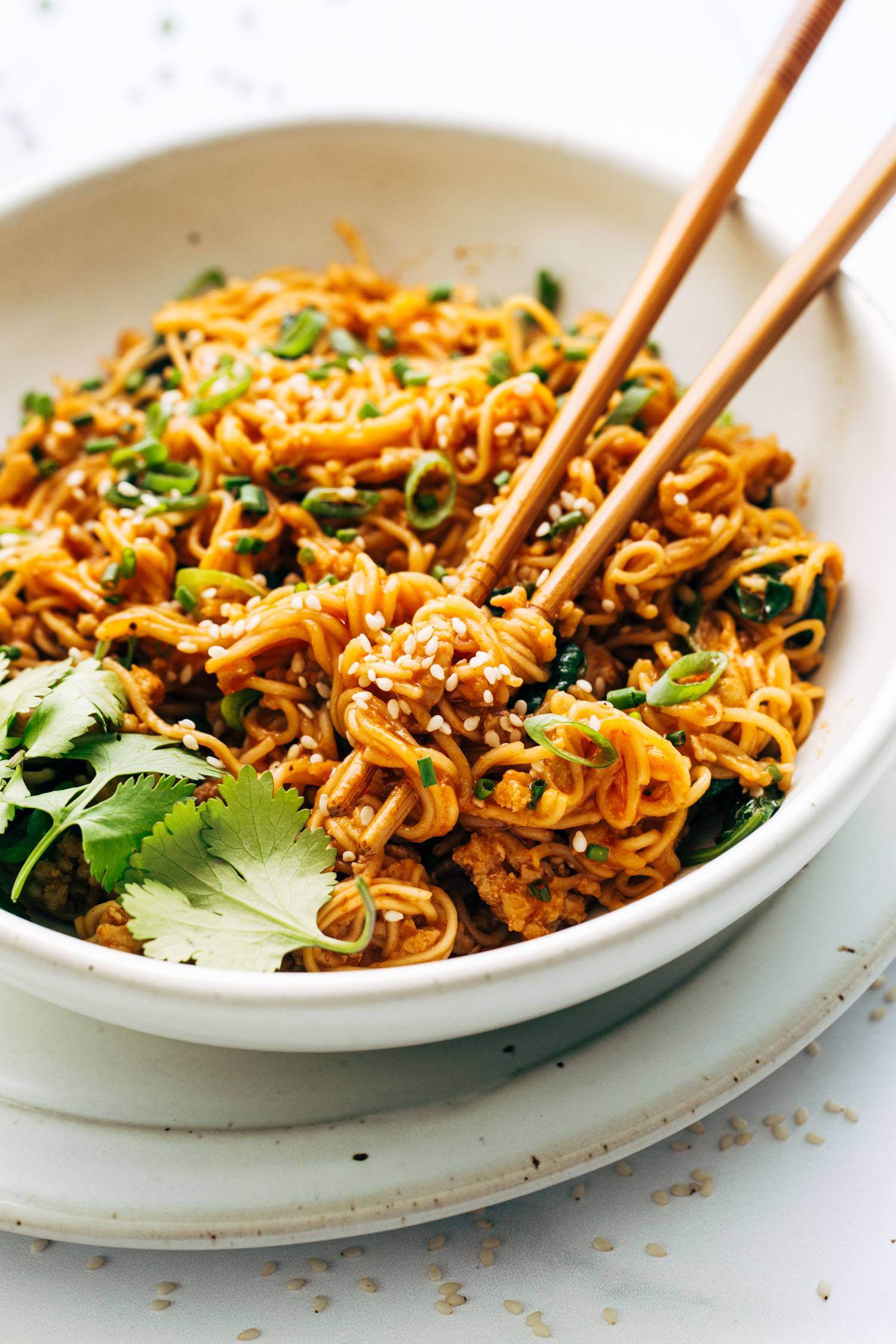
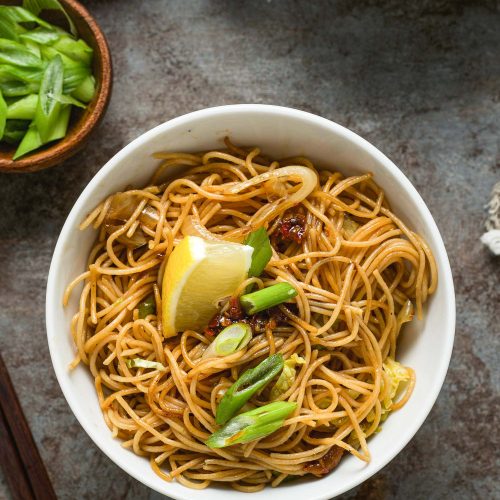
If you’re craving something heartier, cook your favorite noodles (ramen, udon, or rice noodles) al dente. In the same pan, brown bite‑size chicken strips with a little garlic, then pour the sauce over everything. Finish with a sprinkle of toasted sesame seeds.
One‑pan chicken‑noodle recipe
Ingredients: 200 g noodles, 150 g chicken breast (thin strips), 1 Tbsp oil, 2 cloves garlic, 3 Tbsp gochujang stir fry sauce, 1 Tbsp chopped scallions. Cook time: 15 minutes.
Other gochujang sauce uses
Beyond stir‑fry’s, the sauce doubles as a glaze for roasted sweet potatoes, a dip for dumplings, or even a quick marinade for grilled pork chops. Its versatility is one of the reasons it’s a staple in many Korean homes.
Comparison table: gochujang vs. other Korean stir‑fry sauces
| Sauce | Heat Level | Prep Time | Key Flavor |
|---|---|---|---|
| Gochujang | Medium Spicy | 5 min | Fermented, sweet‑salty |
| Doenjang‑Gochujang Mix | Hot | 10 min | Earthy, deep umami |
| Bulgarian‑Style Sweet Chili | Mild | 3 min | Pure sweetness |
Common Mistakes & Fixes
Too thick or too thin?
Many first‑timers find the sauce either clumps like a paste or runs like water. If it’s too thick, whisk in a tablespoon of warm water, a little at a time. If it’s too thin, dissolve ½ tsp cornstarch in cold water and stir it in; the heat will instantly thicken the sauce.
FAQ‑style snippet for Google
Why does my gochujang sauce clump? The starch in gochujang can gelatinize if heated too quickly. Gentle whisking and gradual heat prevent clumping.
Balancing sweetness & heat
Everyone’s heat tolerance varies. Taste the sauce before you add it to the pan. If the heat feels too forward, a drizzle of honey or a splash of rice‑vinegar restores balance. If it’s too sweet, a pinch of extra ginger or a dash of chili flakes will bring the heat back.
Expert Tips & Variations
Chef‑tested twists
Once you’ve mastered the basic version, try these upgrades:
- Finish with 1 tsp toasted sesame oil for a nutty aroma.
- Stir in 1 Tbsp rice‑vinegar for brighter acidity.
- Mix in a pinch of gochugaru (Korean red pepper flakes) for an extra punch.
Seasonal variation: pumpkin & gochujang
In the fall, blend roasted pumpkin puree into the sauce. The natural sweetness of pumpkin pairs beautifully with the fermented heat, creating a comforting bowl for chilly evenings.
Health perspective
Fermented foods like gochujang can support gut health by providing probiotic cultures. However, keep an eye on the sodium: a single tablespoon can contain up to 500 mg. If you’re watching your salt intake, use low‑sodium soy sauce or dilute the sauce with a splash of broth.
Community Insights (Reddit)
What real cooks say
Scrolling through Reddit, I found two recurring themes: people love the speed of the 5‑ingredient version, but many complain about the sauce separating when left to sit. The fix? Re‑whisk just before serving, or store it at room temperature for no more than a day.
Real‑world anecdote
My friend Maya tried the sauce for a quick weekday dinner. She mixed it with bok choy and tofu, and said the whole family asked “What’s the secret?” She later told me she added a splash of orange juice—an accidental tweak that gave the dish a sunny finish. Stories like Maya’s remind us that cooking is as much about experimentation as it is about recipes.
Conclusion
There you have it—a lightning‑fast Gochujang stir-fry sauce recipe that you can whisk together in minutes, three solid ways to use it, and a handful of pro tips to keep the texture perfect every time. Whether you’re tossing crisp vegetables, coating slippery noodles, or glazing chicken strips, this sauce is your passport to a tasty Korean‑inspired meal without the hassle.
Give the recipe a spin, tweak the flavors to your liking, and feel free to share your own twists. If you’re hungry for more quick Asian sauces, let’s keep the conversation going—your next favorite dish might be just a whisk away.
FAQs
How long can I store homemade gochujang stir fry sauce?
Keep it in an airtight jar in the refrigerator for up to 5 days. For longer storage, freeze in ice‑cube trays and transfer the cubes to a freezer bag.
Can I make the sauce gluten‑free?
Yes—simply swap regular soy sauce for tamari or a low‑sodium gluten‑free soy alternative. The flavor remains essentially the same.
What can I use if I can’t find gochujang?
Blend together Korean chili flakes (gochugaru), miso paste, a touch of honey, and a splash of rice vinegar. It won’t be identical but gives a similar sweet‑spicy depth.
Why does the sauce thicken when I heat it?
Gochujang contains starch that gelatinizes at high heat. Whisk the sauce gently and add a little warm water or broth gradually to keep it smooth.
How do I adjust the heat level of the sauce?
For milder flavor, add extra lemon juice or a dash of rice vinegar. To crank up the spice, stir in extra gochugaru, a splash of hot sauce, or freshly minced chili.