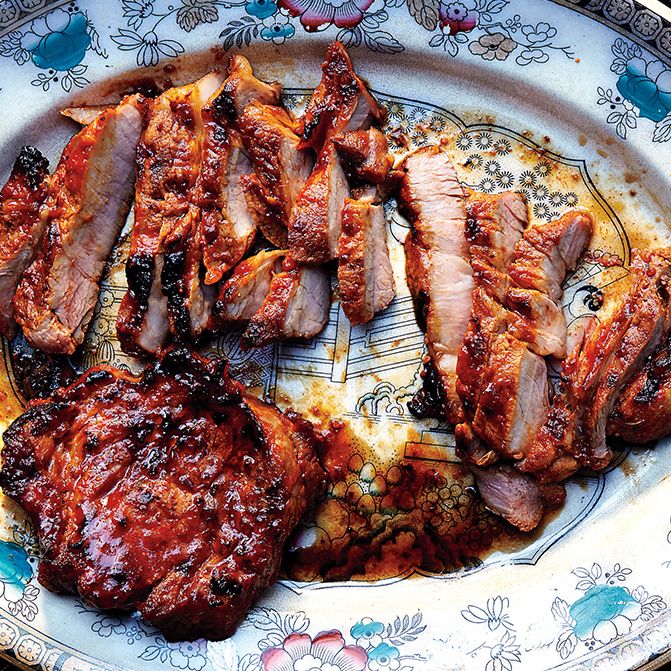
Looking for a quick, flavorpacked dinner that makes you feel like you just walked out of a Seoul street market? Youre in the right place. In the next few minutes Ill walk you through a gochujang pork recipe that takes under half an hour, uses ingredients you probably already have, and lets you customize it for pork belly, pork chops, or even a Filipinostyle twist. No fluff, just the good stuff you need to start cooking right now.
What Youll Get
By the end of this guide youll have a solid, stepbystep method for a spicy pork recipe that delivers a glossy, caramelized glaze without turning the meat mushy. Youll also walk away with three easy variationsgochujang pork belly, gochujang pork chops, and a korean ground pork recipeso you can keep the menu fresh all week.
Ingredients List
Gather these items before you start. The list is designed to work for the base korean pork recipe, and each variation swaps in a single ingredient or two.
Core Ingredients (Base Gochujang Pork)
- 1lb pork shoulder or thinly sliced pork belly (cut into 1/2inch pieces)
- cup gochujang (Korean redpepper paste)
- 1Tbsp soy sauce (lowsodium if youre watching salt)
- 1Tbsp brown sugar or honey
- 1tsp ricewine (mirin) or a splash of apple cider vinegar
- 2cloves garlic, minced
- 1tsp fresh ginger, grated
- 1Tbsp sesame oil
- 2Tbsp vegetable oil (for searing)
- cup water or chicken broth (helps the sauce thin a bit)
- Optional garnish: sliced green onions, toasted sesame seeds
Optional AddOns for Variations
- Ground pork (lb) perfect for a quick bowl
- Pork chops (2 thick pieces) ideal for grilling
- Calamansi juice & extra brown sugar for the korean pork recipe filipino style
- Additional veggies: bell peppers, zucchini, or cabbage
Ingredient Quality Tips
Choose pork with about 10% fat; this keeps the meat juicy while letting the glaze cling. If you can, pick authentic gochujang from an Asian market or a reputable online retailerlook for a paste that lists rice, fermented soybeans, and red pepper as the first three ingredients. The flavor difference is night and day.
Equipment & Prep
MustHave Tools
- Large wok or nonstick skillet (a heavybottomed pan is best)
- Small mixing bowl (for the marinade)
- Kitchen timer (or your phone) to keep the sear quick
- Measuring spoons and a spatula
Prep Checklist (Speed Hacks)
- Pat the pork dry with paper towelsdry meat sears better.
- Mix gochujang, soy sauce, sugar, mirin, garlic, and ginger in the bowl. No need to refrigerate; the pork only needs a 5minute soak.
- Slice any vegetables now so theyre ready to toss in at the end.
StepbyStep Cooking
1 Quick 5Minute Marinade
Throw the pork pieces into the bowl, stir to coat, and let them sit for exactly five minutes. This short marinade lets the flavors penetrate without making the meat mushya common pitfall many home cooks hit when they overmarinate.
2 HighHeat Sear
Heat the wok over mediumhigh heat until a drop of water sizzles. Add 2Tbsp vegetable oil, swirl, then pop in the pork in a single layer. Let it sit untouched for about 2minutes; youll see a deep ruby crust forming. Flip and sear the other side for another 2minutes.
3 Sauce Finish & Glaze
Push the pork to the side of the pan, pour the remaining sauce (including the leftover bits from the bowl) into the center, and add cup water or broth. Stir everything together, scraping up the caramelized bitsthis is where the flavor lives. Reduce the heat to medium and let the sauce thicken for 34 minutes, tossing the pork occasionally so every piece gets glossy.
4 Serve & Enjoy
When the glaze hugs the pork like a silk scarf, turn off the heat. Drizzle a touch of sesame oil, sprinkle green onions and sesame seeds, and serve over steamed rice, lettuce leaves, or a bed of sauted veggies. Youve just created a spicy pork recipe that looks restaurantready but took less than half an hour.
Visual Cues (Expert Tip)
The pork should be a deep, glossy red, and the sauce should coat the pan like a glossy caramel. If it looks watery, give it a minute longer; if it looks too thick, splash a little more broth. Trust your eyes and nosetheyre the best guides.
Flavor Variations
Gochujang Pork Belly (Crispy Edges)
Swap the shoulder for a slab of pork belly. After searing, finish under a broiler for 2minutes to crisp the fat. The result is a satisfyingly crunchy bite that pairs beautifully with a simple cucumber salad.
Gochujang Pork Chops Grill Friendly
Marinate two thick pork chops for 30minutes (you can do this while the water boils for rice). Grill over mediumhigh heat, about 4minutes per side, then baste with the remaining gochujang sauce. Youll get those coveted grill marks and a smoky depth.
GroundPork Gochujang Bowl (Quick Weeknight)
Use lb ground pork instead of sliced meat. Brown it in the wok, then add the sauce and let it reduce. Serve over rice, topped with a fried egg and a sprinkle of kimchi for an instant comfort bowl.
FilipinoStyle Gochujang Pork
For a sweettangy twist, add the juice of one calamansi (or substitute lime) and an extra tablespoon of brown sugar to the sauce. This korean pork recipe filipino style bridges two culinary worlds and is a hit at family gatherings.
Comparison Table
| Variation | Cut | Cook Time | Key Extra Ingredient | Best Served With |
|---|---|---|---|---|
| Pork Belly | Pork belly | 30min | None | Steamed rice & kimchi |
| Pork Chops | Pork chops | 10min | None | Grilled vegetables |
| Ground Pork Bowl | Ground pork | 15min | Hoison (optional) | Rice or noodles |
| FilipinoStyle | Pork shoulder | 35min | Calamansi juice & extra sugar | Garlic rice & fried egg |
Health & Safety Balance
Nutritional Snapshot
A typical cup serving of this gochujang pork recipe clocks in at around 250kcal, with 12g protein, 10g carbs, and 15g fat. The sauce provides a modest amount of fiber from the fermented gochujang and antioxidants from red pepper.
Benefits of Gochujang
Gochujang is a fermented food, meaning it contains probiotic cultures that can aid digestion. The capsaicin in red pepper has been linked to a temporary boost in metabolism; a study from the CDC notes that moderate spicy food consumption may support heart health.
Risks & How to Mitigate Them
- High sodium: Use lowsodium soy sauce and rinse the pork briefly after marinating if youre saltsensitive.
- Spiciness for kids: Halve the gochujang amount and add a touch more honey to balance the heat.
- Food safety: Cook pork to an internal temperature of 145F (63C) and let it rest for three minutes before serving.
Storage & Reheating
Store leftovers in an airtight container in the fridge for up to three days. To reheat, warm gently in a skillet over low heat, adding a splash of water if the sauce has thickened too much. For longer storage, freeze in portionsize bags for up to two months.
Expert Insights & Sources
Where the Knowledge Comes From
The core technique mirrors Maangchis celebrated Dwaejigogibokkeum, a classic korean pork gochujang stirfry that has topped YouTube for years. The variations draw from recipes on EasyMacromeals.com (ground pork bowl) and traditional Filipino adobo flavor profiles.
Suggested Further Reading
If youre curious about the science behind fermented foods, the USDAs nutrition research page offers deep dives into probiotics and their health impact.
Conclusion
There you have ita complete, friendly guide to mastering a gochujang pork recipe thats fast, tasty, and flexible enough to keep your meals exciting. Whether you stick with the classic stirfry, experiment with pork belly crispness, or give it a Filipinostyle sweet twist, youll be serving up bold Korean flavors without the guesswork. Feel free to mix in your favorite veggies, adjust the heat, and make this dish truly yours. Happy cooking, and enjoy the burst of flavor at every bite!
FAQs
What cut of pork works best for this gochujang pork recipe?
Thinly sliced pork shoulder, pork belly, or pork chops all work well. Choose a cut with about 10% fat for juiciness and flavor.
Can I reduce the spiciness of the dish?
Yes—halve the amount of gochujang and add a little extra honey or brown sugar to balance the heat.
How do I know when the pork is fully cooked?
Use a meat thermometer: the internal temperature should reach 145 °F (63 °C). Let it rest 3 minutes before serving.
What are good side dishes to serve with gochujang pork?
Steamed rice, lettuce wraps, sautéed veggies, kimchi, or a simple cucumber salad complement the dish nicely.
How can I store leftovers and reheat them?
Cool the pork quickly, then refrigerate in an airtight container for up to 3 days. Reheat gently in a skillet with a splash of water or broth.