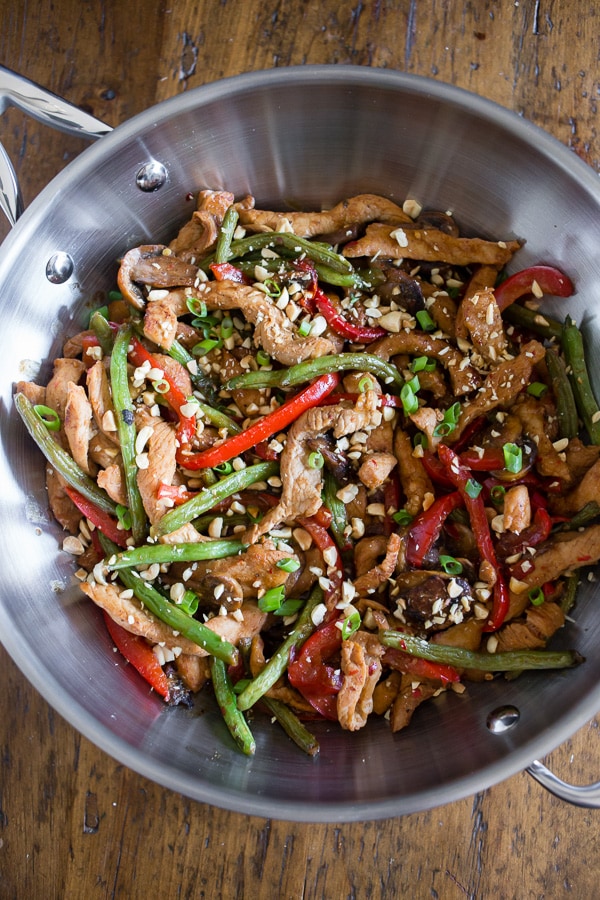
Craving something bold, juicy, and a little bit fiery? Youre in the right place! In just about 25minutes you can whip up a Korean spicy chicken stir fry that tastes like it came from a bustling Seoul streetfood stall. Below youll find a stepbystep guide, handy tips, and ways to tweak the dish so it fits your pantry and your palate.
What Is Dak Galbi
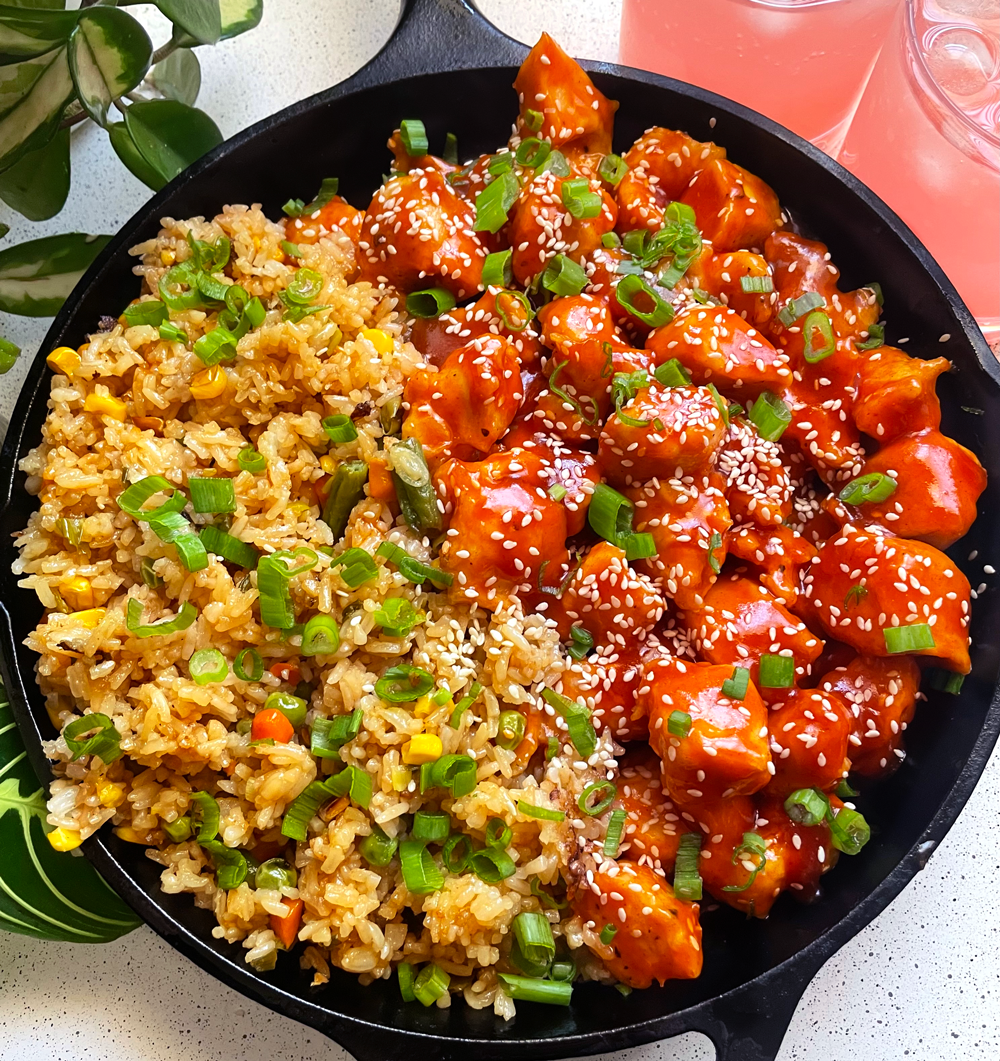
Dakgalbi literally means chicken ribs, even though the dish doesnt use actual ribs. Its a beloved Korean comfort food made from bitesize chicken pieces cooked on a hot plate with a sweetspicy gochujangbased sauce, rice cakes, and a medley of vegetables. The magic lies in the caramelized edges that develop when the chicken hits the high heat, locking in moisture and flavor.
People often confuse dakgalbi with generic Korean chicken stir fry or noodlebased versions. While they share a similar sauce, dakgalbi is distinct for its thick, slightly sticky glaze and the inclusion of tteok (cylindrical rice cakes) that soak up every drop of heat.
| Dish | Key Differences |
|---|---|
| Dak Galbi | Chicken chunks, gochujang sauce, rice cakes, caramelized glaze |
| Korean Chicken Stir Fry | Often uses thinner strips, lighter sauce, may omit rice cakes |
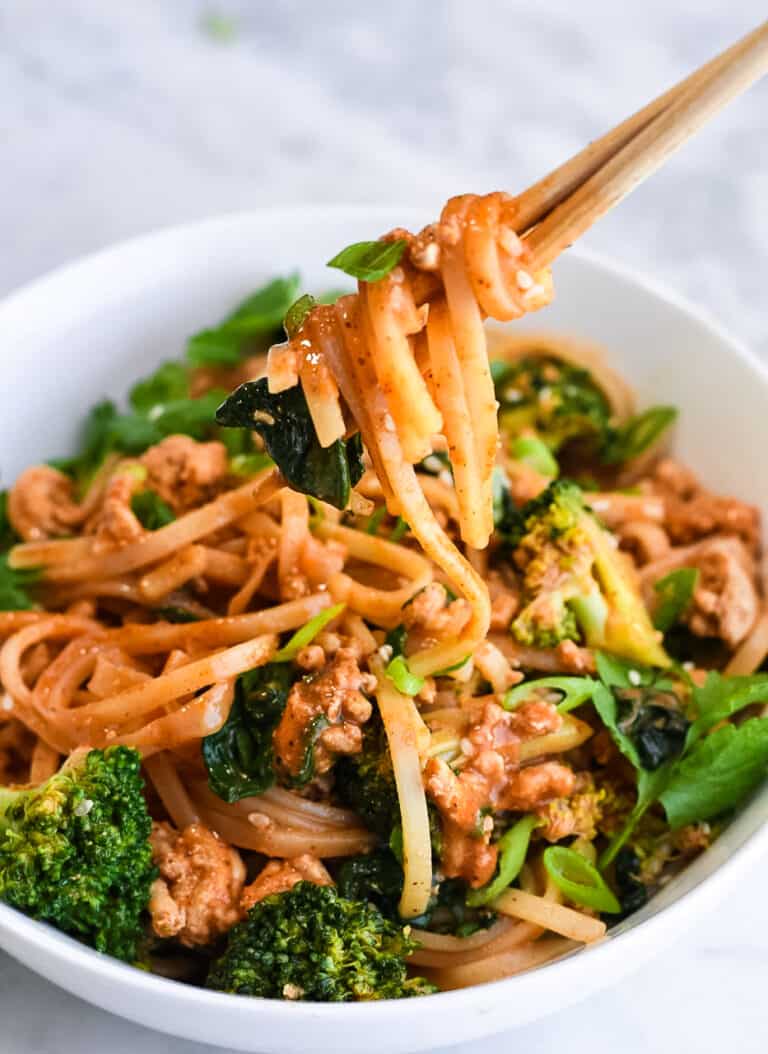
| Korean Chicken Stir Fry Noodles | Includes cooked noodles, sauce is thinner to coat pasta |
| Korean Gochujang Chicken Stir Fry | Focuses on gochujang without rice cakes, can be baked |
Ingredients Checklist
Grab everything before you fire up the stove. Having a complete list ready saves time and keeps the cooking flow smooth.
Main Ingredients
- 1lb (450g) boneless skinless chicken thighs, cut into 1inch cubes (you can use breast, but thighs stay juicier)
- 1cup Korean rice cakes (tteok), sliced diagonally
- 1 medium sweet potato, peeled and cut into bitesize wedges
- 2cups chopped green cabbage
- 1cup perilla (kkaennip) leaves or substitute with fresh basil
- 2tbsp vegetable oil (highsmoke point)
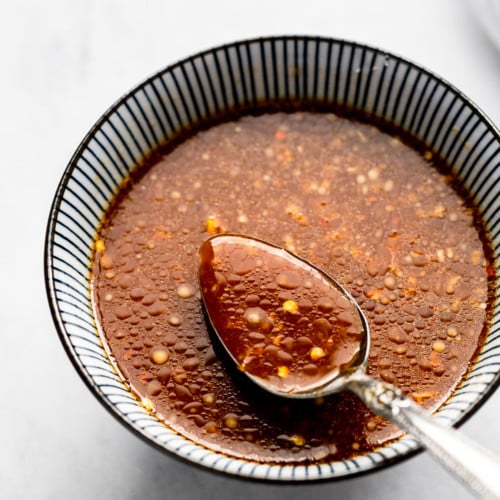
For the Korean Chicken StirFry Sauce
- 3tbsp gochujang (Korean redpepper paste)
- 1tbsp gochugaru (Korean chili flakes) adds texture
- 2tbsp soy sauce (or tamari for glutenfree)
- 1tbsp brown rice syrup or honey for subtle sweetness
- 1tbsp minced garlic
- 1tsp grated ginger
- 1tbsp sesame oil (adds a nutty finish)
Optional AddIns & Swaps
- Shredded mozzarella for cheesedakgalbi sprinkle in the last 2minutes
- Spaghetti or rice noodles if you want a noodlecentric version
- Lowsodium soy sauce or coconut aminos for a hearthealthier tilt
Cooking Steps
1. Marinate the Chicken
In a bowl, combine the chicken cubes with half of the gochujang sauce, garlic, ginger, and a splash of sesame oil. Let it sit for at least 10minutes (or up to an hour in the fridge). This short marination gives the meat a flavor boost and helps it stay moist while it sears.
2. Prep the Veggies
While the chicken marinates, toss the sweet potato wedges in a little oil and a pinch of salt. This precooking step ensures they become tender without turning mushy later.
3. Heat the Pan
Use a castiron skillet or a heavybottomed wok. Heat it over mediumhigh until a drop of water sizzles and evaporates. Add the oil, then the marinated chicken. Spread it out so each piece makes contact with the surface thats how you get those coveted golden edges.
4. Add the Sweet Potatoes
After the chicken starts to brown (about 34minutes), stir in the sweet potatoes. Let them sit for a minute to develop a little crust, then give everything a good toss.
5. Introduce the Sauce & Rice Cakes
Pour the remaining sauce over the skillet, then add the rice cakes and cabbage. Reduce the heat to medium and stir continuously for 57minutes. Youll notice the sauce thickening and clinging to each piece thats the sweetspicy glaze forming.
6. Finish with Fresh Herbs
Turn off the heat and fold in the perilla leaves. Their bright, slightly peppery flavor lifts the dish and adds a pop of green that looks gorgeous on the plate.
7. Serve Immediately
Dakgalbi is best enjoyed hot, straight from the skillet. Pair it with steamed rice, or for a lowcarb option, serve it over cauliflower rice. If you love the communal vibe, let guests pull the chicken and veggies onto lettuce leaves and bitewrap them.
Flavor Variations
CheeseDakGalbi
If youre a cheese lover, sprinkle 1/2cup shredded mozzarella over the skillet during the last two minutes of cooking. Cover the pan briefly; the cheese will melt into a gooey blanket that perfectly balances the heat.
LowSugar / GlutenFree
Swap brown rice syrup for a drizzle of pure maple syrup or a teaspoon of stevia. Replace soy sauce with tamari or coconut aminos, and youll keep the dish both sweet and safe for gluten sensitivities.
OnePot Noodle Twist
Cook 200g of dried Korean wheat noodles (or any firm noodle) separately. Toss them into the skillet right after the sauce thickens, letting them soak up the glaze for a minute or two. This creates a hearty, comforting bowl thats perfect for cooler evenings.
| Variation | Key Change | Result |
|---|---|---|
| Cheese Dak Galbi | Add mozzarella | Rich, creamy finish; milder heat perception |
| LowSugar/GlutenFree | Maple syrup + tamari | Healthconscious version without sacrificing flavor |
| OnePot Noodle | Include cooked noodles | Satisfying, noodleladen stew |
Nutrition Benefits
When you look at the numbers, a typical serving (about 1cup) of dakgalbi delivers roughly:
| Component | Amount per Serving |
|---|---|
| Calories | 320kcal |
| Protein | 22g |
| Carbohydrates | 35g (mostly from rice cakes & sweet potatoes) |
| Fat | 12g (healthy fats from sesame oil) |
| Sodium | 820mg (depends on soy sauce) |
Beyond the macro profile, gochujang brings capsaicin, which can boost metabolism and aid circulation. The dish also supplies vitaminC from cabbage, potassium from sweet potatoes, and iron from chicken thighs. However, keep an eye on sodium if youre watching blood pressure you can always halve the soy sauce or rinse the rice cakes briefly.
Pro Cooking Tips
Dont Overcrowd the Pan
Stacking chicken chunks forces them to steam rather than sear. If youre making a large batch, cook in two rounds. Youll end up with that coveted caramelized crust on every piece.
Use a CastIron Skillet
Its even heat distribution ensures the sauce reduces uniformly and the rice cakes dont stick. If you only have a nonstick pan, add a splash more oil and keep the heat slightly lower.
Balance Sweetness and Heat
If the sauce feels too spicy, stir in an extra teaspoon of rice syrup or a dash of apple cider vinegar for brightness. Too sweet? Add a pinch of extra gochugaru or a few drops of lime juice.
Serve with Complementary Sides
A small bowl of kimchi, a drizzle of sesame seeds, or a glass of lightly chilled makgeolli (Korean rice wine) elevates the experience. The acidity of kimchi cuts through the richness, creating a harmonious bite.
Storing & Reheating
Leftovers are a blessing. Transfer the cooled stir fry to an airtight container and refrigerate for up to three days. When reheating, place it in a skillet over medium heat, adding a splash of water or broth to revive the sauces sheen. Microwaving works, but youll lose the delightful charred edges.
For mealprep fans, portion the cooked dakgalbi into four containers, add a side of brown rice or quinoa, and youve got a readytogo lunch that stays tasty all week.
Final Thoughts
There you have it a fullflavored, easytomake Korean spicy chicken stir fry thats as versatile as it is delicious. Whether you stick to the classic recipe, melt some cheese on top, or toss in noodles for a heartier bowl, the core of dakgalbi that zingy, caramelized gochujang glaze remains the star.
Give this dish a try tonight, and feel free to experiment with the variations that suit your taste. If youve ever wondered how a simple skillet can deliver restaurantlevel flavor, you now have the blueprint. Happy cooking, and enjoy the fiery, comforting goodness of Korean spicy chicken stir fry!
FAQs
How spicy is Korean spicy chicken stir fry?
The heat comes from gochujang and gochugaru, giving it a medium‑spicy level. You can dial it down by using less chili flakes or adding a bit more honey or brown rice syrup.
Can I use chicken breast instead of thighs?
Yes, chicken breast works, but thighs stay juicier and more flavorful. If you use breast, cut it into uniform cubes and watch the cooking time closely to avoid dryness.
What can I substitute for Korean rice cakes (tteok)?
Soft rice noodles, sliced lotus root, or even diced potatoes can replace tteok. Just ensure they’re pre‑cooked enough to absorb the sauce without falling apart.
How should I store leftovers?
Cool the stir‑fry to room temperature, then transfer it to an airtight container. Refrigerate for up to 3 days. Reheat in a skillet with a splash of water or broth to revive the glaze.
Is there a gluten‑free version of this dish?
Swap regular soy sauce for tamari or coconut aminos, and make sure any gochujang you buy is gluten‑free. The rest of the ingredients are naturally gluten‑free.