Looking for a sauce that can turn a handful of veggies into a Koreanstyle flavor bomb in under five minutes? Youve just found it. Below youll get three shortcut sauces (3,4,5ingredient), a couple of spicy twists, a fullstep recipe, and practical tips so you can serve up a tasty, balanced meal any night of the week.
Why This Sauce Works
Honestly, the biggest hurdle to a satisfying stirfry isnt the veggiesits the sauce. A good Korean vegetable stir fry sauce delivers that signature sweetsaltyumami harmony, a whisper of heat, and a glossy finish that makes everything look restaurantready. And the best part? You dont need a pantry full of exotic ingredientsjust five staples, and youll have a sauce that feels both authentic and adaptable.
Can a sauce be both simple and complex?
Absolutely. By pairing lowsodium soy sauce with fermented gochujang, you get depth from the umamirich soy and a subtle, lingering heat from the chili paste. Add rice vinegar for brightness, a dash of sesame oil for nuttiness, andif you likea tiny sweetener, and youve got a balanced profile that works with anything from broccoli to zucchini.
Core Ingredients Overview
| Ingredient | Role in the Sauce | Health/Flavor Note |
|---|---|---|
| Lowsodium soy sauce | Salty umami base | Reduces sodium load vs. regular soy |
| Gochujang (Korean chili paste) | Depth, mild heat | Fermented probiotics (see fermentation and gut benefits) |
| Rice vinegar | Bright acidity | Balances sweetness and cuts richness |
| Sesame oil | Nutty aroma | Provides hearthealthy fats in tiny amounts |
| Honey or brown sugar (optional) | Rounds flavor | Use tsp for a lowcalorie sweet note |
All of these items are pantryfriendly. If youre cooking for someone on a glutenfree diet, simply swap the soy sauce for tamari without changing any other proportions.
Build Your Sauce
3Ingredient StirFry Sauce (Super Quick)
Ingredients:
- cup lowsodium soy sauce
- 2Tbsp gochujang
- 1Tbsp rice vinegar
Quick Method
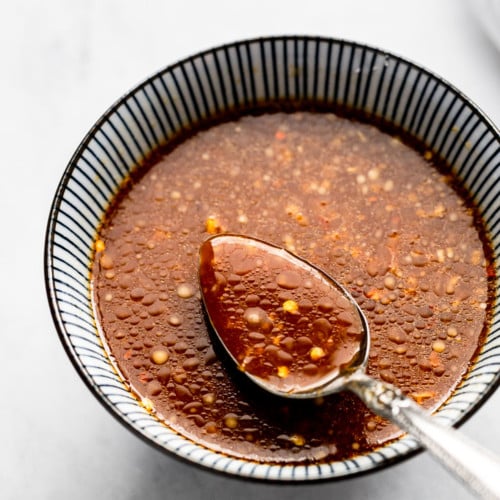
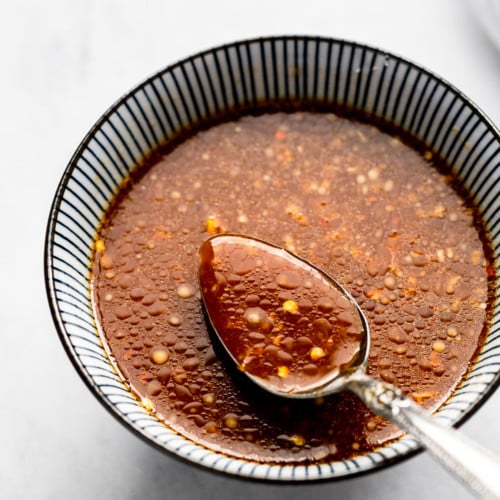
Whisk the three ingredients together in a small bowl. Heat the mixture for about 30 seconds in a hot wok, then toss your veggies. Thats itno measuring cups, no fuss.
4Ingredient StirFry Sauce (Balanced)
Take the 3ingredient mix and add 1tsp sesame oil. The oil emulsifies the sauce, giving it that restaurantstyle shine.
Pro Tip
Use a small jar with a lid: add the ingredients, shake Looking for a sauce that can turn a handful of veggies into a Koreanstyle flavor bomb in under five minutes? Youve just found it. Below youll get three shortcut sauces (3,4,5ingredient), a couple of spicy twists, a fullstep recipe, and practical tips so you can serve up a tasty, balanced meal any night of the week. Honestly, the biggest hurdle to a satisfying stirfry isnt the veggiesits the sauce. A good Korean vegetable stir fry sauce delivers that signature sweetsaltyumami harmony, a whisper of heat, and a glossy finish that makes everything look restaurantready. And the best part? You dont need a pantry full of exotic ingredientsjust five staples, and youll have a sauce that feels both authentic and adaptable. Absolutely. By pairing lowsodium soy sauce with fermented gochujang, you get depth from the umamirich soy and a subtle, lingering heat from the chili paste. Add rice vinegar for brightness, a dash of sesame oil for nuttiness, andif you likea tiny sweetener, and youve got a balanced profile that works with anything from broccoli to zucchini. All of these items are pantryfriendly. If youre cooking for someone on a glutenfree diet, simply swap the soy sauce for tamari without changing any other proportions. Ingredients: Whisk the three ingredients together in a small bowl. Heat the mixture for about 30 seconds in a hot wok, then toss your veggies. Thats itno measuring cups, no fuss. Take the 3ingredient mix and add 1tsp sesame oil. The oil emulsifies the sauce, giving it that restaurantstyle shine. Use a small jar with a lid: add the ingredients, shake vigorously for 10 seconds, and you have a perfectly blended glossy sauce. For those who love a whisper of sweetness, stir in tsp honey or brown sugar. Want more heat? Up the gochujang to 3Tbsp. Prefer a tangier bite? Add an extra splash of rice vinegar. The sauce is forgivingfeel free to tailor it to your palate. This is the goto for many Korean home cooks. Saut a mix of bok choy, carrots, and mushrooms, then finish with the 5ingredient sauce. The result is a comforting, slightly spicy side that pairs perfectly with rice or noodles. A recent thread on r/EatCheapAndHealthy shared a superbudget version: 2Tbsp gochujang, 1Tbsp white vinegar, 1Tbsp soy sauce, 1Tbsp sesame oil, and a sprinkle of toasted sesame seeds. I tried it on a $5 grocery run, and even my picky teen asked for seconds. Mix 3Tbsp gochujang with 1tsp sriracha for layered heat. Its ideal when you want a sauce that keeps the palate engaged throughout the meal. The whole process takes under ten minutes from start to plate. If youre feeding a crowd, simply double the sauce and the veggiesno scaling issues. Both sauces excel in their own cuisines, but the fermented depth of gochujang gives the Korean version a lingering complexity that many Western cooks find intriguing. Shake the sauce in a jar or whisk it vigorously before adding to the pan. A wellemulsified sauce clings to each veggie, delivering flavor in every bite. Two to three minutes of highheat stirfrying preserves the crunch and keeps nutrients intact. Overcooking turns broccoli into mushno one wants that. If the sauce feels overly salty for your taste, dilute with a splash of lowsodium broth or water (about cup). Youll still retain the umami while mellowing the salt. Warm the gochujang gently before whisking, or add 12Tbsp warm water. This prevents clumps and ensures an even coating. For deeper nutrition data, consult the USDA FoodData Central. If youre curious about Korean culinary traditions, the Korean Food Foundation offers excellent cultural context (see their ). There you have ita pocketsize arsenal of sauces that can transform any vegetable medley into a Koreanstyle feast in minutes. Whether you need a lightningfast 3ingredient fix or youre ready to experiment with spicy gochujang twists, the recipes above let you tailor flavor, heat, and sweetness to your liking. So grab that wok, whisk up your sauce, and let the aroma of sesame and chilies fill your kitchen. Happy cooking, and feel free to share your own sauce tweaksafter all, the best recipes are the ones that evolve with us. The core ingredients are low‑sodium soy sauce, gochujang (Korean chili paste), rice vinegar, sesame oil, and an optional touch of honey or brown sugar for sweetness. Yes—simply substitute low‑sodium soy sauce with tamari or a certified gluten‑free soy sauce. All other ingredients are naturally gluten‑free. Stored in an airtight container, the sauce stays fresh for up to 5 days. Give it a quick shake or whisk before each use. Any quick‑cooking vegetables work well: broccoli, bell peppers, carrots, zucchini, bok choy, shiitake mushrooms, snap peas, or a mix of your favorite greens. Increase the gochujang amount, add a splash of sriracha, or whisk in a pinch of Korean red pepper flakes. Reduce for milder flavor by using less gochujang.Why This Sauce Works
Can a sauce be both simple and complex?
Core Ingredients Overview
Ingredient Role in the Sauce Health/Flavor Note Lowsodium soy sauce Salty umami base Reduces sodium load vs. regular soy Gochujang (Korean chili paste) Depth, mild heat Fermented probiotics (see fermentation and gut benefits) Rice vinegar Bright acidity Balances sweetness and cuts richness Sesame oil Nutty aroma Provides hearthealthy fats in tiny amounts Honey or brown sugar (optional) Rounds flavor Use tsp for a lowcalorie sweet note Build Your Sauce
3Ingredient StirFry Sauce (Super Quick)
Quick Method
4Ingredient StirFry Sauce (Balanced)
Pro Tip
5Ingredient StirFry Sauce (Slight Sweetness)
Adjustment Guide
Gochujang Variations Guide
Classic Korean Gochujang StirFry Vegetables
RedditApproved Budget Sauce
Veggiecureans Slightly Spicy Version
FiveIngredient Recipe Guide
Ingredients
StepbyStep
Sauce Comparison Table
Feature Korean Veg StirFry Sauce (Gochujang) Chinese SoyGinger Sauce Base Soy sauce + fermented chili paste Soy sauce + ginger + garlic Flavor profile Sweetsaltyumamimild heat Saltysharpspicy Typical herbs/spices Sesame oil, rice vinegar Shaoxing wine, scallions Recommended dishes Bok choy, zucchini, tofu Beef, broccoli, lo mein Tips and Pitfalls
Tip 1 Emulsify for Gloss
Tip 2 Dont OverCook the Veg
Pitfall 1 Too Salty?
Pitfall 2 Gochujang Too Thick?
Further Reading Sources
Final Thoughts
FAQs
What are the essential ingredients for a Korean vegetable stir‑fry sauce?
Can I make the sauce gluten‑free?
How long does the sauce keep in the refrigerator?
What vegetables work best with this sauce?
How can I adjust the heat level of the sauce?