Looking for the exact list of ingredients that make japchae glossy, flavorful, and restaurantgood? Below youll find every componentnononsense, ready to copypaste into your shopping list.
Whether youre a beginner, a busy parent, or a seasoned homechef, we break down each item, the why behind it, and quick tips to pick the best versions.
Core Components Overview
What are japchae noodles and why use sweetpotato starch?
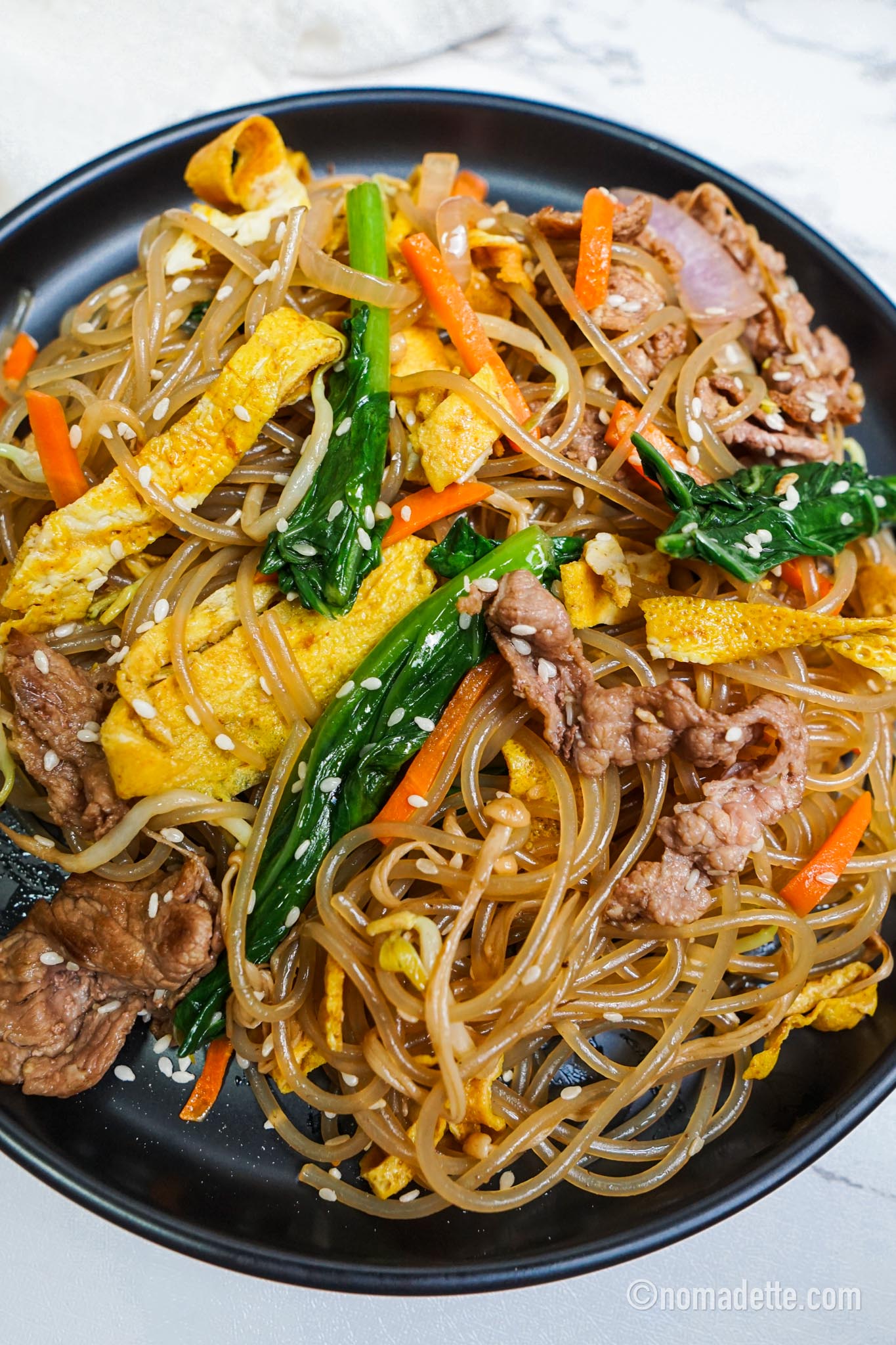
The star of any japchae recipe is the noodles, known in Korean as dangmyeon. Theyre made from sweetpotato starch, which gives them that signature translucent, chewy texture. Because the starch is glutenfree, the noodles absorb the sauce without turning mushya big win if you like your stirfry glossy and biteready.
Compared with wheatbased noodles, sweetpotato starch noodles are lower in protein but higher in resistant starch, which can help keep blood sugar steadier. If you ever wonder, Are japchae noodles glutenfree?yes, they are, as long as the brand doesnt add wheat flour during processing.
Standard protein choices beef, pork, or tofu?
Traditional japchae calls for thinly sliced beef (usually sirloin or ribeye). The meats richness balances the sweetsavory sauce. But you can swap in pork, chicken, or even firm tofu for a vegetarian twist. Heres a quick pros/cons snapshot:
| Protein | Flavor Boost | Cost | Health Angle |
|---|---|---|---|
| Beef (sirloin) | Deep umami | Higher | Rich in iron, moderate fat |
| Pork (loin) | Sweet meatiness | Medium | Good Bvitamins |
| Tofu (firm) | Neutral, soaks sauce | Low | Plantprotein, lowfat |
Vegetable lineup the classic mix
Japchae is a rainbow on a plate. The usual suspects are:
- Spinach (blanched or fresh)
- Carrots (julienned)
- Onion (thinly sliced)
- Shiitake mushrooms (dried, then rehydrated)
- Red bell pepper (thin strips)
Feel free to toss in zucchini or bean sprouts if you want extra crunch. The key is to keep each veg sliced thin so everything cooks in under a minute.
Japchae sauce ingredients the flavor backbone
The sauce is where the magic happens. A classic blend includes:
- Soy sauce (lowsodium for health)
- Toasted sesame oil
- Brown sugar or honey
- Minced garlic
- Ground black pepper
Optional boosters are a splash of rice wine (mirin) for depth, a dab of gochujang if you like a hint of heat, and a sprinkle of toasted sesame seeds just before serving.
Choosing Quality Ingredients
Where to buy authentic dangmyeon
Asian supermarkets like HMart, 99 Ranch, or specialized online shops usually stock glass noodles or dangmyeon. Look for a clear, slightly offwhite color and check the expiration dateold starch can turn brittle.
How to select fresh mushrooms & leafy greens
Dried shiitake should be plump and free of mold. Soak them in warm water for 20minutes; the soaking liquid is liquid goldreserve it for the sauce. For spinach, pick bright, darkgreen leaves without wilting; a quick blanch in boiling water will keep the color vibrant.
Tips for choosing meat (or plantbased alternatives)
If you go with beef, slice against the grain; this shortens the muscle fibers and makes every bite tender. For vegetarians, press tofu under a weight for 15minutes to squeeze excess water, then marinateas you would the meat.
What to watch out for in sauces & seasonings
Regular soy sauce can be salty enough to mask the subtle sweetness of the noodles. Opt for a lowsodium version or dilute it a bit. Also, choose toasted sesame oil (the dark amber kind) rather than plain sesame oil; the toasted version brings a nutty aroma that lifts the whole dish.
Preparing Each Ingredient
Precooking the noodles the golden rule
Place the dry noodles in a bowl of hot (not boiling) water and let them soak for about 30minutes. Theyll soften without breaking. Drain, then toss with a teaspoon of toasted sesame oil to keep them separate.
Marinating the protein (beef, pork, or tofu)
Combine 2Tbsp soy sauce, 1tsp sesame oil, 1tsp sugar, and a minced garlic clove. Add your protein, stir, and let it rest for at least 15minutes. This quick marination infuses flavor and prevents the meat from drying out.
Vegetable prep hacks
Julienne carrots and bell pepper with a peeler for uniform strips. Slice onions thinlyabout the thickness of a poker chip. After soaking the dried shiitake, slice them lengthwise. Roughly chop spinach; it wilts fast.
Making the japchae sauce (the heart of the dish)
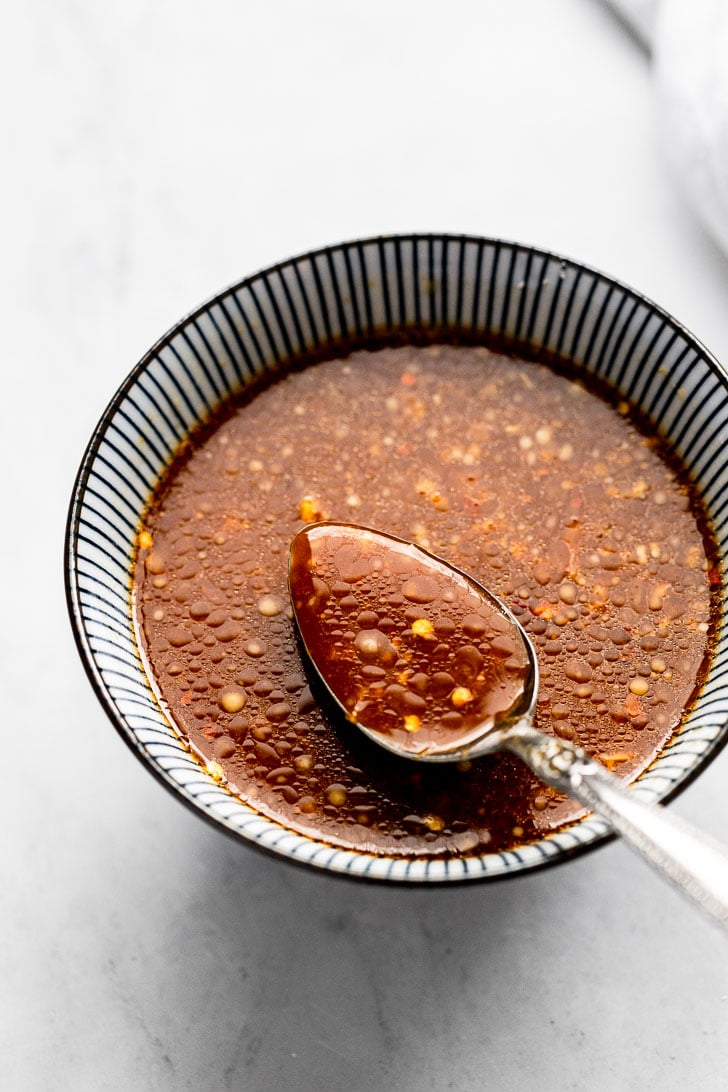
Mix cup soy sauce, 2Tbsp toasted sesame oil, 2Tbsp brown sugar, 1tsp minced garlic, and a pinch of black pepper. Adjust sweetness or saltiness by tastingadd a splash of the mushroom soaking liquid for extra umami if you like.
Minitable: Sauce Ratio Adjustments
| Preference | Soy Sauce | Sesame Oil | Sugar |
|---|---|---|---|
| Sweet | cup | 2Tbsp | 3Tbsp |
| Savory | cup | 2Tbsp | 1Tbsp |
| Light | 3Tbsp | 1Tbsp | 1Tbsp |
Stirfry sequence for balanced texture (expert tip)
1. Heat a wok or large skillet over high heat, add a splash of oil, then sear the marinated protein for 12minutes. Remove and set aside.
2. In the same pan, stirfry onions and carrots firstthey need a bit more time. Add mushrooms next, then bell pepper.
3. Toss in the spinach; it wilts in 30seconds.
4. Return the protein, add the noodles, pour the sauce over everything, and toss vigorously for 23minutes. The noodles should be glossy, the veggies bright, and the protein evenly coated.
Health Benefits & Risks
Is japchae healthy? Nutrient snapshot
When you stick to lean protein, load up on vegetables, and watch the sodium, japchae can be a balanced meal. The sweetpotato starch provides complex carbs that release energy slowly, while the veggies bring fiber, vitamins, and antioxidants.
According to the USDA FoodData Central, a typical serving (1cup) delivers around 250kcal, 8g protein, 5g fiber, and a modest amount of iron from the beef.
Potential concerns
- Sodium: Soy sauce can push the sodium count high. Opt for lowsodium soy sauce or dilute.
- Gluten crosscontamination: Some glass noodle brands mix wheat flour. Check the label if you have celiac disease.
- Sugar: Traditional recipes use brown sugar; you can halve the amount or replace with natural sweeteners.
Balancing flavor and health easy swaps
Swap brown sugar for honey or maple syrup for a lower glycemic index. Add extra spinach or a handful of kale for more micronutrients. If youre watching calories, use a halftablespoon of sesame oil instead of a full one.
Variations & Special Diets
Vegetarian japchae
Replace beef with extrafirm tofu, pressed and marinated the same way. For a deeper flavor, crumble some tempeh into the mix. The sauce stays the samejust doublecheck that the soy sauce you use is vegan (most are).
Glutenfree & lowsalt versions
Use tamari (glutenfree soy sauce) and cut the soy sauce volume by a third, adding a splash of mushroom broth for depth. Reduce sugar to one tablespoon and finish with a squeeze of fresh lime for brightness.
Regional twists japchae ingredients panlasang pinoy
If you love Filipino flavors, try adding thin slices of saba banana or a drizzle of bagoong (fermented shrimp paste) for an umami punch. The sweetpotato noodles pair surprisingly well with the caramelized banana, giving the dish a festive twist.
Sample ingredient table for the Pinoy twist
| Ingredient | Quantity |
|---|---|
| Saba banana (ripe) | cup, thin strips |
| Bagoong (fermented shrimp paste) | 1tsp (optional) |
| Sweetpotato noodles | 200g |
| Tofu (firm) | 150g, cubed |
| Veggies (as above) | Mixed |
| Soy sauce (lowsodium) | 3Tbsp |
Common Mistakes FAQ
Why do my noodles get soggy?
Oversoaking or not tossing the noodles with a little oil after draining can cause clumping. Keep the soak time to about 30minutes and always coat with sesame oil before stirfrying.
Can I use wheat noodles instead?
Technically you can, but the texture changes dramatically and you lose the glutenfree benefit. Wheat noodles also absorb sauce differently, often becoming mushy.
How long can I store cooked japchae?
Cool it quickly, then keep in an airtight container in the fridge for 34days. Reheat gently on low heat with a splash of water or extra sauce to revive the gloss.
Whats the ideal saucetonoodle ratio?
Generally, aim for about 2Tbsp of sauce per ounce of noodles. Adjust up if you love it saucy, down if you prefer each bite to taste the veggies more.
Authoritative Sources Links
For deeper dives, you can consult Maangchis classic japchae guide, which walks you through each step with photos. The USDA FoodData Central provides precise nutrition numbers for sweetpotato starch noodles, helping you finetune the health profile of your dish.
Conclusion
The perfect japchae starts with a clear list of japchae ingredientssweetpotato starch noodles, quality protein, fresh vegetables, and a balanced sauce. By choosing the right products, prepping each component properly, and tweaking the seasoning to match your health goals, youll create a glossy, flavorful stirfry that feels both comforting and exciting. Try the basic version first, then experiment with vegetarian or Pinoy twists. Remember, cooking is a conversation with your ingredients; the more you listen, the richer the result. Happy cooking, and enjoy every bite of your homemade japchae!
FAQs
What are the main noodles used in japchae?
The noodles are called dangmyeon, made from sweet‑potato starch, giving a translucent, chewy, gluten‑free texture.
Can I substitute beef with a vegetarian protein?
Yes, tofu, tempeh, or plant‑based meat alternatives work well when marinated the same way as beef.
How do I prevent the noodles from becoming soggy?
Soak them just until soft (about 30 minutes), drain, and toss with a little toasted sesame oil before stir‑frying.
Is japchae suitable for a low‑sodium diet?
Use low‑sodium soy sauce or tamari and reduce added salt; the sauce stays flavorful without the excess sodium.
How long can cooked japchae be stored?
Keep it in an airtight container in the refrigerator for 3‑4 days. Reheat gently with a splash of water or extra sauce.