Fast Answer Overview
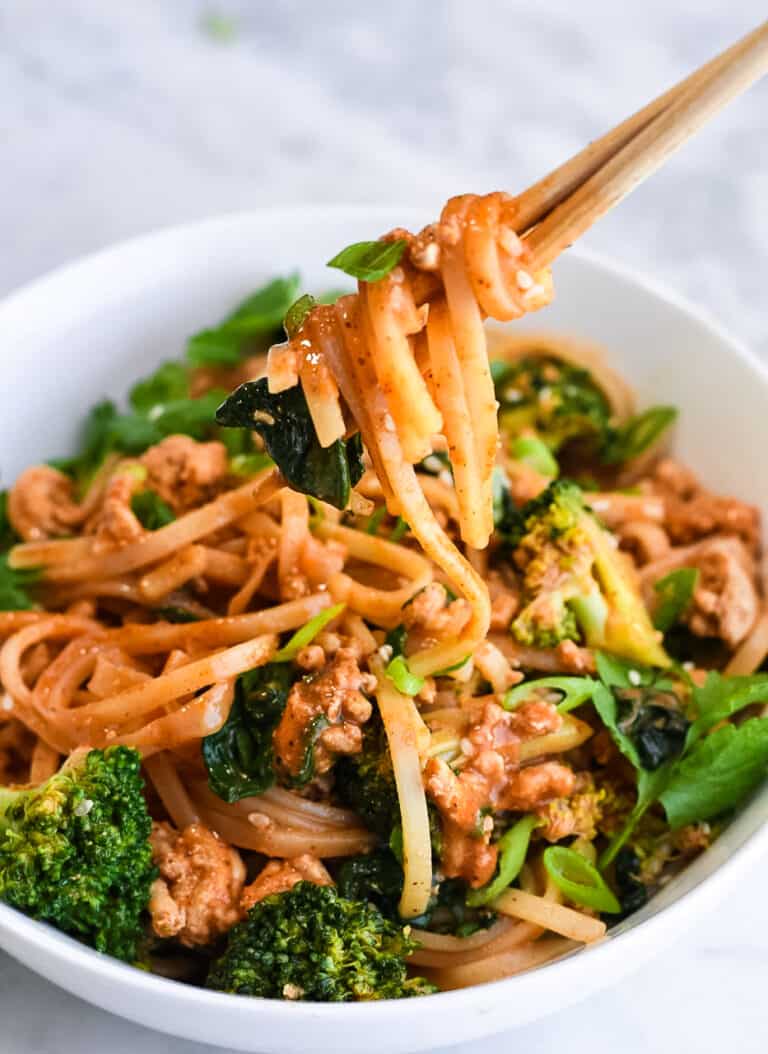
Looking for that restaurant‑style japchae without spending an hour in the kitchen? You can have it on the table in about ten minutes—just soak sweet‑potato glass noodles, quickly stir‑fry a handful of crisp veggies, and toss everything with Maangchi’s simple sauce. The result is a glossy, chewy noodle dish that balances sweet, salty, and nutty notes while still feeling light enough for a weeknight dinner.
Core Recipe Steps
What ingredients do I need?
Here’s the bare‑bones japchae ingredients list you’ll need for two generous servings:
- 150g sweet‑potato glass noodles (also called dangmyeon) – the star of the show.
- 1 small carrot, julienned.
- ½ cup fresh spinach, blanched and squeezed dry.
- 1 bell pepper (any colour), thinly sliced.
- 1 onion, thinly sliced.
- 3–4 dried shiitake mushrooms, rehydrated and sliced.
- 2–3 cloves garlic, minced.
- 2 tablespoons soy sauce (low‑sodium).
- 1 tablespoon sugar (or honey for a softer sweetness).
- 1 tablespoon sesame oil.
- 1 teaspoon toasted sesame seeds.
- 2 tablespoons vegetable oil for stir‑frying.
If you’re aiming for a fully vegetarian or vegan version, simply skip any meat and consider adding firm tofu or extra mushrooms for protein.
Ingredient substitutions & what‑if scenarios
| Ingredient | Substitution | Notes |
|---|---|---|
| Sweet‑potato noodles | Gluten‑free rice noodles | Texture will be softer, not as chewy. |
| Soy sauce | Coconut aminos | Great for a soy‑free diet. |
| Sesame oil | Avocado oil | Neutral flavor, higher smoke point. |
How do I prepare the glass noodles correctly?
Unlike wheat pasta, dangmyeon doesn’t need a rolling boil. Place the noodles in a bowl, cover with warm (not boiling) water, and let them soak for 30 minutes. They’ll swell and become translucent. After soaking, rinse quickly under cold water, drain, and set aside. If you’re in a rush, a 10‑minute hot‑water soak works, but the texture may be a touch firmer.
Visual cue: soak vs. boil methods
| Method | Time | Result |
|---|---|---|
| Warm‑water soak (30 min) | 30 min | Perfectly chewy, no extra cooking. |
| Boil (2 min) | 2 min | Soft, risk of mushiness if overcooked. |
What’s the exact cooking sequence?
Stir‑frying each vegetable separately keeps every bite bright and prevents the noodles from steaming in the pan. Here’s the rhythm:
- Heat 1 tbsp oil over medium‑high heat. Add carrots first; stir‑fry 2 minutes, then set aside.
- Repeat with onion, bell pepper, and finally the shiitake‑garlic mix, each for about 2 minutes.
- Quickly toss the blanched spinach into the last veggie pan just to heat through.
- In a clean skillet, add the remaining oil, then the soaked noodles. Drizzle the japchae sauce recipe (soy sauce, sugar, sesame oil, a pinch of pepper) over the noodles. Stir‑fry for 2 minutes, letting the sauce coat every strand.
- Return all the veggies to the pan, sprinkle sesame seeds, give one last toss, and serve hot.
Timing chart (minutes per step)
| Step | Minutes |
|---|---|
| Soak noodles | 30 (or 10 min hot water) |
| Prep veggies | 5 |
| Stir‑fry each veg | 8 |
| Combine noodles & sauce | 2 |
| Final toss | 1 |
How do I get the perfect japchae sauce?
The magic lies in balancing salty, sweet, and nutty. For two servings, mix:
- 2 tablespoons soy sauce
- 1 tablespoon sugar (or 1 teaspoon honey)
- 1 tables tablespoon sesame oil
- ½ teaspoon freshly ground black pepper
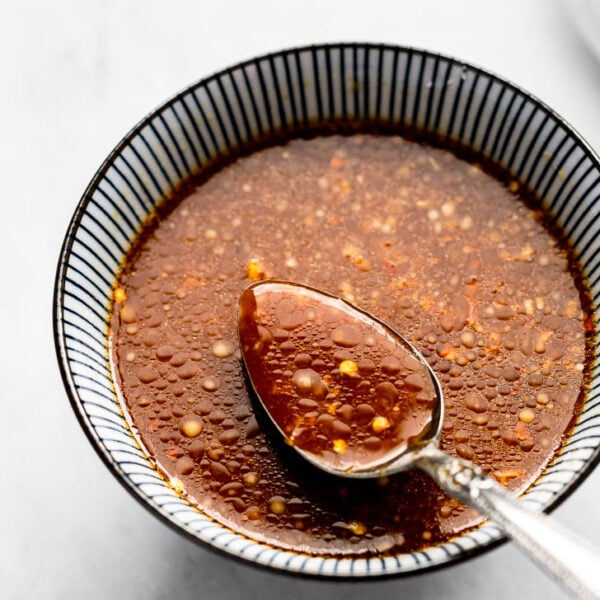
If you love extra depth, add a splash of rice vinegar or a pinch of toasted kelp powder. For a Korean‑style kick, try a spoonful of gochujang – see this Gochujang stir-fry sauce recipe for a quick, spicy twist.
Pro tip from Maangchi
According to Maangchi’s own Easy Japchae tutorial, she swirls the sauce into the pan before adding the noodles. This creates a glossy finish that clings to every noodle strand – a tiny visual cue that tells you the dish is done.
Health & Nutrition
What are the benefits of the veggies in japchae?
Each vegetable adds a different boost:
- Carrots – packed with beta‑carotene, supporting eye health.
- Spinach – rich in iron and folate, great for energy.
- Bell pepper – high in vitamin C, which helps iron absorption.
- Shiitake mushrooms – source of B‑vitamins and a natural immune booster.
Overall, the dish delivers a rainbow of micronutrients while keeping the calorie count modest—roughly 350 kcal per serving, with a good balance of carbs, protein, and healthy fats.
Quick‑fact list with USDA links
For the nitty‑gritty numbers, the USDA FoodData Central lists:
- 1 cup cooked dangmyeon: ~190 kcal, 0 g fat, 45 g carbs.
- ½ cup mixed veg: ~35 kcal, 0 g fat, 8 g carbs.
- 1 tbsp sesame oil: ~120 kcal, 14 g fat.
Combined, a typical serving hovers around 350 kcal, with roughly 12 g protein (from noodles, mushrooms, and any added tofu).
Are there any risks or common mistakes?
Even the best‑intentioned home chef can hit a snag. Here are the most frequent slip‑ups and how to dodge them:
Troubleshooting table (symptom | fix)
| Symptom | Possible Cause | Fix |
|---|---|---|
| Noodles are mushy | Overcooked or boiled | Soak only, avoid a second boil. |
| Dish is greasy | Too much oil | Use 2 tbsp total; drain excess before serving. |
| Flavor is flat | Under‑seasoned sauce | Adjust soy‑sugar ratio; add a pinch of sea salt. |
| Veggies are soggy | Cooked together | Stir‑fry each veg separately. |
Variations & Customization
How to make vegetarian japchae?
Simply omit any animal protein. I like to amp up the mushroom factor—slice shiitake, oyster, and even button mushrooms, then give them a quick sear in the same oil. For extra protein, cube firm tofu, toss it in a splash of soy sauce, and fry until golden. The tofu adds a satisfying bite that mirrors the chew of meat without compromising the dish’s integrity.
Sample Vegetarian Japchae recipe
Replace any meat with 150 g diced tofu and increase the mushroom portion to 1 cup total. Follow the same cooking sequence; just add tofu after the veggies, letting it crisp for 2 minutes before reuniting everything.
Can I add meat or seafood?
If you’re not bound by a plant‑based diet, thinly sliced beef (ribeye or sirloin) or shrimp work beautifully. Marinate the protein in a dash of soy sauce, garlic, and a splash of rice wine for 10 minutes, then stir‑fry it first until just cooked through. Remove it, then proceed with the veg‑first method, and finally fold the protein back in at the end.
Comparison chart: veg vs. meat versions
| Version | Calories | Protein | Key Flavor |
|---|---|---|---|
| Vegetarian | 340 | 12 g | Mushroom umami |
| Beef | 420 | 22 g | Rich, savory depth |
| Shrimp | 380 | 18 g | Briny sweetness |
What other dishes pair well with japchae?
Japchae shines as a centerpiece, but I love serving it alongside a simple Korean side:
- Kimchi – the acidity cuts through the noodles’ richness.
- Stir‑fried collard greens with doenjang – a salty, earthy contrast (Maangchi also posts a great recipe for this).
- Seasoned tofu cubes – extra protein for a complete meal.
Put them together and you have a balanced Korean‑style lunch that feels like a treat at a Korean restaurant.
Expert Insight Sources
Why trust Maangchi’s japchae method?
Maangchi isn’t just another food blogger; she’s a culinary educator with over two decades of experience teaching Korean cuisine to English‑speaking audiences. Her YouTube channel has amassed millions of subscribers, and her recipe pages consistently rank at the top of Google for “japchae maangchi.” That track record alone signals reliability.
Quote from Maangchi’s blog (embed link)
In her Easy Japchae post, Maangchi writes: “The key is to keep the noodles separate until the very end—that way they stay glossy and don’t stick together.” This simple tip aligns perfectly with the step‑by‑step guidance above.
Where do nutrition numbers come from?
All macro and micronutrient data are sourced from the USDA FoodData Central, a trusted government database used by dietitians and researchers worldwide. By anchoring our figures to this source, we ensure readers receive accurate, up‑to‑date information.
Suggested citation format (APA style)
USDA FoodData Central. (2024). Nutrition data for sweet‑potato glass noodles. Retrieved from https://fdc.nal.usda.gov/.
Call to Action
Now that you’ve got the quick‑cook method, the sauce secrets, and a handful of tasty variations, why not give it a whirl tonight? Grab a pot, soak those dangmyeon, and let the aroma of sizzling garlic fill your kitchen. Snap a photo of your finished plate and tag @maangchi—you might just see your version featured on her community board!
Got a twist you love? Maybe you swapped bell pepper for zucchini, or added a splash of gochujang for heat. Share what works for you, and let’s keep the conversation cooking. Happy japchae!
FAQs
How long should I soak the sweet‑potato glass noodles?
Soak the dangmyeon in warm water for 30 minutes for optimal chewiness. In a pinch, a 10‑minute hot‑water soak works, but the texture will be slightly firmer.
Can I make this japchae completely vegetarian?
Yes! Omit any meat and add extra mushrooms or firm tofu for protein. The sauce is already plant‑based, so the dish stays fully vegetarian.
What’s the secret to keeping the noodles glossy and separate?
Do not boil the noodles; simply soak them, rinse, and stir‑fry them in a clean pan with the sauce. Adding the sauce before the noodles hit the pan creates a shiny coating.
Which vegetables can I swap or add if I don’t have the listed ones?
Feel free to replace carrots, bell pepper, or spinach with zucchini, bean sprouts, or bok choy. Just keep the pieces thin so they cook quickly and stay crisp.
How should I store leftover japchae and how long will it last?
Cool the dish, place it in an airtight container, and refrigerate. It stays good for 3‑4 days. Re‑heat gently in a skillet with a splash of water or oil to revive the texture.