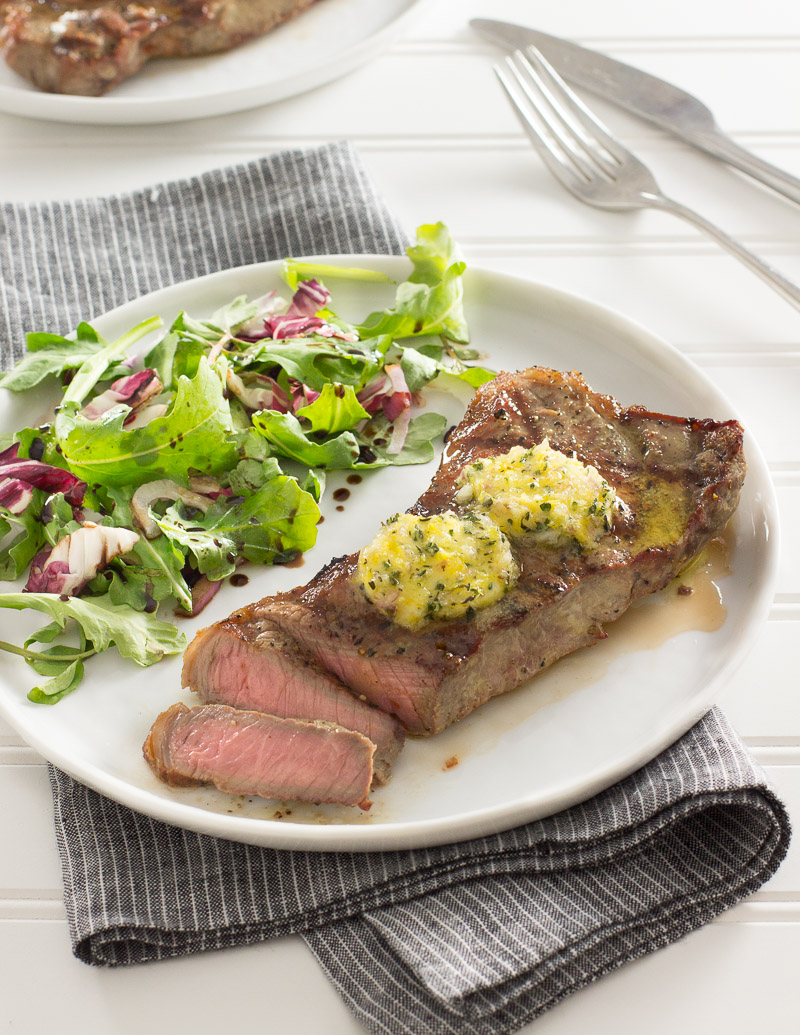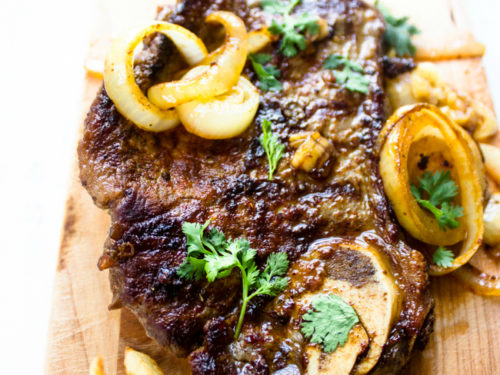
Ready for a steak that smells like a pine forest and tastes buttery dreamlike? In the next few minutes Ill walk you through a foolproof method to cook steak with rosemary and butter that even a kitchen rookie can master. No fluff, just clear steps, handy tips, and a sprinkle of personal stories so you feel confident flipping that pan.
Why Rosemary Works
What rosemary adds to steak
Fresh rosemary carries volatile oilscineole, camphor, and borneolthat survive the high heat of a sear. Those compounds give the steak that bright, piney aroma you love, while also lending a subtle peppery bite. If youve ever wondered why a sprig of rosemary on a roast feels magical, its because those oils stick to the meats surface and melt into the butter, creating a fragrant veil.
Butters role in crust formation
Butter is more than a fat; its a flavor carrier. The milk solids in butter brown quickly, triggering the Maillard reaction that forms that coveted crust. When you baste the steak with melted butter, the fat spreads the rosemarys essential oils evenly, ensuring every bite is aromatic and juicy.
Balancing benefits & risks
Too much butter can scorch, turning those beautiful brown bits into bitter ash. The trick is to add the butter after the initial searjust a couple of minutes before the steak finishes. This keeps the butters flavor without the smoke. Also, rosemary is potent; a few sprigs are enough. Overloading can make the taste overly piney, which some people find harsh.
Tools & Ingredients
Essential cookware
While a heavy castiron skillet is the gold standard (it retains heat like a seasoned storyteller), a good stainlesssteel pan works too if you dont own a skillet. The key is a pan with a thick bottom that can stay hot when the steak hits it.
Ingredient checklist
| Ingredient | Quantity (for 2 steaks) | Notes |
|---|---|---|
| Steak (ribeye, sirloin, or filet) | 21inch thick | Roomtemp, patdry |
| Fresh rosemary sprigs | 23 large | Roughchopped |
| Unsalted butter | 3Tbsp | Cut into cubes |
| Garlic cloves | 23, crushed | Optional for a rosemary garlic butter steak recipe |
| Kosher salt & cracked black pepper | To taste | Season before cooking |
| Fresh thyme (optional) | 1tsp | Use if you want to cook steak with rosemary or thyme |
| Highsmokepoint oil (grapeseed or avocado) | 1Tbsp | Prevents sticking |
Protips for prep
Give the steak a 30minute sitout at room temperature; this evens out the internal temp and prevents a cold center. Pat it dry with paper towelsmoisture is the enemy of a good crust. Season generously with salt and pepper; the salt will draw out a little moisture, then reabsorb it, leaving the meat seasoned all the way through.
Core Cooking Method
Preheat & oil the pan
Place your castiron or heavy stainless pan over mediumhigh heat. When a few drops of water sizzle and evaporate instantly, you know its hot enough. Add a thin splash of oiljust enough to coat the surface.
Sear the first side
Lay the steak gently into the pan. Hear that satisfying sizzle? Resist the urge to move it. Let it sit for 23minutes (adjust for thickness). The surface will turn a deep, caramelbrown without burning.
Flip & add aromatics
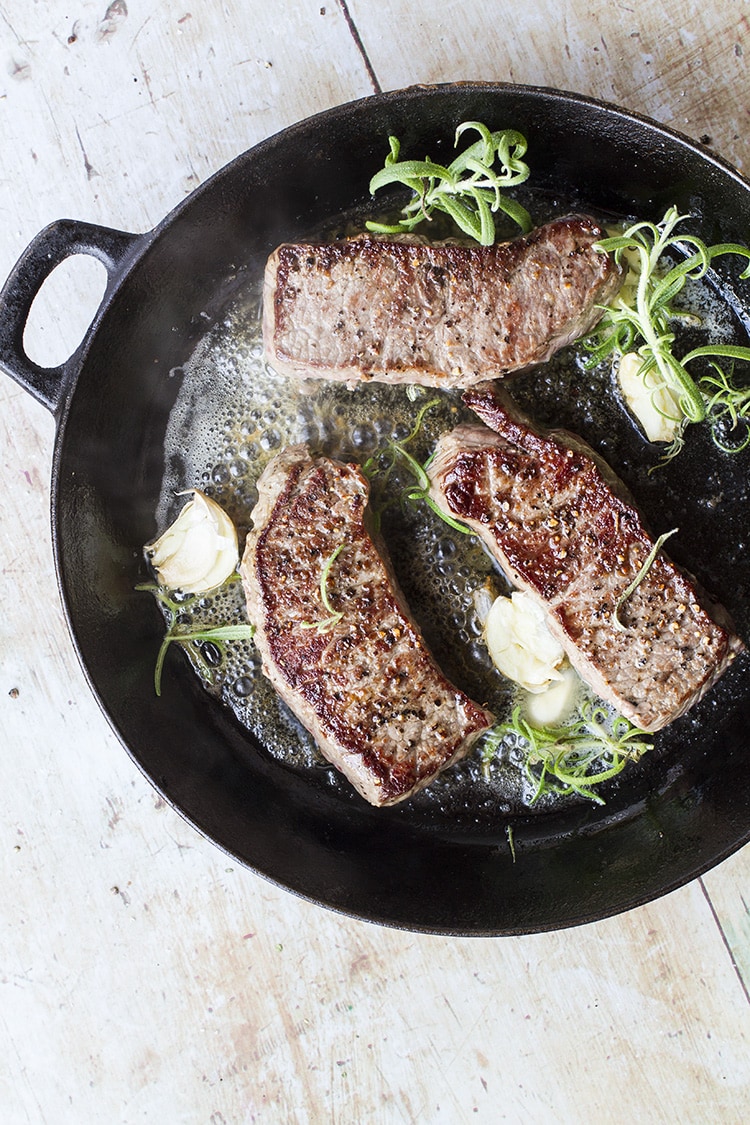
Turn the steak over with tongs. Nows the moment to add the butter, rosemary, and garlic. As the butter melts, tilt the pan slightly and use a spoon to baste the steak continuously. This basting techniquesometimes called arroser in French cookinglets the meat drink its own flavored butter, creating a glossy finish. For guidance on safe handling and temperatures while cooking meats, check reliable resources like the USDA Food Safety and Inspection Service which offers clear food safety guidance for home cooks.
Finish to your preferred doneness
| Doneness | Internal Temp (F) | Approx. Total Time (1inch steak) |
|---|---|---|
| Rare | 120125 | 45min |
| Mediumrare | 130135 | 67min |
| Medium | 140145 | 89min |
If youre unsure, pop an instantread thermometer into the thickest part. According to the , the safe internal temperature for beef is 145F followed by a 3minute rest, but many steak lovers stop a few degrees below for juicier texture.
Rest & slice
Transfer the steak to a warm plate, loosely tent with foil, and let it rest for 5minutes. Resting lets the juices redistribute, preventing a dry bite. While you wait, the butter continues to melt into the meat, turning the surface into a glossy, aromatic glaze.
Alternative Techniques
Ovenfinished steak
If you like a handsoff finish, sear each side for 2minutes, then slide the whole pan into a 450F oven for 46minutes. This method, known as searthenbake, gives a uniform doneness from edge to center.
Cooking without cast iron
Dont own a skillet? Use a heavy stainlesssteel pan. Add a little extra oil to prevent sticking, and follow the same searthenbaste steps. The result is a slightly less intense crust but still delicious.
Rosemarythyme butter swap
For those who wonder can I cook steak with rosemary or thyme?absolutely. Replace half of the rosemary with fresh thyme leaves. Thyme offers a sweeter, earthier note that pairs nicely with the buttery richness.
Butterfirst vs. oilfirst
Some recipes say cook a steak on the stove with butter from the start. While that yields a buttery flavor, butters low smoke point can cause it to burn quickly. My preferred methodoil first, butter laterkeeps the pan hot without smoky bitterness, delivering a golden crust and a glossy finish.
Doneness & Safety
Temperature guide and why it matters
Heatcontrolled cooking is the heart of steak mastery. A thermometer removes guesswork, ensuring you hit that perfect mediumrare zone without overcooking. Remember, higher internal temps mean less juice, while lower temps risk undercooking. Knowing your target range makes each steak repeatable.
Preventing burnt rosemary & bitter butter
Rosemary burns at about 350F. By adding the herb after the highheat sear, you keep the pans temperature in the sweet spot for aromaticsjust hot enough to release oils, not so hot that they turn black. The same idea applies to butter: add it in the last 23minutes, then baste quickly.
Resting for juiciness
Science tells us that resting lets muscle fibers reabsorb expelled juices, reducing loss by up to 25%. Think of it as letting the steak recover after the intense heat workout.
Personal anecdote
The first time I tried this method, I dumped the butter in at the start. The kitchen smelled like burnt plastic, and the steaks crust was a sad, gray mush. After reading a tip on a cooking forum, I switched to the oilfirst, butterlater trick. The difference? Nightandday. The steak emerged with a deep, nutty crust and a rosemarybutter glaze that made my family ask for seconds.
Meal Prep & Serving Ideas
Makeahead steak slices
Cook two steaks, let them rest, then slice thinly against the grain. Store the slices in an airtight container with a drizzle of leftover rosemary butter. These are perfect for salads, grain bowls, or quick sandwich upgrades.
Steakcentric bowl
Start with a base of quinoa or brown rice, add roasted sweet potatoes, sauted green beans, and top with the sliced rosemarybutter steak. Finish with a spoonful of any remaining butter sauce for extra richness.
Wine pairings
A lightbodied Pinot Noir or a crisp Sauvignon Blanc complements the herbaceous notes without overwhelming the steaks natural flavor. If youre feeling adventurous, a glass of chilled ros also works nicely.
Conclusion
Cooking a steak with rosemary and butter isnt a secret reserved for professional chefs its a blend of simple techniques, good ingredients, and a dash of patience. By searing the meat first, basting with butter and fresh rosemary at the right moment, and respecting the steaks resting time, youll get a juicy, aromatic masterpiece every single time. Give it a try, experiment with thyme or garlic, and let the aroma fill your kitchen. Whats your favorite herbbutter combo? Share your experience and keep the conversation sizzling!
FAQs
What cut of steak is best for cooking with rosemary and butter?
Ribeye, sirloin, or filet mignon work great because they have enough marbling to stay juicy while developing a rich crust.
Do I need to use fresh rosemary, or can dried work?
Fresh rosemary is preferred; its volatile oils pop when heated, giving a brighter pine flavor that dried rosemary can’t match.
Why add butter later in the cooking process?
Butter has a low smoke point. Adding it during the last few minutes prevents burning while still letting its flavor meld with the rosemary.
How can I tell when the steak is done without a thermometer?
Use the finger‑press test: a rare steak feels soft, medium‑rare has a slight resistance, and medium feels firmer. For precise results, an instant‑read thermometer is best.
Can I finish the steak in the oven after searing?
Yes—sear each side for 2 minutes, then transfer the pan to a 450 °F oven for a few minutes until the desired internal temperature is reached.