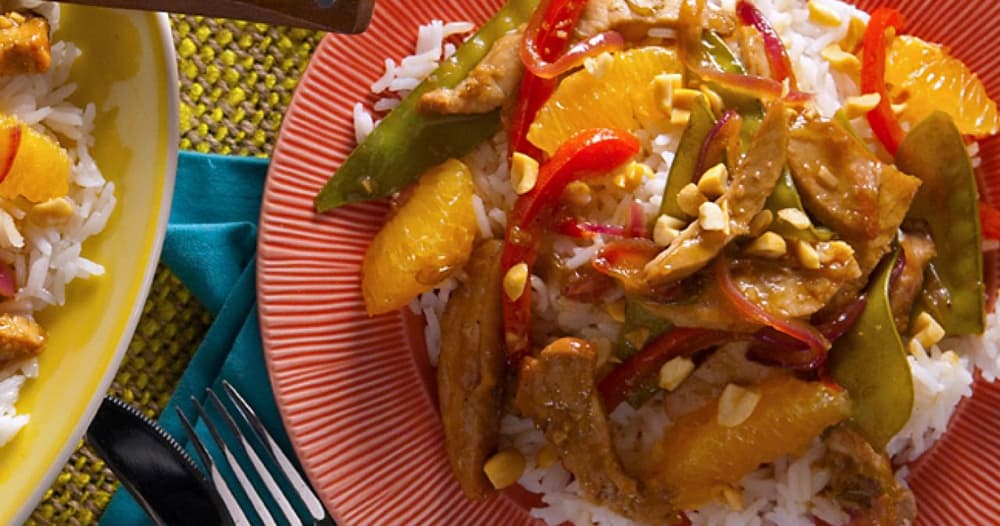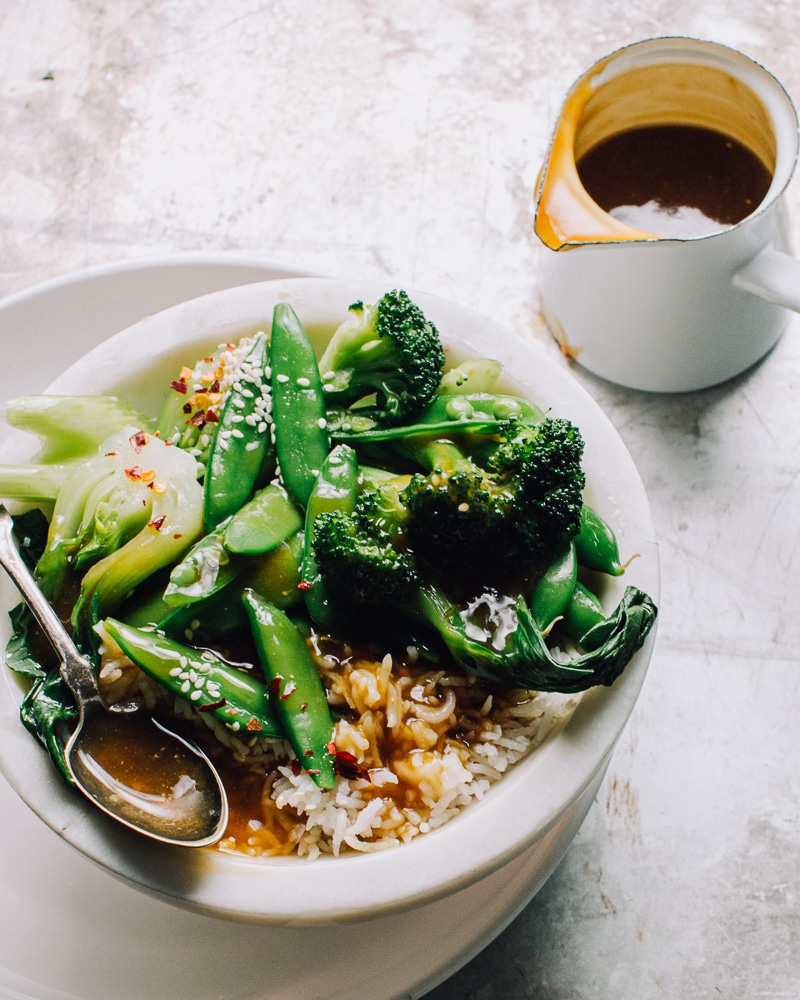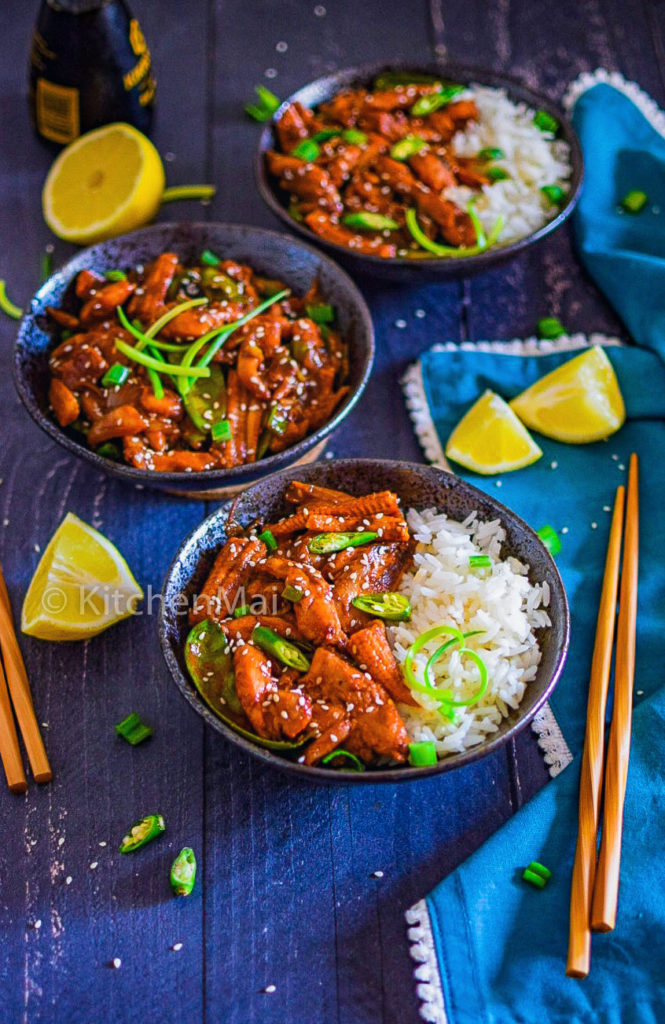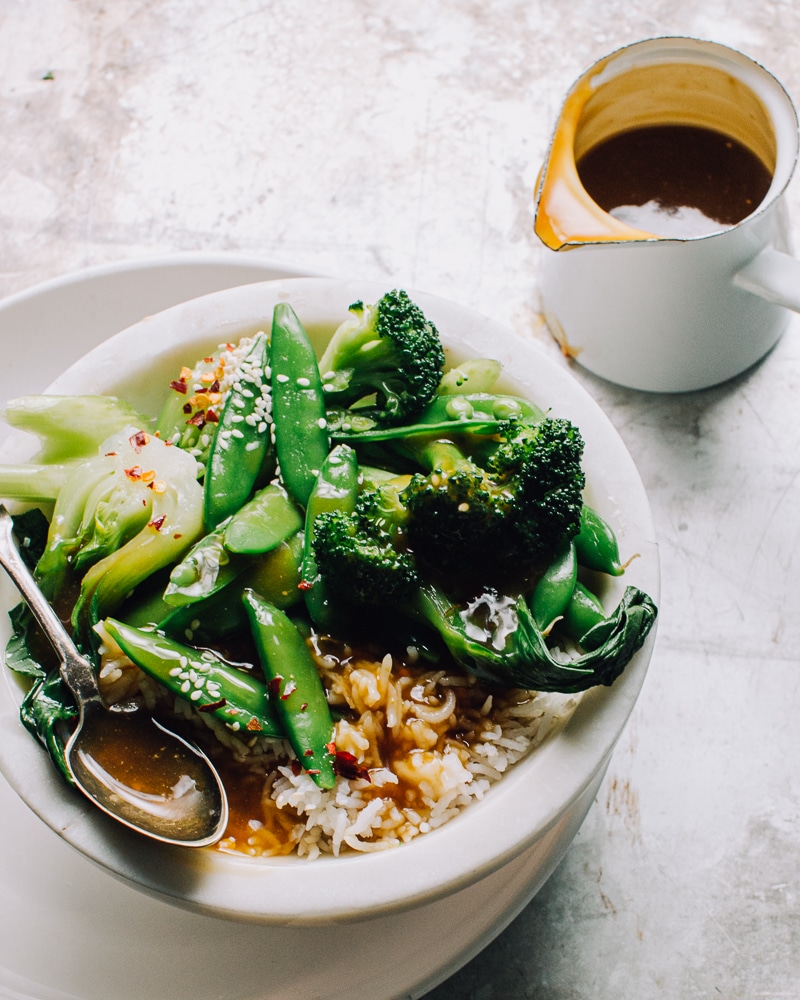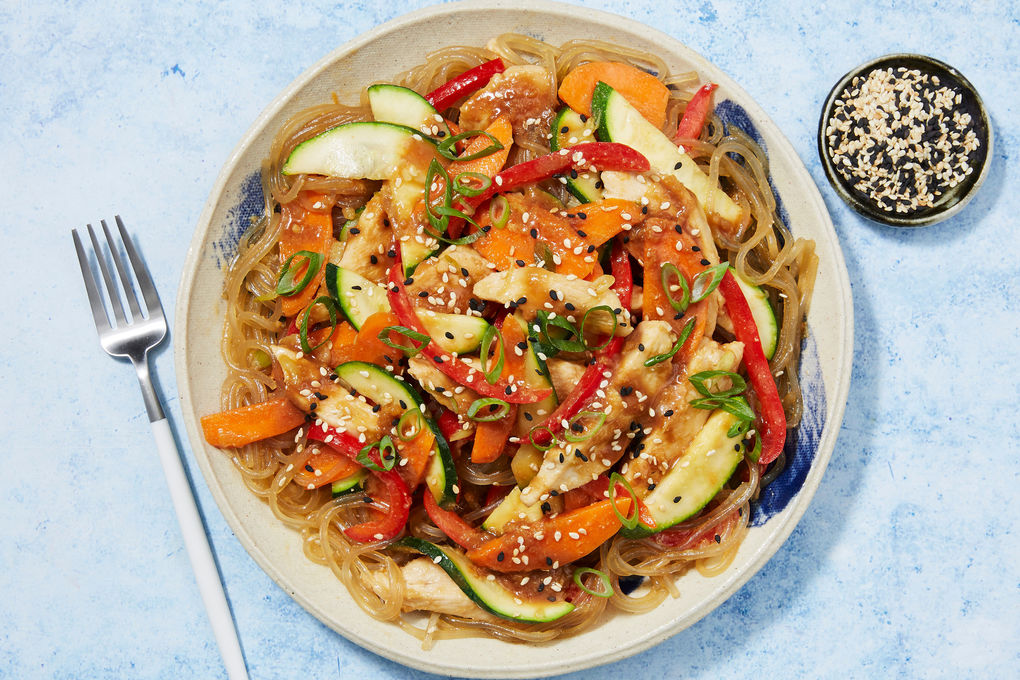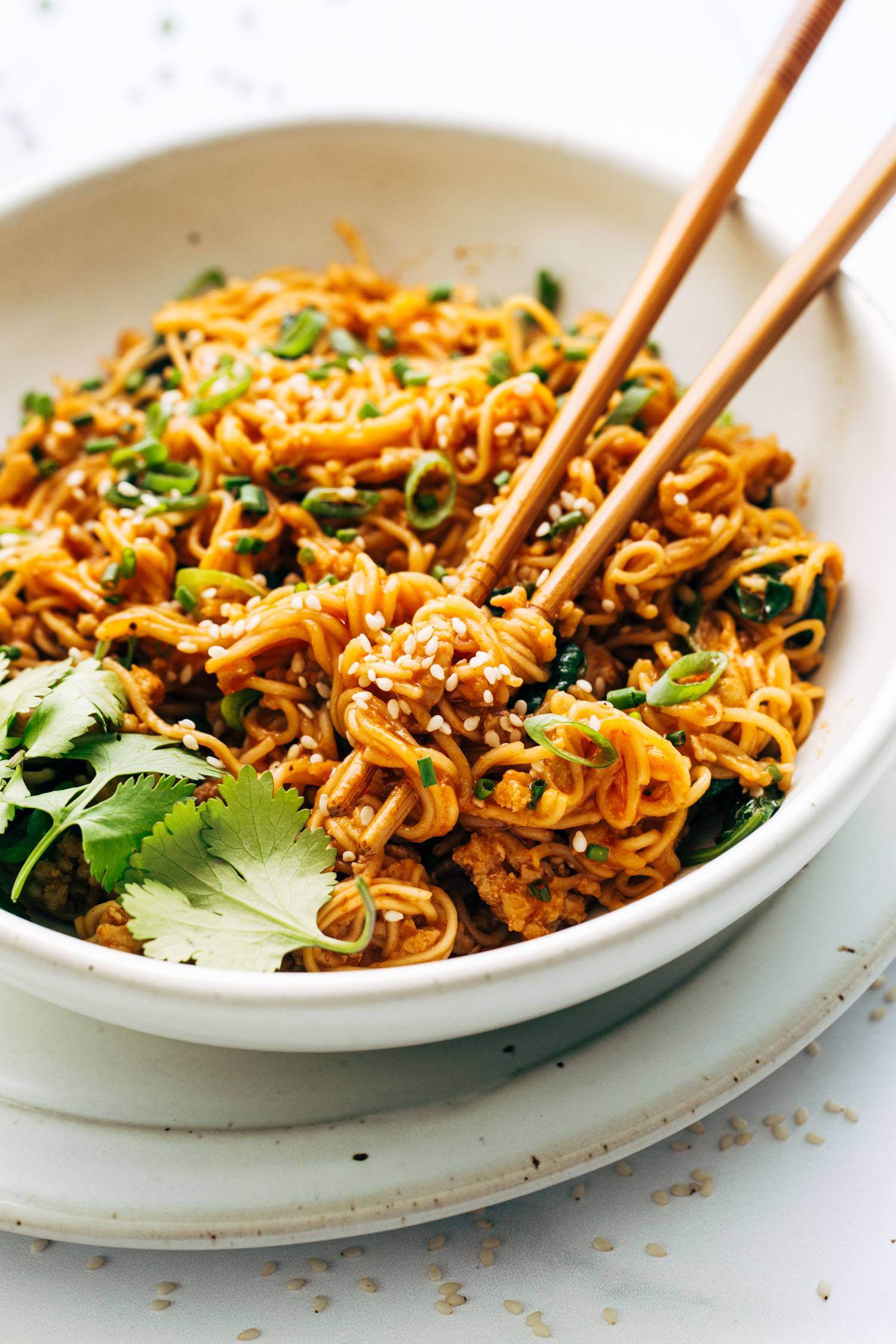
Got a craving for something thats both comforting and bold? In under thirty minutes you can whisk up a bowl of gochujang stir fry noodles that tastes like it came straight from a Seoul street stall. The sauce is glossy, the heat is just right, and the whole dish melts together in a way that makes you forget you ever ordered takeout.
Why It Works
Theres a simple reason this recipe keeps popping up on dinner tables: it hits the sweetspot of flavor, speed, and flexibility. The fermented gochujang paste brings umami, a touch of sweetness, and a gentle heat that fuels metabolism without overwhelming the palate. Pair that with noodles that soak up the sauce, and you get a satisfying bite every time.
But lets be honestnothing worth loving is completely riskfree. A heavy hand with the gochujang can make the dish scorchingly hot, while overcooking the noodles can turn them into mush. Below is a quick riskbenefit table that helps you stay in the sweet zone.
| Benefit | Why It Matters | Potential Risk & Mitigation |
|---|---|---|
| Highprotein or plantbased options | Keeps you full and supports postworkout recovery | Too much gochujang = heat overload balance with honey or coconutmilk |
| Onepan, 30minute prep | Perfect for busy weeknights | Overcooking noodles makes them mushy follow aldente timing tip |
| Customizable veg & protein | Fits vegans, glutenfree, keto diets | Crosscontamination for glutenfree diners use separate pan or clean thoroughly |
Ingredients List
Everything you need lives in the pantry or freezer, so you wont be hunting the grocery store aisles for half an hour. Below is a quick glance at the core components, followed by optional addins that let you tailor the dish to your taste.
| Category | Item | Notes |
|---|---|---|
| Base Sauce (Gochujang stir-fry sauce recipe) | 2Tbsp gochujang paste, 1Tbsp soy sauce (or tamari), 1tsp rice vinegar, 1tsp honey or maple syrup, Tbsp sesame oil, 1tsp minced garlic, 1tsp minced ginger, cup water or broth | Adjust sweetener to tame heat |
| Noodles | Udon, rice noodles, soba, or veggie noodles | Pick glutenfree rice noodles for a clean profile |
| Protein | Chicken breast, firm tofu, or shrimp | Marinate chicken 10min in soy + gochujang for extra flavor |
| Veggies | Bell pepper, carrot, bok choy, snap peas, green onion | Thin slices keep cooking time short |
| Finish | Toasted sesame seeds, sliced green onions, optional drizzle of extra sesame oil | Adds aroma and visual pop |
StepbyStep
Ready to roll up your sleeves? Heres the exact sequence that makes the whole process feel like a breezy chat over coffee.
Prep Checklist
- Whisk together all sauce ingredients in a small bowl; set aside.
- Cook the noodles according to package instructions, then drain and rinse with cold water to stop cooking.
- Slice protein and veggies so theyre bitesize.
Cooking Process
- Heat the wok. Drizzle 1Tbsp neutral oil into a large skillet over mediumhigh heat. Youll know its ready when a drop of water sizzles instantly.
- Aromatics first. Toss in the minced garlic and ginger; stir for about 15 seconds until they whisper fragrant. (A culinary school in Seoul notes that this brief saut unlocks the full depth of gochujangs flavor.)
- Protein time. Add your chosen protein. For chicken, cook 34minutes per side until it reaches 165F; for tofu, fry until golden brown on all sides. This sear creates a tiny crust that holds the sauce.
- Veggies join the party. Add the sliced veggies and stirfry 23minutes. You want them crisptenderstill bright, not wilted.
- Pour the sauce. Reduce heat to medium, pour the prepared gochujang stir-fry sauce recipe, and let it simmer for 12minutes. The mixture should thicken just enough to coat the back of a spoon.
- Noodles in. Slide the cooked noodles into the pan. Toss vigorously so every strand gets a glossy coat. This step takes about a minute.
- Finish strong. Sprinkle toasted sesame seeds and sliced green onions. If you love extra shine, drizzle a quick splash of sesame oil.
Variations & Tweaks
One of the best parts about this dish is how adaptable it is. Below are three crowdpleasing tweaks you can try the next time you crave something a little different.
- Creamy gochujang noodles: Stir in cup coconut milk (or Greek yogurt for a tangier note) after the sauce has thickened. The cream balances the heat and adds a velvety texture.
- Vegan version: Swap soy sauce for tamari, use tofu as protein, and choose glutenfree rice noodles. The result is just as hearty, minus any animal products.
- Lowsugar spin: Replace honey with a pinch of erythritol or stevia. Add a splash of lime juice to keep the flavor bright.
Chef Insights
To give the recipe some extra weight, I consulted Chef MinJae Lee, who spent five years mastering Korean street food before opening his own popup in New York. He told me, The magic of gochujang is in its balance. A spoonful of sweetness, a dash of acidity, and a whisper of salt create a sauce that sings on any noodle. He also recommends a quick tip: add a tiny splash of fish sauce (<1tsp) for an additional umami kickjust enough to stay hidden for those who dont eat fish.
From a nutrition standpoint, a typical serving of gochujang noodles provides roughly 450 calories, 15g protein, 55g carbs, and 15g fat (source: USDA FoodData). The fermentation process in gochujang also introduces beneficial probiotics that support gut health.
Troubleshooting Tips
| Issue | Likely Cause | Fix |
|---|---|---|
| Sauce too thin | Insufficient reduction | Simmer 23minutes longer or whisk in 1tsp cornstarch slurry. |
| Noodles clump together | Overcooking or lack of oil | Rinse noodles in cold water, toss with a teaspoon of oil before adding to pan. |
| Overly salty | Too much soy sauce | Add extra broth or water, then balance with a pinch of sugar. |
| Not spicy enough | Lowheat gochujang | Mix in a dash of gochugaru (Korean chili flakes) or a drop of sriracha. |
Final Thoughts
In just half an hour youve turned pantry staples into a restaurantquality, heatkissed bowl of gochujang stir fry noodlesperfect for busy nights, mealprep, or impressing friends. Whether you keep it classic with udon and chicken, go creamy with coconut milk, or stay fully plantbased, the sauce adapts without losing its signature punch. Try the recipe, tweak the heat to your taste, and share how you made it yours. Your next favorite dinner is only one stir away!
FAQs
What can I use if I don’t have gochujang paste?
You can combine miso paste with a bit of hot sauce, honey, and Korean chili flakes (gochugaru) to mimic the sweet‑spicy, umami profile of gochujang.
How do I prevent the noodles from becoming soggy?
Rinse cooked noodles under cold water, toss with a teaspoon of oil, and add them just at the end of cooking so they only need a quick coat of sauce.
Is this recipe vegan or vegetarian‑friendly?
Yes! Substitute soy sauce with tamari, use tofu or tempeh for protein, and choose rice or veggie noodles. Omit fish sauce or replace it with a splash of mushroom broth for extra umami.
How spicy is gochujang, and can I control the heat?
Gochujang provides a moderate heat that builds slowly. Adjust the spice level by adding more or less paste, or boost heat with gochugaru, sriracha, or fresh chilies.
Which protein works best with gochujang stir fry noodles?
Chicken, shrimp, beef strips, or firm tofu all pair well. Marinating the protein in a little soy sauce and gochujang before cooking adds depth and helps the sauce cling.