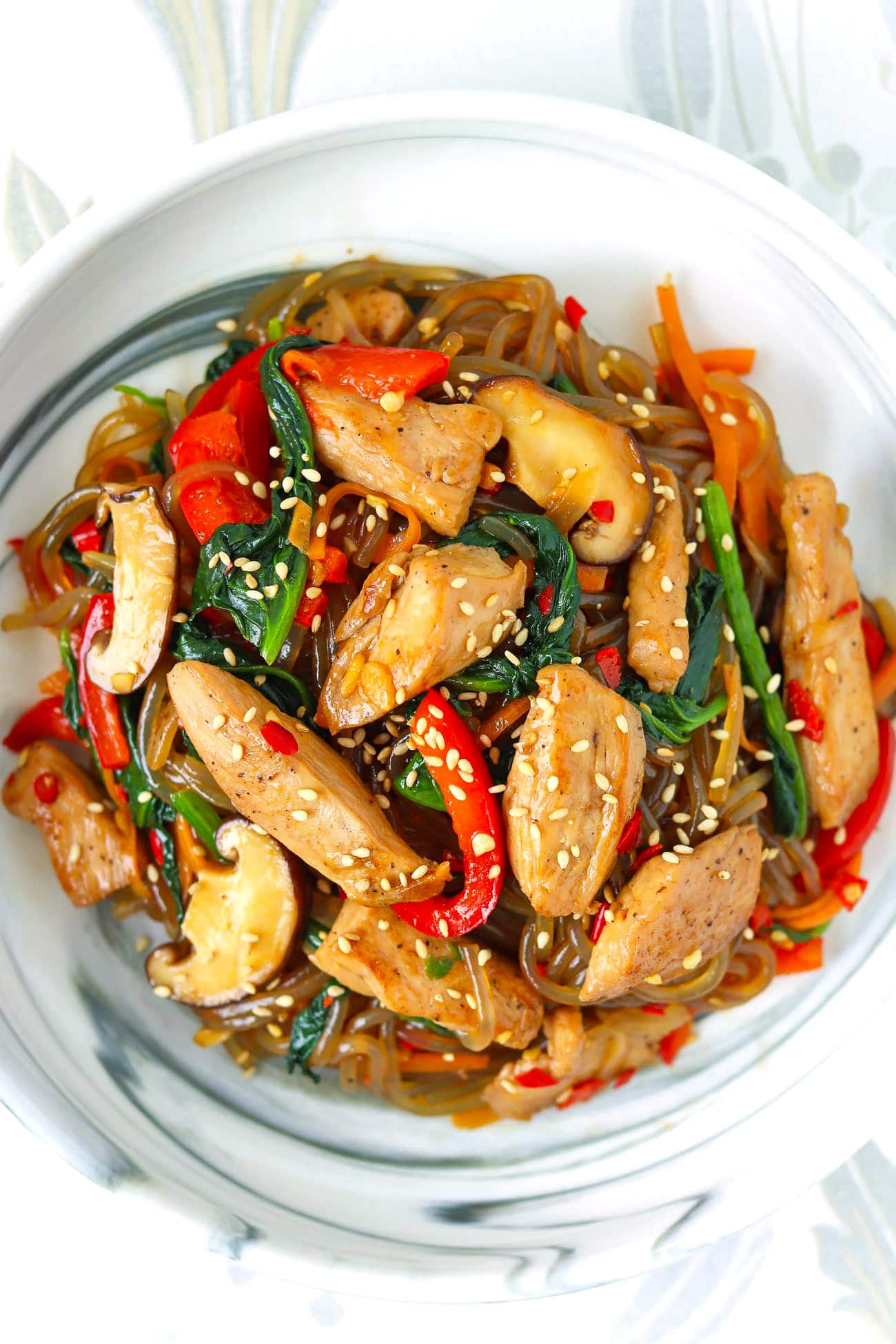
Looking for a fast, delicious Koreanstyle dinner that feels a little special? This japchae recipe chicken gives you sweetpotato glass noodles, juicy marinated chicken, and crisp veggies in under 30minutes. Its the perfect weeknight rescue and a crowdpleaser for friends who love a little umamisweet balance.
Below youll find an easytofollow guide, a complete ingredient list, and a handful of pro tips that keep the noodles silky, the sauce glossy, and the flavor just right. Grab a pan, roll up your sleeves, and lets dive in.
Why It Works
First, lets talk about why this dish hits the spot every time. The marriage of sweetpotato glass noodles (dangmyeon) and a light soysesame glaze creates a buttery, slightly chewy texture thats impossible to mistake for anything else. Adding lean chicken gives the protein boost you need without weighing the dish down, while the assorted veggies bring color, crunch, and a dose of vitamins.
Balanced nutrition is another win: a single serving clocks in at roughly 284kcal, with about 12g of protein, 8g of fat, and 38g of carbs. That makes it friendly for most weightwatching plans, yet satisfying enough to keep you full for hours.
But no recipe is without risks. Overcooking the noodles can turn them mushy, and a sauce thats too watery makes everything soggy. The good news? The tips throughout this post will help you dodge those pitfalls and keep the dish restaurantquality every time.
Core Ingredients
| Ingredient | Quantity | Note / Alternative |
|---|---|---|
| Sweetpotato (glass) noodles | 200g | Glutenfree option: shirataki |
| Boneless skinless chicken thighs or breast | 250g, cut into 2inch strips | Thighs stay juicier; breast is leaner |
| Soy sauce (lowsodium) | 3Tbsp | |
| Brown sugar or honey | 2Tbsp | Adjust to taste |
| Sesame oil | 2Tbsp | Divided for sauce & finish |
| Minced garlic | 1tsp | |
| Korean chili flakes (gochugaru) | tsp | For a mild kick; increase for spicy chicken japchae recipe |
| Carrot, bell pepper, onion, spinach, shiitake mushrooms | cup each, sliced | Feel free to swap veggies you love |
| Sesame seeds & sliced green onions | to garnish |
In addition to the core ingredients, youll need a sturdy wok or deep skillet, a heatproof mixing bowl for the sauce, a strainer for the noodles, and optionally kitchen shears for trimming the glass noodles.
StepbyStep Guide
Marinate the Chicken
The secret to juicy chicken lies in the japchae chicken marinade. Combine 2Tbsp soy sauce, 1Tbsp brown sugar, tsp minced garlic, and a splash of sesame oil. Toss the chicken strips in the mixture, then let them sit for at least 30minutes. If you have the luxury of time, a 2hour marination will deepen the flavor even more. often recommend this short rest for the best balance between sweetness and saltiness.
Make the Japchae Sauce
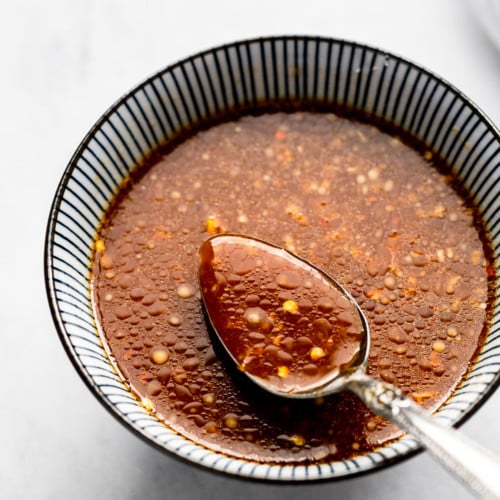
While the chicken marinates, whisk together 3Tbsp soy sauce, 2Tbsp brown sugar, 2Tbsp sesame oil, tsp gochugaru, and 2Tbsp water until the sugar dissolves. Set the glaze aside; youll add it at the very end to coat everything in a glossy sheen.
Cook the SweetPotato Noodles
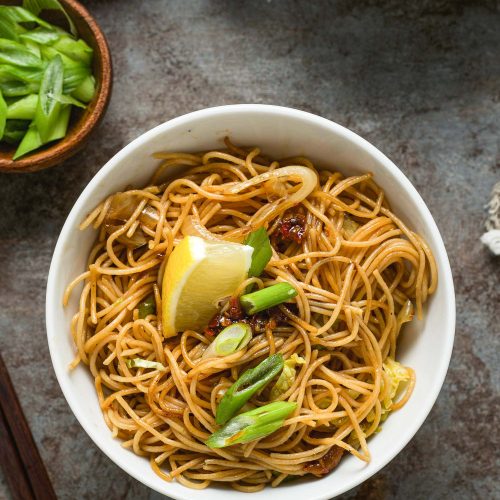
Bring a large pot of water to a rolling boil. Drop in the noodles and cook for 35minutes, just until theyre tender but still have a bite. Drain, rinse under cold water, and drizzle with a tiny drizzle of sesame oil to keep them from sticking. This quick shock stops the cooking process and preserves the noodles translucence.
StirFry Veggies & Chicken
- Heat a tablespoon of neutral oil in your wok over high heat.
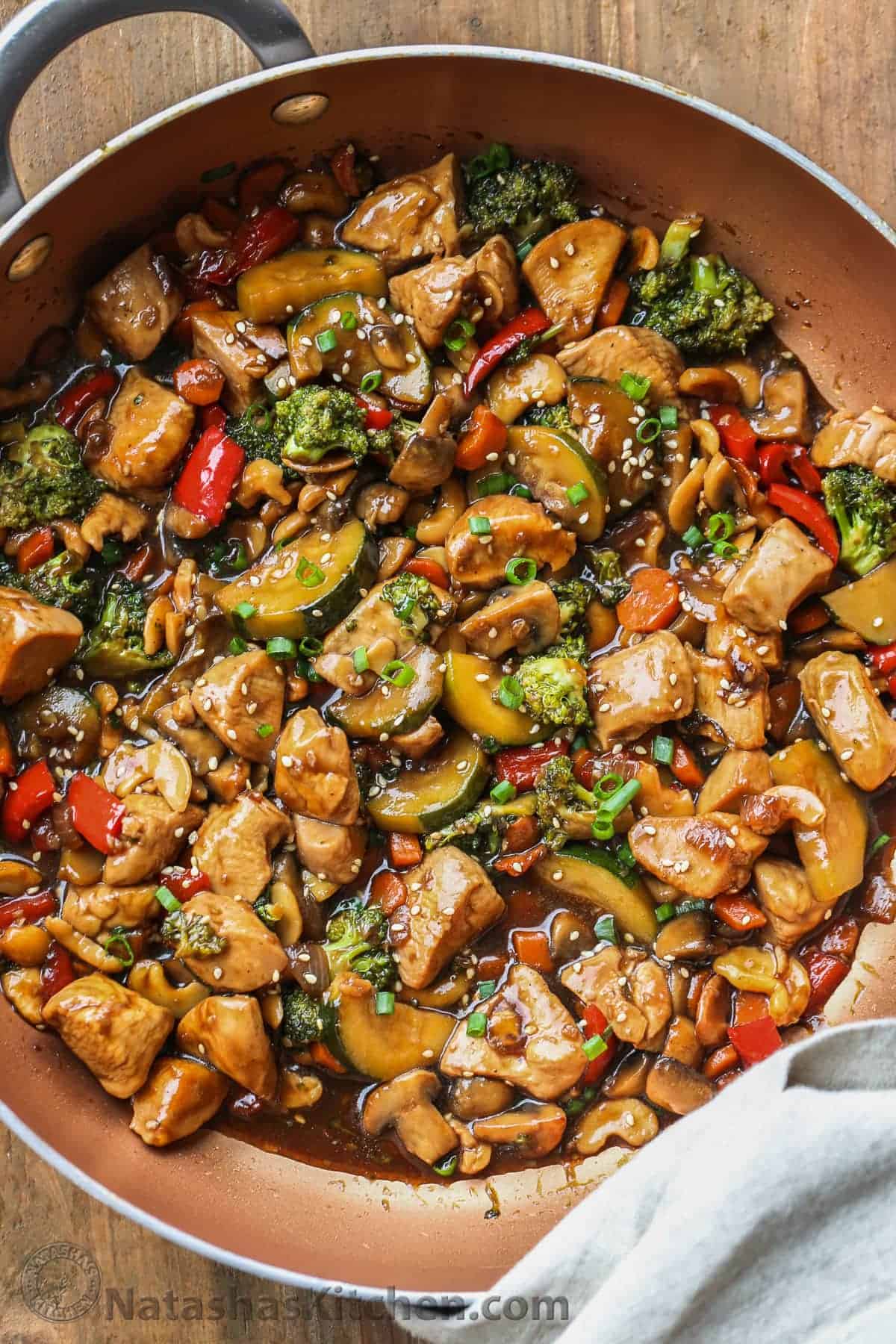
- Add the marinated chicken and stirfry for about 23minutes, until its 75% cooked.
- Introduce the carrots, bell pepper, and shiitake mushrooms. Keep them moving for another 2minutes so they stay crisptender.
- Push the mixture to the side of the pan, add the onion and spinach, and let the spinach wilt in about 30seconds.
Combine Everything
Return the chicken to the center of the wok, add the cooled noodles, and pour the prepared sauce over the top. Toss everything together on high heat for 2minutes; this is when the noodles absorb the glaze and become beautifully glossy. Finish with a sprinkle of sesame seeds and sliced green onions for a pop of color and extra nuttiness.
When you see the noodles glistening and the veggies still retaining a slight crunch, youve reached perfection.
Flavor Variations
One of the joys of japchae is its adaptability. Here are three quick twists you can try without rewriting the whole recipe:
- Spicy Chicken Japchae: Double the gochugaru or stir in a spoonful of gochujang (Korean chili paste). Adjust to your heat tolerance and enjoy the extra depth.
- Vegetarian Japchae: Replace the chicken with firm tofu cubes or extra shiitake mushrooms. The tofu absorbs the sauce beautifully, making a satisfying plantbased version.
- GlutenFree / Paleo Twist: Swap the glass noodles for shirataki and use coconut aminos instead of soy sauce. This keeps the dish lowcarb while preserving that signature chew.
Common Mistakes
| Mistake | Why It Happens | Quick Fix |
|---|---|---|
| Noodles turn mushy | Overcooking or not rinsing | Cook to aldente, shock in ice water, add a dash of oil |
| Sauce too thin | Too much water or low sugar | Reduce sauce 2minutes; add a pinch of cornstarch slurry if needed |
| Veggies soggy | Stacking in wok, low heat | Stirfry in batches, keep heat high |
| Chicken dry | Overcooking thin strips | Marinate well, pull from heat as soon as opaque |
Keeping these pitfalls in mind will help you serve a dish thats consistently restaurantgrade.
Nutrition Snapshot
Calorie & Macro Breakdown
According to the , a typical serving of chicken japchae noodles supplies about 284kcal, 12g protein, 8g fat, and 38g carbohydrates. It also offers modest amounts of fiber and iron, thanks to the sweetpotato starch and leafy greens.
Health Benefits
- Betacarotene boost: The glass noodles are made from sweetpotato starch, delivering antioxidant power that supports eye health.
- Lean protein: Chicken provides essential amino acids without excessive saturated fat.
- Fiber & micronutrients: Carrots, spinach, and mushrooms contribute vitamins A, C, and K, plus minerals like potassium and magnesium.
Storage & Reheating
Leftovers store nicely in an airtight container for up to three days. To revive the noodles, reheat in a hot skillet with a splash of water or broth; this prevents them from drying out and brings back that glossy finish.
Expert Insight
When I first tried this recipe, I watched Maangchis classic Easy Japchae video and noticed how she emphasizes a quick, highheat stirfry to keep everything crisp. That principle guided my own technique: never let the wok sit idle, and always have the sauce ready to pour as soon as the noodles join the pan.
That Spicy Chicks tutorial on sauce emulsification also helped me perfect the glazewhisking until the sugar fully dissolves ensures a smooth, nongrainy finish. By borrowing tips from these trusted creators, the dish feels both authentic and uniquely my own. For more background on traditional Korean ingredients and cultural context, see this overview of Korean culinary traditions: Korean culture and cuisine.
Conclusion
With just a handful of pantry staples, a short marinating step, and a few minutes of highheat stirfrying, you can master a restaurantquality japchae recipe chicken at home. The dish delivers balanced nutrition, bold Korean flavors, and plenty of room for personal twistswhether you crave heat, prefer a plantbased version, or need a glutenfree swap. Give it a try tonight, share your favorite variation with friends, and enjoy the comforting glow of a wellexecuted Korean classic.
FAQs
What type of noodles should I use for japchae?
Traditional japchae uses sweet‑potato glass noodles (dangmyeon). You can also use shirataki for a low‑carb option or regular vermicelli if needed.
How long should I marinate the chicken?
A minimum of 30 minutes is enough for flavor, but 2 hours in the refrigerator gives a deeper, juicier result.
Can I make this recipe gluten‑free?
Yes! Substitute the soy sauce with coconut aminos and keep the sweet‑potato noodles (they’re already gluten‑free).
Why do the noodles become soggy if overcooked?
Glass noodles keep soaking water quickly; cook them just until al‑dente (about 3‑5 minutes), then rinse in cold water and toss with a little sesame oil to stop further cooking.
How do I reheat leftover japchae without losing texture?
Reheat in a hot skillet or wok with a splash of water or broth, stirring quickly for 2‑3 minutes until warmed through. This restores the glaze and keeps the noodles from drying out.