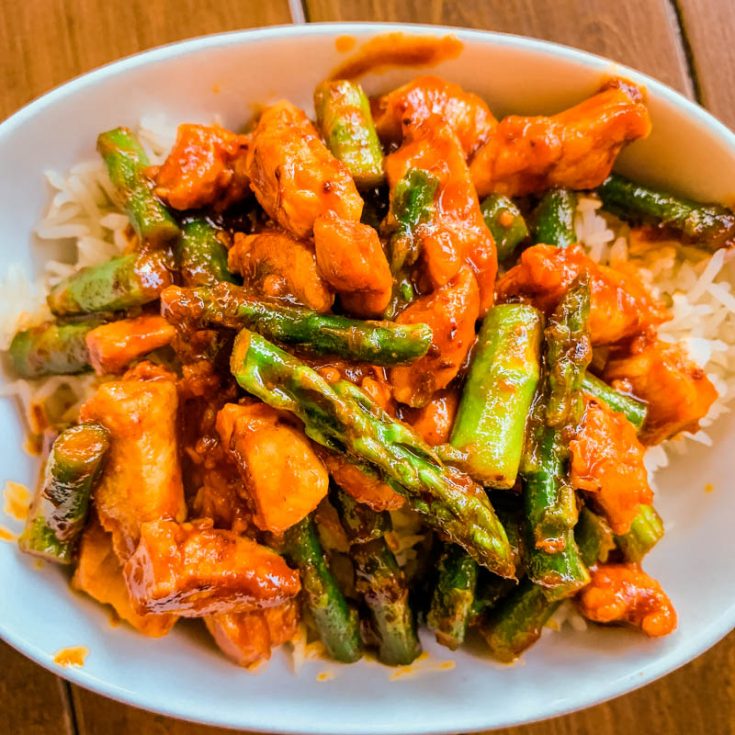
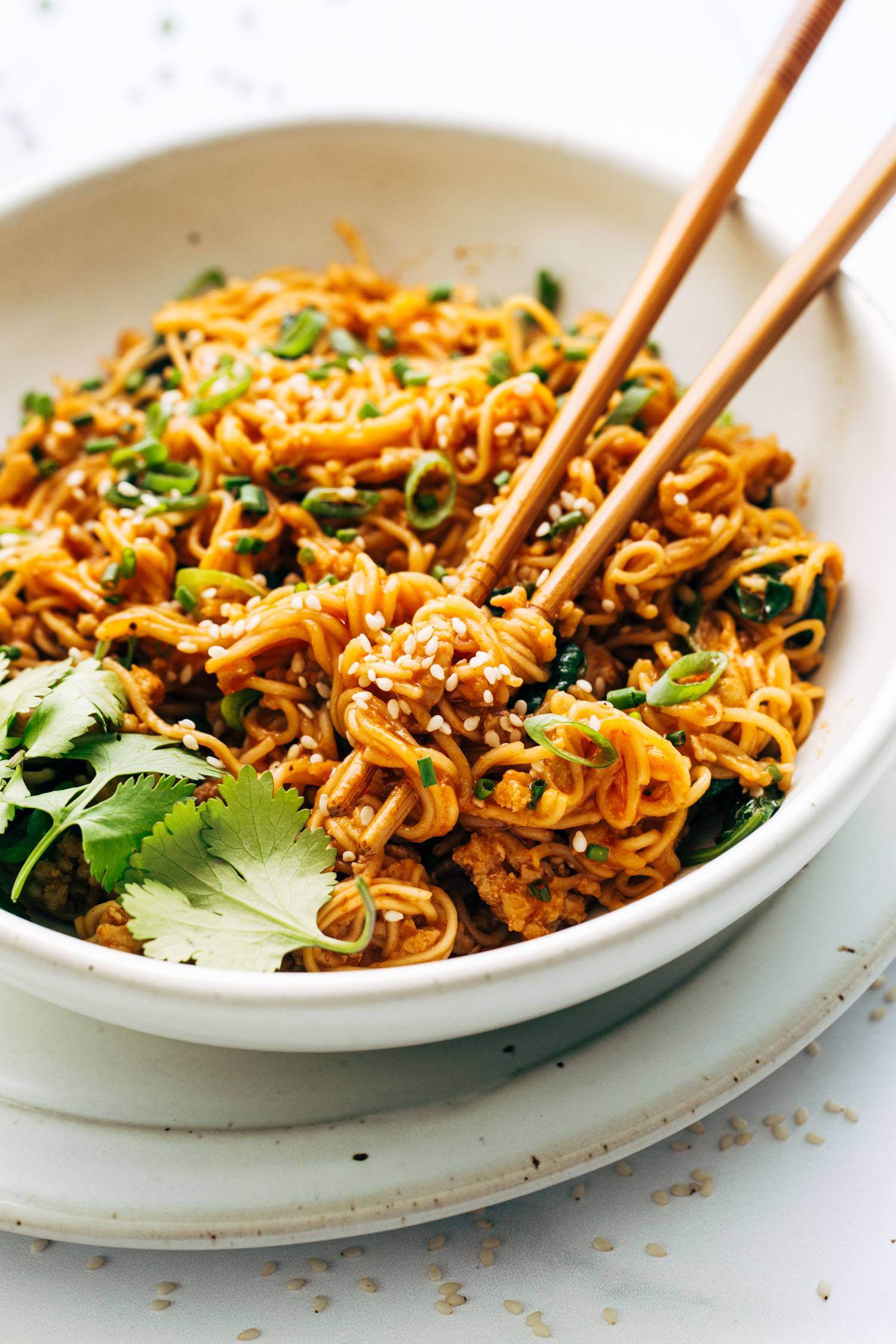
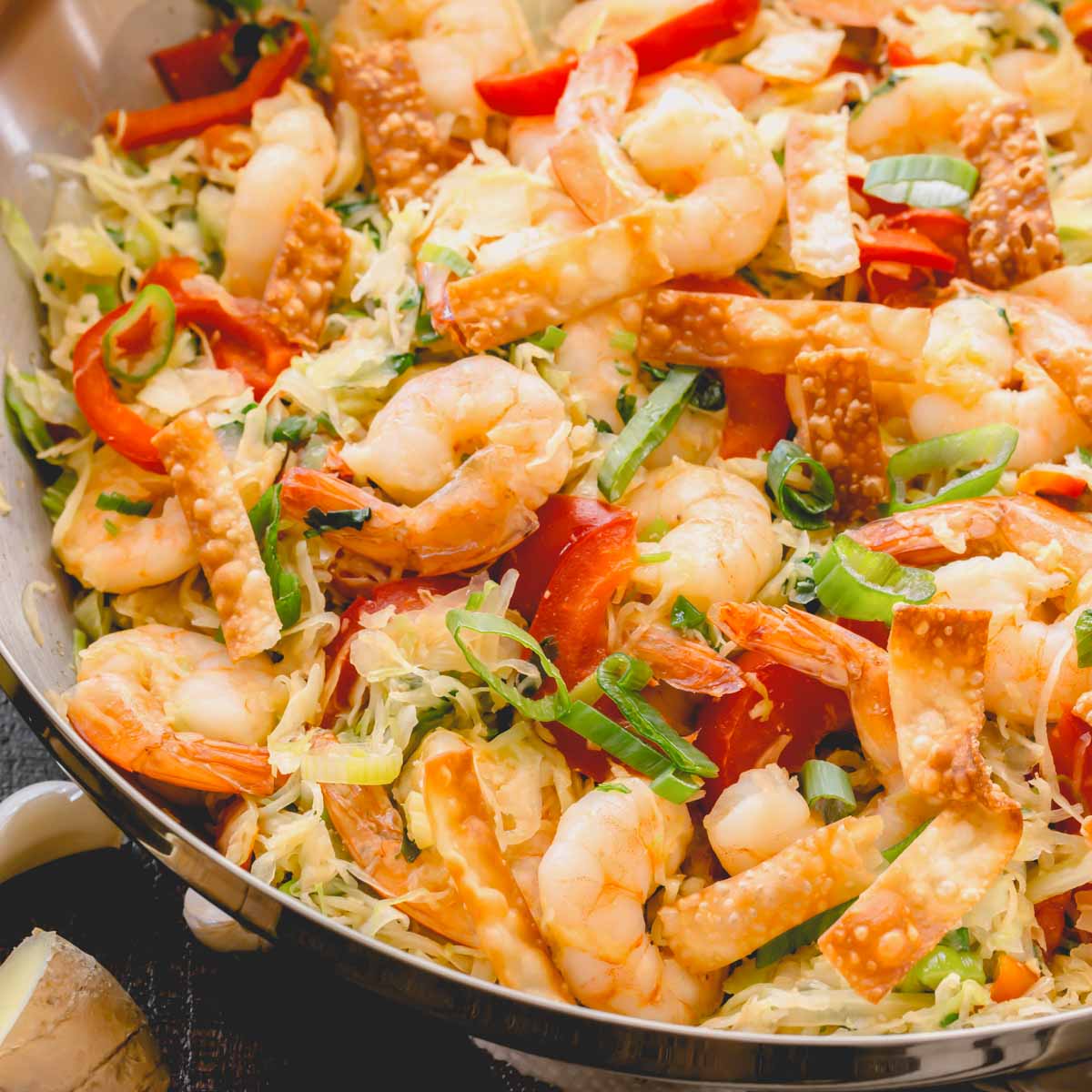
Looking for a quick dinner that packs a punch without the takeout price tag? Youve just landed on the perfect gochujang stir fry recipe. In under 30 minutes youll have a glossy, sweetsticky sauce coating tender chicken, pork, tofuor whatever you have on handplus a rainbow of crunchy vegetables. And the best part? Its totally customizable for rice, noodles, or a lowcarb veggie base.
Lets dive straight into the good stuffno fluff, just the stepbystep you need to get that authentic Korean flavor swirling in your pan tonight.
Flavor Why It Works
SweetStickySpicy Balance
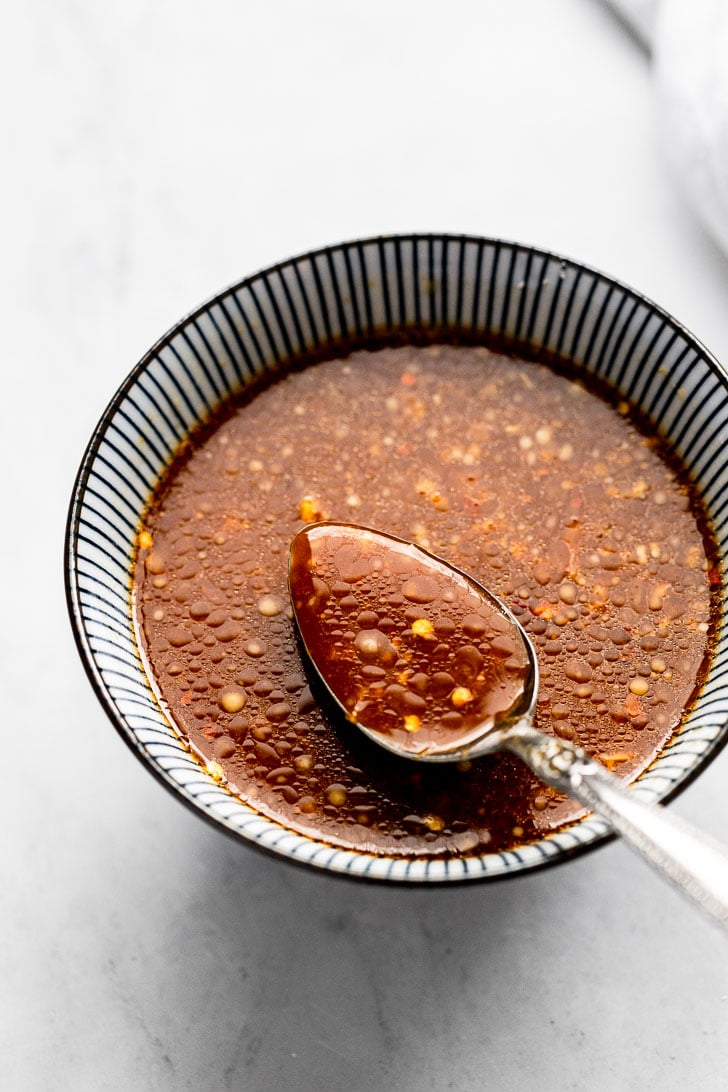
Gochujang is a fermented chili paste that brings deep umami, a gentle heat, and a natural sweetness. When you blend it with honey (or brown sugar), soy sauce, and a splash of rice vinegar, you create the classic sweetstickyspicy coating that makes every bite sing. This balance is what turns a simple stirfry into a craveworthy dish.
Health Benefits & Nutrition
The paste is rich in capsaicin, which can boost metabolism, and it contains probiotics from the fermentation process. Paired with a medley of vegetablesthink bell peppers, broccoli, and snap peasyoure loading up on vitamins, fiber, and antioxidants. Keep an eye on the sodium though; a lowsodium soy or tamari can tame the salt while preserving flavor.
Potential Risks & How to Mitigate Them
Because gochujang can be salty and spicy, its worth checking the label for added sugars and wheat if you have dietary restrictions. Swap regular soy sauce for glutenfree tamari, and dial back the heat by using half the recommended gochujang and adding a little extra honey for balance.
Ingredients & Tools
Core Gochujang Stir Fry Sauce
These five staples form the backbone of the sauce. According to Ginger With Spice, the ratio of 1part gochujang to 1part honey (or brown sugar) creates that perfect glossy finish.
- cup gochujang paste
- cup soy sauce (or tamari for glutenfree)
- 2tbsp honey or brown sugar
- 1tbsp rice vinegar
- 2cloves garlic, minced
- 1tsp sesame oil
- cup water (adjust for desired thickness)
Protein Options
- Chicken breast or thigh, sliced thin (gochujang stir fry chicken)
- Pork shoulder or ground pork (gochujang stir fry pork)
- Firm tofu, pressed and cubed (vegan alternative)
Gochujang Stir Fry Vegetables
- Red and yellow bell peppers, sliced
- Broccoli florets
- Carrot, julienned
- Snap peas
- Red onion, thinly sliced
- Mushrooms, quartered
Carb Bases
- Cooked jasmine or brown rice (gochujang stir fry rice)
- Cooked Asian noodlesudon, rice noodles, or even spaghetti (gochujang stir fry noodles)
Tools Youll Need
- Large wok or skillet (high heat is key)
- Wooden spoon or spatula
- Measuring spoons
- Small bowl for sauce mixing
| Category | Item | Qty | Notes |
|---|---|---|---|
| Sauce | Gochujang paste | cup | Korean market or Asian aisle |
| Sauce | Soy sauce | cup | Lowsodium or tamari |
| Protein | Chicken breast | lb | Sliced thin for quick cook |
| Veggies | Bell peppers | 2cups | Mix colors for visual pop |
| Carb | Cooked rice | 2cups | Use dayold rice for best texture |
StepByStep Cooking Guide
Prep: Marinate & Chop
First, whisk together half of the gochujang stir fry sauce in a bowl. Toss your chosen protein in this mixture and let it sit for ten minutesthis quick marinate infuses flavor without slowing you down.
Cook the Protein
Heat a splash of oil in your wok over high heat. Add the marinated protein in a single layer; youll hear that satisfying sizzle. Cook for 23minutes, turning once, until its just about done. Remove and set aside while you work on the veg.
StirFry the Vegetables
Drop a little more oil into the same pan. Toss in the harder veggies firstbroccoli, carrots, bell peppersstirfry for 2 minutes. Then add the snap peas, mushrooms, and onion, cooking another minute. You want them crisptender, not soggy.
Make the Sticky Sauce
Give the remaining gochujang stir fry sauce a quick stir, then pour it into the pan with a splash of water. Let it simmer for about a minute; the heat will thicken it into a glossy glaze.
Combine & Finish
Slide the cooked protein back into the wok, toss everything together so the sauce coats each piece. Finish with a drizzle of sesame oil, a sprinkle of toasted sesame seeds, and sliced green onions. Serve over rice, noodles, or a veggie bedyour choice.
Full Recipe Card
Prep time: 10min|Cook time: 15min|Serves: 4
Nutrition (approx.): 350kcal per serving, 12g fat, 38g carbs, 22g protein.
Variations & Customizations
Chicken Version
If youre in the mood for gochujang stir fry chicken, use thinly sliced chicken thighs for extra juiciness. Pair it with jasmine rice for a classic combo.
Pork Version
Ground pork works beautifully with the sauce. After browning the pork, crumble it into the pan and let the flavors meld. Top with a quick kimchi slaw for extra crunch.
Vegan / Vegetarian
Swap the protein for firm tofu or tempeh, and replace honey with maple syrup. The result is just as satisfying, and the sauce still clings perfectly.
Noodle Base
For gochujang chicken stir fry noodles, cook your favorite Asian noodles aldente, drain, and toss them in the wok during the final minute. The noodles will soak up the sauce without getting mushy.
Rice Base
When serving over gochujang stir fry rice, consider adding toasted seaweed strips on top for an umami boost.
Heat Level
Start with tbsp gochujang for a mild kick. If you like heat, stir in extra gochugaru or a dash of sriracha until you reach your desired spice level.
| Protein | Cook Time | Spice Index (15) | Best Base |
|---|---|---|---|
| Chicken | 5min | 3 | Rice or noodles |
| Pork | 6min | 4 | Rice |
| Tofu | 4min | 2 | Noodles |
Expert Tips & Common Mistakes
Getting the Right Stickiness
The secret is the honeytosoy balance. Too much soy makes the sauce watery; too much honey makes it cloying. If the sauce looks thin, add a splash of water and let it simmer a few seconds longer.
Preserving Veggie Crunch
Dont overcrowd the wok. Cook in batches if needed. This ensures the vegetables sear rather than steam, keeping that satisfying snap.
Adjusting Spice Safely
Always taste before you add the final gochujang. If youre serving kids or spicesensitive guests, keep a dairy productlike a dollop of plain yogurton the side to mellow the heat.
Pro Chef Insight
My Korean Kitchen notes that authentic gochujang sauces often include a touch of toasted sesame oil at the end of cooking. It adds depth and a subtle nutty aroma that elevates the entire dish.
Common Pitfalls Checklist
- Overcrowding the pan veggies steam, lose crunch.
- Using lowquality gochujang flavor becomes bland.
- Skipping the marination step protein stays dry.
- Cooking sauce too long it can become overly salty.
Serving Ideas & Meal Planning
Pair With Sesame Rice
Cook rice with a drizzle of sesame oil and a pinch of salt. The nutty rice acts as a perfect canvas for the bold sauce. A quick tip from a Korean home cook: fluff the rice with a fork and sprinkle toasted sesame seeds just before serving.
MakeAhead & MealPrep
Portion the cooked stir fry into airtight containers, add a separate scoop of rice or noodles, and store in the fridge for up to four days. Reheat on high heat for a minute to bring back the crisp texture.
Leftover Transformations
Turn any leftovers into a fried rice bowl the next dayjust add an extra egg and a splash of soy sauce. Or toss the remaining stir fry with fresh noodles for a brandnew dinner.
Conclusion
This gochujang stir fry recipe gives you the best of both worlds: a vibrant, restaurantquality flavor and the convenience of a weeknight dinner. Whether you choose chicken, pork, tofu, or just a medley of vegetables, the sweetstickyspicy sauce ties everything together. Play with rice, noodles, or a lowcarb veggie base, and dont be shy about adjusting the heat to match your taste. Give it a try tonight, share your favorite variation, and enjoy the comforting warmth of a truly satisfying Korean stirfry.
FAQs
What is gochujang and can I substitute it?
Gochujang is a Korean fermented chili paste that gives sweet, spicy, and umami flavor. If you can’t find it, try a mix of miso, chili powder, and a bit of honey.
Can I make this stir fry low‑sodium?
Yes—use low‑sodium soy sauce or tamari and reduce any added salt. The flavor stays bold thanks to the gochujang and aromatics.
Is this recipe suitable for a gluten‑free diet?
Absolutely; just swap regular soy sauce for gluten‑free tamari and ensure your gochujang doesn’t contain wheat.
How long can I store leftovers?
Refrigerate the cooked stir fry in an airtight container for up to four days. Reheat quickly on high heat to keep the veggies crisp.
What protein works best with the sauce?
Chicken, pork, or firm tofu all absorb the sweet‑sticky sauce well. Adjust cooking time accordingly—thinly sliced meats need only a few minutes.