Craving a bowl that packs heat, comfort, and a little bit of wowfactor without draining your whole evening? Youre in the right place. In the next few minutes well walk through a korean chicken stir fry noodles recipe thats fast, flavorful, and forgiving enough for any skill level.
By the end of this post youll have a complete grocery list, a stepbystep guide, tips for swapping ingredients, nutrition facts, and a handful of pro tricks that even a seasoned Korean chef would nod at. Lets dive inno fluff, just the answers you came looking for.
Ingredients List
| Category | Item | Why It Matters |
|---|---|---|
| Protein | 2cups diced skinless chicken breast or thigh | Lean, juicy bites that soak up sauce |
| Noodles | 200g wheat noodles (udon, ramen) or glass noodles | Chewy base that holds the gochujang glaze |
| Vegetables | 1cup broccoli florets, cup sliced carrots, cup red bell pepper, 2tsp sliced green onions | Crunch, color, and a vitamin boost |
| Sauce | 2tbsp gochujang, 1tbsp soy sauce (lowsodium), 1tbsp honey, 1tsp sesame oil, 2cloves minced garlic, tsp grated ginger, 1tbsp peanut butter (optional) | Sweetspicynutty core of the dish |
| Garnish | 1tbsp toasted sesame seeds, juice of lime, optional crushed peanuts | Fresh aroma and a satisfying finish |
Feel free to swap the wheat noodles for glutenfree rice noodles or sweetpotato glass noodles if you have dietary restrictions. The sauce can be dialed up or down in heat by adding a pinch of gochugaru (Korean red pepper flakes) or a splash of sriracha.
Cooking Tools
- Large wok or deep skillet high heat distribution is key.
- Chefs knife and sturdy cutting board safety first, keep that board from slipping.
- Measuring spoons and a kitchen scale precise ratios make the sauce repeatable.
- Spatula or tongs for that quick toss without breaking noodles.
Carbonsteel woks hold heat better than nonstick pans, a fact highlighted by culinary schools for stirfry perfection.
How to Cook
1 Prep Everything First
Dice the chicken into bitesize strips and pat them dry with paper towelsdry meat browns better. Slice the veggies into uniform inch pieces so they finish cooking at the same time. Whisk together the gochujang, soy sauce, honey, sesame oil, garlic, ginger, and peanut butter (if using). Taste and adjust: a tiny splash of vinegar brightens the flavor, while a pinch more honey can tame excess heat.
2 Cook the Noodles
Boil the noodles according to the package directions, but pull them out 2 minutes before theyre fully done (theyll finish cooking in the wok). Drain, rinse under cold water, and toss with a drizzle of sesame oil to keep them from sticking.
3 Sear the Chicken
Heat the wok on high until a thin layer of oil shimmers. Add the chicken and stirfry for 34minutes, until its golden on the edges but still a touch pink inside. Transfer to a plate; it will finish cooking later.
4 StirFry the Veggies
Add a splash more oil if the wok looks dry. Toss in the broccoli and carrots firstthese need a minute or two to soften. Then throw in the bell pepper; everything should stay crisptender, not soggy.
5 Bring It All Together
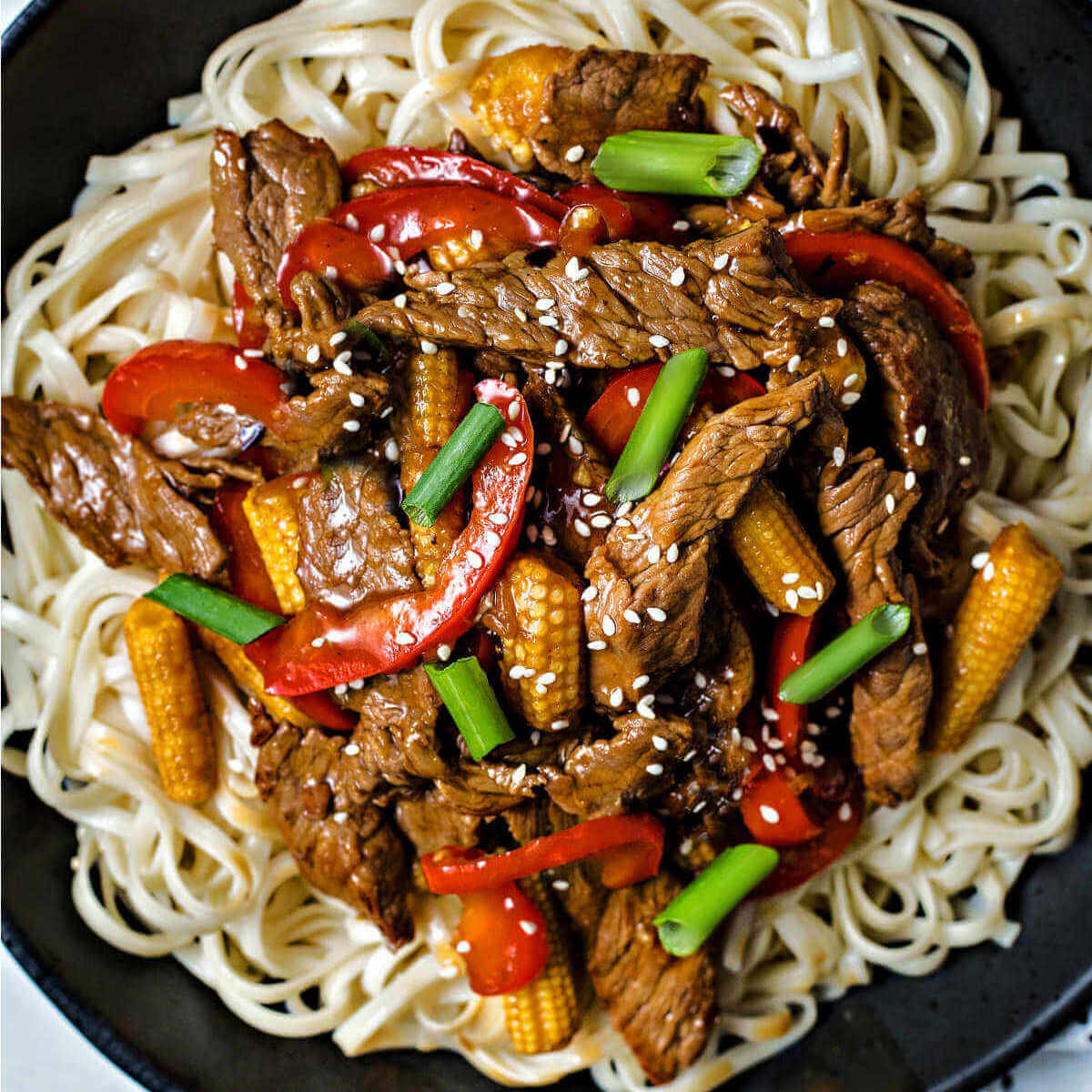
Return the chicken to the wok, add the noodles, and pour the sauce over everything. Keep the heat on high and toss continuously for another 2minutes. The noodles should become glossy, and the sauce should cling to each strand. Finish with green onions, sesame seeds, and a squeeze of lime.
6 Plate and Serve
Serve hot, with extra gochujang on the side for those who like it extra spicy. Pair with a simple cucumber kimchi or a steaming bowl of miso soup if you want a full Koreanstyle meal.
Flavor Tweaks
Spicy vs. Mild
For a milder version, halve the gochujang and replace the missing depth with a teaspoon of fermented soybean paste (doenjang). For firebreathers, double the gochujang and add a pinch of crushed red pepper flakes.
Protein Alternatives
Swap chicken for firm tofu (pressed, cubed, and panfried) for a vegetarian spin, or use shrimp for a surfandturf feel. Adjust cooking times accordinglyshrimp only needs 2minutes.
Noodle Variations
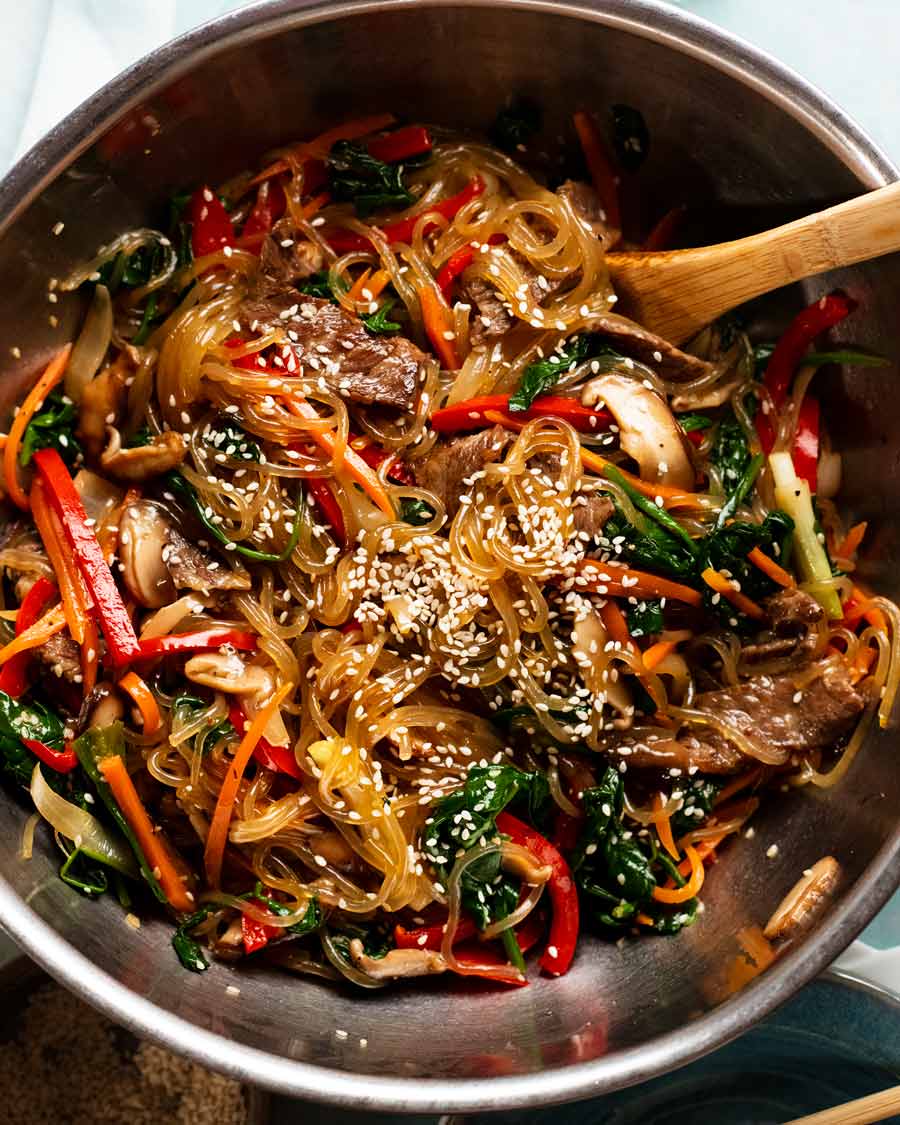
Japchaestyle sweetpotato glass noodles give a slightly sweeter texture, while wholewheat spaghetti adds a Western flair. All work as long as the noodles are cooked aldente.
Side Pairings
A quick kimchi salad, pickled radish, or a light seaweed soup can balance the heat and round out the meal.
Health Facts
According to USDA FoodData Central, a typical serving of this dish (about 1 cups) contains roughly 420kcal, 35g protein, 45g carbs, and 12g fat. The gochujang contributes capsaicin, which research from the Korean Food Foundation suggests may boost metabolism and support heart health.
Watch the sodiumsoy sauce can be a sneaky source of salt. If youre watching your blood pressure, opt for lowsodium soy sauce or dilute the sauce with a splash of water or broth.
Chef Secrets
- Heat Management: Preheat the wok until it lightly smokes, then drop the temperature just enough to keep the ingredients moving. This prevents burning while giving that coveted wokhei (breath of the wok).
- The 123 Sauce Rule: 1part gochujang, 2parts soy sauce, 3parts sweetener. Adjust after tastingthis ratio keeps the balance between salty, sweet, and spicy.
- Texture Hack: Sprinkle a handful of toasted rice (nurungji) just before serving for a subtle crunch that Korean home cooks swear by.
Common Issues
| Problem | Cause | Fix |
|---|---|---|
| Sauce too thin | Too much water from noodles | Stir in extra gochujang + 1tsp cornstarch slurry |
| Noodles stick together | Overcooking | Rinse with ice water, toss with oil before stirfry |
| Chicken dry | Oversearing | Marinate briefly in soysesame mix, cook just until pink |
| Dish overly salty | Highsodium soy sauce | Dilute with broth or add a splash of rice vinegar |
Storage Tips
Cool the stirfry to room temperature, then split into airtight containers. Keep the sauce separate from the noodles if you plan to reheat later; this prevents sogginess. In the fridge, the dish stays fresh for up to three days.
To reheat, heat a splash of water or broth in a pan over medium heat, add the noodles and sauce, and stir until heated through. For a quick office lunch, toss the leftovers into a microwavesafe bowl, heat for 30seconds, stir, and repeat.
If you love mealprepping, portion the chicken, veggies, and noodles into mason jars, layering the sauce at the bottom. When youre ready to eat, just dump the jar into a hot pan and stirfry for two minutes.
Final Thoughts
You now have a complete, 20minute roadmap to master korean chicken stir fry noodlesfrom pantry staples to prolevel tricks. The recipe is flexible enough to satisfy a mild palate or a firebreathing craving, healthy enough for a weekday lunch, and indulgent enough for a weekend treat.
Give it a try tonight, snap a photo of your bowl, and share what you tweaked. Did you add kimchi? Use a different noodle? Your variations keep this dish alive and evolving, and thats what good food is all about: community, creativity, and a little bit of heat to keep life interesting.
FAQs
Can I use gluten‑free noodles for this dish?
Yes! Substitute rice noodles, shirataki, or sweet‑potato glass noodles. Cook them al dente, rinse with cold water, and toss with a little sesame oil before stir‑frying.
How can I make the recipe less spicy?
Cut the gochujang in half and add a splash of rice vinegar or extra honey. You can also replace part of the gochujang with a mild miso or soy sauce blend.
What’s the best way to keep the chicken juicy?
Pat the chicken dry before searing, and briefly marinate it in a mixture of soy sauce, sesame oil, and a touch of cornstarch. Cook just until pink; the residual heat will finish it.
Can I prepare the sauce ahead of time?
Absolutely. Mix all sauce ingredients in a jar and store in the fridge for up to 3 days. Give it a good shake before using to recombine any settled ingredients.
What side dishes pair well with Korean chicken stir fry noodles?
Simple accompaniments like cucumber kimchi, pickled radish, or a light miso soup balance the heat and round out the meal.