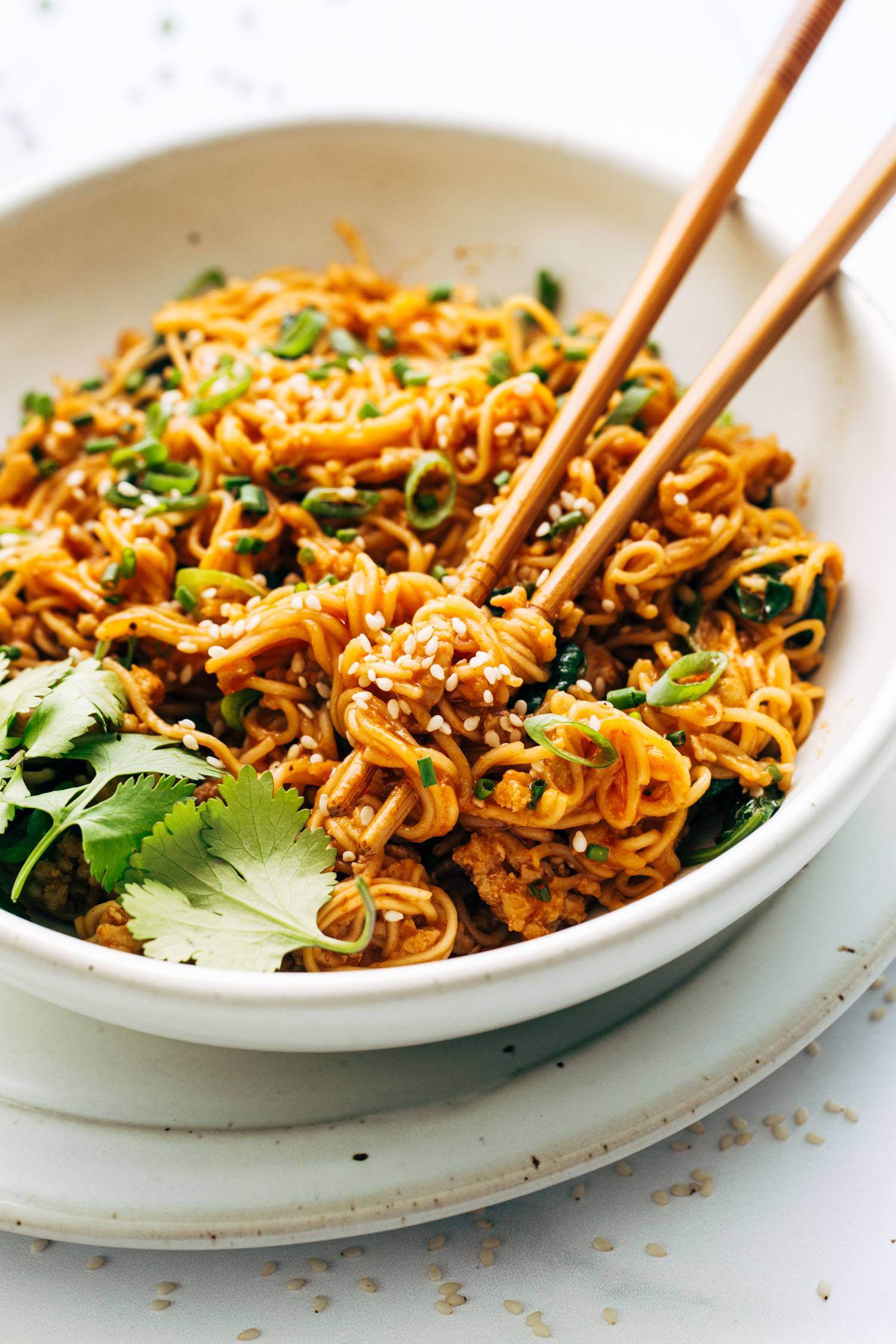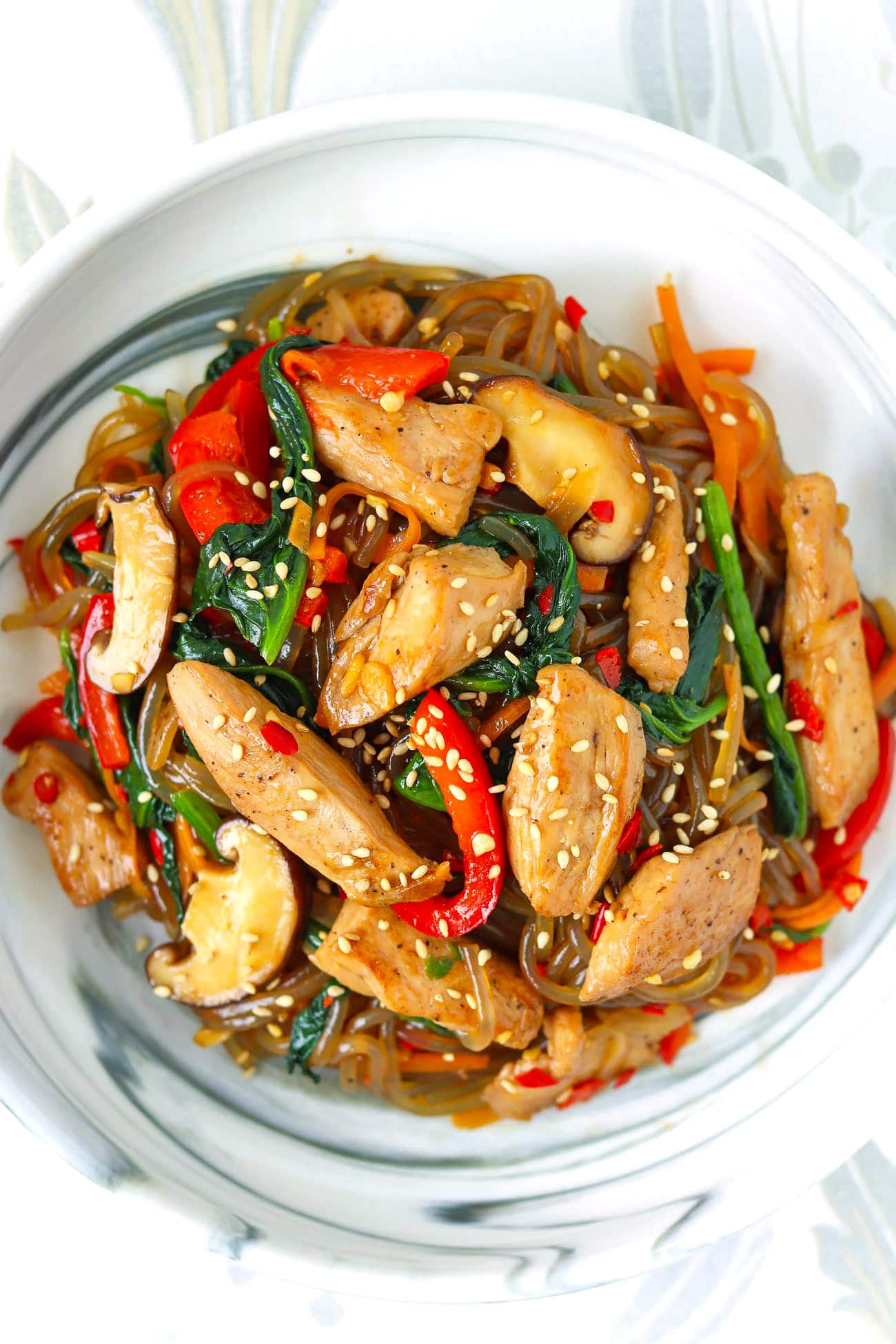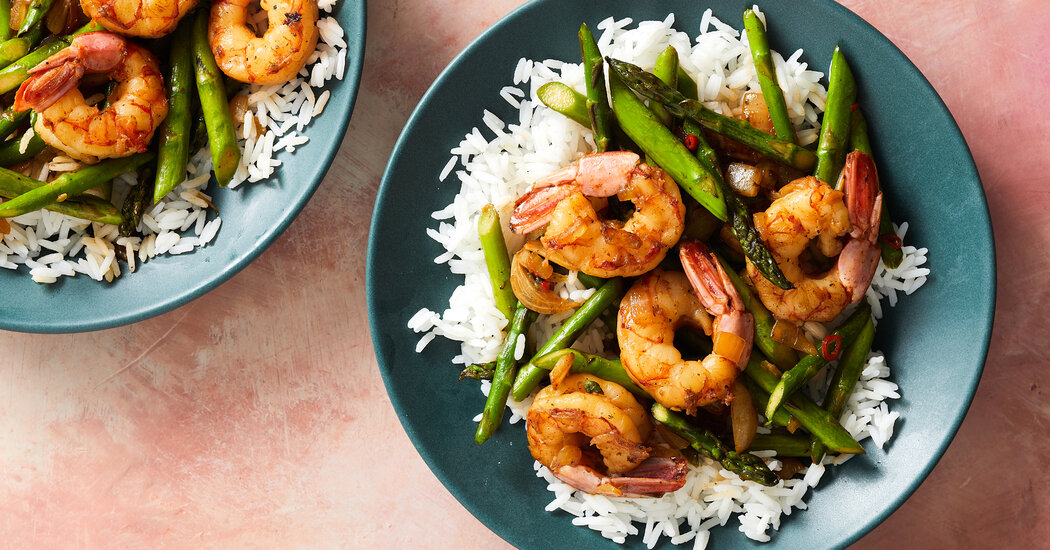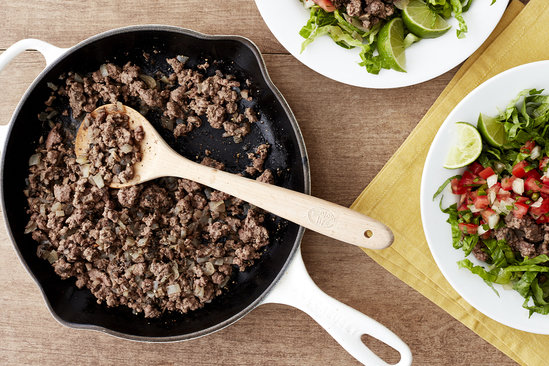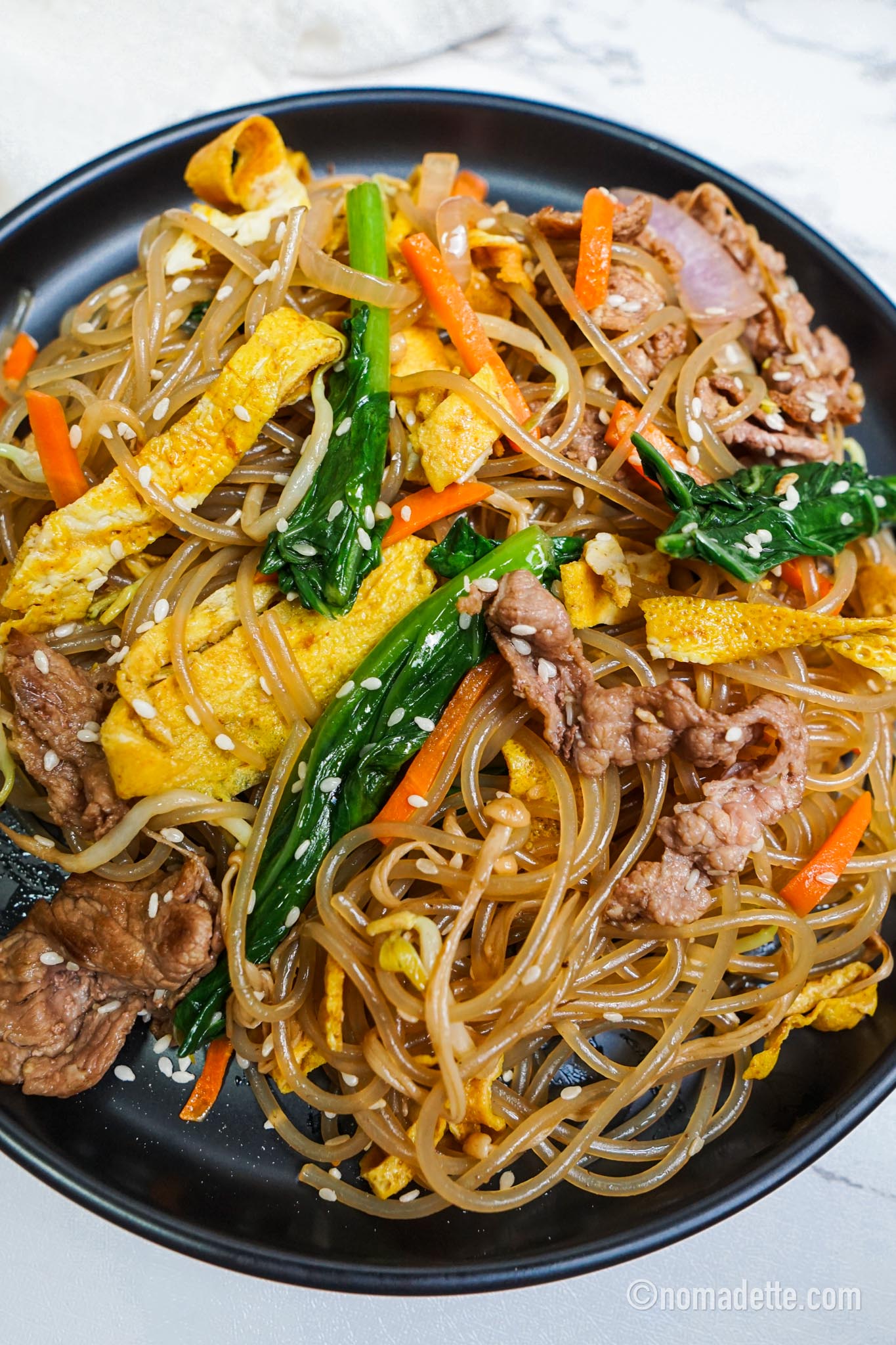
Looking for a tasty, onepan dinner that feels fancy but is actually a piece of cake? Youve just found the easy japchae recipe that will have you slurping glossy glass noodles in under 20 minutes. Whether youre feeding a family, impressing friends, or just craving something comforting on a lazy weeknight, this guide gives you everything you needingredients, sauce, stepbystep instructions, and a handful of tweaks for every diet.
Lets skip the fluff and dive straight into the good stuff: the noodles, the sauce, the veggies, and the secret that makes this dish shine. Ready? Grab a skillet and lets get cooking!
Why This Recipe
Because its the best japchae recipe you can pull together on a Tuesday night without a pantry raid. The magic lies in a simple yet balanced sauce that brings sweet, salty, and nutty notes together, and a cooking method that keeps the noodles from turning into mush.
I first tried this version for a spontaneous dinner partymy guests thought Id spent hours in the kitchen, but the whole process was actually under 15 minutes. If you love that wow factor without the stress, keep reading.
Core Ingredients
The foundation of any good japchae is quality ingredients. Below is a quick checklist that you can print or keep on your phone while you shop.
| Ingredient | Amount (Serves 4) | Notes |
|---|---|---|
| Korean glass noodles (dangmyeon) | 200g (7oz) | Find them in the Asian aisle; glutenfree. |
| Soy sauce (or tamari for glutenfree) | 3Tbsp | Lowsodium optional. |
| Sesame oil | 2Tbsp | Toasted for extra aroma. |
| Brown sugar or rice syrup | 1Tbsp | Adjust to taste. |
| Garlic, minced | 2cloves | Fresh is best. |
| Carrot, julienned | 1 medium | Bright color. |
| Red bell pepper, sliced | Sweet crunch. | |
| Spinach | 2cups | Fresh or frozen, welldrained. |
| Mushrooms (shiitake or button) | cup | Thinly sliced. |
| Protein (beef, pork, chicken, tofu) | 200g | Thin strips; optional for veg. |
These japchae ingredients are easy to find, and you can swap any vegetable you have on hand. The sauce itself is a japchae sauce recipe that youll master after a couple of tries, but trust meits foolproof.
StepbyStep Guide
1. Cook the glass noodles
Bring a pot of water to a rolling boil, drop in the dangmyeon, and cook for 67minutes until theyre just tender. Drain, rinse under cold water, and toss with a splash of sesame oil to keep them from sticking. This step is the foundation of that glossy finish we love.
2. Whip up the sauce (best japchae sauce recipe)
In a small bowl combine soy sauce, sesame oil, brown sugar, and minced garlic. Stir until the sugar dissolves. If you prefer a version, use maple syrup or a sugarfree alternative.
3. Stirfry veggies and protein separately
Heat a large skillet or wok over mediumhigh heat. Add a dash of oil, then sear your protein for 23minutesjust enough to brown the edges while staying juicy. Remove and set aside.
In the same pan, stirfry the carrots, bell pepper, and mushrooms for 2minutes. Add the spinach last; it wilts in seconds. Cooking components separately prevents soggy veggies and ensures each bite stays crisp.
4. Combine everything
Return the protein to the pan, add the noodles, and pour the sauce over the top. Toss everything together for another 2minutes, letting the sauce coat each strand. Taste and adjustmaybe a pinch more sugar or a splash of extra soy sauce.
5. Serve with confidence
Transfer to a serving platter, drizzle a few more drops of toasted sesame oil, and sprinkle sesame seeds for texture. Serve hot, warm, or even at room temperaturethe dish holds up beautifully.
Full Recipe Card
Prep: 10minCook: 12minTotal: 22minServings: 4
Tip: For a truly easy japchae recipe (korean glass noodles) feel, do all the stirfrying steps in the same panjust wipe it clean between batches.
Easy Variations
Vegetarian & Vegan
If youre hunting for an easy japchae recipe vegetarian option, swap the meat for extra tofu or tempeh. Press the tofu, cube it, and panfry until golden. Use maple syrup instead of honey to keep it vegan.
GlutenFree & LowSodium
Replace regular soy sauce with tamari and cut the sugar in half. You still get that deep umami without the extra sodium. For tips on sodium and nutrition adjustments, check reliable guidance on nutrition and dietary adjustments to help tailor the recipe to your needs.
Upscaled Best Version
Want to claim the title of the best japchae recipe at family gatherings? Add a splash of mirin for sweetness, a pinch of gochugaru for subtle heat, and a handful of toasted pine nuts for crunch. These little upgrades turn a simple stirfry into a showstopper.
Comparison Table
| Version | Protein | Key AddOn | Flavor Boost |
|---|---|---|---|
| Classic | Beef strips | None | Balanced |
| Vegetarian | Tofu cubes | Maple syrup | Slightly sweet |
| Vegan | Tempeh | Apple cider vinegar | Tangy |
| Upscaled | Beef or pork | Pine nuts, mirin | Umamirich |
Common Mistakes & ProTips
Noodles turn mushy
Overcooking the dangmyeon is the biggest culprit. Stick to the 6minute mark, then rinse immediately. A quick drizzle of sesame oil also keeps them separated.
Sauce too salty or sweet
Start with the base measurements, then taste. A tiny splash of rice vinegar can cut excess salt, while an extra halfteaspoon of sugar will balance it out.
Pan overcrowding
When you crowd the skillet, steam replaces sear, and everything ends up soggy. Cook in batches if necessary; a crisp stirfry is worth the extra minute.
Quick Troubleshooting Checklist
- Too soft noodles? Rinse, drain, and add more sesame oil.
- Flat flavor? Add a pinch of toasted sesame seeds and a dash more garlic.
- Veggies watery? Increase heat and finish with a splash of soy sauce.
Nutrition & Storage
Calorie snapshot
One serving (about 1cup) clocks in at roughly 350kcal, with 12g protein, 45g carbs, and 12g fat. The glass noodles provide a steady source of complex carbs, while the veggies contribute fiber and vitamins.
Keeping leftovers
Store any leftovers in an airtight container in the fridge for up to 3days. Japchae actually tastes better after the flavors meld, so a nextday reheating (quick stirfry in a hot pan) is perfectly fine.
Freezerfriendly?
Yesseparate the sauce from the noodles, freeze the sauce in an icecube tray, and the noodles/veggies in a ziplock bag. When youre ready, thaw, toss together, and heat for a fast snack.
Reheating Guide
- Microwave: 30second intervals, stir each time.
- Stovetop: Medium heat, add a splash of water or broth.
Conclusion
There you have ityour goto easy japchae recipe that balances sweet, salty, and nutty flavors while staying light and adaptable. Whether you keep it classic, go vegetarian, or dress it up for a special occasion, the core steps stay the same, giving you confidence every time you cook.
Give this dish a try tonight and see how a handful of ingredients can turn a regular weekday into a mini celebration. If you experiment with a new protein or spice, share your twist with friends (or just keep it to yourself and enjoy the pride). Happy cooking, and may your noodles always stay glossy!
FAQs
What is dangmyeon and can I substitute it?
Dangmyeon are Korean sweet‑potato starch glass noodles that stay chewy when cooked. If you can’t find them, you can use shirataki noodles or dried vermicelli as a substitute, though the texture will be slightly different.
How long should I cook the glass noodles to avoid a mushy texture?
Boil the dangmyeon for 6–7 minutes until just tender, then drain and rinse under cold water. Overcooking makes them soft, so timing is key.
Can I make this recipe gluten‑free?
Yes—use tamari or a gluten‑free soy sauce instead of regular soy sauce. The noodles themselves are naturally gluten‑free.
What protein works best for authentic japchae flavor?
Thinly sliced beef (such as ribeye or sirloin) is traditional, but pork, chicken, or tofu are great alternatives if you prefer a different protein.
How do I store and reheat leftovers without losing the glaze?
Keep the noodles, sauce, and veggies in an airtight container in the fridge for up to 3 days. Reheat in a hot skillet with a splash of water or broth, stirring quickly to revive the glossy coating.