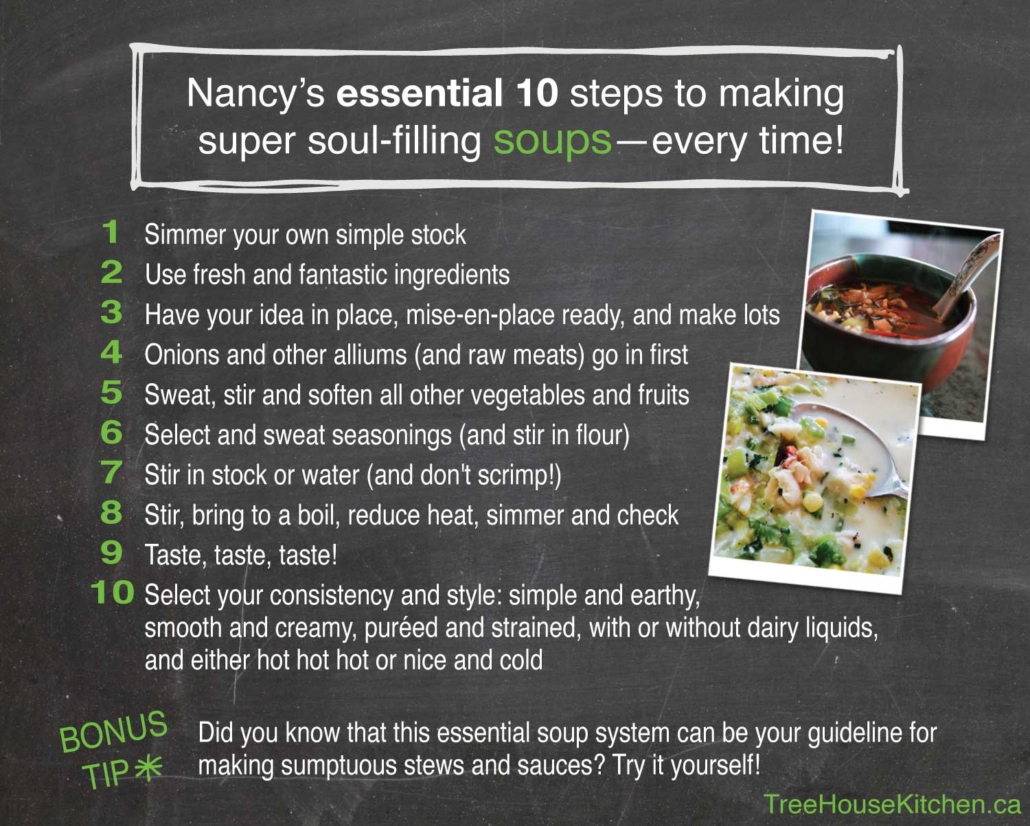
Want a bowl of comfort without spending hours in the kitchen? Just follow these seven easy steps: pick a liquid, saut aromatics, add veggies, drop in protein, season, thicken if you like, and finish with fresh herbs. In under an hour youll have a flavorful, hearty soup that feels like a warm hug.
Overview of Steps
Think of soup as a story with a clear beginning, middle, and happy ending. The 7step framework keeps everything organized so you never feel lost, even if youre a total beginner. Below is a quick snapshot of the roadmap:
- Choose Your Base Liquid water, broth, stock, or a mix.
- Saut Aromatics onion, garlic, ginger, etc.
- Add Veggies & Starch carrots, potatoes, beans.
- Introduce Protein chicken, tofu, lentils.
- Season & Layer Flavors herbs, spices, acid.
- Thicken If Desired roux, cornstarch, pureed veggies.
- Finish & Serve fresh herbs, a splash of lemon, drizzle of oil.
Thats the whole journey in a nutshell. Whether youre learning or looking to upgrade an old family recipe, each step is a chance to tweak flavor, texture, and nutrition.
Pick Your Base
The base is the lake where all the flavors swim. If you have homemade chicken or vegetable stock, greatnothing beats the depth of a simmering bone broth. But dont panic if you only have tap water; you can still craft a tasty pot by building flavor from the ground up.
Water + Boosters: Add a couple of bouillon cubes, a splash of soy sauce, or a spoonful of miso paste. These little additions act like a secret weapon, giving you the richness of broth without the extra grocery run.
According to a study from the Nutrition.gov, soups made with lowsodium broth can help control blood pressure while still delivering comforting warmth.
Saut Aromatics
Now comes the aromaparty. Heat a tablespoon of butter or oil, toss in diced onions, and let them soften for about 57 minutes. This sweating step releases natural sugars, creating a gentle sweetness that balances later salty or acidic notes.
Feel free to get creative: a pinch of ginger for an Asian twist, a splash of red wine for richness, or a dash of smoked paprika for a subtle fire. The key is to keep the heat mediumlowno one likes burnt aromatics, and burnt bits can turn the whole pot bitter.
Add Veggies & Starch
Veggies are the colorful characters in your soup story. Cut everything into uniform pieces so they cook evenly. Classic choices are carrots, celery, and potatoes, but you can throw in sweet potatoes, cauliflower, or even frozen peas for convenience.
Starchy ingredients like potatoes, rice, or barley not only add heartiness but also help thicken the broth naturally. If you love a creamy texture, consider blending half the soup once the veggies are tenderthis technique adds body without any flour.
Introduce Protein
Protein turns a side dish into a main event. For beginners, canned beans or leftover rotisserie chicken are lifesaversthey require no extra cooking and dump a lot of flavor into the pot.
If youre feeling adventurous, sear cubed chicken breast or tofu first. A quick browning step creates a caramelized crust that deepens the overall flavor. Remember to season protein lightly before adding it; this layers taste from the start.
Season & Layer Flavors
Seasoning is where your personality shines. Start with a pinch of salt, then taste as you go. Add fresh or dried herbs like thyme, bay leaf, or rosemary early on; they will infuse the broth as it simmers.
Dont forget the brighteners: a squeeze of lemon, a splash of vinegar, or a dash of Worcestershire sauce. These acidic touches lift the flavors, making the soup feel lighter and more vibrant. If youre curious about what to add to soup for flavor, think of garlic, shallots, fresh herbs, and a pinch of umami boosters such as soy sauce or a spoonful of nutritional yeast.
Thicken If Desired
Not all soups need to be thick, but if youre craving something heartier, there are several gentle ways to achieve the perfect consistency.
- Roux: Melt equal parts butter and flour, cook for a minute, then whisk into the broth. This classic French technique yields a silky texture.
- Cornstarch Slurry: Mix a tablespoon of cornstarch with cold water, stir it in, and let the soup simmer for a few minutes. It thickens quickly without altering flavor.
- Pureed Veggies: Scoop out a cup of cooked carrots or potatoes, blend until smooth, and stir back in.
- Cheese or Cream: A handful of grated Parmesan or a splash of heavy cream adds richness and helps thicken.
These methods answer the question what to add to soup to make it thicker? without making the dish feel heavy.
Finish & Serve
The final touch is where you make the soup unforgettable. A handful of freshly chopped parsley, cilantro, or dill adds a pop of color and a fresh aroma. A drizzle of good olive oil or a dollop of yogurt can balance spice and add creaminess.
Serve with crusty bread, garlic croutons, or a simple side salad. The contrast of textures makes each bite exciting. And if youre feeling daring, sprinkle toasted nuts or seeds for a crunchy surprise.
QuickReference Cheat Sheet
| Step | Action | Key Ingredient | Optional Thickener | Flavor AddOns |
|---|---|---|---|---|
| 1 | Pick base | Water + bouillon | ||
| 2 | Saut aromatics | Butter / oil | Garlic, ginger | |
| 3 | Add veggies | Carrots, onion, celery | ||
| 4 | Introduce protein | Chicken, lentils | ||
| 5 | Season | Salt, pepper, herbs | Soy sauce, miso | |
| 6 | Thicken | Roux / cornstarch | Flour, cornstarch, puree | Cream, cheese |
| 7 | Finish | Fresh herbs, lemon | Olive oil, yogurt |
Pro Tips & Expert Insight
Make Your Own Stock If you have a few chicken bones or veggie scraps, simmer them with water, herbs, and a pinch of salt for an hour. Youll end up with a stock thats richer than any storebought version. Simply Recipes reports that homemade stock can increase the umami score of a soup by up to 30%.
Balance Risks & Benefits While soup is generally a healthboosting dish, watch out for hidden sodium in packaged broths. Choose lowsodium options or craft your own base to keep blood pressure in check. If youre allergic to gluten, swap flour for rice flour or use a cornstarch slurry to avoid trouble.
Personal Anecdote One chilly night, my pantry was practically empty. I grabbed a handful of water, a couple of frozen peas, a bouillon cube, and a splash of soy sauce. After a quick saut of onion and garlic, the pot transformed into a steaming bowl of comfort. It reminded me that soup is forgivingsometimes the simplest concoctions are the most satisfying.
Credible Sources When youre building confidence in your cooking, it helps to lean on trusted references. The CDC Nutrition page provides detailed nutrition guidance for common broth ingredients, and culinary schools like Americas Test Kitchen have extensive research on optimal simmer times for clear versus hearty soups.
Conclusion
There you have itseven straightforward steps that turn any pantry into a soup masterpiece. Whether youre a kitchen rookie learning how to make soup at home easy or a seasoned cook looking to streamline the process, this framework gives you the confidence to experiment, adjust, and ultimately enjoy a bowl that feels made just for you. Remember, soup is a forgiving friend; a little tweak here or a dash of fresh herb there can completely change the experience. Why not try one of these steps tonight? Grab a pot, follow the rhythm, and let the aromas fill your home. Happy simmering!
FAQs
What is the first step in making soup?
The first step is to pick your base liquid – water, broth, stock, or a mix – which will carry all the flavors.
Why should I sauté aromatics before adding liquids?
Sautéing aromatics like onion, garlic, or ginger releases their natural sugars and creates a flavorful foundation for the soup.
Can I skip the thickening step if I want a clear broth?
Yes, thickening is optional. For a clear broth simply skip roux, cornstarch, or pureed vegetables and serve as is.
How do I know when the vegetables are done?
Vegetables are ready when they are fork‑tender but still hold their shape – usually 10‑15 minutes after they’ve been added.
What finishing touches make a soup taste restaurant‑quality?
A splash of fresh lemon juice, a drizzle of good olive oil, and a handful of chopped fresh herbs add brightness and depth at the end.