Bottom line: young, drycapped birch boletes deliver a warm, mildly nuttysavory flavor thats softer than a porcini but still deliciousif you pick them fresh, confirm theyre the right mushroom, and cook them right.
Why it matters: grab an overripe, waterlogged specimen or mix it up with a lookalike and the flesh turns bland, a bit bitter, and you could end up with a mild stomach upset. Lets make sure you get the good stuff and avoid the notsogood.
Spotting Birch Bolete
What does a birch bolete look like?
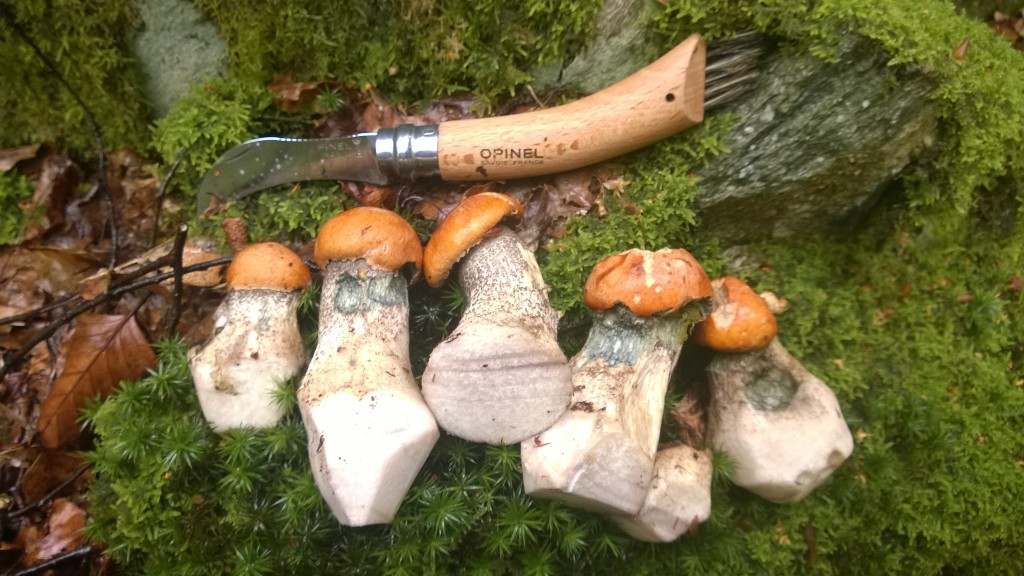
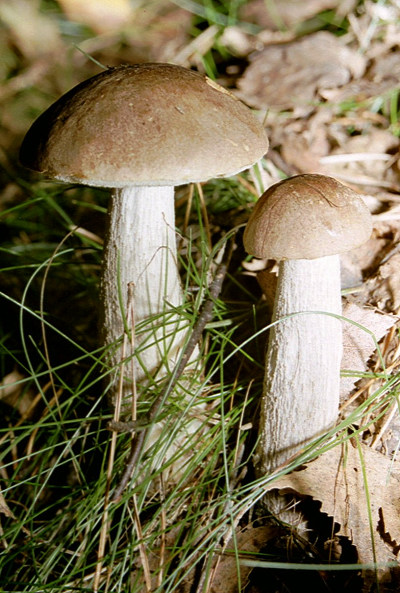
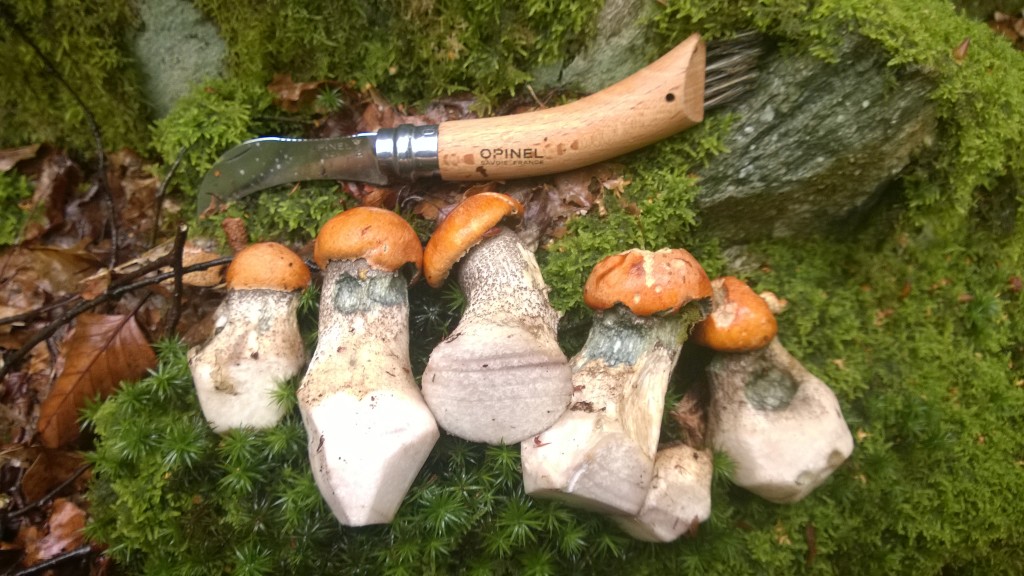
The classic birch bolete (Leccinumscabrum) shows a dry, often browntoorange cap thats 515cm wide. The surface feels like suede, never shiny. Under the cap are tiny poreswhite at first, turning a faint pinkish hue as the mushroom matures. The stalk is where the real giveaway lives: its stout, covered in fine, sandlike scales (called scabers) that you can actually brush off with a fingertip.
Key lookalikes and how to avoid them
Foragers often confuse a birch bolete with a few other bolete mushroom species:
- Aspen bolete look alike: Similar scabers but found under aspen trees, not birch. The pore surface is usually a deeper yellow.
- King bolete (Boletus edulis): Larger, with a thick, white flesh that bruises bluesomething birch boletes never do.
- Brown birch bolete edible variants: These are truly the same species, just a different color phase, so theyre safe.
- Leccinum poisoning myths: Most leccinum species are safe when cooked; the real danger is undercooking or eating old, soggy mushrooms.
When in doubt, consult a reliable field guide or check the USDA mushrooms identification page on bolete identification.
Habitat & season
Birch boletes love the company of birch trees (Betula spp.). Youll most often find them in mixed forests, along the edges of streams, or in moist clearings. The prime hunting season runs from late July through October, especially after a good rain when the soil is damp but not waterlogged.
Field test: the tastesqueeze
Some seasoned foragers swear by a quick tastesqueeze on the cap: press a tiny bit of the pore surface to your fingertip, give it a microlick. A pleasant mushroomy hint means youre likely on target. Remember, this is just a tiny testnever eat raw mushroom flesh in large amounts.
Red flags of spoilage
Even a perfectly identified birch bolete can go south if its past its prime. Look out for:
- Slimy or overly wet flesh.
- Visible worms or maggot tunnels.
- A sour, fermented odor.
- Caps larger than about 12cm that feel soft in the center.
Taste Breakdown
Core taste descriptors
Think of birch bolete taste as a gentle wintry mushroom flavorwarm, earthy, with a whisper of nuttiness. Its less intense than a king bolete but more complex than many common storebought mushrooms. When tossed in butter, it releases a subtle umami that can lift a simple pasta dish or enrich a broth.
Why age matters
Young specimens (caps under 5cm) keep their cell walls tight, preserving the savory compounds that give that nutty note. As the mushroom ages, it absorbs water, the walls swell, and the flavor compounds dilute, leaving a soggy, punky texture that can taste blandor even a touch bitter.
Comparing to other boletes
| Species | Flavor Intensity | Texture | Best Cooking Method |
|---|---|---|---|
| Birch bolete | Mildtomedium | Firm when young, soft when old | Saut, quickblanch |
| Orange birch bolete | Medium | Consistently firm | Saut, dryroast |
| King bolete | Strong, nutty | Meaty | Slowroast, stew |
Potential taste pitfalls
If you accidentally grab a soggy or overripe mushroom, the taste can turn bitter. That bitterness isnt a sign of toxicityits just a loss of the pleasant mushroomy notes. The fix? Slice off the soggy edges, or better yet, discard the whole batch and start fresh.
Health note: leccinum poisoning myths
Scientific studies, such as those from the NFPA (often cited for safety best practices), show that leccinum species cause only mild gastrointestinal upset when undercooked. Proper cooking (70C/158F) eliminates the risk.
Cooking Tips
Cleaning without watersoaking
A gentle brush or a dry kitchen towel is often enough to sweep away forest debris. If you must rinse, keep it under a gentle stream for no more than ten seconds, then pat the caps dry with paper towels. Prolonged soaking makes the mushroom soggy and dulls the flavor.
Precooking steps: blanch or saut?
Many chefs swear by a quick 2minute parblanch in salted water to leach out excess moisture. Then, give the mushrooms a highheat dry saut in butter or olive oilthis caramelizes the surface and locks in that warm, nutty flavor.
Simple orange birch bolete recipe
Heres a favorite from the orange birch bolete recipes crowd (adapted from Galloway Wild Foods):
- Slice fresh birch boletes about cm thick.
- Heat 2tbsp butter in a skillet over mediumhigh heat.
- Add a minced garlic clove and a pinch of fresh thyme; let aroma bloom for 30seconds.
- Drop the mushroom slices in a single layer; let them sizzle without stirring for 23minutes.
- Stir, then deglaze with a splash of dry white wine; let the wine reduce by half.
- Finish with a sprinkle of sea salt and a drizzle of lemon juice. Serve over toasted rye or toss into a risotto.
This method highlights the birch bolete taste while adding a bright, buttery finish.
Advanced dishes: soups, risottos, dried mushrooms
If you have a bounty, consider drying the caps. Slice them thin, arrange on a screen, and dry in a low oven (125F) for 56hours. Once dried, they become flavor concentrates you can rehydrate for a creamy mushroom risotto or blend into a stock that adds depth to any soup.
Avoiding common cooking mistakes
- Dont overcook. Once the mushrooms turn mushy, the delicate flavor evaporates.
- Avoid drowning them in oil; a light butter coating is enough to bring out the nutty notes.
- Season early. A pinch of salt enhances the natural umami of the birch bolete.
Benefits & Risks
Nutritional perks
Birch boletes are low in calories but pack a solid nutritional punch: theyre a good source of protein, dietary fiber, Bvitamins (especially riboflavin and niacin), potassium, and antioxidants like polyphenols. For anyone looking to add more plantbased protein, theyre a tasty addition.
Potential hazards
The biggest risk isnt toxicityits misidentification or eating a mushroom thats been compromised by moisture or insects. Consuming undercooked birch boletes can lead to mild stomach upset, which is usually resolved with plenty of water and rest.
How to mitigate risk
Follow these simple steps:
- Doublecheck identification with a trusted guide or an experienced forager.
- Cook thoroughlyaim for an internal temperature of at least 70C (158F).
- Store fresh mushrooms in a paper bag in the refrigerator; use them within 48hours.
- If you need to store longer, dry or freeze them after a quick saut.
When to skip the birch bolete
If you notice any of the following, its best to let the mushroom go:
- Caps larger than 12cm with soft centers.
- Visible slime, worms, or an offodor.
- After a heavy rain (>1inch) that leaves the forest floor soggy for days.
Quick Answers
What does birch bolete taste like?
A warm, mildly nutty, wintry mushroom flavor thats firmer when young and softens with age.
Is birch bolete safe to eat raw?
No. Cooking destroys heatsensitive compounds that can cause stomach discomfort.
How can I tell if a birch bolete is fresh?
Look for a dry, firm cap under 5cm, whitecream pores, no slime, and no insects.
Can I substitute birch bolete for porcini?
Yes, but because its milder, you may want to use a larger amount or finish the dish with butter to boost richness.
What are common lookalikes to avoid?
Aspen bolete look alikes, king bolete, and older brown birch bolete edible variantsalways compare host tree and stipe scabers.
How should I store harvested birch boletes?
Place in a paper bag in the fridge, use within 48hours, or dry/freezer for longer storage.
Now that youve got the lowdown on birch bolete taste, identification, cooking, and safety, youre ready to head out into the woods with confidence. Remember, the best flavor comes from fresh, correctly identified mushrooms and a little love in the kitchen. If you try any of the recipes or have a foraging story to share, Id love to hear how it turned out! Happy hunting and happy cooking.
FAQs
What does birch bolete taste like?
It has a warm, mildly nutty, wintry mushroom flavor—gentle enough for simple dishes but with enough depth to enrich sauces and soups.
How can I be sure my birch bolete is fresh?
Look for a dry, firm cap under 5 cm, white‑cream pores, no slime, and a clean, dry stalk with brushable scabers. The flesh should feel solid, not spongy.
Are birch boletes safe to eat raw?
No. Raw birch boletes can contain heat‑sensitive compounds that cause stomach upset. Always cook them to at least 70 °C (158 °F).
What’s the best way to cook birch boletes to keep their flavor?
Quickly blanch for 2 minutes in salted water, then dry‑sauté in butter or oil over high heat. This locks in the nutty notes without making them soggy.
Which mushrooms are common lookalikes and how do I avoid them?
Aspen bolete (found under aspen), king bolete (Bruises blue), and older brown birch bolete variants can be confused. Check the host tree, stalk scabers, and pore color to differentiate.