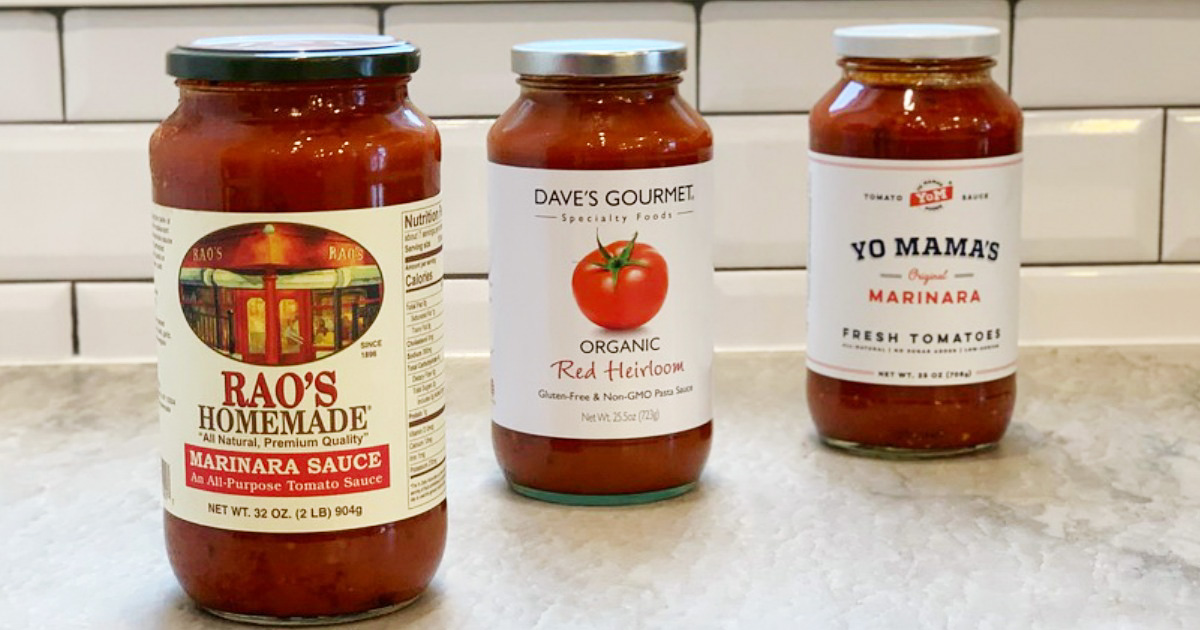
Hey there! If you’ve ever stared at a jar of pasta sauce and wondered whether it’s secretly loading you with sugar, you’re not alone. The good news? You don’t have to sacrifice flavor to keep your blood‑glucose steady. Below you’ll discover which store‑bought sauces actually respect your numbers, and three quick homemade recipes that are literally sugar‑free, low‑carb, and bursting with zest.
Why Sauce Matters
Tomatoes themselves are low‑glycemic, but once they get a splash of sugar, salt, and a handful of hidden carbs, the story changes fast. A typical regular spaghetti sauce can sneak in 5‑10 g of added sugar per half‑cup serving, enough to nudge a post‑meal glucose spike for many people with diabetes.
Think of it like this: a tomato is a gentle jog, while a sugary sauce is a sudden sprint. Our bodies respond dramatically to those sugar bursts, and that can make managing diabetes feel like a roller coaster. Understanding what’s in that jar helps you keep the ride smooth.
Key Nutrition Factors
When you’re hunting for the best tomato sauce for diabetics, keep an eye on these three numbers:
- Added Sugar – Look for no added sugar, unsweetened, or a sugar content of less than 2 g per serving.
- Carbohydrates – Total carbs (including fiber) should stay under 8 g per half‑cup for a low‑impact sauce.
- Sodium – Diabetes often comes with kidney concerns; aim for under 300 mg per serving.
Beyond the numbers, consider the quality of the fats. A drizzle of extra‑virgin olive oil not only adds richness but also slows carbohydrate absorption, helping to blunt those glucose spikes.
Top Store‑Bought Picks
After combing through nutrition labels, reading community reviews, and even consulting a registered dietitian, here are the three jars that consistently earn high marks for diabetics. All are widely available in grocery stores or online.
| Brand | Serving Size | Carbs (g) | Added Sugar (g) | Sodium (mg) | Price (USD) |
|---|---|---|---|---|---|
| Raos Homemade Marinara | ½ cup | 7 | 0 | 250 | 7.99 |
| Primal Kitchen Tomato Basil | ½ cup | 5 | 0 | 210 | 9.49 |
| Simply Nature Organic Marinara (Aldi) | ½ cup | 8 | 1 | 300 | 2.99 |
According to the American Diabetes Association, sauces that are no added sugar and under 8 g carbs per serving are generally safe for most people with diabetes, provided you monitor portion size. If you’re still unsure which sauce is good for diabetes, start with the low‑sugar, low‑sodium options above.
Homemade Sugar‑Free Recipes
Nothing beats the control you get in your own kitchen. Below are three recipes that take less than 20 minutes each, use pantry staples, and keep the glycemic impact to a minimum. For more ideas on homemade sauces for diabetics, explore our full collection.
Classic No‑Added‑Sugar Marinara (5‑Ingredient)
Ingredients (makes about 2 cups):
- 2 cans (28 oz each) whole peeled tomatoes, no‑salt added
- 2 tbsp extra‑virgin olive oil
- 3 cloves garlic, minced
- ½ tsp sea salt
- ¼ cup fresh basil, torn
Method: Heat olive oil in a saucepan over medium heat, add garlic, and sauté for 30 seconds—watch it turn golden, not brown. Pour in the tomatoes, crush with a wooden spoon, and stir in salt. Let it simmer gently for 12‑15 minutes, then fold in basil right at the end. Store in airtight jars; it keeps 5 days in the fridge or up to 3 months frozen.
Low‑Sodium Veggie‑Packed Sauce (Great for Chicken)
Ingredients:
- 1 can (28 oz) crushed tomatoes, no‑salt
- ½ cup finely diced carrots
- ½ cup diced red bell pepper
- ½ cup celery, minced
- 2 tbsp olive oil
- 1 tsp dried oregano
- Pinch of black pepper
Method: In a skillet, warm olive oil and sweat the carrots, bell pepper, and celery for 5 minutes. Add crushed tomatoes, oregano, and pepper, then simmer for 10 minutes. The added veggies boost fiber, lowering the net carb impact—perfect for drizzling over grilled chicken or baked tofu.
Keto‑Friendly Tomato Ketchup (For Burgers & Dips)
Ingredients:
- 1 cup tomato puree (unsweetened)
- ¼ cup apple cider vinegar
- 2 tbsp erythritol or stevia blend (taste‑adjust)
- ½ tsp onion powder
- ½ tsp smoked paprika
- Pinch of salt
Method: Combine everything in a saucepan, bring to a low boil, then reduce heat and let it thicken for 12‑15 minutes. This ketchup stays under 1 g of carbs per tablespoon, so you can slather it on a burger without fearing a glucose roller coaster.
Personal note: The first time I swapped my store‑bought ketchup for this version, my post‑dinner reading was 138 mg/dL—a pleasant surprise that reinforced my belief in “cook what you love, love what you cook.” If you’re battling a sore throat, a warm spoonful of this marinara can also double as a soothing sore throat remedy recipe.
Smart Meal Pairings
Even the best sauce can throw off your numbers if it lands on the wrong carb base. Here are my go‑to pairings that keep the plate balanced:
- Zucchini Noodles – Swap regular pasta for spiralized zucchini; you’ll shave off 15‑20 g of carbs.
- Shirataki noodles – Almost zero carbs, a neutral taste that lets your sauce shine.
- Whole‑grain Pasta (Gluten‑Free) – If you crave the classic feel, a 2‑ounce serving of 100% whole‑grain pasta stays under 30 g carbs.
- Protein Power – Pair the sauce with grilled chicken, turkey meatballs, or roasted tofu to create a satiating, blood‑sugar‑friendly meal.
Portion control is key: a half‑cup of sauce on a 2‑ounce pasta portion typically stays under 150 calories and won’t push your glucose too high.
Label‑Reading Tips
Most shoppers think the front label tells the whole story, but the Nutrition Facts panel is where the truth hides. Here’s a quick five‑point cheat sheet you can print and keep in your pantry:
- Watch for sugar alcohols – They’re low‑calorie but can cause GI upset for some.
- Identify hidden sweeteners – Words like maltodextrin, dextrose, or high‑fructose corn syrup mean added carbs.
- Read “No Added Sugar” carefully – It may still contain natural tomato sugars; check the total carbs.
- Check serving size – Companies often shrink the serving size to make numbers look better.
- Look for low sodium or reduced sodium – Ideal for kidney‑friendly diabetic diets.
You’ll feel more confident walking the aisles, and your blood‑sugar logs will thank you.
Bottom‑Line Takeaways
Choosing the best tomato sauce for diabetics boils down to three simple ideas: pick jars that are truly low‑sugar and low‑sodium, master a quick homemade base that lets you control every ingredient, and pair the sauce with low‑carb vegetables or protein to keep the whole meal balanced. By doing that, you enjoy the comfort of a rich, tangy sauce without the dreaded glucose spikes.
If you’re ready to experiment, try the 5‑ingredient marinara tonight—your taste buds and your numbers will thank you. Want a handy cheat sheet to keep at the grocery store? Grab our printable Diabetic Tomato Sauce Guide (link above) and start feeling empowered today.
FAQs
What makes a tomato sauce suitable for diabetics?
A diabetic‑friendly sauce is low in added sugars (ideally 0‑2 g per half‑cup), low in total carbs (under 8 g per serving), and low in sodium (under 300 mg). It should also contain healthy fats like olive oil to help slow carbohydrate absorption.
How can I tell if a store‑bought sauce has hidden sugars?
Check the Nutrition Facts panel for total sugars and look for ingredients such as maltodextrin, dextrose, high‑fructose corn syrup, or “sweetened with” statements. Even “no added sugar” can still have natural tomato sugars, so total carbs is the key metric.
Can I use a sugar‑free ketchup on a burger while staying in my carb limit?
Yes. A homemade keto ketchup using tomato puree, vinegar, and erythritol or stevia contains less than 1 g of carbs per tablespoon, making it safe for most diabetic meal plans.
What are the best low‑carb pasta alternatives to pair with tomato sauce?
Spiralized zucchini, shirataki noodles, and 100 % whole‑grain or low‑protein gluten‑free pasta (about 2 oz cooked) are excellent choices that keep the total carb load under 30 g per serving.
How much tomato sauce should I serve to keep my blood sugar stable?
A typical half‑cup (≈125 ml) of a low‑sugar sauce adds roughly 5‑8 g of carbs. Pair it with a modest portion of low‑carb pasta or vegetables and a protein source to keep the overall meal under 45‑50 g net carbs.