Quick answer: yes, you can enjoy a proteinrich shake without sending your blood sugar on a rollercoaster. Look for formulas with less than 1g net carbs, at least 20g highquality protein, and a boost of fiber.
Quick answer: whether you prefer a readymade bottle or love mixing your own concoction, there are options that fit weightloss goals, help you pack on healthy muscle, or simply serve as a balanced breakfast. Lets dive in and figure out which sugarfree shake suits you best.
Why SugarFree Shakes
If youve ever stared at the nutrition label of a diabeticfriendly drink and felt a little baffled, youre not alone. The key thing to remember is that sugarfree shakes aim to keep the glycemic impact minimal. By keeping net carbs under 1g, the shake wont cause a sudden spike in blood glucose a big win for anyone managing type2 diabetes.
Protein does more than just fill the tummy; it actually helps blunt the rise in blood sugar after a meal. A study from MedicalNewsToday explains that protein can slow carbohydrate absorption, keeping your numbers steadier.
But its not all sunshine and rainbows. Some sugarfree formulas rely on artificial sweeteners (think sucralose, aspartame, or stevia). While the FDA deems them safe, a handful of people report digestive upset or a lingering aftertaste. The best approach is to sniff out a product that balances sweet flavor with natural ingredients and a good dose of fiber.
Nutrition Checklist Essentials
When youre scanning a label, keep these four checkpoints in mind. Treat them like a quick cheatsheet you can hold up to any shake on the shelf.
- Protein: Aim for 2030g per serving. This fuels muscle repair and keeps you feeling full.
- Net Carbs & Fiber: Net carbs <5g, with at least 3g of fiber. Fiber offsets the tiny amount of carbs you do consume.
- Calories: 150250cal for a mealreplacement, lower if you just need a snack.
- Micronutrients: Look for vitaminD, calcium, and iron nutrients diabetics often need extra of.
Heres a quick sidebyside comparison of a few crowdfavorites that pop up when you Google sugarfree shakes for diabetics.
| Brand & Product | Protein | Net Carbs | Calories | Sweetener | Notable Benefit |
|---|---|---|---|---|---|
| Glucerna Protein Smart Shake Rich Chocolate | 30g | <1g | 150 | Sucralose + natural flavors | Clinically designed for bloodsugar control |
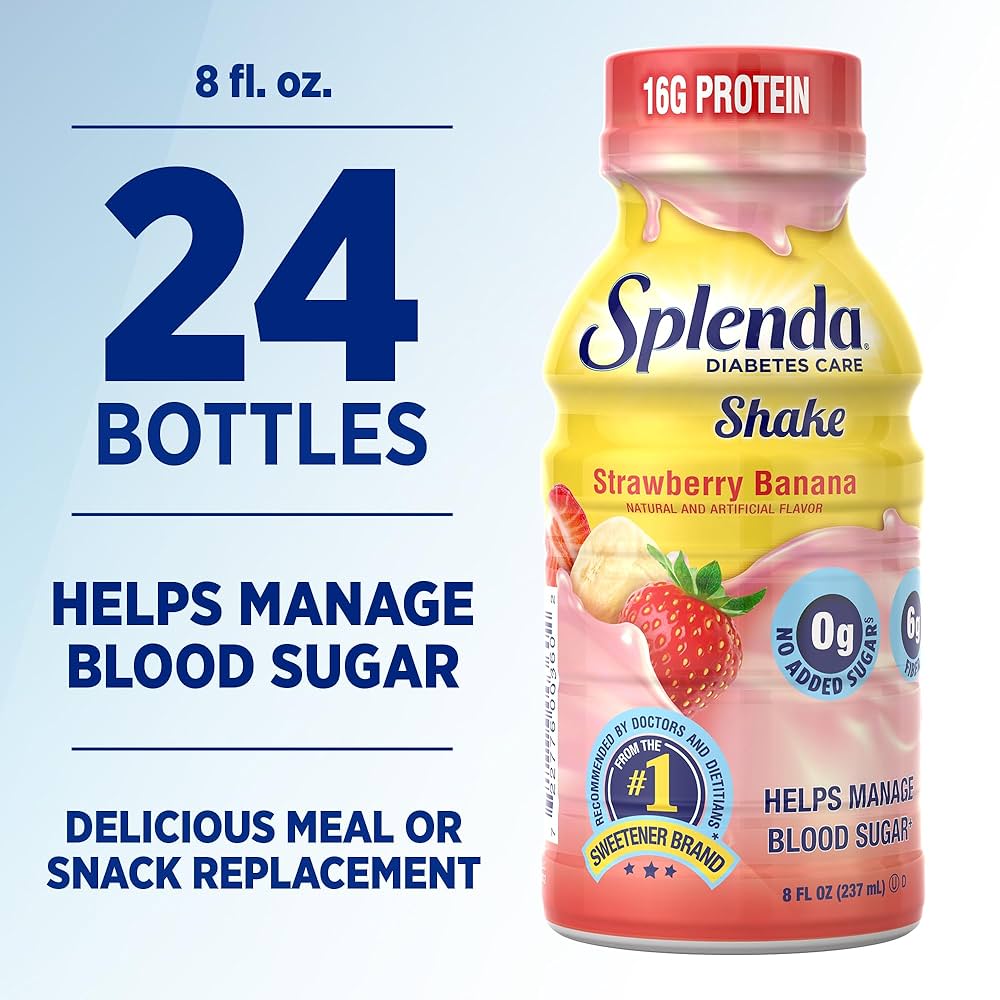
| Splenda Milk Chocolate Diabetic Nutrition Shake | 16g | 2g | 120 | Splenda (sucralose) | Glutenfree & lactosefree |
| Premier Protein Shake DiabeticFriendly Flavors | 30g | 1g | 160 | Stevia + sucralose | Lowfat, widely available |
Want to know how to decode the diabeticfriendly claim? It usually means the product has been formulated to keep the glycemic index low, but its still worth checking the sugaralcohol and fiber numbers yourself.
Top Commercial Shakes
Finding a readytodrink shake that actually delivers on its promises can feel like hunting for a unicorn. Below are the three that consistently get top marks from nutritionists and realworld users alike.
Glucerna Protein Smart Shake
Glucerna is often the first name that pops up on a doctors recommendation list. With 30g of whey protein, less than 1g net carbs, and a blend of soluble fiber, this shake is practically a minimeal. The brand even cites research on how their formula helps manage postprandial glucose spikes.
Splenda Diabetic Nutrition Shake
If youre looking for a lowercalorie option, the Splenda version delivers 120cal per serving while still packing 16g of protein. Its sweetener blend (Splenda + natural flavors) keeps it sugarfree, and the formula is free from gluten and lactose a win for anyone with extra dietary restrictions.
Premier Protein Shake
Premiers shakes are a staple in many gyms, and theyre also surprisingly diabeticfriendly. With 30g of protein, 1g net carbs, and a taste profile that many claim doesnt feel like a diet shake, theyre a solid everyday pick. The added calcium and vitaminD round out the nutrition profile nicely.
Homemade Shake Recipes
Theres something undeniably satisfying about whipping up a shake in your kitchen, knowing exactly whats inside. Below are three starter recipes breakfast, weightloss, and weightgain that you can tweak to match your palate.
BreakfastReady Power Shake
- Ingredients: 1 scoop whey isolate (30g protein), 1 cup unsweetened almond milk, 1tbsp chia seeds, 1tbsp cocoa powder, 5drops liquid stevia, a pinch of cinnamon.
- Directions: Toss everything into a blender, blend until smooth (about 30 seconds). Serve immediately. Net carbs: ~2g; calories: ~190.
I tried this combo on a rushed Monday morning and felt steady through my 9to5. No midday crash, just a calm, focused energy.
WeightLoss Fiber Boost Shake
- Ingredients: 1 scoop plantbased protein powder (20g protein), 1 cup frozen mixed berries, cup plain lowfat Greek yogurt, 1tbsp psyllium husk, cup water, a drizzle of stevia.
- Directions: Blend until thick and creamy. Net carbs stay under 4g thanks to the fiber from berries and psyllium. Calories: ~150.
This ones a personal favorite when Im cutting back on calories the fiber makes me feel full for hours.
WeightGain Muscle Shake
- Ingredients: 1 scoop casein protein (24g protein), 1 cup oat milk, avocado, 1tbsp MCT oil, 1tbsp oat bran, 1tbsp almond butter.
- Directions: Blend until silky. Net carbs: ~6g; calories: ~350 perfect after a strengthtraining session.
Adding healthy fats like avocado and MCT oil helps you hit a higher calorie target without sacrificing the lowsugar profile.
Shake for Your Goal
Choosing the right shake is a bit like picking the perfect pair of shoes you need something that fits your activity, your style, and your comfort level. Heres a quick guide:
- Lose Weight? Go for under 200calories, high fiber, 2025g protein. The weightloss shake above hits the sweet spot.
- Gain Weight? Aim for 300+calories, add healthy fats, 30g protein. The musclegain shake gives you those extra calories without a sugar surge.
- Breakfast Replacement? Look for a balanced macro split about 30g protein, 150200calories, and a modest amount of carbs that come from fiberrich sources. The breakfastready power shake is designed just for that.
According to the American Diabetes Association, a typical calorie target for a meal replacement is 150250cal, with a protein focus of 1530g. Keeping that in mind helps you stay within safe limits while still feeling satisfied.
Consistency & Safety Tips
Even the best shake wont work if youre not consistent or if you ignore safety basics. Here are some habits that keep you on the right track.
Storefront vs. Homemade
Readytodrink bottles are convenient, but they often contain preservatives and may have a shorter ingredient list. Homemade shakes give you full control over sweeteners, fiber, and allergens, but they require a few extra minutes of prep. Whichever route you choose, always check the expiration date and store per the manufacturers guidance.
Track Your Blood Glucose
After trying a new shake, log your bloodsugar for the next 23 hours. Many diabetes apps let you add meal notes, so you can see exactly how the shake impacted your numbers. Youll quickly learn which formulas keep you steady and which cause a wobble.
Switching Brands Gradually
If youre moving from a highcarb shake to a sugarfree version, do it over a week. Mix half a serving of the new shake with half the old one, then increase the new shake portion gradually. This gentle transition helps your gut adjust to new fibers and sweeteners.
Conclusion
In a nutshell, sugarfree shakes for diabetics can be a safe, proteinpacked ally in managing blood sugar, supporting weight goals, and simplifying busy mornings. The secret lies in reading labels, picking balanced formulas, and listening to how your body reacts. Whether you grab a Glucerna bottle on the go or blend a custom breakfast shake in your kitchen, youre giving yourself a tool that works with, not against, your health.
Give one of these shakes a try this week, note how you feel, and share your experience with a friendor even with us! A simple change in your beverage routine could be the tasty step that steadies your glucose and fuels your day.
FAQs
What defines a sugar‑free shake for diabetics?
A sugar‑free shake contains less than 1 g net carbs per serving, uses non‑caloric sweeteners, and provides a high protein content (20‑30 g) to keep blood glucose stable.
Are artificial sweeteners safe for people with diabetes?
The FDA has approved sweeteners like sucralose, aspartame, and stevia for general use. Most diabetics tolerate them well, though a few may experience digestive upset or an aftertaste.
How many calories should a diabetic meal‑replacement shake have?
For a typical meal replacement, aim for 150–250 calories. Lower‑calorie options (under 200 cal) are best for weight‑loss, while 300+ calories suit muscle‑gain goals.
Can I use a sugar‑free shake as a post‑workout recovery drink?
Yes. Choose a shake with at least 30 g protein and add healthy fats (e.g., avocado or MCT oil) if you need extra calories for muscle repair.
How can I track the impact of a new shake on my blood sugar?
Log your glucose levels for 24 hours after consuming the shake. Note the time, portion size, and any other foods eaten to see how the shake influences your readings.