Why Stir-Fried Chicken with Broccoli or Cauliflower?
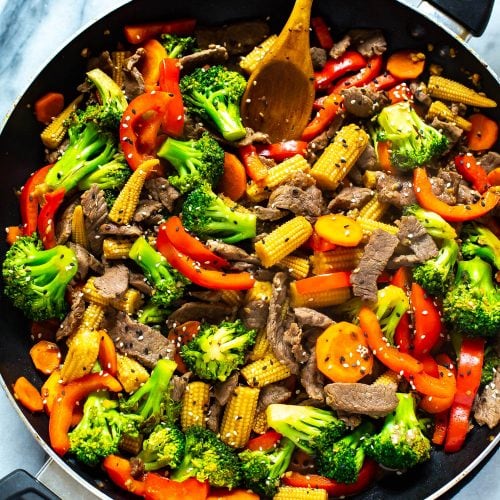
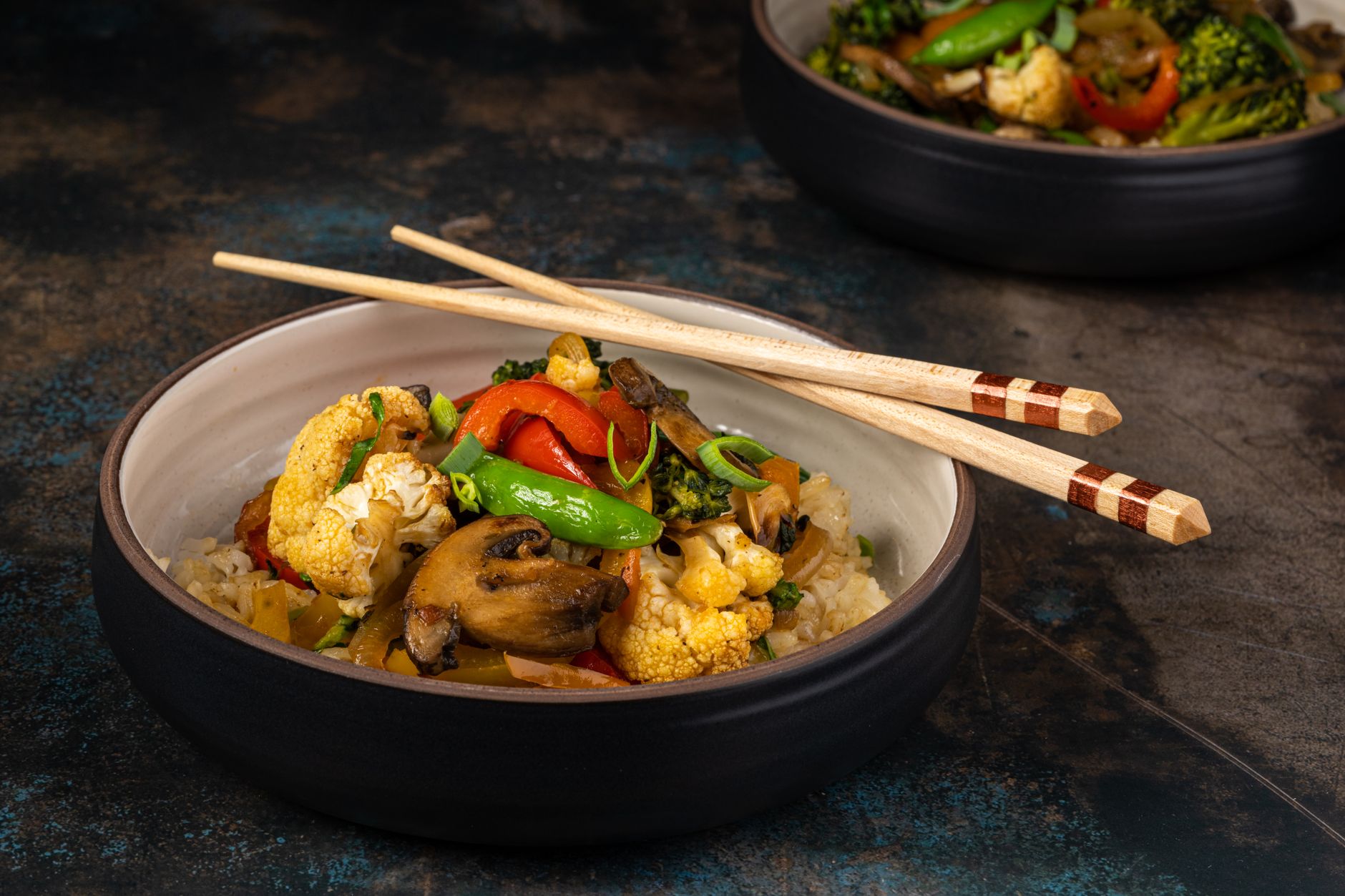
The sizzling sound of tender chicken meeting crisp broccoli or cauliflower is a simple delight. This dish combines juicy pieces of chicken with vibrant, crunchy vegetables, creating a perfect balance of flavors and textures. Stir-fried chicken with broccoli or cauliflower is not just colorful on your plate but packed with savory aromas that fill your kitchen. Whether you prefer the earthiness of broccoli or the subtle sweetness of cauliflower, this recipe offers a flexible, satisfying meal that’s quick to prepare and easy to customize.
Health Benefits & Nutrition
Choosing stir-fried chicken with broccoli or cauliflower provides several impressive health perks. Broccoli and cauliflower are cruciferous vegetables loaded with antioxidants like vitamin C and sulforaphane, which studies from the Journal of Nutritional Biochemistry suggest may support cellular health and reduce inflammation. Chicken is an excellent source of lean protein essential for muscle repair and maintenance. Together, they offer a meal rich in vitamins, minerals, and protein while being low in calories and fat. However, those with soy allergies should use alternative sauces, and pregnant women should ensure chicken is thoroughly cooked to avoid any foodborne risks.
Ingredients & Preparation
Recipe Card
| Prep Time | 10 minutes |
|---|---|
| Total Time | 30 minutes |
| Servings | 4 |
| Calories | 260 per serving |
| Diet Tags | Gluten-free (with tamari), Low-carb option available |
Full Ingredient List
- 1/2 head broccoli or cauliflower, cut into 1-inch florets
- 1 pound boneless, skinless chicken breasts or thighs, thinly sliced
- 4 tablespoons peanut or vegetable oil
- 1 medium onion, diced
- 1 to 2 tablespoons fresh ginger, grated or finely chopped
- 4 garlic cloves, chopped (about 2 tablespoons)
- 2 tablespoons soy sauce (or tamari for gluten-free)
- 4 scallions, white and light green parts chopped (about ½ cup), extra for garnish
- ½ cup chicken or vegetable stock, white wine, or water
- Salt and pepper to taste
- Optional: cooked white or brown rice for serving
Equipment Needed
- Large skillet or wok
- Medium pot (for blanching vegetables)
- Cutting board and sharp knife
- Wooden spoon or spatula
- Colander or strainer
Tips for Choosing Quality Ingredients
- Select firm broccoli or cauliflower with tight florets and no browning.
- Pick chicken breasts or thighs with a fresh smell and no discoloration.
- Use fresh ginger and garlic for the brightest flavor and aroma.
- Opt for high-quality peanut or vegetable oil with a high smoke point.
- Choose low-sodium soy sauce to control salt levels in your dish.
Step-by-Step Instructions
Step 1: Prepare the Vegetables (10 Minutes)
Bring a large pot of salted water to a rolling boil over high heat. Add the broccoli or cauliflower florets and cook for 8 to 10 minutes, until they just lose their raw crunch but remain firm. Drain the vegetables in a colander, then rinse immediately with cold water to halt cooking. Set aside to drain thoroughly.
Step 2: Sauté Aromatics (5 Minutes)
Heat 2 tablespoons of peanut or vegetable oil in a large skillet or wok over high heat until shimmering. Add the diced onion, grated ginger, and chopped garlic. Stir and cook for about 5 minutes, until the onion softens and turns golden, and the garlic releases a fragrant aroma. Remove the mixture to a plate.
Step 3: Brown the Vegetables (4 Minutes)
Add 1 tablespoon of oil to the hot skillet. Spread the blanched broccoli or cauliflower in an even layer. Cook over medium-high heat, stirring occasionally, until they begin to brown lightly, about 3 to 5 minutes. Transfer back to the plate with the aromatics.
Step 4: Cook the Chicken (5 Minutes)
Pour the remaining 1 tablespoon of oil into the skillet, raising the heat to high. Add the sliced chicken pieces, spreading them out evenly without overcrowding. Let the chicken cook undisturbed for 1 minute to develop a golden sear. Stir occasionally and continue cooking until the chicken turns opaque and no longer pink inside, roughly 3 to 5 minutes.
Step 5: Combine Everything and Simmer (4 Minutes)
Return the onion and vegetable mixture to the skillet with the chicken. Add the soy sauce, chopped scallions, and chicken stock or water. Toss everything together and reduce heat to medium. Let it simmer gently for 3 to 4 minutes, stirring occasionally, so all flavors meld and the sauce slightly thickens.
Step 6: Serve
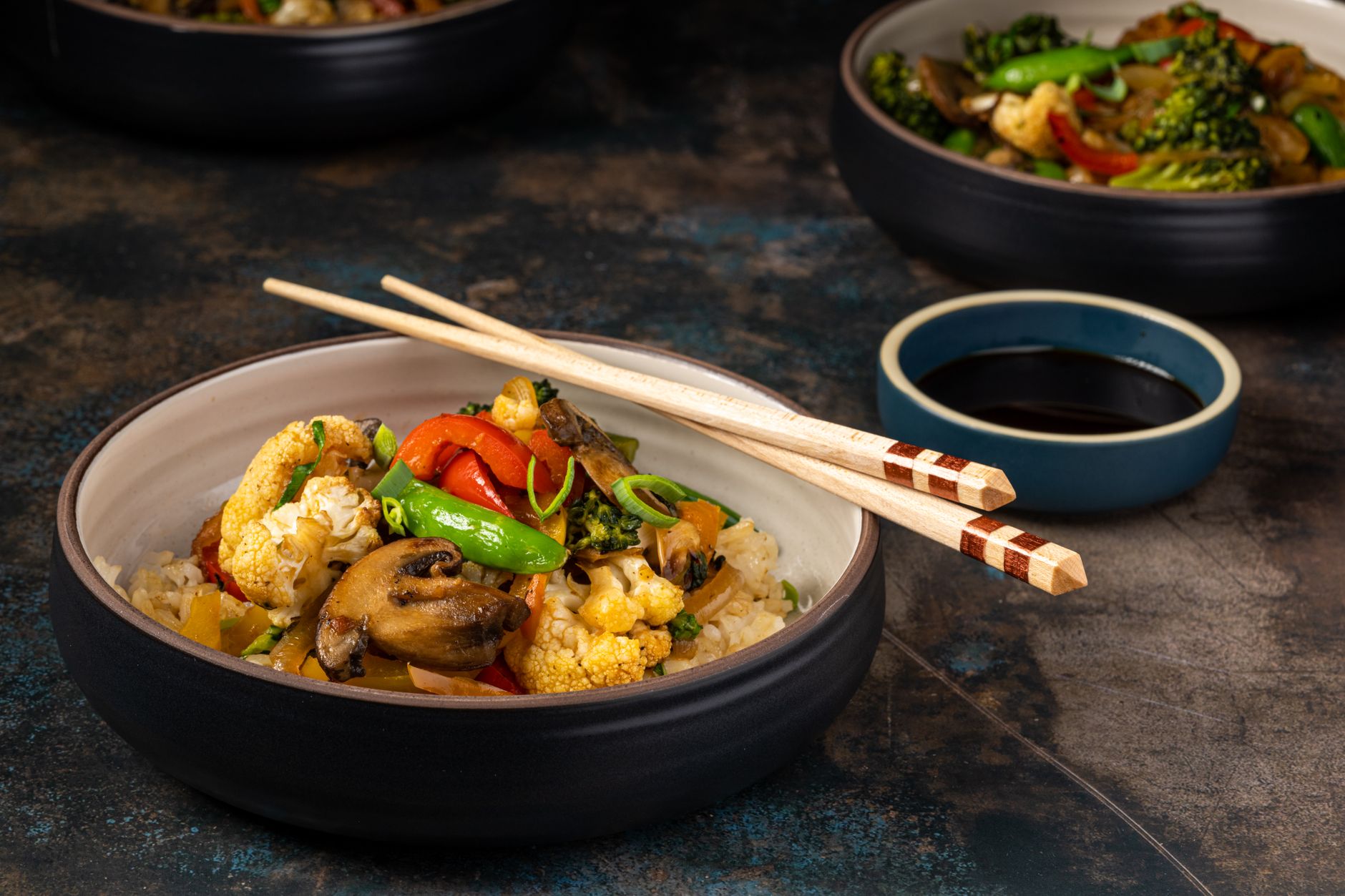
Season with salt and pepper to taste. Serve your stir-fried chicken with broccoli or cauliflower hot, paired with steamed rice or your favorite grain. Garnish with additional scallions for a fresh touch.
Variations & Substitutions
- Vegetable Swap: Substitute broccoli or cauliflower with carrots, snap peas, or bell peppers to add different textures and sweetness to the dish.
- Protein Alternatives: Use firm tofu or shrimp instead of chicken for a vegetarian or seafood twist. Adjust cooking times accordingly to avoid overcooking.
- Sauce Adjustments: Swap soy sauce for tamari to make the dish gluten-free or use coconut aminos for a lower-sodium option with a slight sweetness.
- Heat Level: Add a diced chili pepper or a splash of chili garlic sauce when cooking aromatics to introduce a spicy kick.
Storage & Shelf Life
Refrigerator: Store leftover stir-fried chicken with broccoli or cauliflower in an airtight container for up to 3 days. Reheat gently on the stovetop or in a microwave to keep the chicken tender and vegetables crisp.
Freezer: This dish can be frozen but may lose some vegetable texture. Pack in freezer-safe containers for up to 2 months. Thaw overnight in the refrigerator before reheating thoroughly.
Signs of Spoilage: Discard if you notice a sour smell, slimy texture, or any color changes in the chicken or vegetables. Always heat to steaming hot before eating.
Pro Tips
- Blanching the broccoli or cauliflower before stir-frying helps maintain a bright color and crisp-tender texture, while removing any bitterness.
- Dry the chicken thoroughly before cooking to encourage a golden sear and reduce splatter.
- High heat is essential for quick cooking and achieving that classic stir-fry sizzle and caramelization.
- Use a wok or large skillet with plenty of surface area to avoid crowding ingredients. Overcrowding traps steam and prevents browning.
- Adding the scallions at the end preserves their fresh bite and color.
When is the best time to eat Stir Fried Chicken With Broccoli Or Cauliflower?
This dish works well for dinner but is equally satisfying for lunch. It’s best enjoyed fresh, right after cooking, to savor the crispy vegetables and tender chicken. You can also prepare it in advance for meal prep, reheating it gently before serving.
Can I use frozen broccoli or cauliflower?
Yes, frozen broccoli or cauliflower can be used. Thaw them and pat dry to avoid excess water, which can make your stir-fry soggy. Blanching frozen vegetables might not be necessary since they’re already partially cooked.
Is it possible to make this recipe low-carb or keto-friendly?
Absolutely. Skip the rice and serve the stir-fry on its own or over cauliflower rice for a low-carb, keto-friendly option. Make sure to use soy sauce with no added sugar.
How do I prevent the chicken from sticking to the pan?
Ensure your pan is hot before adding the chicken, and don’t overcrowd the pan. Use enough oil, and let the chicken sear undisturbed for at least a minute before stirring to build a nice crust and prevent sticking.
Can I make this dish spicy?
Yes! Incorporate red chili flakes, fresh chili peppers, or chili garlic sauce when cooking the aromatics. Adjust the quantity to your heat preference.
What’s the best oil for stir-frying?
Choose oils with high smoke points like peanut, vegetable, canola, or grapeseed oil. They handle high heat well without breaking down or smoking excessively.
Can I substitute chicken with another protein?
Definitely. Tofu, shrimp, beef, or pork thinly sliced work great. Adjust cooking times to ensure proper doneness for each choice.
More Recipes You Will Love
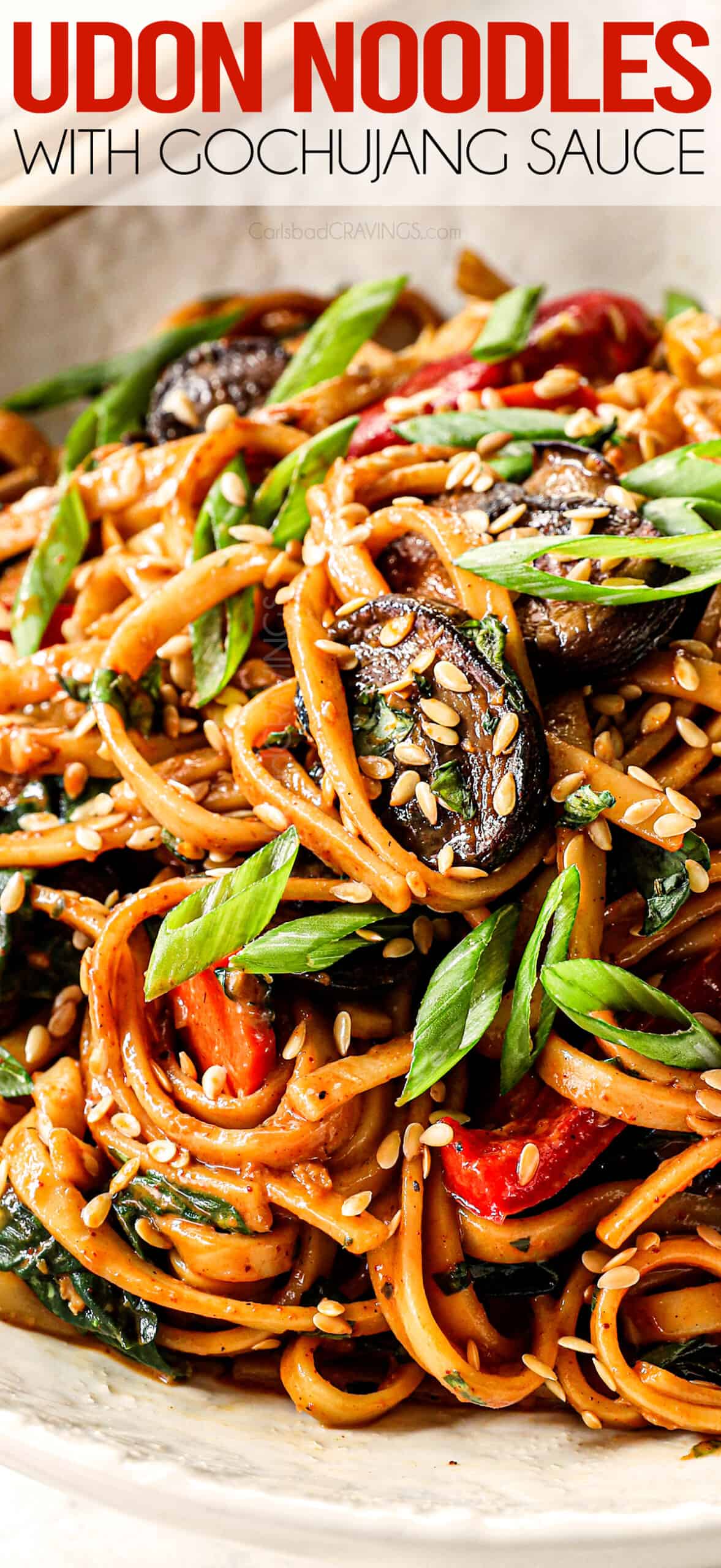
If you enjoy this stir-fried chicken with broccoli or cauliflower, you might love the rich flavors in our Plantbaes easy high protein peanut gochujang noodles. For a vibrant vegetarian option, check out the vegetarian japchae ingredients recipe packed with colorful veggies and noodles that offer a sweet-savory balance.
Conclusion
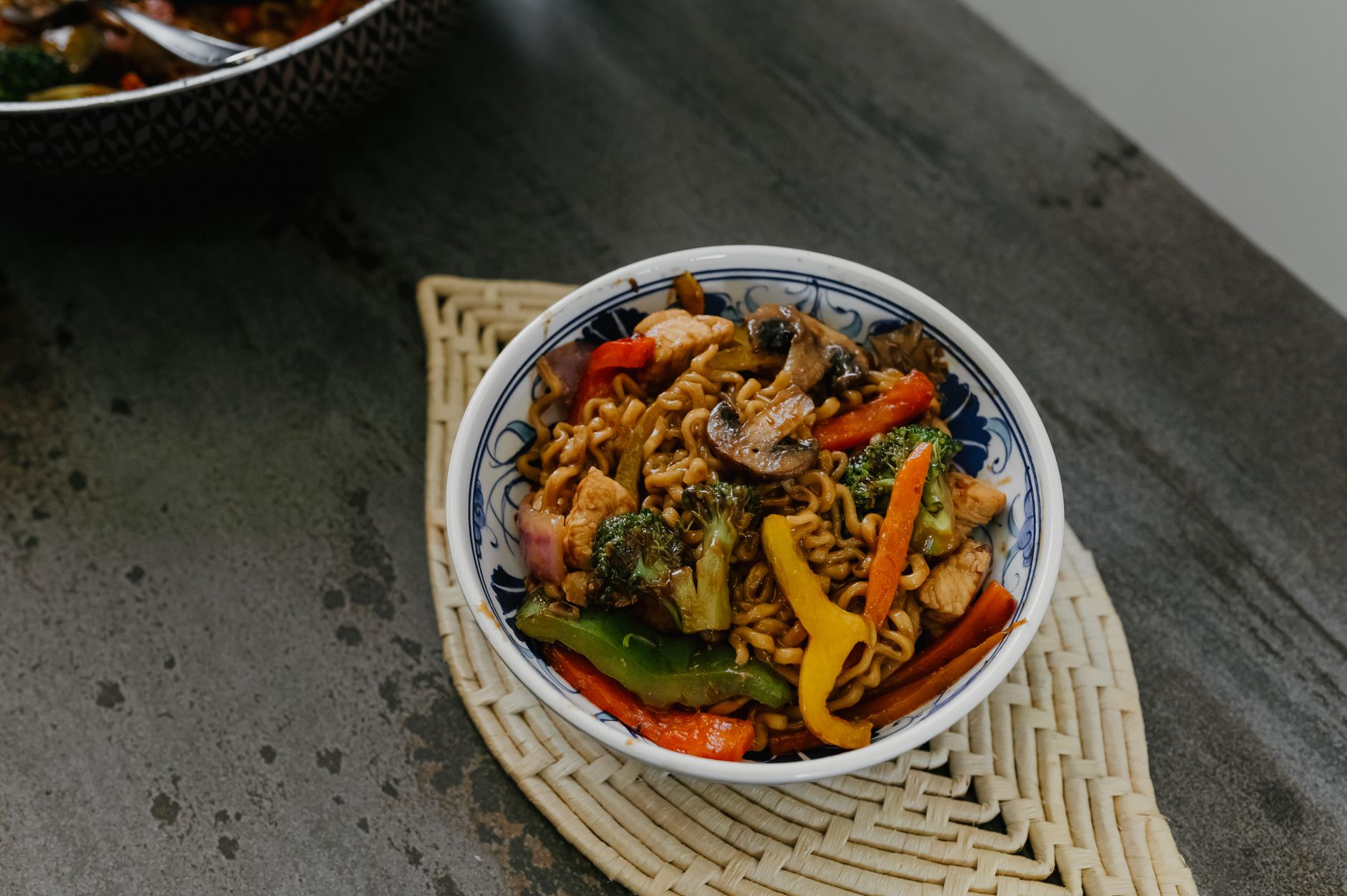
Stir-fried chicken with broccoli or cauliflower is a versatile, nutritious meal that balances tender meat and crisp vegetables in a delicious harmony of flavors. It’s quick to make, perfect for weeknights, and easily adaptable to your dietary preferences. Give this recipe a try and share how it turns out for you. Your feedback and ratings help others enjoy this tasty classic!
FAQs
When is the best time to eat Stir Fried Chicken With Broccoli Or Cauliflower?
This dish is ideal for lunch or dinner due to its balanced nutrition and satisfying flavors. It is quick to prepare, making it perfect for busy weekdays or when you want a wholesome meal without extensive cooking time.
Can I substitute broccoli with cauliflower in this recipe?
Yes, you can easily substitute broccoli with cauliflower. Both vegetables work well in stir-fries and offer slightly different flavors and textures, with cauliflower providing a milder, subtly sweet taste.
Is this Stir Fried Chicken With Broccoli Or Cauliflower suitable for gluten-free diets?
Yes, by using tamari instead of regular soy sauce, this recipe becomes gluten-free. Always check labels to ensure all ingredients comply with your dietary needs.
How can I make this dish lower in carbs?
To reduce carbs, serve the stir-fried chicken and vegetables without rice or replace rice with cauliflower rice. This adjustment maintains flavor while aligning with low-carb dietary preferences.
What are some tips to keep the chicken tender and juicy in this stir-fry?
Slice the chicken thinly and cook it quickly over high heat to avoid drying out. Marinating briefly with a bit of soy sauce and ginger can also help keep the meat flavorful and moist during cooking.