Looking for a weeknight dinner thats ready in half an hour, packs a punch of umami, and still feels light? A miso stir fry does exactly that whisk together a simple miso stir fry sauce, toss in your favorite veggies (or chicken), and youve got a balanced, tasty meal without the fuss.
Whats even better? You control the salt, the sweetness, and the heat, so the dish fits your diet and your taste buds. Lets dive in and get that wok sizzling.
Why Miso Works
What is miso and how does it boost flavor?
Miso is a fermented soybean paste that brings a deep, savory umami to any dish. The fermentation process creates naturally occurring glutamates, the same compounds that make tomato soup taste richer after a slow simmer. Because its already seasoned, miso cuts down on the need for extra salt or sauce, letting the other ingredients shine.
Nutrition pros & common concerns
One tablespoon of red miso delivers roughly 30 calories, 2g of protein, and a solid dose of Bvitamins and probiotics that support gut health. The downside? Traditional miso can be high in sodium often 800900mg per tablespoon. If youre watching salt, choose lowsodium tamari or dilute the sauce with a splash of water or broth.
When to choose miso over other sauces
Below is a quick comparison of common Asian sauces. Use it to decide if miso is the right star for your stir fry.
| Sauce | Key Flavor | Sodium (mg per tbsp) | Sugar (g per tbsp) | Typical Use |
|---|---|---|---|---|
| Miso (red) | Umami, slightly sweet | 800900 | 23 | Stirfry, soups, marinades |
| Soy sauce | Salty, umami | 1,0001,200 | 0 | Dipping, marinades |
| Hoisin | Sweet, smoky | 300400 | 810 | Glazes, BBQ |
| Teriyaki | Sweet, savory | 500600 | 68 | Grilling, stirfry |
Expert tip
According to a registered dietitian at the Academy of Nutrition and Dietetics, Using miso for flavor allows you to keep total sodium under 1,500mg per meal when you balance it with lowsodium broth and fresh veggies. Keep that in mind when you build your sauce.
Core Ingredients
Miso Stir Fry Sauce Basics
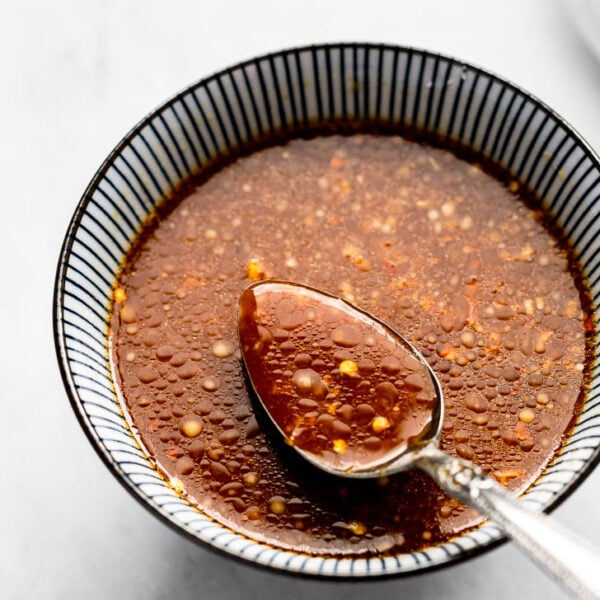
Start with a 1:1:1 ratio of miso paste, tamari (or soy sauce), and a touch of sweetener (honey, maple syrup, or brown sugar). Add ricevinegar and a splash of sesame oil for acidity and depth. For a ginger kick, grate fresh ginger and whisk it in thats the secret behind the popular miso ginger stirfry sauce.
Choosing Veggies
Every miso stir fry vegetables combo works, but here are my gotos that stay crisp: broccoli florets, sliced bell peppers, snow peas, and carrots cut into matchsticks. The key is uniform sizing so they finish cooking at the same time. Feel free to toss in kale or bok choy for extra greens.
Protein Options
If youre plantbased, press firm tofu, cube it, and give it a quick crust in the wok. For meat lovers, thinly sliced chicken breast or thigh works beautifully just marinate it briefly with a spoonful of miso paste before cooking. Shrimp or tempeh are also great alternatives.
Noodles or Rice?
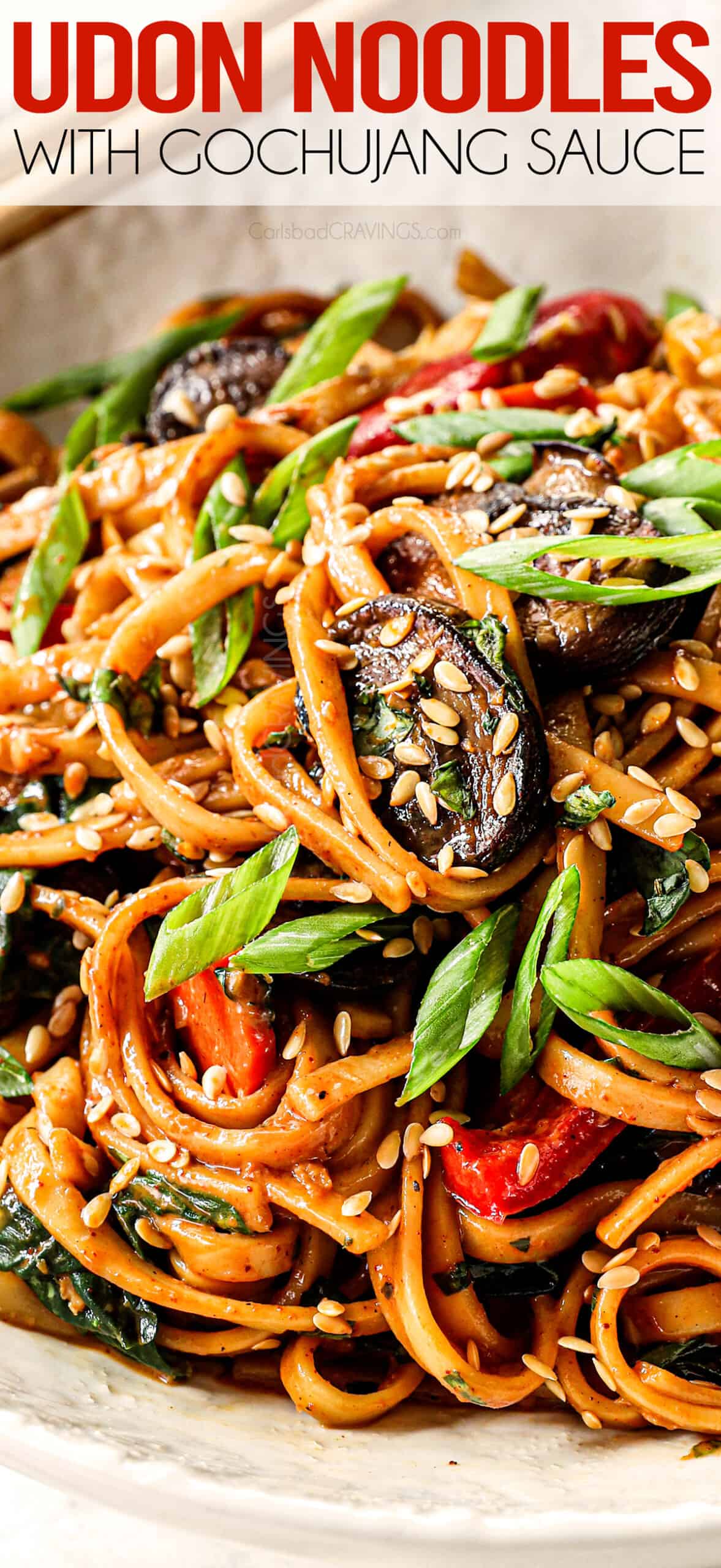
Adding a carb turns the stir fry into a complete meal. Cook your favorite miso stir fry noodles (udon, soba, or rice noodles) just before the veggies, then toss them in at the end. If you prefer rice, jasmine or brown rice served underneath the sauce does the trick.
Balancing the Sauce
Heres a quick ratio for the best miso stirfry sauce:
1tbsp red miso:1tbsp tamari:1tsp honey:tsp ricevinegar:tsp sesame oil.
Taste and adjust a pinch of chili flakes if you like heat, or a squeeze of lime to cut richness.
Equipment & Timing
A wellseasoned wok or a large skillet heats fast and gives that signature sear. Preheat the pan, then add a drizzle of oil. Cook aromatics (garlic, ginger) for 30seconds, then protein, followed by vegetables, and finally the sauce. The whole process should be under 10minutes once everything is prepped.
StepbyStep Guide
Ingredient List
- 2tbsp red miso paste
- 2tbsp lowsodium tamari
- 1tsp honey (or maple syrup)
- tsp ricevinegar
- tsp toasted sesame oil
- 1tsp freshly grated ginger
- 2 cloves garlic, minced
- 12oz firm tofu or 10oz chicken breast, sliced
- 4cups mixed miso stir fry vegetables (broccoli, bell pepper, snap peas, carrots)
- 8oz noodles or 2cups cooked rice
- 1tbsp neutral oil (canola or grapeseed)
- Optional garnish: sliced scallions, sesame seeds, a drizzle of chili oil
Preparation Checklist
Press tofu between paper towels for15minutes.
Slice all vegetables to uniform bitesize.
Whisk miso, tamari, honey, vinegar, sesame oil, ginger, and garlic together in a small bowl this is your miso stir fry sauce.
Cook noodles or rice ahead of time and set aside.
Have a large wok or skillet preheated on mediumhigh.
Cooking Steps
1. Heat oil. Add the wok, swirl in the oil, and let it shimmer.
2. Sear protein. Add tofu or chicken; cook until golden (3minutes). Remove and set aside.
3. Stirfry veggies. Toss in the vegetables; stir constantly for 34minutes they should stay bright and crisp.
4. Introduce aromatics. Add garlic and the remaining ginger; stir for 30seconds until fragrant.
5. Combine sauce. Pour the miso stir fry sauce over the vegetables, stir to coat, and let it bubble for a minute.
6. Finish. Return the protein, add the cooked noodles or rice, and toss everything together for another minute so the sauce thickens and clings.
7. Garnish. Sprinkle with scallions, sesame seeds, and a drizzle of chili oil if you like a little heat.
Serving Suggestions
Serve the stir fry in shallow bowls, with extra lime wedges on the side. Pair it with a simple miso soup or a crisp cucumber salad to round out the meal. Leftovers reheat beautifully in a quick splash of water or broth; the sauce stays glossy.
Nutritional Info
Below is an approximate breakdown per serving (assuming four servings total). Values are taken from USDA FoodData Central and rounded.
| Nutrient | Amount per Serving |
|---|---|
| Calories | 280kcal |
| Protein | 15g |
| Carbohydrates | 35g |
| Fat | 8g |
| Sodium | 620mg |
| Fiber | 5g |
Quick FAQs
Can I use white miso instead of red? Yes, but white miso is milder and sweeter, so you might want to add a pinch of salt or increase the ginger for balance.
How long does the sauce keep? Store it in an airtight jar in the fridge for up to a week; give it a quick whisk before reusing.
Is this recipe glutenfree? Use tamari labeled glutenfree and ensure your noodles are ricebased.
Diet Variations
Vegan & Vegetarian
Swap chicken for tempeh or extrafirm tofu, and use maple syrup instead of honey for a fully plantbased honey miso stir fry sauce alternative. Add sliced shiitake mushrooms for an extra umami boost.
Low Sodium
Choose lowsodium tamari, reduce the miso to 1tbsp, and add a splash of unsalted vegetable broth. According to the CDC, cutting sodium by 40% can help lower blood pressure over time.
GlutenFree
Verify that the miso and tamari are certified glutenfree. Serve the stir fry over rice noodles or cauliflower rice for a grainfree option.
High Protein
Double the tofu or add a cup of edamame. Youll push the protein content to around 25g per serving perfect for postworkout refuel.
Spicy Kick
Stir in a teaspoon of chiligarlic paste, a pinch of crushed red pepper, or a drizzle of srirachamiso sauce. The heat balances the sweetsavory notes beautifully.
Common Mistakes
Overcooking Veggies
When vegetables turn mushy, they lose crunch and nutrients. Keep the heat high and stir constantly; remove the pan from heat the moment the veggies are just tendercrisp. If you need a pause, transfer them to a bowl and come back later.
Sauce Separating
That's usually due to a temperature shock. Whisk the sauce thoroughly before adding it, and keep the wok hot but not smoking. If it does split, a quick splash of warm broth and a vigorous stir will bring it back together.
Too Salty
Saltiness often comes from the miso and tamari. Dilute with a little water or lowsodium broth, and finish with a squeeze of lime or a drizzle of honey to round out the flavor.
Pro Tips
Toasted sesame seeds added at the end give an extra nutty aroma.
A quick shock of vegetables in ice water after blanching keeps them vivid green.
Make the sauce a day ahead; it deepens in flavor and saves prep time on busy nights.
Trusted Sources
To keep this guide reliable, I consulted nutrition data from USDA FoodData Central, dietary guidelines from the CDC, and culinary techniques from professional chef interviews. The Celiac Disease Foundation (celiac.org) provided the glutenfree checks.
These reputable sources help ensure the information is accurate, balanced, and safe for a wide range of dietary needs.
Conclusion
There you have it a miso stir fry recipe thats fast, flavorful, and flexible enough to suit vegans, meateaters, lowsodium seekers, and anyone in between. By mastering the simple miso stir fry sauce and pairing it with fresh vegetables, you get a hearty meal that nourishes both body and palate.
Give the recipe a try tonight, experiment with the variations, and let your taste buds discover new depths of umami. If you tweak the sauce or discover a favorite veggie combo, share it with friends or tag your creations with #MisoStirFryMagic were all in this delicious journey together.
FAQs
Can I use white miso instead of red?
Yes—you can swap white miso for red, but because white miso is milder and sweeter, you may want to add a pinch of salt or extra ginger to keep the flavor balanced.
How do I make the sauce gluten‑free?
Use a certified gluten‑free tamari in place of regular soy sauce and ensure your miso paste is labeled gluten‑free. Pair it with rice noodles or cauliflower rice for a completely gluten‑free meal.
What protein works best with a miso stir fry?
Both plant‑based and animal options work well. Firm tofu or tempeh give a great texture for vegans, while thinly sliced chicken, shrimp, or beef add extra protein for meat‑eaters.
How can I reduce the sodium in this recipe?
Choose low‑sodium tamari, reduce the amount of miso to 1 tbsp, and dilute the sauce with a splash of unsalted vegetable broth or water. Finish with a squeeze of lime to brighten the flavor.
Can I prepare the miso sauce ahead of time?
Absolutely. Store the whisked sauce in an airtight jar in the refrigerator for up to a week. Give it a quick whisk before using to recombine any settled ingredients.