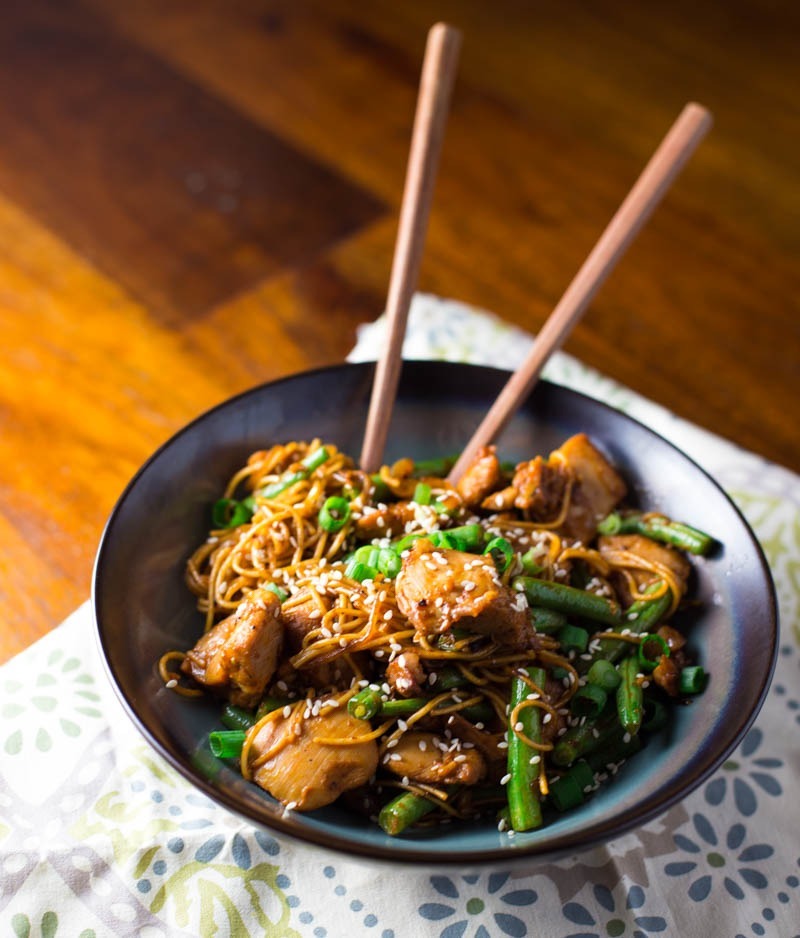
Imagine a weeknight dinner that comes together in under half an hour, smells like a cozy Japanese street stall, and leaves you feeling both satisfied and a little proud of yourself. Thats exactly what miso stir fry noodles can do. No long ingredient lists, no confusing techniquesjust a handful of pantry staples, a hot wok, and a splash of umami magic.
What Is Miso Stir Fry?
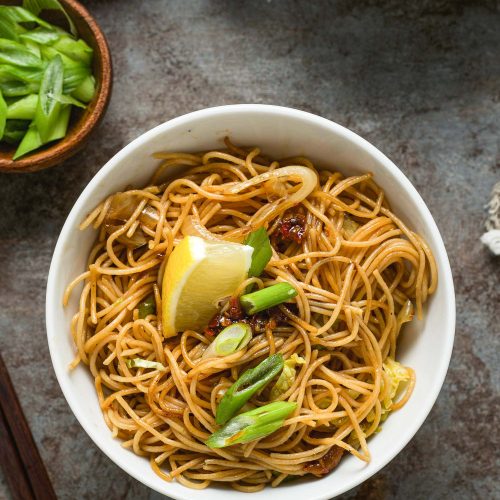
Miso stir fry noodles are essentially noodles tossed in a savorysweet misobased sauce, cooked quickly with vegetables and your protein of choice. Its not a soup, its not a cold noodle salad; it sits right in the middlewarm, glossy, and perfectly coated. Think of it as the woks answer to a hearty pasta dish, but with the depth of fermented miso and the brightness of ginger, garlic, and a hint of heat.
Simple definition
At its core, its noodles + miso paste + stirfried veggies + protein. The miso brings a saltysweet depth, while the quick stirfry keeps everything crisp.
How it differs from miso soup or cold miso noodles
Miso soup is brothbased, served hot with delicate ingredients, and the miso is usually dissolved in water. Cold miso noodles are dressed after theyre cooked and cooled, often served as a refreshing summer dish. In our stir fry, the miso sauce is heated just enough to coat the noodles without losing its bright flavor.
Quick comparison
| Dish | Base | Temperature | Texture |
|---|---|---|---|
| Miso Soup | Miso broth | Hot | Brothy, light |
| Cold Miso Noodles | Miso dressing | Cold | Silky, smooth |
| Miso Stir Fry Noodles | Miso sauce | Hot | Glazed, slightly crisp |
Core Ingredients List
Before you heat the wok, gather these essentials. Having everything within arms reach (mise en place style) makes the cooking flow feel effortless.
Best noodle types
- Udon thick, chewy, perfect for a hearty bite.
- Ramen thinner, looser, absorbs sauce quickly.
- Spaghetti Western pantry staple that works surprisingly well.
- Rice noodles glutenfree option, gives a lighter feel.
Misopaste varieties
White (shiro) miso is sweet and mildgreat for beginners. Yellow (shinshu) adds a bit more depth, while red (aka) miso brings a robust, salty punch. Choose based on how bold you want the dish.
Key aromatics for the miso noodle stir fry sauce
- Garlic (minced)
- Fresh ginger (grated)
- Chili paste or fresh Thai chilies for heat
- Lowsodium soy sauce
- Sesame oil (for finish)
- Optional: a knob of butter for that butter miso noodles richness.
Ingredient checklist
- 200g noodles of your choice
- 2Tbsp miso paste (white or red)
- 1Tbsp soy sauce
- 1tsp sesame oil
- 2cloves garlic
- 1inch ginger
- 1cup mixed stirfry vegetables (broccoli, carrots, bell pepper, bok choy)
- Protein: tofu, shrimp, chicken, or beef (about 150g)
- Optional: 1Tbsp butter for extra silkiness
- Garnish: sliced green onion, sesame seeds, a drizzle of chili oil
StepbyStep Recipe
Ready to dive in? Follow this flow and youll have a plate of glossy, umamipacked noodles in the time it takes to watch a short video.
QuickPrep Overview (30 seconds)
Cook noodles, whisk miso sauce, stirfry veggies and protein, toss everything together, finish with butter and garnish.
Detailed cooking steps
| Step | Action | Time | ProTip |
|---|---|---|---|
| 1 | Boil noodles aldente, drain, rinse with cold water, toss with a dash of sesame oil. | 5min | Add a splash of sesame oil to keep noodles from sticking. |
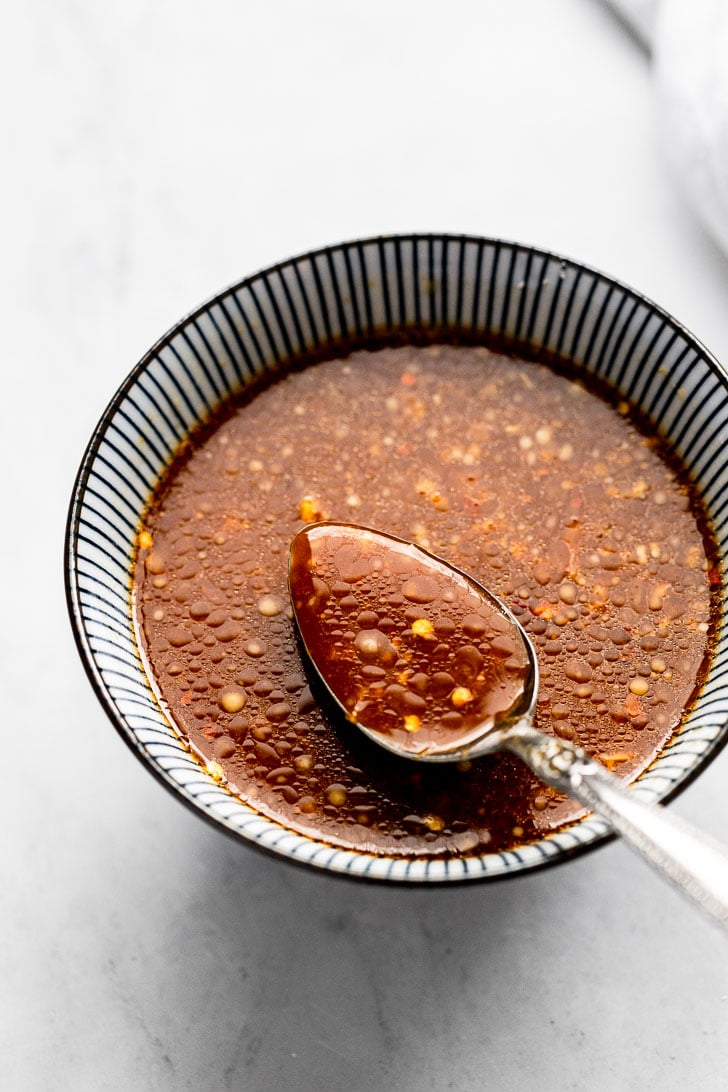
| 2 | Whisk miso paste, soy sauce, a splash of water, and a touch of chili paste until smooth. | 3min | Use roomtemperature water; overheating kills the delicate miso flavor. |
| 3 | Heat wok, add a little oil, stirfry garlic and ginger until fragrant (30sec). | 1min | Dont let garlic burn; it turns bitter fast. |
| 4 | Add mixed vegetables, stirfry high heat until just tender. | 4min | Keep veggies crisp for texture contrast. |
| 5 | Introduce protein (tofu, shrimp, etc.) and cook through. | 3min | For tofu, press beforehand to remove excess moisture. |
| 6 | Stir in the miso sauce, then add noodles. Toss everything quickly. | 2min | If sauce looks thick, add a splash of water. |
| 7 | Swirl in butter (optional) for a velvety finish. | Butter should be cold; it emulsifies beautifully. | |
| 8 | Garnish with sesame seeds, green onion, and a drizzle of chili oil. | Serve immediately for best texture. |
Chefs notes
High heat is keythis keeps the veggies bright and the noodles from becoming soggy. If youre using rice noodles, rinse them well after cooking; they love a quick soak in cold water before hitting the wok.
Flavor Variations Ideas
One of the best things about miso stir fry noodles is how adaptable they are. Here are a few twists you might enjoy.
Butter Miso Noodles
Finish the dish with a tablespoon of cold butter. It creates a glossy, silky coating that feels like a warm hug on your palate.
Jamie Oliverstyle Miso Noodles
Jamie Oliver often adds a splash of olive oil, lemon zest, and a handful of fresh herbs. Try swapping sesame oil for a drizzle of extravirgin olive oil and sprinkle some chopped cilantro or parsley at the end.
Vegan & PlantBased
Swap meat for crispy tofu cubes or marinated tempeh. Add a handful of edamame for extra protein. The miso sauce already delivers a deep umami punch, so no animal broth needed.
Spice Level Control
If you like it mild, reduce the chili paste. For heat lovers, add fresh Thai chilies or a dollop of sriracha. You can also stir in a pinch of smoked paprika for a smoky undertone.
Comparison table
| Variation | Key Ingredient | PrepTime | MainProtein |
|---|---|---|---|
| Butter Miso | Cold butter | 30min | Chicken or tofu |
| Jamie Oliver | Olive oil, lemon zest | 30min | Seafood |
| Vegan | Tofu/tempeh | 30min | Tofu |
| Spicy | Chili paste, sriracha | 30min | Any |
Health Benefits Risks
Miso isnt just a flavor powerhouse; it also brings some nutritional goodies to the table.
Probiotic & antioxidant properties
A 2023 study published by the National Institutes of Health highlighted that fermented miso contains live cultures that support gut health. The antioxidants in miso may also help combat oxidative stress.
Sodium content keep it in check
Traditional miso can be salty, especially the darker varieties. To lower sodium, try using lowsodium soy sauce, rinse the miso briefly in warm water, or add extra vegetables to dilute the salt.
Allergens & dietary concerns
- Contains soy; not suitable for soyallergy sufferers.
- Butter adds dairy; omit for dairyfree or use a plantbased butter.
- Gluten is present in most wheat noodles; swap for rice or glutenfree udon if needed.
Quickfacts box
- Rich in protein, Bvitamins, and minerals like zinc.
- Provides ~200kcal per serving (depends on noodle type).
- Watch sodium: ~500mg per tablespoon of miso.
As always, if you have specific health conditionsespecially hypertension or soy intoleranceconsult a medical professional before making it a regular habit.
Common Mistakes Fixes
Even seasoned home cooks stumble sometimes. Heres what to watch out for and how to rescue the dish.
Noodles turn soggy
Overcooking noodles is the main culprit. Cook them aldente, rinse briefly, and toss with a little oil before adding to the wok. The oil creates a barrier that keeps them from soaking up too much sauce.
Sauce separates
If the miso sauce looks grainy, whisk in a splash of warm water or broth until smooth before adding it to the pan. Adding the sauce too earlywhile the wok is still hotcan cause the fats to split.
Veggies overcooked
Stirfry on high heat for just a few minutes. You want them bright, crisp, and still a shade of green. A quick taste test while cooking saves you from limp veggies.
FAQ style quick tip
Q: Can I use miso paste in a stirfry without boiling it?
A: Yesadd miso at the very end of cooking. Heat gently just enough to coat the noodles; high heat will mute its delicate flavor.
Storing & Meal Prep
Got leftovers? No problem. Miso stir fry noodles keep well and even taste better after a night in the fridge as the flavors meld.
Best containers & fridge life
Store in an airtight container; it stays fresh for up to 4days. If youre prepping for the week, keep the sauce separate and combine just before reheating to preserve texture.
Reheat without losing texture
Steam the noodles in a skillet with a splash of water, or quickly toss them in a hot wok for 12minutes. Microwaving alone can make them rubbery.
Overnight Miso Noodle Bowls
Layer noodles, sauce, veggies, and protein in a mason jar. When youre ready, shake, heat, and enjoy. Perfect for busy mornings.
Printable shopping list
Feel free to copy this quick list into your phone notes:
- Noodles (your choice)
- Miso paste
- Soy sauce
- Garlic & ginger
- Mixed stirfry vegetables
- Protein (tofu, shrimp, chicken)
- Butter (optional)
- Sesame seeds & green onions
Final Thoughts Action
Miso stir fry noodles are a culinary shortcut that doesnt sacrifice flavor. By mastering the base sauce, picking the right noodle, and tweaking the heat level, you can whip up a meal that feels both comforting and adventurous. Remember the balance: enjoy the probiotic boost of miso, but keep an eye on sodium and allergens that matter to you.
Give it a try tonightgrab those pantry staples, fire up the wok, and let the miso work its magic. When youve plated your creation, share a photo or a quick note about what you added or changed. Your kitchen experiments could inspire someone else to trade a bland pasta night for a burst of umami. Happy cooking!
FAQs
Can I use rice noodles instead of wheat noodles?
Yes! Rice noodles work great for a lighter, gluten‑free version. Just soak them in hot water until tender, drain, and toss them in at the end.
Do I have to cook the miso sauce?
No. Add the miso sauce at the very end of cooking; gentle heat is enough to coat the noodles without destroying its delicate flavor.
How can I make the dish spicier?
Increase the amount of chili paste, add fresh Thai chilies, or finish with a drizzle of sriracha for extra heat.
What protein works best with miso stir fry noodles?
All of the above—shrimp, chicken, beef, or tofu—so choose your favorite or what you have on hand. Marinate tofu or meat briefly for added flavor.
How should I store leftovers to keep them from getting soggy?
Cool the noodles, then store in an airtight container with the sauce separate. Reheat in a hot wok with a splash of water to revive the texture.