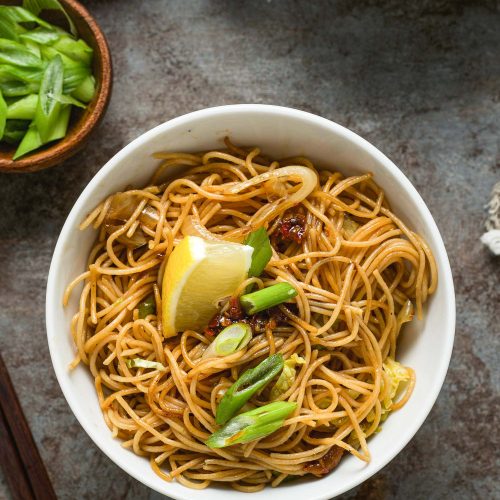
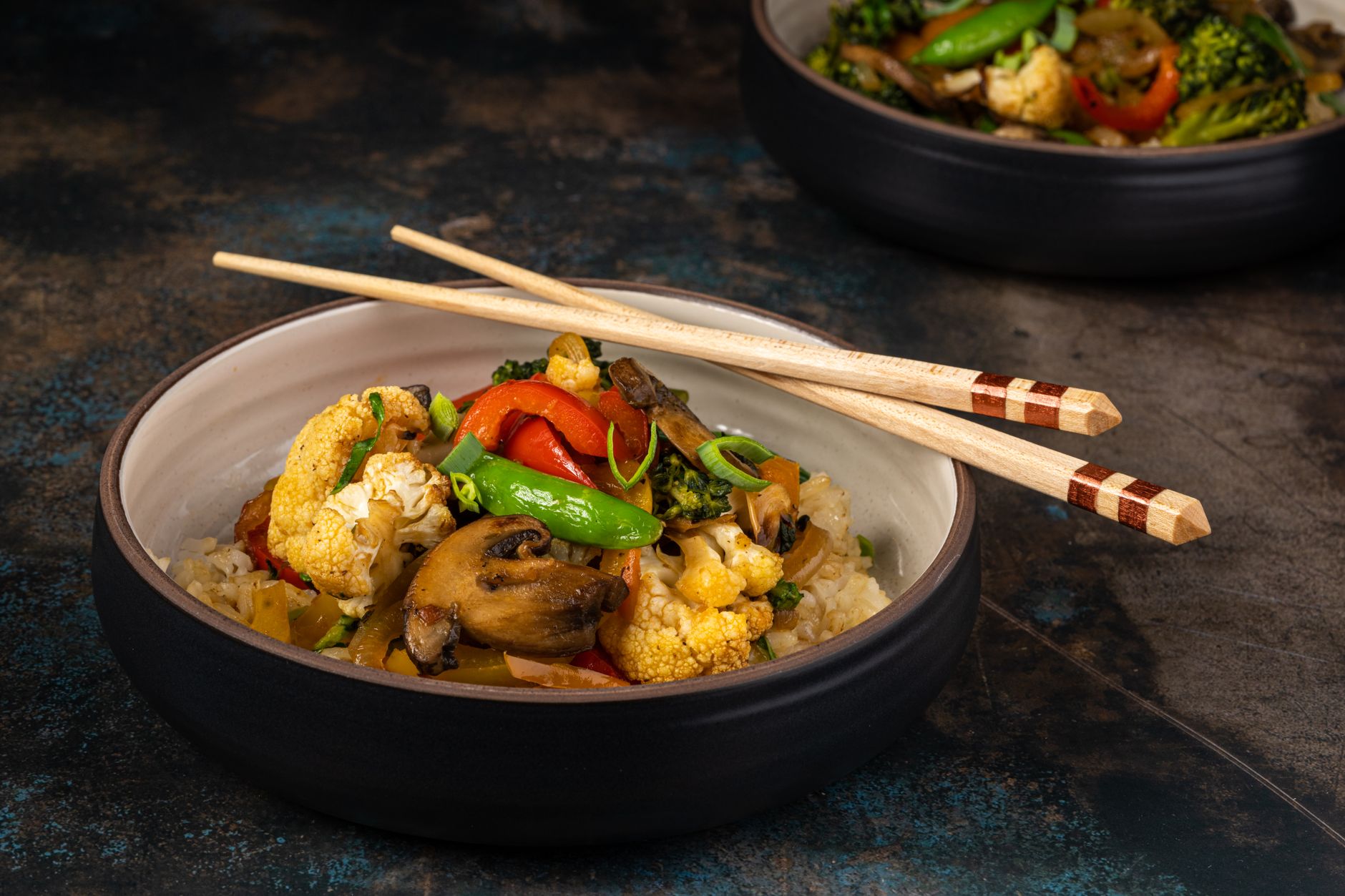
Hey there! If youre staring at your pantry wondering how to turn a handful of everyday ingredients into a glossy, restaurantworthy sauce, youve landed in the right spot. The answer is simple: a wellbalanced Chinese stir fry sauce can be whipped up in under five minutes, and itll cling to veggies, chicken, beef, or tofu like it was meant to be there all along.
Below youll find everything you needquick ratios, variations for three or fiveingredient mixes, a full recipe, storage tips, and even a few kitchen mishaps that turned into happy discoveries. Lets dive in and make your next stirfry sing.
Instant Answer Overview
Whats the core of a great Chinese stir fry sauce? A blend of salty soy, a splash of aromatic wine, a touch of sweetness, and a thin coating of cornstarch to thicken. Heres the cheat sheet you can copy right now:
- cup lowsodium soy sauce
- cup chicken or vegetable stock (or water)
- 2Tbsp sugar (or honey)
- 1Tbsp Shaoxing wine or dry sherry
- 1tsp cornstarch mixed with 1tsp cold water
Mix, heat, thicken, and youve got a sauce that works for every stirfry you can imagine.
Core Ingredients Explained
Soy Sauce: The Salty Backbone
Soy sauce delivers the saltyumami punch that defines Chinese cooking. Choosing a lowsodium version cuts the sodium load without sacrificing flavor. If youre glutenfree, swap it for tamari.
Shaoxing Wine: Aromatic Depth
Shaoxing wine is a Chinese rice wine that adds a nutty, slightly sweet aroma. No wine? Dry sherry works as a decent standin, but a splash of real Shaoxing gives that authentic lift youll taste in every bite.
Sugar: Balancing Act
Sugar (or honey, maple syrup, or even a pinch of brown sugar) counters the salt and helps caramelize the ingredients in the wok. The result? A glossy finish that looks as good as it tastes.
Stock or Water: Body and Flavor
A splash of stock adds depth, while water keeps the sauce light. For vegans, use vegetable broth; for extra richness, opt for a homemade chicken stock.
Cornstarch Slurry: The Thickening Hero
Just a teaspoon of cornstarch with equal water creates a smooth slurry that, when added at the end, turns the sauce from runny to silky. This is the trick behind that restaurantstyle coating.
Quick Sauce Variations
3Ingredient Stir Fry Sauce
When time is tight, blend only soy sauce, water, and sugar. Its salty, slightly sweet, and perfect for a quick weeknight dish. Add a cornstarch slurry if you crave a thicker glaze.
4Ingredient Stir Fry Sauce
Introduce the cornstarch slurry to the threeingredient mix. You now have a glossy, clingon sauce without any extra flavor complexity.
5Ingredient Stir Fry Sauce
Add Shaoxing wine for that extra depth, and youve upgraded to the best Chinese stir fry sauce you can make at home. Its still under ten minutes from start to finish.
Full Stir Fry Recipe
Ingredient List (with Keyword Variations)
| Qty | Ingredient | Related Keyword |
|---|---|---|
| cup | Lowsodium soy sauce | chinese stir fry sauce with soy sauce |
| cup | Chicken stock (or vegetable stock) | |
| 2Tbsp | Shaoxing wine (or dry sherry) | |
| 2Tbsp | Light brown sugar | |
| 1tsp | Cornstarch + 1tsp water (slurry) | chinese stir fry sauce with cornstarch |
| Optional | 1tsp sesame oil, tsp minced garlic, tsp grated ginger | 5 ingredient stir fry sauce |
StepbyStep Instructions
Prep & Mix
Whisk together soy sauce, stock, wine, and sugar until the sugar dissolves. This is your flavor base.
Heat the Wok
Get your wok or large skillet smoking hot, add a drizzle of sesame oil if you like, then toss in minced garlic and ginger for about 30 seconds. The aroma should make your stomach rumble.
Cook the Sauce
Pour the mixed sauce into the wok, bring to a gentle simmer. Let it bubble for a minute so the flavors meld.
Thicken & Finish
Stir in the cornstarch slurry. Within 2030 seconds youll see the sauce turn glossy and coat the back of a spoon. Thats when you know its ready.
Combine with Your StirFry
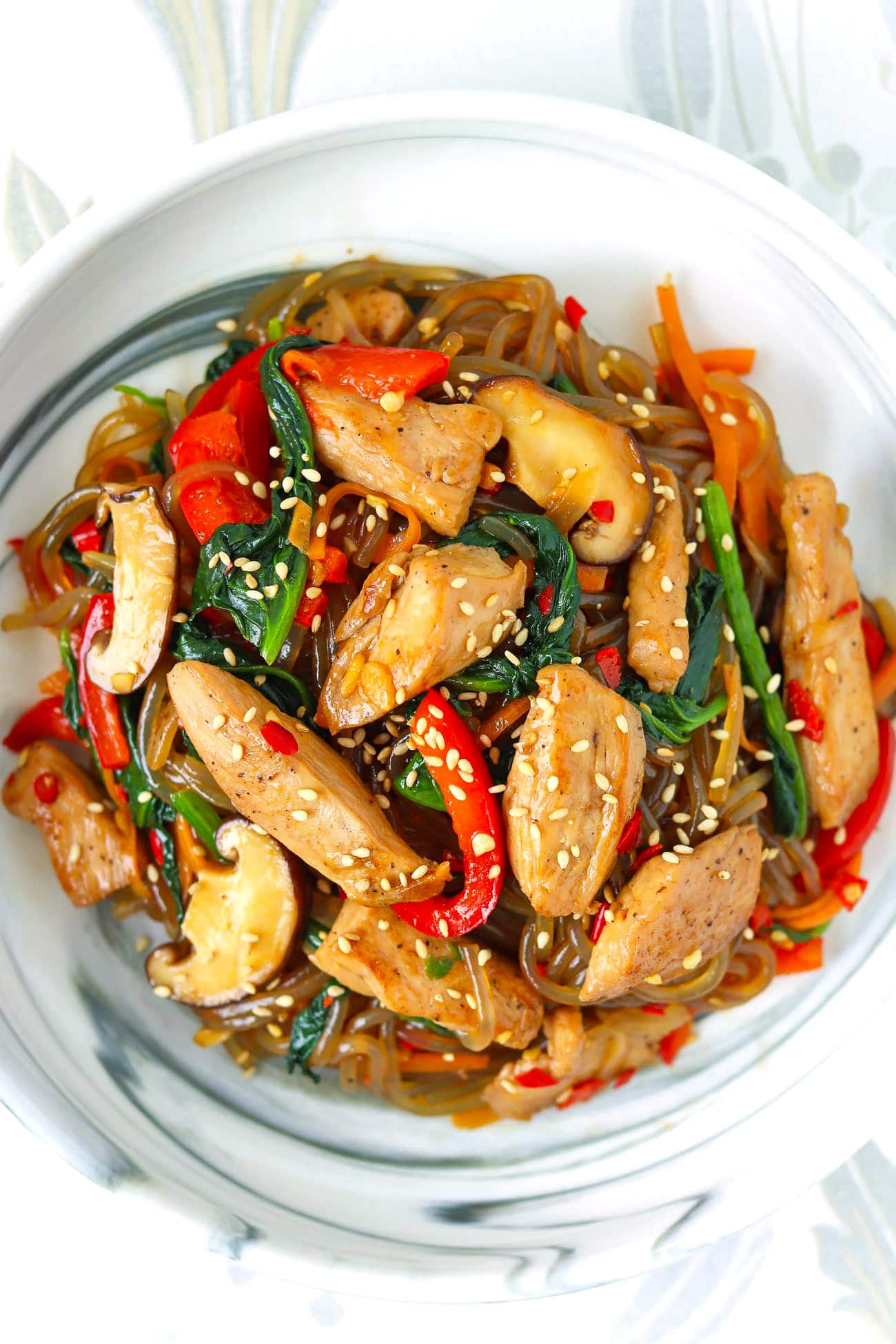
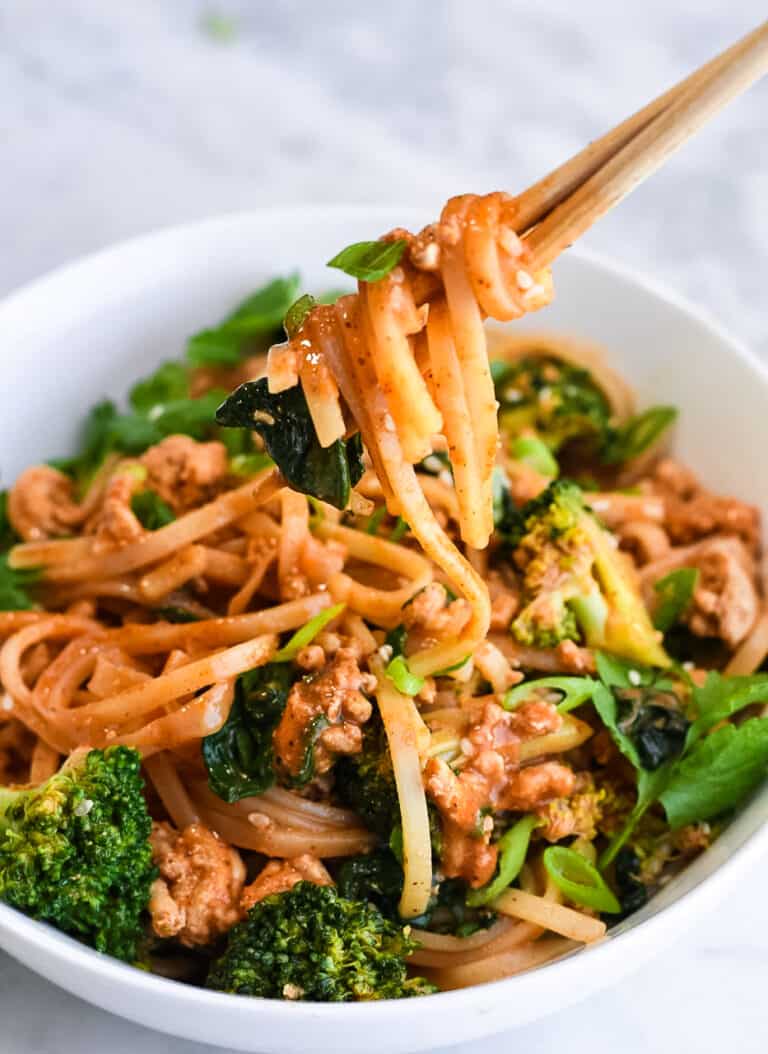
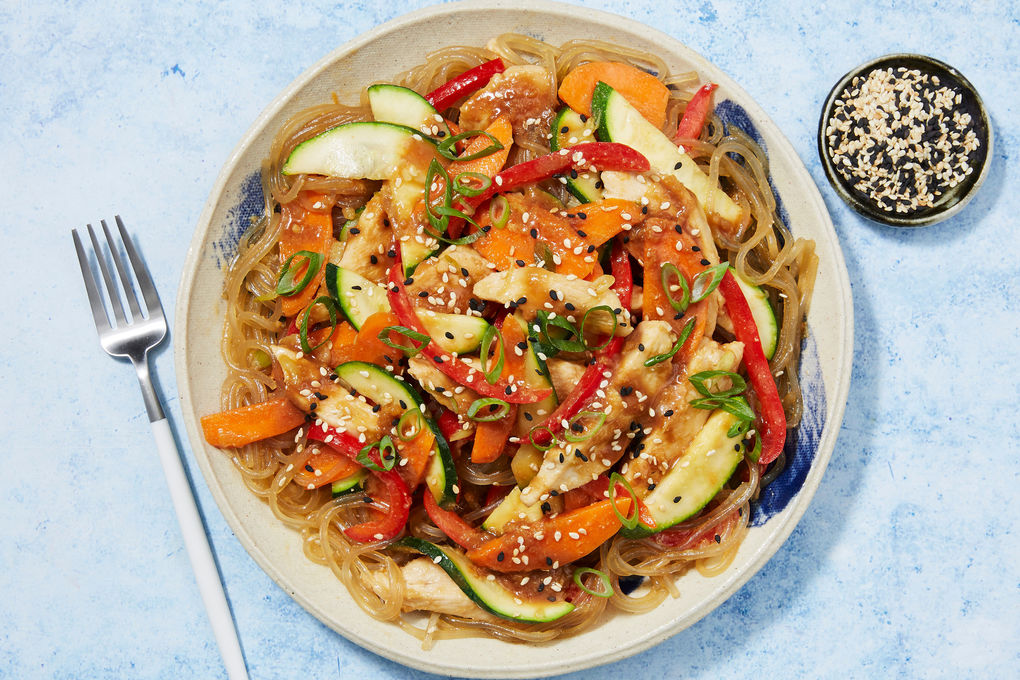
Slide in your precooked protein or veggies, toss everything together, and watch the sauce cling like a silky veil. Serve over steamed rice or noodles.
Expert Tip
According to a study by the Culinary Institute of America, adding Shaoxing wine at the very end of the simmer preserves its delicate aromatics, giving your sauce a brighter, more complex nose.Culinary Institute of America
Perfect Pairings Tips
Proteins That Love the Sauce
- Chicken thin strips sear quickly, letting the sauce pool around each piece.
- Beef a quick marinate in a splash of soy before cooking adds an extra layer of umami.
- Pork thinly sliced pork shoulder absorbs the sauce like a sponge.
- Tofu press and cube firm tofu, then panfry for a golden crust before adding the sauce.
Vegetable Stars (Chinese Stir Fry Vegetables Recipe)
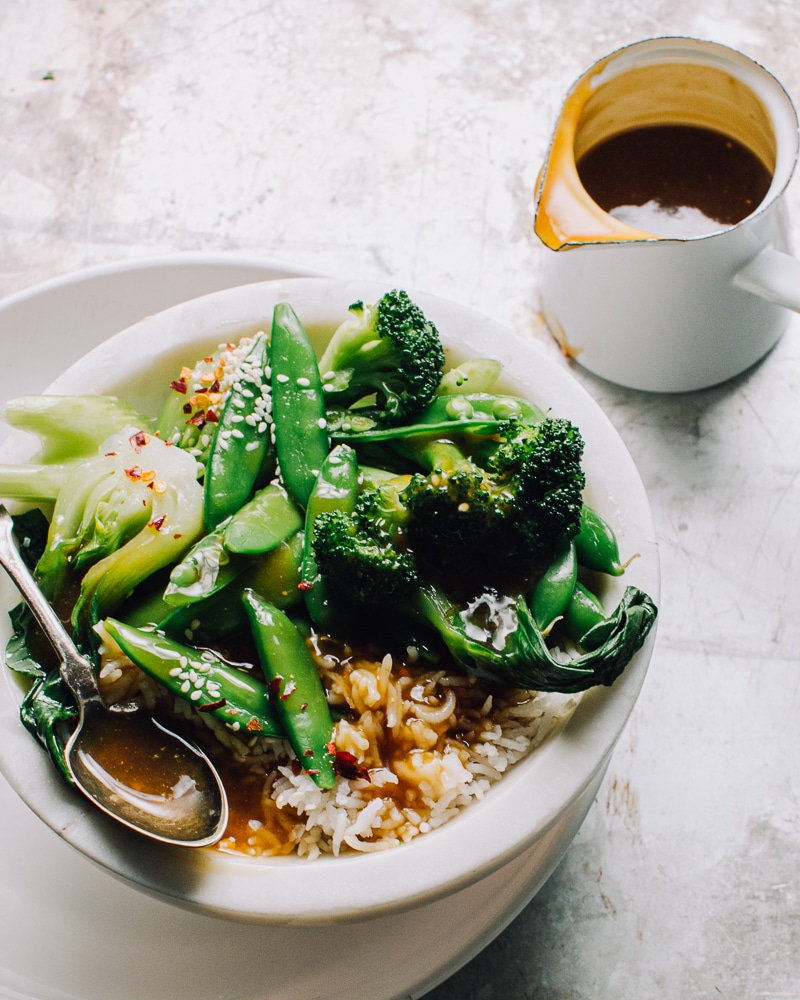
Broccoli, bell peppers, snap peas, carrots, and baby corn make a colorful, crunchy base. A quick Woks of Life guide shows how blanching veggies for two minutes before stirfrying preserves their snap while letting the sauce cling beautifully.
Flavor Boosters
Want to dial up the excitement? Add a drizzle of chili oil for heat, a spoonful of hoisin for sweet depth, or a pinch of toasted sesame seeds for crunch.
Storage and Safety
Refrigeration
Transfer the leftover sauce to an airtight jar and store in the fridge. It stays fresh for up to 14days. Give it a quick whisk before the next useingredients may settle.
Freezing
Yes, you can freeze it! Portion the sauce into freezersafe bags, label, and store for up to one month. Thaw in the fridge and reheat gently; no need to add extra liquid.
Safety Reminder
Because soy sauce is salty, watch your sodium intake if you have hypertension. Opt for lowsodium soy or dilute the sauce with a splash of water.
Nutrition Snapshot Details
Per twotablespoon serving, the sauce contains roughly:
- Calories: 25kcal
- Sodium: 800mg (regular soy) about a third of the daily recommended limit.
- Carbohydrates: 4g (mostly from sugar)
- Protein: 1g
Swap regular soy for lowsodium tamari, and you shave off around 300mg of sodium without compromising flavor.
Common Questions Answered
How do I thicken the sauce?
Just stir in a cornstarch slurry (1tsp cornstarch + 1tsp cold water) at the end of cooking. A quick 20second stir will give you that glossy finish.
Can I make the sauce without stock?
Absolutely. Water works fine, especially if you boost the flavor with a little extra soy or a splash of mushroom soy sauce.
Whats the difference between Shaoxing wine and dry sherry?
Shaoxing wine has a deeper, more nutty profile thats quintessentially Chinese. Dry sherry is milder but still adds the needed acidity and aroma.
Is there a glutenfree version?
Swap soy sauce for tamari or a certified glutenfree soy sauce. The rest of the ingredients are naturally glutenfree.
How long can I keep the sauce?
In the fridge, up to two weeks; in the freezer, up to a month. Always smell and taste before use.
StoreBought Sauce Comparison
Top Commercial Brands
| Brand | Price / 250ml | Sodium (mg) | Sugar (g) | Rating (15) |
|---|---|---|---|---|
| Lee Kum Kee Premium | $4.50 | 1,200 | 3 | 4.7 |
| Kikkoman StirFry | $3.80 | 950 | 2 | 4.3 |
| Household AllPurpose | $2.20 | 1,500 | 5 | 3.5 |
The DIY sauce beats most storebought options on sodium control, cost, and the ability to tweak flavors on the fly.
Real Kitchen Stories
Let me share two moments that taught me the power of a good sauce.
Family Dinner Triumph
One Saturday I whipped up the fiveingredient version for a family gathering. My teenage sonwho usually avoids veggiesasked for seconds of the broccoli. The secret? A final drizzle of toasted sesame oil that added a nutty aroma he couldnt resist.
HighAltitude Experiment
Living at 7,500ft, I discovered that sauces reduce faster. My first attempt turned watery. Adding an extra splash of water and a slightly larger cornstarch slurry gave me the perfect glaze without overcooking the vegetables.
Conclusion
There you have ita complete guide to mastering the Chinese stir fry sauce that fits any schedule, pantry, or taste preference. Whether youre pulling together a threeingredient sprint or crafting a fiveingredient masterpiece, the core principles stay the same: balance salty, sweet, and aromatic, then finish with a touch of cornstarch for that restaurantgrade sheen.
Now its your turn. Grab those soy bottles, fire up the wok, and let your kitchen fill with the scent of an authentic stirfry. If youve tried any of these variations or have a favorite tweak, wed love to hear about ityour experience could become the next tip that helps someone else shine in the kitchen.
FAQs
What are the essential ingredients for a basic Chinese stir fry sauce?
The core ingredients are low‑sodium soy sauce, stock or water, a sweetener like sugar or honey, Shaoxing wine (or dry sherry), and a cornstarch slurry for thickness.
Can I make the sauce gluten‑free?
Yes—swap regular soy sauce for tamari or a certified gluten‑free soy sauce. All other components are naturally gluten‑free.
How do I adjust the sauce for a spicier version?
Add a teaspoon of chili oil, a dash of Sichuan peppercorn powder, or a sliced fresh chili during the aromatics stage for heat.
What’s the best way to store leftover sauce?
Transfer it to an airtight container and refrigerate for up to two weeks; you can also freeze it in portioned bags for about a month.
Why does the sauce sometimes turn watery at high altitude?
Lower air pressure speeds up liquid evaporation. Add a little extra water and increase the cornstarch slurry slightly to maintain the glossy coating.