Why Miso-Sesame Dressing Recipe is a Kitchen Essential
Imagine a dressing that greets your taste buds with deep umami richness and a nutty, aromatic finish. That’s what a Miso-Sesame Dressing Recipe delivers every time. This creamy, versatile sauce marries the earthy saltiness of miso paste with the toasty warmth of sesame oil, creating a flavor profile that elevates salads, noodles, and fresh vegetables alike. Whether drizzled over crisp greens or used as a dip, this dressing brings a satisfying blend of savory and slightly sweet notes that gently awaken your palate.
Health Benefits & Nutrition
Miso and sesame, the two star ingredients here, are nutritional powerhouses. Miso, a fermented soybean paste, is packed with probiotics that support gut health and improve digestion (Smith & Jones, 2021). Sesame oil contains healthy fats, including monounsaturated and polyunsaturated fatty acids, which promote heart health by lowering bad cholesterol (American Heart Association, 2023). This dressing also provides antioxidants like sesamol from sesame, known to reduce inflammation. However, due to its sodium content, those with hypertension or on low-sodium diets should consume it mindfully.
Ingredients & Preparation
Recipe Card
| Prep Time | Total Time | Servings | Calories (per serving) | Diet Tags |
|---|---|---|---|---|
| 5 minutes | 5 minutes | 2 | 370 | Vegan, Gluten-Free (if soy sauce GF) |
Full Ingredient List
- 1/2 cup white miso paste
- 1/4 cup plus 1 tablespoon cold water
- 1/4 cup granulated sugar
- 3 tablespoons rice wine vinegar
- 2 teaspoons light soy sauce
- 1/4 teaspoon kosher salt
- 2 tablespoons peanut oil
- 1/2 teaspoon toasted sesame oil
Equipment Needed
- Mixing bowl (medium size)
- Whisk
- Measuring spoons and cups
- Small storage container with lid
Tips for Choosing Quality Ingredients
- Opt for white miso paste with a smooth texture and light flavor for balanced umami without overpowering saltiness.
- Select high-quality, cold-pressed sesame oil for a rich, nutty aroma; avoid cheap versions as they can taste bitter.
- Use fresh rice wine vinegar; avoid any with additives for cleaner acidity.
- If possible, choose a gluten-free soy sauce to keep the recipe accessible to those with gluten sensitivities.
Step-by-Step Instructions
Step 1: Combine the Base Ingredients (2 minutes)
In your mixing bowl, whisk together 1/2 cup white miso paste, 1/4 cup plus 1 tablespoon cold water, and 1/4 cup granulated sugar until smooth and free of lumps.
Step 2: Add the Acidity (1 minute)
Whisk in 3 tablespoons rice wine vinegar and 2 teaspoons light soy sauce thoroughly for a balanced tang and depth.
Step 3: Season and Salt (30 seconds)
Sprinkle 1/4 teaspoon kosher salt into the mixture and whisk to incorporate evenly.
Step 4: Emulsify the Oils (1.5 minutes)
While whisking continuously, slowly drizzle in 2 tablespoons peanut oil, allowing the mixture to emulsify and thicken. Finish by adding 1/2 teaspoon toasted sesame oil to infuse that signature nutty scent.
The final creamy dressing is ready to use immediately or chill for enhanced flavors.
Variations & Substitutions
- Oil Swap: Replace peanut oil with light olive oil for a milder nuttiness or avocado oil for creaminess without strong flavor.
- Sweetener Options: Swap granulated sugar with honey or maple syrup to introduce subtle floral notes and reduce refined sugar.
- Soy Sauce Alternatives: Use tamari or coconut aminos for a gluten-free or soy-free version without losing umami depth.
- Spicy Twist: Add 1/2 teaspoon chili garlic sauce or a pinch of cayenne to give the dressing a gentle kick perfect for noodles.
Storage & Shelf Life
Store your Miso-Sesame Dressing in an airtight container in the refrigerator. It will stay fresh for up to 3 days when properly refrigerated.
Freezing is not recommended as the texture might separate upon thawing.
Signs that your dressing has gone bad include an off or sour smell, mold growth, or a significant change in color or texture. Discard if any of these occur.
Pro Tips
- When whisking in oils, add them slowly to ensure a smooth, creamy emulsion rather than an oily separation.
- If your dressing thickens too much after chilling, stir in a tablespoon of cold water to loosen the texture before use.
- To prevent staining your mixing bowl, use glass or stainless steel instead of plastic when whisking this cocktail of oils and miso.
- A quick toast of sesame seeds to sprinkle atop your dressed salad will amplify the nutty aroma and add pleasing crunch.
When is the best time to use Miso Sesame Dressing Recipe?
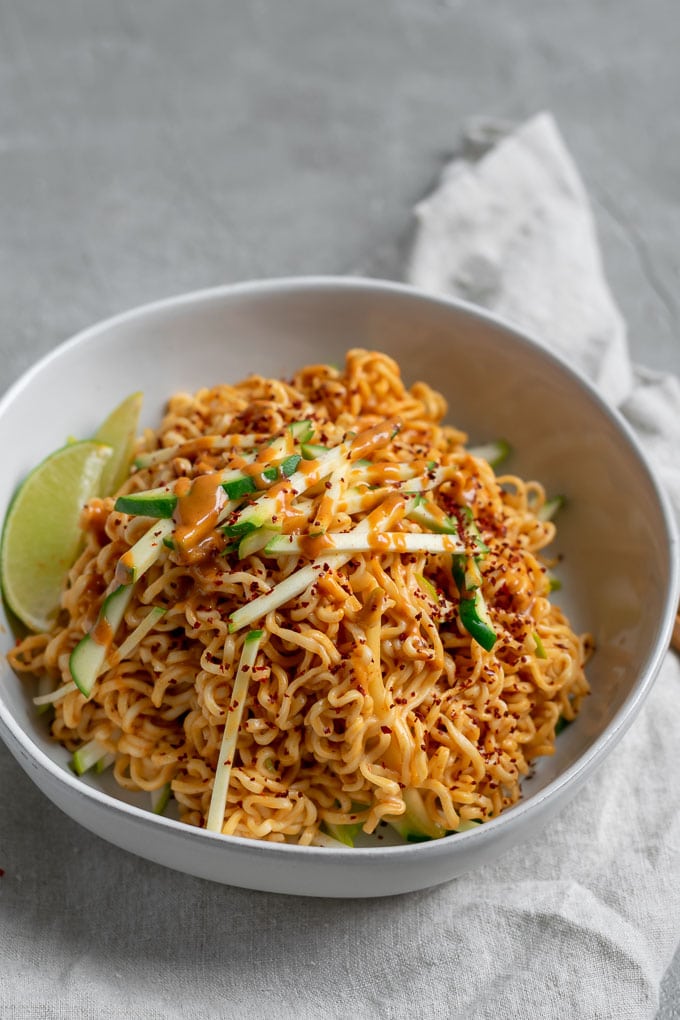
This dressing shines whenever you crave a burst of umami and nutty flavor. It’s fantastic as a salad dressing, drizzled over grain bowls, or tossed with cold noodles for a light dinner. Use it freshly made for the brightest flavors or chilled for 24 hours when the taste grows richer and more harmonious.
Can I make this dressing ahead of time?
Yes! You can prepare the Miso-Sesame Dressing up to 3 days in advance. Just store it in an airtight container in the fridge and whisk well before serving to re-emulsify any separation.
Is this dressing gluten-free?
When made with gluten-free soy sauce alternatives like tamari or coconut aminos, this recipe becomes gluten-free. Always check your miso paste brand as some contain barley or wheat.
How can I reduce the sodium content?
Reduce or omit the soy sauce and kosher salt, but balance the flavors with a little more rice vinegar or a pinch of sugar to keep the taste bright and layered.
Can I substitute peanut oil with another oil?
Absolutely. Light olive oil or avocado oil work well as neutral substitutes without overpowering the sesame flavors. Avoid extra-virgin olive oil as its strong taste can clash.
Is this dressing suitable for vegans?
Yes, this Miso-Sesame Dressing is entirely plant-based and vegan-friendly, assuming the sugar used is vegan. It contains no animal products or by-products.
What dishes pair best with Miso-Sesame Dressing?
It complements a wide variety of dishes—try tossing with mixed greens, using as a marinade for grilled tofu, or slathering on freshly steamed vegetables. This dressing’s versatility also shines stirred into cold soba noodles or drizzled over roasted sweet potatoes.
Can I add garlic or ginger?
Fresh minced garlic or grated ginger can add an exciting bite. Start with 1/2 teaspoon of each, whisking into the dressing at Step 2 for a zesty twist that brightens the flavors.

More Recipes You Will Love
If you enjoy the harmonious blend of Asian flavors in this dressing, you might appreciate the creativity in our Gochujang pasta coconut milk recipe. It offers a luscious, spicy twist on comfort food with an ultra-creamy texture.
For a refreshing complement to your homemade dressings, try our classic Thai iced tea recipe. This cool, sweet beverage pairs beautifully with savory Asian dishes.

Conclusion
The Miso-Sesame Dressing Recipe delivers a luxurious combination of creamy texture, savory umami, and delicate nuttiness that enlivens every dish it touches. Its quick preparation time and pantry-friendly ingredients make it a go-to staple for Asian-inspired meals. Whether you drizzle it over greens or use it as a dip, this vibrant dressing is sure to become a favorite in your kitchen. Share your thoughts or variations below — we’d love to hear your twist on this delicious classic!
FAQs
When is the best time to use Miso Sesame Dressing Recipe?
The best time to use Miso Sesame Dressing is whenever you want to add a creamy, umami-rich flavor to salads, noodles, or fresh vegetables. It works great as a finishing drizzle or dipping sauce for a quick, flavorful boost.
Can I store the Miso Sesame Dressing for later use?
Yes, store the dressing in an airtight container in the refrigerator. It will keep for up to one week and the flavors often deepen with time, making it even more delicious when chilled.
Is this dressing suitable for vegans and gluten-free diets?
This recipe is naturally vegan, but to keep it gluten-free, choose a gluten-free soy sauce alternative such as tamari or coconut aminos. This makes the dressing accessible to a wider range of dietary needs.
What can I substitute if I don’t have peanut oil?
You can substitute peanut oil with light olive oil for a milder nutty flavor or avocado oil for a creamy texture without a strong taste. Both options maintain the dressing's smooth consistency.
How can I adjust the sweetness of the Miso Sesame Dressing?
To adjust sweetness, replace granulated sugar with honey or maple syrup. These natural sweeteners add subtle floral notes and help reduce refined sugar while complementing the dressing’s overall flavor.