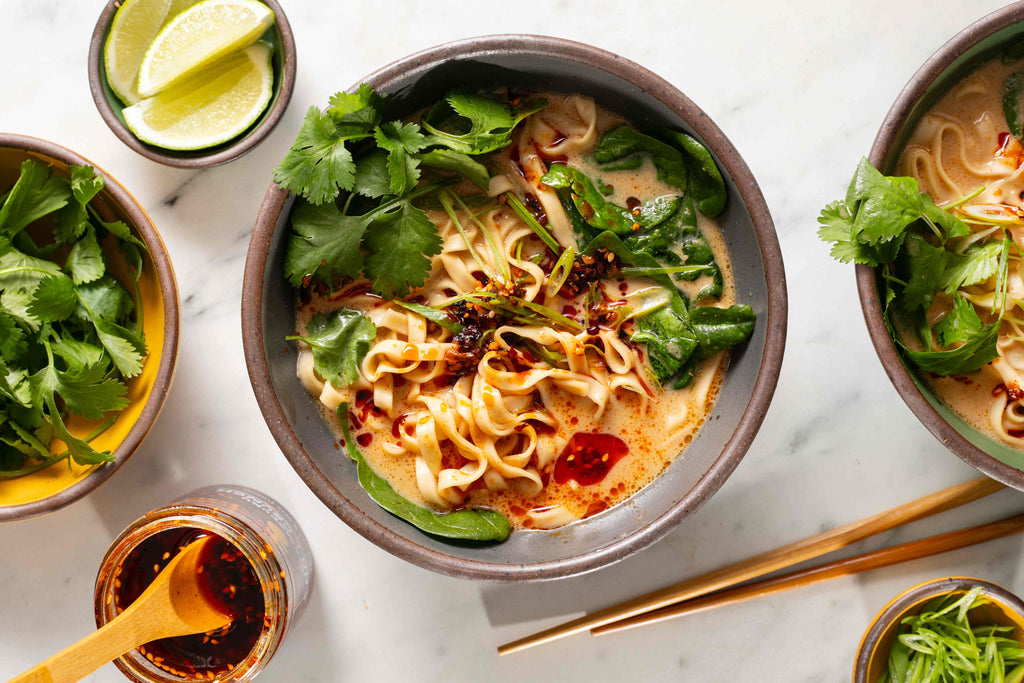
Craving a quick, crowdpleasing Korean noodles recipe that you can tweak for vegfans, spice lovers, or a comforting bowl of broth? Youre just a few steps away from that glossy, sweetpotatonoodle crunch or a steaminghot gochujang sauce uses kissed bowl.
Below youll get a nofluff, stepbystep guide, plus five proven variations (vegetarian, spicy, glassnoodle, beef, soup) and protips that cut prep time in half all backed by trusted sources like RecipeTin Eats and culinary veteran Maangchi.
Korean Noodles Basics
What Types Exist?
Sweetpotato glass noodles (dangmyeon)
These translucent strands are made from sweetpotato starch. Their chewy slip is the heart of a classic japchae recipe and gives the dish that satisfying bite.
Wheatbased stirfry noodles
Think of the ramenstyle noodles you see in street stalls. Theyre sturdier, absorb sauces well, and work great for a fast korean noodles recipe easy weeknight dinner.
Soup noodles
Knifecut, handpulled or thin wheat noodles create the comforting korean noodles soup recipe youll find in familyrun eateries. Theyre typically cooked directly in broth, which makes the soup thick and hearty.
Why Are They So Popular?
Texture that talks
The noodles soak up every drop of gochujang, soy, or sesame oil, turning each bite into a flavor explosion.
Versatility in every bowl
From vegfriendly korean noodles recipe vegetarian plates to firebreathing spicy korean noodles recipe, the base stays the same while the toppings change like seasons.
Core Ingredients List
| Ingredient | Typical Use | Substitutions (veg / GF) |
|---|---|---|
| Sweetpotato glass noodles (dangmyeon) | Base for japchae | Shirataki, rice vermicelli |
| Gochujang (Korean chili paste) | Spicy depth | Sriracha + miso mix |
| Soy sauce / Ganjang | Salty umami | Tamari (GF) |
| Sesame oil & seeds | Aroma & crunch | Toasted pumpkin seeds (allergy note) |
| Vegetables (carrot, spinach, onion, bell pepper) | Color & nutrients | Any seasonal veg |
| Protein (beef, chicken, tofu) | Optional boost | Tempeh, seitan, eggs |
| Garlic, ginger, scallions | Flavor base | |
| Optional broth (beef, mushroom) | Soup version | Water + miso paste |
Choosing the Right Glass Noodles
Look for packages that say dangmyeon and list sweetpotato starch as the first ingredient. Presoaking in warm water (about 50C) for 2025minutes gives you that perfect chew without turning them mushy.
StepbyStep Japchae
Prep Checklist (5Minute Overview)
- Soak noodles.
- Marinate protein (if using).
- Whisk sauce.
- Chop veggies.
- Heat a wok or large skillet.
Cooking Flow
1. Soak the noodles
Place the glass noodles in a bowl of warm water. After 2025minutes they should be soft but still firm to the bite. Drain, rinse under cold water, and set aside.
2. Marinate the protein
If youre using beef, slice it thin (like a piece of paper) and toss with 1Tbsp soy sauce, tsp minced garlic, and 1tsp sesame oil. Let it sit while you prep the veggiesten minutes is enough.
3. Stirfry the vegetables
Heat the wok over high flame. Add a splash of sesame oil, then the onions and carrots first (they need the most time). After 2minutes, add bell pepper, spinach, and any extra veg. Cook just until theyre bright, not wilted.
4. Combine noodles & sauce
Mix 2Tbsp soy sauce, 1Tbsp gochujang sauce recipe, 1Tbsp sugar, and a dash of rice vinegar in a small bowl. Toss the drained noodles into the wok, pour the sauce over, and stirfry for another 2minutes. The noodles will shine like a glossy ribbon.
5. Finish with protein and toppings
Slide the marinated beef (or tofu) into the wok, give everything a quick whirl, and finish with a drizzle of toasted sesame oil, a sprinkle of sesame seeds, and sliced scallions. Serve hot; the aroma alone should make your mouth water.
Pro Tip
Adopt a onewok method: after the veggies are cooked, push them to the side, add the protein, then combine everything. This keeps heat high, preserves crunch, and saves you washing an extra pan.
Creative Recipe Variations
Vegetarian JapaneseStyle (Korean Noodles Recipe Vegetarian)
Swap the beef for firm tofu, pressed and cubed, or for sliced shiitake mushrooms. Marinate tofu in soygarlicsesame for 10minutes, then follow the same stirfry steps. Add extra leafy greens like bok choy or kale for a nutrient boost.
Spicy Kick (Spicy Korean Noodles Recipe)
Boost the heat by mixing 2Tbsp gochujang, 1Tbsp honey, 1tsp rice vinegar, and a pinch of crushed redpepper flakes. Toss the noodles in this fiery sauce and finish with a squeeze of lime for a tangy surprise. According to Maangchi, the key to balance is a touch of sweetness to tame the heat.
Korean Glass Noodles Only (Korean Glass Noodles Recipe)
Focus solely on dangmyeon. Omit wheatbased noodles and use a lighter soygarlic sauce (1Tbsp soy, tsp sugar). This version stays true to traditional japchae and lets the glass noodles shine.
Korean Beef Noodles (Korean Beef Noodles Recipe)
Use thinly sliced bulgogistyle beef, marinated in soy, sugar, minced garlic, and a splash of Korean pear puree for extra tenderness. After stirfrying, drizzle a quick glaze of soy + a bit of brown sugar to give the beef a caramelized edge.
Comforting Soup (Korean Noodles Soup Recipe)
Replace the stirfry sauce with a clear broth made from anchovy stock, kelp, and a splash of soy sauce. Add the noodles near the end of cooking, then drop in sliced zucchini, mushrooms, and a whisked egg ribbon for richness. Serve hot, garnished with scallions and a drizzle of sesame oil.
Expert Tips & Pitfalls
Perfect Chewy Texture
Rinse the noodles after soaking; this stops the cooking process and prevents them from turning gummy. Also, avoid oversaucingjust enough to coat each strand.
Common Mistakes to Dodge
- Overcooking the noodles. They become mushy and lose that signature bounce.
- Crowding the wok. When the pan is too full, the veggies steam instead of stirfry, leaving them soggy.
- Skipping the final sesameoil drizzle. The oil adds a fragrant, nutty finish that youll miss if omitted.
TimeSaving Hacks
- Buy presliced vegetables from the deli; it shaves minutes off prep.
- Make a bulk batch of the sauce, freeze it in icecube trays, and pop out what you need.
- Use a kitchen timer for the noodle soakexactly 22minutes every time.
Nutrition & Health Facts
| Nutrient (per 1cup ) | Approx. Value | Health Note |
|---|---|---|
| Calories | 210kcal | Moderate for a main dish. |
| Protein | 12g | Boost with tofu or beef. |
| Carbs | 35g (mostly complex) | Low GI when using glass noodles. |
| Fiber | 4g | Veggies add extra. |
| Sodium | 620mg | Use lowsodium soy sauce to reduce. |
Are Korean Noodles Healthy?
They can be a wellbalanced meal when you load up on vegetables and choose lean protein. The main caution is the sodium content in soy sauce and gochujangadjust to taste or use reducedsalt versions.
Who Should Be Careful?
If youre glutenintolerant, doublecheck that the noodles are 100% sweetpotato starch. For lowsodium diets, halve the soy sauce and add a splash of lemon or vinegar for flavor without the salt.
Conclusion
You now have the core Korean noodles recipe, five tasty twists, and a toolbox of protips to keep the noodles perfectly chewy and the sauce spoton. Whether youre feeding a busy family, impressing friends with a vibrant japchae, or craving a comforting bowl of noodle soup, the steps above make it a breeze. Try one variation tonight, then share your results with a loved onetheres something truly special about gathering around a bowl of homemade Korean noodles.
FAQs
Can I use gluten‑free noodles for this Korean noodles recipe?
Yes! Choose 100% sweet‑potato glass noodles (dangmyeon) or rice vermicelli, which are naturally gluten‑free and work perfectly in the dish.
How long should I soak the sweet potato glass noodles?
Soak them in warm water (about 50 °C) for 20‑25 minutes until they’re soft but still springy, then rinse under cold water.
What’s the best way to make the sauce less spicy?
Reduce the gochujang by half and add a bit more soy sauce, a splash of rice vinegar, and a teaspoon of honey to balance the heat.
Can I make this Korean noodles recipe ahead of time?
Absolutely. Cook the noodles and sauce separately, store them in the fridge, and stir‑fry the veggies and protein fresh when you’re ready to serve.
How do I store leftovers and reheat them without getting soggy?
Keep the noodles, sauce, and veggies in separate airtight containers. Reheat the noodles in a hot pan with a splash of oil for 1‑2 minutes, then add the veggies and sauce.