Why River Prawn Pad Thai?
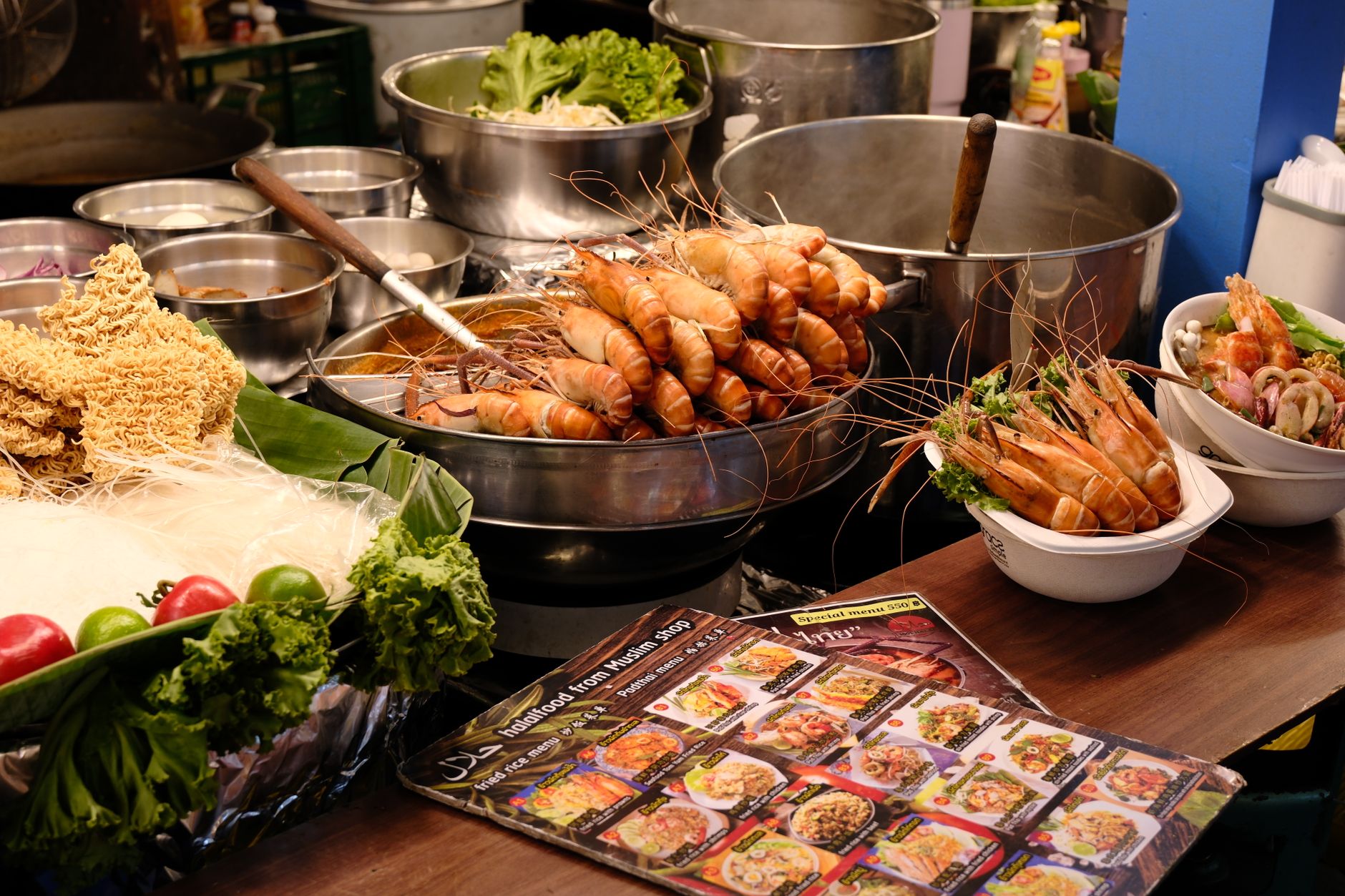
Imagine the sizzle of fresh river prawns hitting a hot wok, mingling with the sweet, tangy, and savory notes of a perfectly balanced Pad Thai sauce. River Prawn Pad Thai delivers this unforgettable sensory experience, bringing the richness of Thailand’s street kitchens right to your plate. This dish elevates classic Pad Thai with succulent river prawns, offering a delightful contrast of crispy, tender, and aromatic flavors. If you crave a taste of authentic Asian cuisine with a twist, River Prawn Pad Thai is a recipe that satisfies deep cravings and invites you to explore vibrant textures and bold tastes.
Health Benefits & Nutrition
Including river prawns in your Pad Thai boosts the dish’s nutritional profile. Prawns are rich in high-quality protein essential for muscle repair and growth. They also provide key minerals like selenium, which supports immune function, and omega-3 fatty acids known to improve heart health (Journal of Nutrition, 2021). The rice noodles contribute complex carbohydrates, supplying sustained energy. Fresh ingredients such as bean sprouts and chives add antioxidants and dietary fiber, promoting digestive health.
However, be mindful of sodium content, especially if you monitor blood pressure, since sauces like fish sauce and soy sauce are salty. Also, those allergic to shellfish should avoid this dish or use tofu as a substitute. Pregnant individuals should consult healthcare providers when consuming shellfish.
Ingredients & Preparation
Recipe Card
| Prep Time | Total Time | Servings | Calories (per serving) | Diet Tags |
|---|---|---|---|---|
| 15 minutes (plus noodle soaking) | 1 hour (excluding noodle soaking) | 5 to 6 servings | ~1900 kcal | Gluten-free options*, High-protein |
Full Ingredient List
- 7 oz extra-firm tofu, sliced
- Rice bran oil, for frying
- 1 ¼ cups palm sugar
- ¾ cup granulated sugar
- 1 cup oyster sauce
- 1 cup light soy sauce
- ½ cup fish sauce
- ½ cup vinegar
- 5 tbsp paprika
- 1 tbsp ground white pepper
- ½ cup rice bran oil, plus more for deep-frying
- 10-12 fresh river prawns
- Rice flour, for dusting
- ¼ cup minced fresh garlic
- ½ cup diced red onion
- 5-6 large eggs
- 40 oz rice noodles, soaked 3-4 hours
- 2 cups fresh bean sprouts
- 1 cup sliced chives
- 5-6 tbsp crushed peanuts
- 1 lime, sliced
- Ground roasted peanuts, for garnish
Equipment Needed
- Wok or large nonstick skillet
- Deep-fry thermometer
- Mixing bowls
- Spatula
- Knife and cutting board
- Strainer for noodles
Tips for Choosing Quality Ingredients
Opt for fresh river prawns with firm texture and a mild ocean scent — avoid any with a strong fishy smell. Use extra-firm tofu to ensure it crisps nicely when fried without crumbling. For authentic taste, palm sugar adds a caramel sweetness unmatched by brown sugar. Choose fresh bean sprouts and crisp chives for the best texture. Also, always soak rice noodles in cold water for at least 3 hours to avoid clumping and ensure softness during cooking.
Step-by-Step Instructions
Step 1: Prepare the Fried Tofu (15 minutes)
Heat a generous layer of rice bran oil over medium heat in a pan. Fry the 7 ounces of sliced extra-firm tofu for about 3-4 minutes on each side until the surface turns golden brown and crispy. Remove and drain on paper towels, then dice into bite-size cubes. Set aside.
Step 2: Make the Pad Thai Sauce (15 minutes)
In a saucepan over medium heat, melt 1¼ cups palm sugar and ¾ cup granulated sugar, stirring until caramelized. Add 1 cup oyster sauce, 1 cup light soy sauce, ½ cup fish sauce, ½ cup vinegar, 5 tbsp paprika, and 1 tbsp ground white pepper. Bring the mixture to a gentle simmer and stir until sugar dissolves completely. Turn off heat and keep warm.
Step 3: Deep-fry the River Prawns (8 minutes)
Heat rice bran oil in a wok to 350°F (175°C). Lightly dust each prawn with rice flour and carefully deep-fry for 3 minutes, or until they turn golden and crisp. Remove prawns and drain on a paper towel-lined plate. Clean the wok afterwards.
Step 4: Cook the Pad Thai (12 minutes)
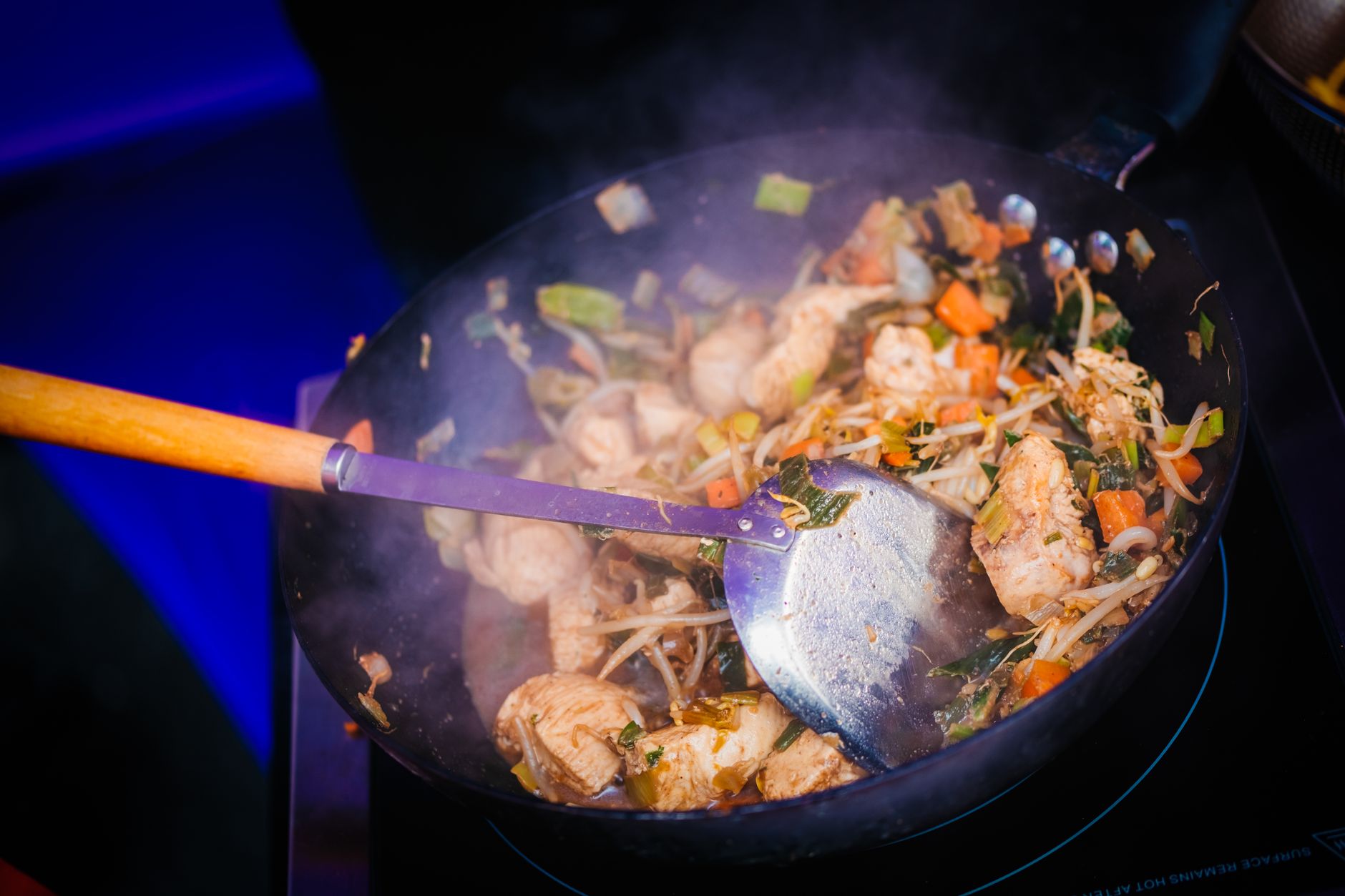
Heat ½ cup rice bran oil in the clean wok over medium-high heat. Add minced garlic and diced red onion, sautéing until fragrant and translucent (2-3 minutes). Toss in the fried tofu cubes and stir-fry for another 2 minutes. Push ingredients slightly aside and crack in 5-6 eggs, scrambling them until just set.
Step 5: Combine Noodles and Sauce (10 minutes)
Add soaked rice noodles to the wok with ½ cup water. Stir continuously to soften noodles, about 3-4 minutes. Pour in the warm Pad Thai sauce and toss until the noodles absorb the flavor evenly. Mix in bean sprouts and sliced chives, then turn off the heat after 2 minutes to preserve their crispness.
Step 6: Serve and Garnish (2 minutes)
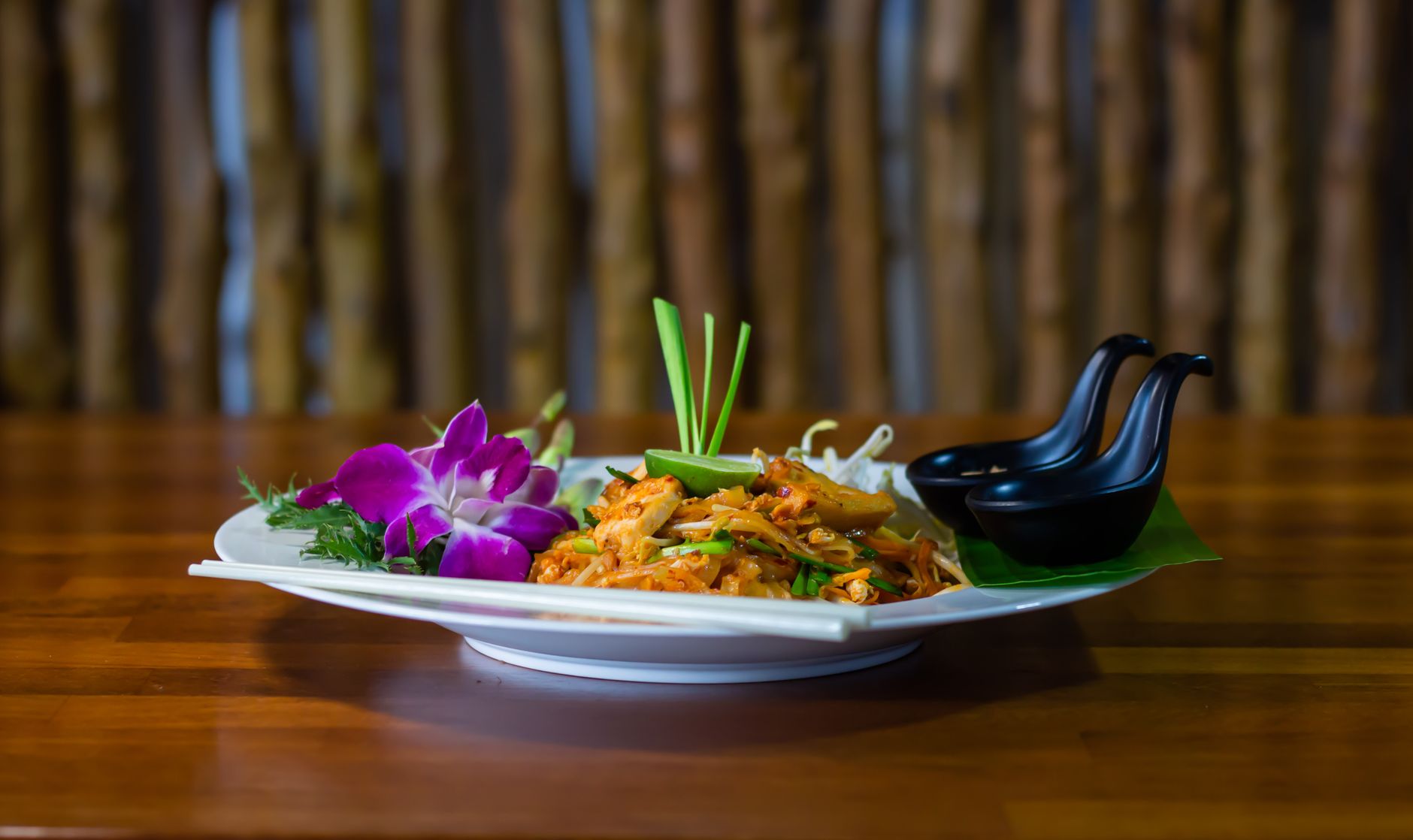
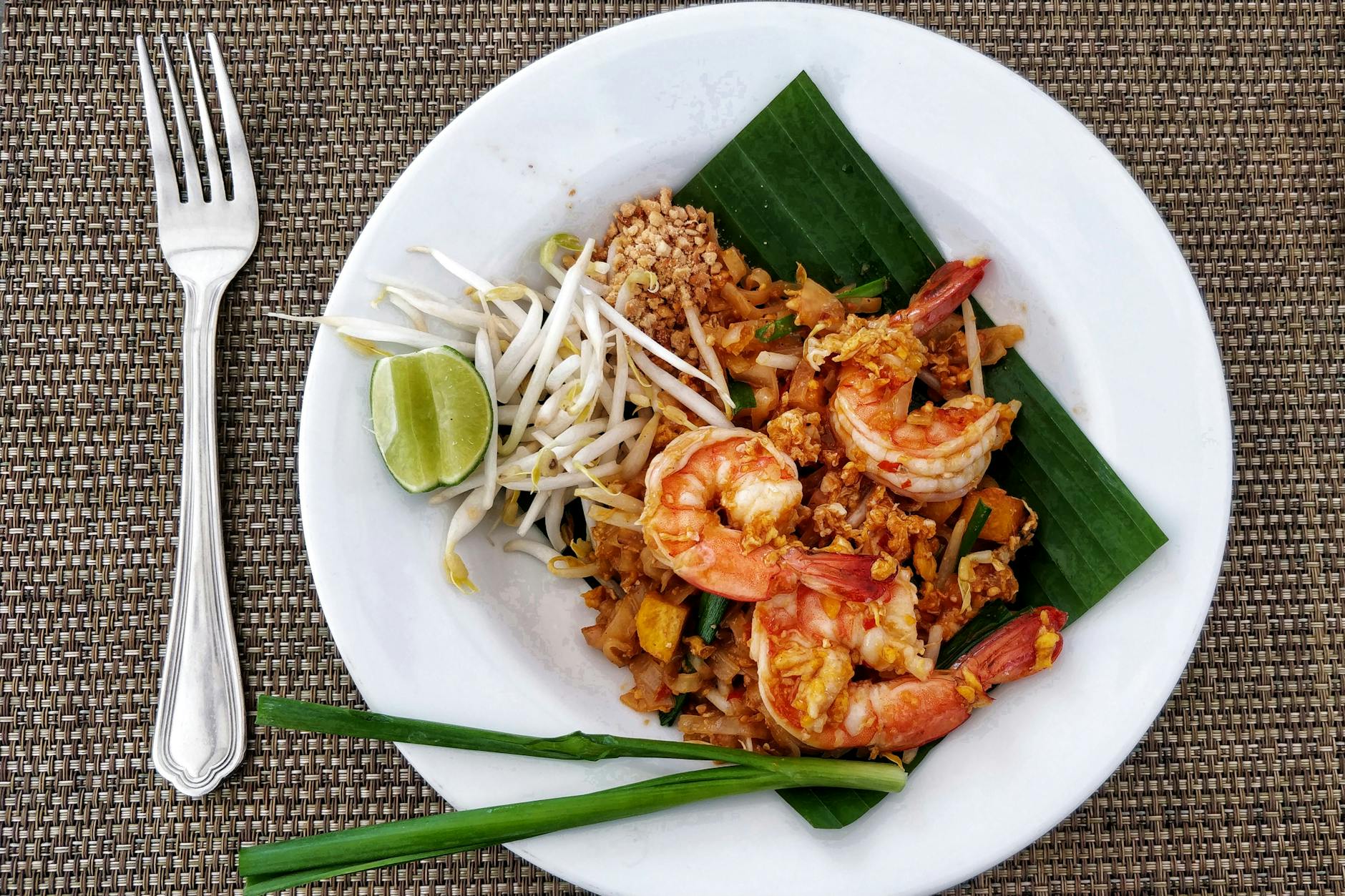
Plate the Pad Thai, topping with river prawns and crushed peanuts. Garnish with a wedge of fresh lime and sprinkle ground roasted peanuts on top for an added nutty crunch. Serve immediately for maximum freshness and texture.
Variations & Substitutions
- Vegetarian Option: Omit river prawns and use extra fried tofu or tempeh for protein. Replace fish sauce with a gluten-free soy or tamari sauce.
- Gluten-Free Variation: Ensure rice noodles are certified gluten-free. Substitute oyster sauce with gluten-free tamari or coconut aminos.
- Spicy Kick: Add fresh bird’s eye chilies or a teaspoon of chili paste while cooking garlic and onions to boost heat without losing authenticity.
- Smoky Flavor: Incorporate 1 teaspoon smoked paprika instead of regular paprika for a subtle smoky edge.
- Nut Alternatives: Use toasted cashews or almonds if allergic to peanuts; this variation pairs beautifully with the dish’s savory notes.
Storage & Shelf Life
Refrigeration: Store leftovers in an airtight container in the refrigerator for up to 2 days. Reheat gently to avoid overcooking noodles and drying out prawns.
Freezing: Not recommended for best texture, as rice noodles can become mushy. However, you can freeze fried tofu separately for up to 1 month, thawing before adding to Pad Thai.
Signs of Spoilage: Watch for sour odors, slimy textures, or discoloration in prawns or tofu — these indicate the dish should be discarded.
Pro Tips
- Use a deep-fry thermometer to maintain oil temperature at 350°F for perfectly crispy prawns without absorbing excess oil.
- Soak rice noodles evenly in cold water before cooking to prevent clumping and ensure soft yet firm texture after stir-frying.
- When mixing in the Pad Thai sauce, toss quickly and thoroughly so the noodles absorb all flavors evenly without turning mushy.
- Add bean sprouts last to retain their crunch and fresh flavor; overcooking will make them soggy.
- Prevent staining on hands from paprika or chili by rinsing quickly with cold water after handling, or wear gloves.
When is the best time to eat River Prawn Pad Thai?
River Prawn Pad Thai shines as a hearty lunch or dinner option. It’s especially satisfying on cooler evenings when rich, warm, and aromatic meals are most comforting. Enjoy it fresh to experience the lively textures of the prawns and crisp vegetables.
Can I substitute river prawns with regular shrimp?
Yes! Fresh shrimp makes a fine alternative, but river prawns provide a slightly earthier flavor and firmer texture. If you use shrimp, select large, wild-caught ones for a closer match.
Is this Pad Thai recipe gluten-free?
Rice noodles and rice bran oil are naturally gluten-free. However, typical oyster and soy sauces contain gluten. Opt for gluten-free soy sauce and oyster sauce substitutes to cater to gluten sensitivity.
How do I prevent noodles from sticking together?
Soak rice noodles in cold water for at least 3 hours to soften them properly. Stir them gently during cooking with added water to separate strands and avoid clumping.
What can I use if I don’t have palm sugar?
Light brown sugar or coconut sugar can substitute palm sugar, though palm sugar provides a unique caramel note that enhances authenticity.
Can I prepare the Pad Thai sauce in advance?
Yes, the sauce keeps well refrigerated for up to 5 days in an airtight container. Reheat gently before tossing with noodles to blend flavors smoothly.
How do I keep the tofu crispy?
Remove tofu from oil promptly once golden brown, then drain on paper towels to absorb excess oil. Adding it last during stir-frying helps maintain crispness.
More Recipes You Will Love
If you savor the tangy and fresh balance in Thai cuisine, you might enjoy our Ponzu smashed cucumber salad, which offers a crisp and zesty complement to richer dishes. For a sweet treat post-meal, exploring the Chinese almond cookies history unveils the story behind this crunchy Asian delicacy perfect for dessert or afternoon tea.
Conclusion
River Prawn Pad Thai brings together a fusion of textures and bold flavors that capture the essence of authentic Asian street food. The tender prawns, crispy tofu, vibrant herbs, and sweet-savory sauce combine into a dish that’s both elegant and approachable. Experiment with the recipe, share your results, and let your kitchen aromas transport you to the bustling streets of Thailand. Feel free to leave a comment below or rate this recipe to share your experience with others.
FAQs
When is the best time to eat River Prawn Pad Thai?
The best time to eat River Prawn Pad Thai is as a satisfying lunch or dinner, when you crave bold flavors and a balanced meal. It’s especially perfect for gatherings or when you want to enjoy authentic Thai street food at home.
Can I substitute river prawns with another protein?
Yes, if fresh river prawns are unavailable or you have dietary restrictions, you can substitute with shrimp, chicken, or tofu for a vegetarian option while maintaining great flavor and texture.
Is River Prawn Pad Thai suitable for gluten-free diets?
Yes, by choosing gluten-free tamari or soy sauce and ensuring all other ingredients are gluten-free, River Prawn Pad Thai can be made compatible with gluten-free diets without sacrificing taste.
How should I store leftovers of River Prawn Pad Thai?
Store leftovers in an airtight container in the refrigerator for up to 2 days. Reheat gently in a wok or microwave, adding a splash of water or oil to keep the noodles moist and avoid drying out the prawns.
What makes River Prawn Pad Thai different from regular Pad Thai?
River Prawn Pad Thai elevates the classic dish by using fresh, succulent river prawns, which add a richer, sweeter seafood flavor and a unique texture contrast, enhancing the authentic street food experience.