At first, I thought that jar of gochujang on my pantry shelf was just another exotic condiment I’d never touch. Then I realized it could turn a bland stir‑fry into a flavor bomb in under ten minutes. If you’re staring at that glossy red paste and wondering, gochujang sauce uses, you’re in the right place. Below you’ll find simple, versatile ways to make the most of gochujang paste—from fast sauces and marinades to surprisingly sweet twists.
In short: mix it into a stir‑fry sauce, glaze chicken, toss it with noodles, or whisk it into a dipping sauce, and you’ve got a dinner‑ready boost. Ready to explore? Let’s dive in.
Everyday Staples Guide
What is the easiest way to use gochujang in a stir‑fry?
Try this 3‑minute gochujang stir‑fry sauce. In a small bowl combine 2 tablespoons of gochujang paste, 1 tablespoon soy sauce, 1 teaspoon sesame oil, 1 clove minced garlic, and a splash of water to loosen it up. Toss your favorite veggies and protein (think bell peppers, snap peas, or thin‑sliced beef) in a hot wok, pour the sauce over, and stir until glossy. It’s sweet, salty, and just the right amount of heat—perfect for a weeknight rush.
Can I make a dip for veggies or spring rolls with gochujang?
Absolutely. Whisk together 1 part gochujang, 1 part rice vinegar, 1 part honey, and enough water until you reach a drizzle‑ready consistency. Add a pinch of toasted sesame seeds for texture. This gochujang dipping sauce is tangy enough to cut through fried spring rolls but still carries that signature sweet‑spicy punch.
How do I turn gochujang into a quick BBQ rub or taco seasoning?
Mix 1 tablespoon gochujang with 1 tablespoon brown sugar, 1 teaspoon smoked paprika, and a teaspoon garlic powder. Rub the blend onto pork ribs, chicken thighs, or even on a taco‑seasoned ground‑beef mix before cooking. The result? A caramelized crust that balances smoky depth with a lingering Korean heat.
Main Course Ideas
What’s a reliable gochujang chicken recipe for beginners?
Start with 4 bone‑in chicken thighs. Marinate them in a mixture of 3 tablespoons gochujang, 2 tablespoons soy sauce, 1 tablespoon honey, 1 teaspoon grated ginger, and a dash of black pepper for at least 30 minutes. Bake at 400°F (200°C) for 25–30 minutes, basting once with the leftover marinade. The skin gets deliciously sticky, and the meat stays juicy. This gochujang chicken recipe is a crowd‑pleaser that even beginners nail every time. For a detailed step‑by‑step, see our gochujang sauce recipe.
How can I incorporate gochujang in pork bulgogi or dakgalbi?
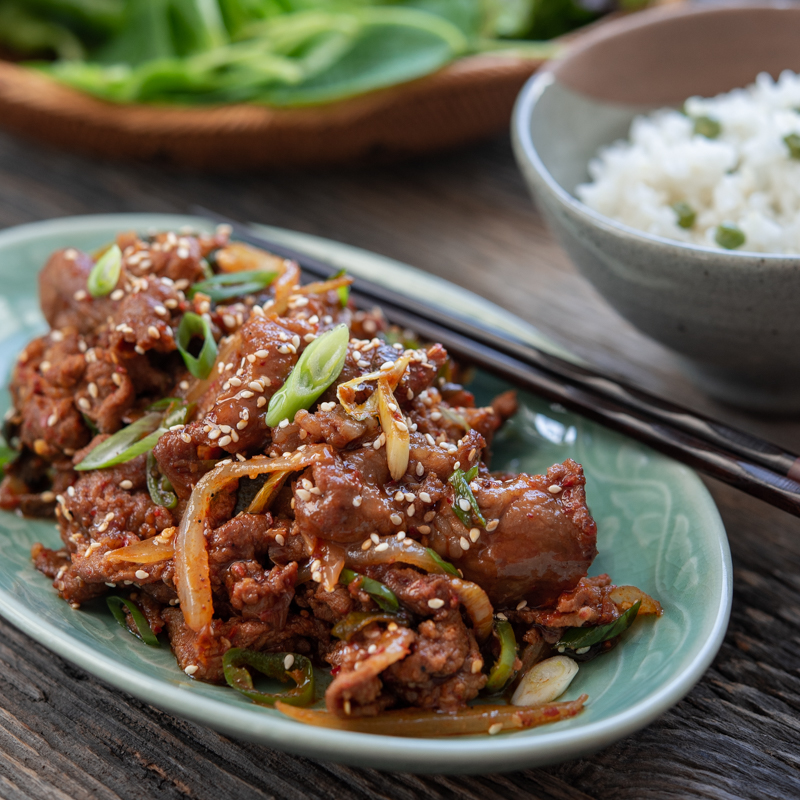
For pork bulgogi, thinly slice pork shoulder and toss with 2 tablespoons gochujang, 1 tablespoon Korean soy sauce, 1 teaspoon sugar, 1 clove minced garlic, and a splash of mirin. Cook quickly over high heat, letting the sugars caramelize. For dakgalbi (spicy chicken), use the same base sauce but replace pork with bite‑size chicken pieces and add sliced sweet potatoes and cabbage. The key is a balance: a little sweetness to tame the heat, and a touch of acidity (like rice vinegar) to brighten the flavors.
Is gochujang safe for seafood, like a shrimp stir‑fry?
Yes, but keep an eye on timing. Shrimp cook in 2–3 minutes, so add the gochujang sauce at the very end to avoid overcooking. Because the paste contains sugar, it can burn quickly if left on high heat too long. A quick splash of citrus (lime or lemon) right before serving adds a fresh contrast and keeps the dish from feeling overly sweet.
Noodles & Bowls
How do I use gochujang paste in noodles?
Two favorite styles:
- Spicy Gochujang Udon: Cook udon noodles, drain, and toss with a sauce of 2 tablespoons gochujang, 1 tablespoon soy sauce, 1 teaspoon sesame oil, and ½ cup warm broth. Top with sliced scallions and toasted sesame seeds.
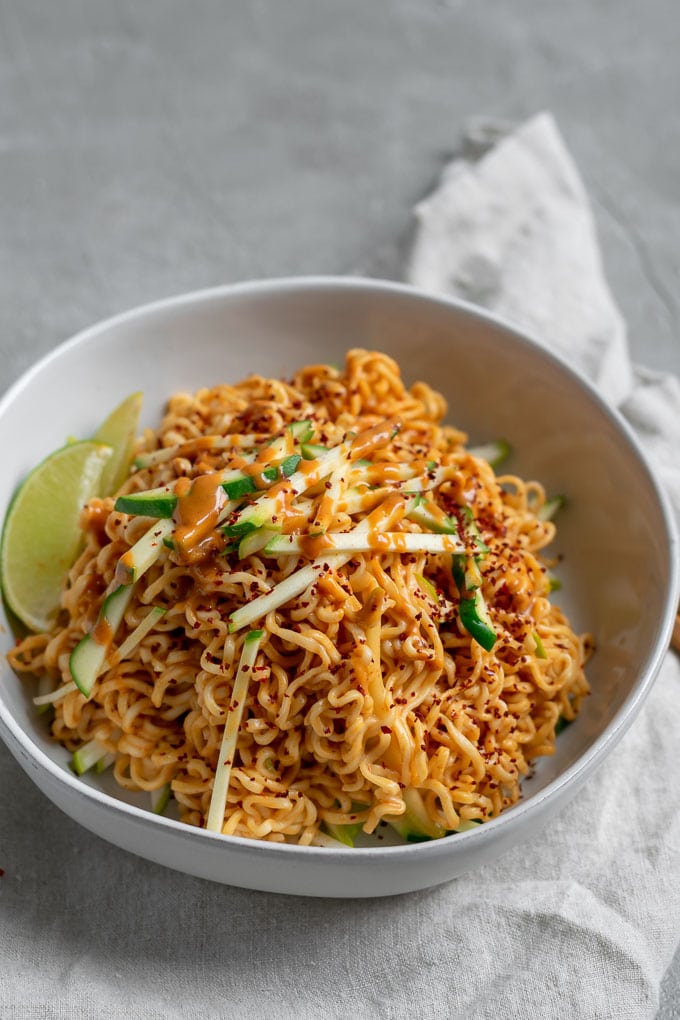
- Cold Gochujang Sesame Noodles: Whisk together 1 tablespoon gochujang, 2 tablespoons sesame paste, 1 tablespoon rice vinegar, 1 teaspoon honey, and enough cold water to make a pourable dressing. Mix with cooked, chilled spaghetti or somen noodles, then garnish with cucumber ribbons and crushed peanuts.
Can gochujang replace kimchi in a bibimbap bowl?
It won’t give you the same crunch, but the flavor profile works. Below is a quick comparison:
| Aspect | Kimchi | Gochujang Sauce |
|---|---|---|
| Texture | Fermented, crunchy | Smooth, saucy |
| Flavor | Sour, spicy, umami | Sweet‑spicy, umami |
| Prep Time | Days (fermentation) | Minutes |
Use gochujang as a drizzle over rice, sautéed veggies, and a fried egg for a quicker yet satisfying bibimbap experience.
What are easy rice‑bowl toppings that pair well with gochujang?
Here are five go‑to ideas:
- Fried or poached egg – the yolk adds richness that mellows the heat.
- Sautéed mushrooms with a splash of soy sauce.
- Pickled radish or cucumber for crunch.
- Toasted peanuts or sesame seeds for texture.
- A drizzle of extra gochujang sauce mixed with a bit of sesame oil.
Creative Twist Ideas
Can gochujang work in sweet‑spicy desserts?
Yes! Try gochujang chocolate truffles. Melt 8 ounces dark chocolate with ½ cup heavy cream, then stir in 1 teaspoon gochujang and a pinch of sea salt. Chill, roll into balls, and coat with cocoa powder. The result is a silky bite with a sneaky kick of heat that pleasantly surprises the palate.
How do I substitute gochujang paste in a recipe?
If you run out, blend 1 part sambal oelek, 1 part brown sugar, and 1 part soy sauce. Adjust the sugar level to taste. This gochujang paste substitute works well in marinades and sauces where the exact flavor isn’t critical, but you still want that sweet‑spicy backbone.
What are the health pros and cons of using gochujang paste?
Pros:
- Fermented peppers provide probiotics that support gut health.
- Rich in vitamin C and iron, especially when made with red pepper flakes.
Cons:
- Often high in sodium – a single tablespoon can contain up to 500 mg of salt.
- Contains added sugars and sometimes wheat, which may be a concern for low‑sugar or gluten‑free diets.
According to a study in the Journal of Food Science, moderate consumption of fermented sauces like gochujang can contribute beneficial antioxidants, but the sodium content should be balanced with other low‑salt foods.
Practical Tips & Tricks
How should I store gochujang paste for maximum shelf life?
Keep the jar tightly sealed and store it in the refrigerator after opening. In a cool fridge, it stays flavorful for 6–12 months. If you forget to refrigerate, the paste may darken and become overly pungent, though it’s still safe to eat.
What if my gochujang sauce is too salty or too thick?
Thin it with a splash of water, rice vinegar, or coconut milk to mellow the intensity. To cut excess salt, add a little honey or a pinch of sugar, then balance with fresh lime juice. Taste as you go – a tiny adjustment can make a big difference.
What are common mistakes beginners make with gochujang?
Here’s a quick checklist of don’ts:
- Don’t overheat the sauce; high heat can scorch the sugars.
- Don’t use the whole jar in one dish; start with a tablespoon and adjust.
- Don’t forget an acid (vinegar or citrus) to balance the sweet heat.
- Don’t assume it’s gluten‑free – many commercial brands contain wheat.
Conclusion
Gochujang paste is more than a mysterious Korean condiment – it’s a versatile, sweet‑spicy catalyst that can elevate stir‑fries, marinades, noodle dishes, and even desserts. By understanding its flavor balance, storing it properly, and using simple tricks to tame its heat or salt, you can confidently sprinkle gochujang into everyday meals without overthinking. Why not try the quick stir‑fry sauce tonight, or whip up those gochujang chocolate truffles for a surprising treat? The flavor adventure is yours to explore.
If you love the flavors of the sesame ginger chicken cheesecake factory style, this gochujang version adds a Korean kick that’s sure to impress. Grab a jar, experiment with one of the recipes above, and share your favorite gochujang creation with friends. Happy cooking!
FAQs
What are the quickest ways to add gochujang to a stir‑fry?
Mix 2 Tbsp gochujang, 1 Tbsp soy sauce, 1 tsp sesame oil, a minced garlic clove, and a splash of water. Pour over hot veggies and protein and stir until glossy—ready in under 5 minutes.
How can I make a simple gochujang dipping sauce for veggies?
Whisk equal parts gochujang, rice vinegar, and honey, then thin with water to a drizzling consistency. Finish with toasted sesame seeds for a tangy, sweet‑spicy dip.
Is gochujang safe to use with seafood like shrimp?
Yes. Add the gochujang sauce at the very end of cooking shrimp (2‑3 minutes) to avoid burning the sugars, and finish with a squeeze of lime for brightness.
Can gochujang be used in sweet dishes such as desserts?
Absolutely. Stir a teaspoon of gochujang into melted dark chocolate for truffles or fold it into a caramel drizzle for ice cream—sweet‑spicy treats that surprise the palate.
How should I store gochujang paste to keep its flavor fresh?
Keep the jar tightly sealed and refrigerate after opening. In a cool fridge it stays flavorful for 6‑12 months; avoid leaving it at room temperature for prolonged periods.