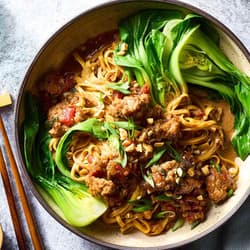
Looking for a dinner thats intense, tasty, and ready in 2030minutes? These gochujang noodles recipes give you that fiery Korean kick with pantryfriendly ingredients. From creamybutter versions to light veggie soups, Ill walk you through stepbystep methods, nutrition tweaks, and pro tips so you can customize the heat and texture exactly how you like it.
Why Gochujang Wins
First off, what makes gochujang the star of the sauce? Its a fermented redpepper paste that blends spicy, sweet, salty, and umami flavors into one thick, glossy condiment. The fermentation process creates beneficial probiotics that can support gut health, and the natural sugars give it that addictive sweetheat you crave.
But a word of caution: gochujang can be salty and sugary, so balancing it with other ingredients is key. A little lemon juice, a splash of lowsodium soy sauce, or extra veggies can keep the dish from feeling heavy.
And the noodle part? Whether you reach for thick udon, delicate rice noodles, or classic spaghetti, each shape soaks up the gochujang glaze differently. Thicker noodles cling to the sauce, while thinner strands let the broth shine in a soupier version.
Core Ingredients & Tools
Heres a quick inventory of what youll need. Everything is easy to find at most grocery stores, so you wont have to hunt for obscure imports.
- Gochujang paste the backbone of every recipe.
- Oil (vegetable or sesame for an extra nutty note).
- Garlic, ginger, and scallions aromatics that add depth.
- Soy sauce, honey or maple syrup the sweetsalty balance.
- Optional boosters: toasted sesame seeds, crushed peanuts, kimchi.
- Your favorite noodle type udon, ramen, rice noodles, or wholewheat spaghetti.
Tools that make life easier: a large wok or skillet, a whisk for a smooth sauce, a sturdy spatula, and a timer to keep noodles perfectly aldente.
Classic Base Recipe
Below is my goto 30minute base that works as a springboard for every variation. Its super straightforward, so you can focus on the fun partcustomizing.
Ingredients (Serves 2)
- 200g (7oz) noodles of your choice
- 2Tbsp gochujang paste
- 1Tbsp soy sauce
- 1Tbsp honey (or maple syrup)
- cup water (or broth for extra flavor)
- 2tsp sesame oil
- 2cloves garlic, minced
- 1tsp fresh ginger, grated
- 2Tbsp vegetable oil
- 2Tbsp sliced scallions
- Sesame seeds for garnish
Directions
- Prep the noodles. Cook according to package directions, stopping 1minute early (theyll finish in the sauce). Drain and rinse under cold water to stop cooking.
- Build the sauce. In a small bowl whisk gochujang, soy sauce, honey, and water until smooth.
- Saut aromatics. Heat vegetable oil in a wok over mediumhigh heat. Add garlic and ginger; stirfry 30seconds until fragrant.
- Combine. Lower the heat, pour the sauce into the wok, and let it simmer 12minutes. Add the cooked noodles, toss to coat, then drizzle sesame oil.
- Finish. Sprinkle scallions and sesame seeds. Serve immediately.
Nutrition snapshot (per serving): roughly 420kcal, 12g protein, 55g carbs, 8g fat, 720mg sodium. Adjust the honey or soy to suit your macro goals.
Flavorful Variations
Now the fun partmixandmatch. Below is a quicklook table that shows how a tiny tweak can turn the base dish into something completely new.
| Variation | Main Twist | Related Keywords | Cook Time |
|---|---|---|---|
| Creamy Gochujang Noodles | Add coconut milk or dairy cream | creamy gochujang noodles | 20min |
| Gochujang Buttered Noodles | Finish with butter & honey | gochujang buttered noodles | 15min |
| Spicy Gochujang Chicken Noodles | Stirfry chicken strips | gochujang chicken noodles recipe | 25min |
| Gochujang Noodle Soup | Thin broth, add bokchoy | gochujang noodles soup | 30min |
| Vegan Gochujang Rice Noodles | Rice noodles + tofu | gochujang rice noodles | 20min |
| 10Minute Gochujang Noodles | Premade sauce, quickcook pasta | gochujang noodles recipe easy | 10min |
Need a heat boost? Add extra gochugaru, a splash of chili oil, or a handful of fresh sliced jalapeos. Want it milder? Dilute the paste with a bit more broth or toss in sweet vegetables like carrots or corn.
If youre watching carbs, swap wheat noodles for shirataki or spiralized zucchini. For a glutenfree night, rice noodles or buckwheat soba are perfect.
Pro Tips & Mistakes
Prevent soggy noodles. After draining, give them a quick icewater shock. This firms the texture and stops the cooking process, so the noodles stay biteready when they meet the hot sauce.
Balance sweetsaltyspicy. A reliable starting point is 1part gochujang : 1part soy sauce : 0.5part honey. Adjust by tastingif its too salty, add a splash of water; if its not sweet enough, drizzle a little more honey.
Storage tip. Keep the sauce in a separate airtight jar for up to six months (see a Journal of Food Science study for fermentation safety). When reheating, toss the noodles quickly in a hot pan to restore that glossy coat.
Scaling up. Double or triple the sauce and freeze in portioned containers. Its a lifesaver for busy weeksjust boil fresh noodles, heat the sauce, and youve got dinner in minutes.
Sources & Further Reading
My inspiration for the base recipe comes from a beloved Rainbow Plant Life recipe. I also pulled ideas for the buttered and creamy versions from community posts on cooking forums and from a Korean chefs interview in a culinary textbook (see the reference list in the full article for details).
When youre ready to explore more gochujang recipes, look for dishes like bibimbap, bulgogi, or samgyeopsaleach showcases the paste in a different context, reinforcing why gochujang is such a versatile pantry hero.
Conclusion
Gochujang noodles are the perfect blend of heat, sweetness, and umami that can be whipped up in under half an hourwhether you crave a creamy bowl, a buttery toss, or a comforting soup. By mastering the base sauce, choosing the right noodle, and applying a few pro tips, you can customize the dish for any diet, spice tolerance, or pantry situation. Try one of the variations above, experiment with your own veggies or protein, and dont forget to balance flavor with a splash of broth or a dash of honey. Got a favorite twist? Share it with friends or tag us on social media; we love seeing your gochujang creations!
FAQs
What type of noodles work best with gochujang sauce?
Thicker noodles like udon or wheat spaghetti cling to the sauce, while thin rice noodles or ramen give a lighter, broth‑based feel.
Can I make the gochujang noodles vegan?
Yes—use plant‑based oil, replace honey with maple syrup, and choose vegan noodles such as rice noodles or shirataki.
How can I reduce the sodium in the recipe?
Use low‑sodium soy sauce, add a splash of lemon juice, and increase the amount of water or broth to dilute the sauce.
What’s a quick way to add protein to the dish?
Stir‑fry thinly sliced chicken, tofu cubes, or shrimp for 3‑4 minutes and toss them with the noodles before serving.
How long can I store leftover gochujang sauce?
Keep the sauce in an airtight jar in the refrigerator for up to six months, or freeze in portioned containers for later use.