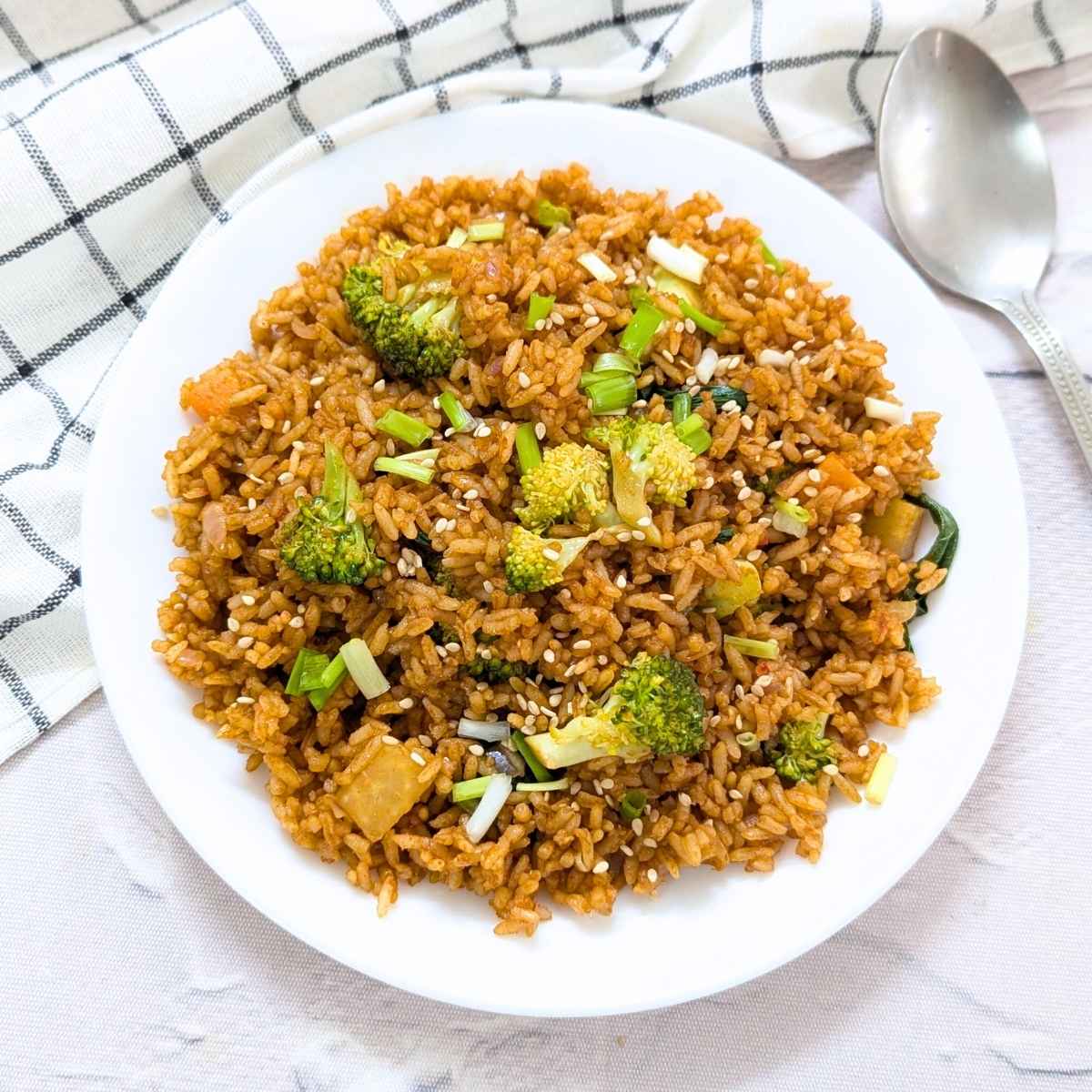
Imagine pulling a skillet off the stove and being greeted by a cloud of sweet‑spicy aroma that instantly makes your stomach rumble. In under ten minutes you can have a bowl of gochujang fried rice vegetarian that’s bright, hearty, and totally satisfying—no meat, no fuss, just pure comfort. This isn’t a “maybe try later” recipe; it’s a quick‑fix superhero for those nights when you’re hungry, pressed for time, and still want something nutritious.
Why This Recipe Works
Because it hits three sweet spots at once: flavor, nutrition, and speed. The fermented Korean chili paste gochujang supplies a deep umami punch plus a modest dose of probiotics, while day‑old brown rice gives the dish a satisfying chew and a boost of fiber. Toss in a handful of frozen vegetables, and you’ve got a balanced meal that feels indulgent without the guilt.
Wondering is gochujang vegetarian? Absolutely—its fermentation process doesn’t involve any animal products, making it perfect for plant‑based cooking.
Skipping this recipe could mean falling back on bland microwaved leftovers or, worse, ordering takeout that’s heavy on sodium and empty calories. With just a few pantry staples, you can transform a regular weekday into a mini Korean street‑food adventure.
Ingredients & Tools
| Ingredient | Quantity | Why it matters |
|---|---|---|
| Cooked brown rice (day‑old) | 2 cups | Fluffier texture; less sticky than fresh rice |
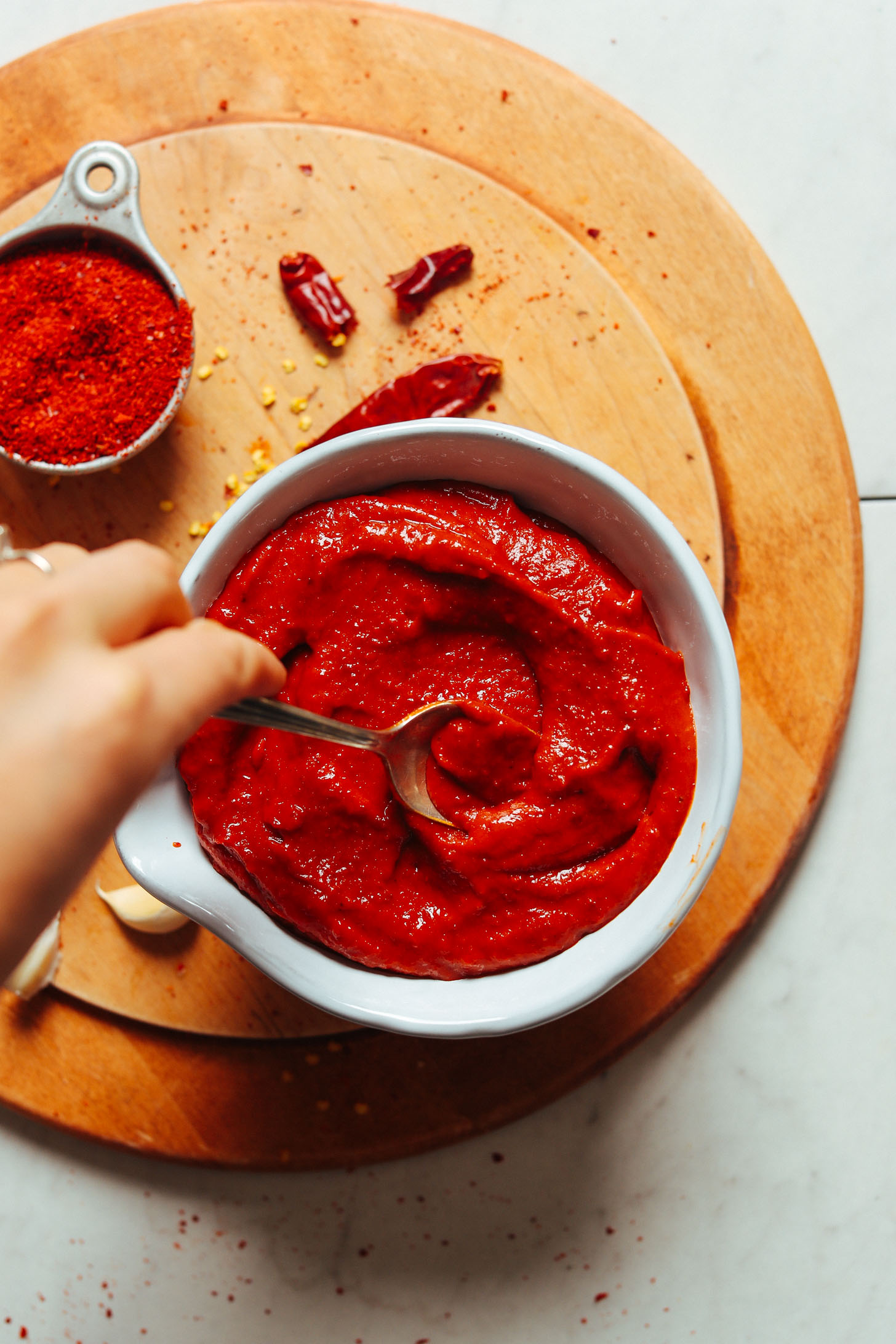
| Gochujang paste | 2 tbsp | Core sweet‑spicy flavor; fermented goodness |
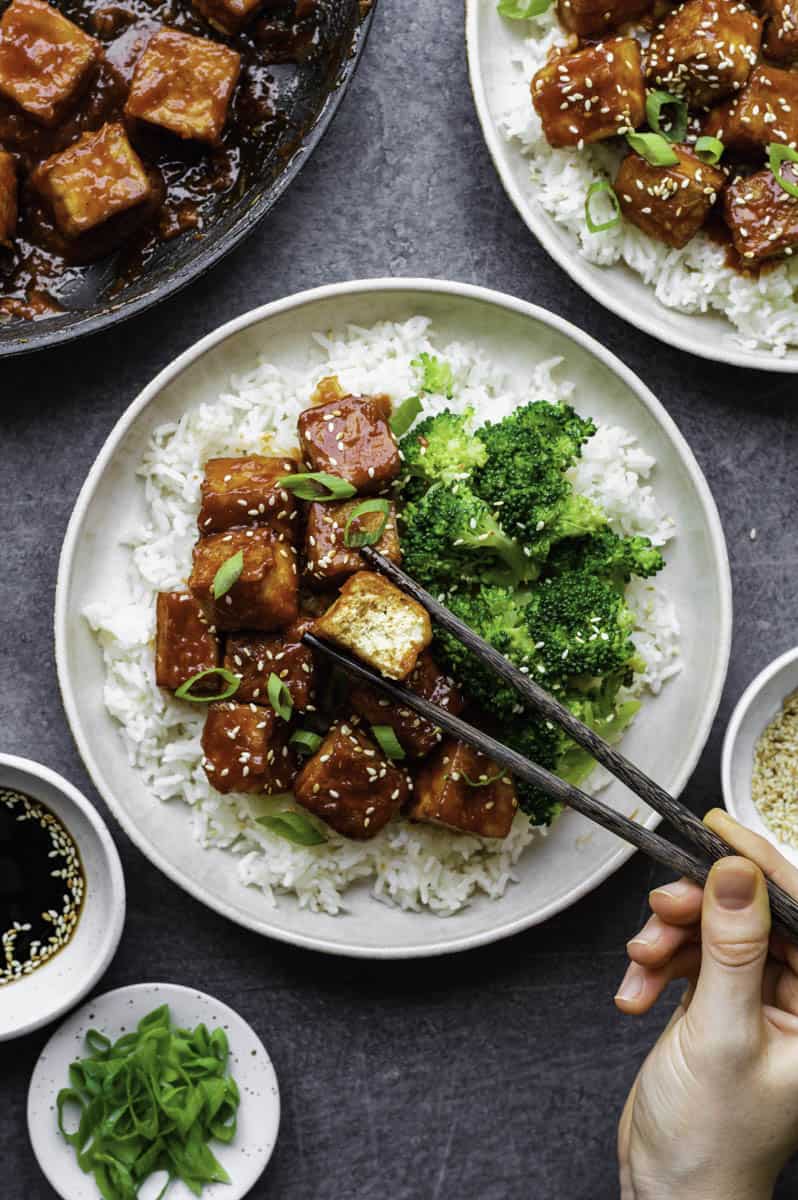
| Vegetarian spam or firm tofu, diced | ½ cup | Plant‑based protein that soaks up sauce |
| Frozen mixed vegetables (peas, carrots, corn) | 1 cup | Quick, nutritious, and adds color |
| Garlic, minced | 1 tsp | Sharp aromatics that cut through the richness |
| Fresh ginger, grated | ½ tsp | Bright, slightly peppery bite |
| Soy sauce (low‑sodium) | 1 tbsp | Umami balance without overwhelming salt |
| Sesame oil | 1 tsp | Nutty finish that ties everything together |
| Green onions, sliced | 2 tbsp | Fresh crunch and visual pop |
| Toasted sesame seeds | 1 tsp | Extra texture and subtle earthiness |
Tools you’ll need: a large wok or nonstick skillet, wooden spatula, measuring spoons, and a rice cooker (or a pot if you precook rice ahead of time).
Cooking Steps
Prep the Rice & Veggies
If you’re using fresh‑cooked rice, spread it on a baking sheet for 10 minutes so it dries out a bit—this prevents soggy fried rice. Frozen veggies can go straight from the freezer to the pan; they’ll stay crisp because the cold shock seals in moisture.
Make the Gochujang Sauce
In a small bowl, whisk together the gochujang, soy sauce, sesame oil, and a pinch of sugar (or honey, if you like a hint of sweetness). Taste and tweak—add a splash of water if you prefer a thinner glaze, or a dash more gochujang for extra heat.
Stir‑Fry the Aromatics
Heat a tablespoon of neutral oil over medium‑high heat. Toss in the minced garlic and grated ginger; let them sizzle for 20‑30 seconds until your kitchen smells like a Korean market stall.
Add Veggies & Protein
Slide the frozen mixed vegetables into the pan. Stir‑fry for 3‑4 minutes, just until they’re bright and still have a bite. Then stir in the diced vegetarian spam or tofu, letting it brown slightly—this adds a wonderful caramelized edge.
Combine Rice & Sauce
Push the veggies and protein to one side of the wok. Add the day‑old rice, breaking up any clumps with your spatula. Pour the gochujang sauce over the rice, then toss everything together vigorously. The rice should coat evenly, turning a deep, inviting red‑orange.
Finish & Serve
Turn off the heat, sprinkle sliced green onions and toasted sesame seeds on top, and give one last quick stir. For a little extra zing, drizzle a few drops of additional sesame oil or a squeeze of lime if you’re feeling adventurous.
Optional Twists
- Gochujang Chicken Fried Rice: Replace the vegetarian spam with thinly sliced chicken breast.
- Gochujang Beef Fried Rice: Use quick‑cook beef strips and finish with a splash of beef broth.
- Gochujang Rice Bowl: Serve the fried rice over a bed of fresh spinach, top with a fried egg for the classic gochujang rice and egg combo.
- Gochujang Baked Rice: Mix the sauce with rice, spread in a baking dish, and bake at 375°F for 15 minutes for a crunchy top.
- Gochujang Pasta: Swap the rice for al dente noodles and follow a gochujang pasta recipe vegetarian for a comforting twist.
Nutrition & Health
One serving (about 1 ⅔ cups) clocks in at roughly 350‑400 calories, delivering 12 g of protein, 7 g of fiber, and a respectable dose of vitamins A and C from the veggies. The fermented gochujang offers probiotic benefits that support gut health, while the modest amount of sesame oil supplies heart‑friendly monounsaturated fats.
However, be mindful of sodium: both gochujang and soy sauce can be salty. If you’re watching your sodium intake, opt for a low‑sodium soy sauce and look for reduced‑salt gochujang brands (many Korean specialty stores label them clearly). Balancing flavor with health is the secret sauce of any great dish.
Real‑World Stories
I first tried this recipe on a rainy Tuesday when my pantry was looking a little sad. I grabbed a bag of frozen veggies, a leftover block of brown rice, and the gochujang I’d saved from a previous Korean feast. Within ten minutes I had a bowl that tasted like I ordered takeout, but I’m actually good at cooking! My roommate, a self‑confessed meat‑lover, asked for seconds and swore he’d never try a vegetarian dish again.
In the r/EatCheapAndVegan community, members have been swapping variations for months. One user posted that swapping the brown rice for quinoa gave the dish an extra protein punch without changing the flavor profile. Another shared a meal‑prep version: make a big batch on Sunday, portion into containers, and simply reheat with a splash of soy sauce during the workweek. If you love Korean street food, you might also enjoy our vegetarian japchae guide.
Troubleshooting Tips
Rice Is Too Soft
Day‑old rice is key. If you only have freshly cooked rice, spread it on a tray, let it air‑dry for at least 15 minutes, or pop it in the fridge for 20‑30 minutes before frying.
Sauce Is Too Thick or Thin
Adjust with water (for thinning) or extra gochujang (for thickening). Remember, the sauce should lightly coat each grain—not drown them.
Veggies Fall Apart
High heat is your friend. Keep the pan hot, and stir quickly. Adding the veggies straight from the freezer helps them sear rather than steam.
Meal Is Too Salty
Rinse the cooked rice briefly under cold water before frying; this can remove some surface starch that binds extra salt. Also, use low‑sodium soy sauce and taste before adding more salt.
Pro Chef’s Secret
If you have a wok, give it a quick season by heating it empty for a minute, wiping it with a thin oil layer, then proceed with the recipe. This creates a natural nonstick surface that prevents sticking and adds a subtle toasted flavor.
Wrap‑Up & Next Steps
There you have it—a wholesome, vibrant, and outrageously tasty gochujang fried rice vegetarian that can be on your table in under five minutes. The beauty of this dish is its flexibility: swap proteins, play with veggies, change the level of heat, and you’ll never get bored. Give it a try tonight, and notice how a simple pantry staple can become a conversation starter at your dinner table.
Feel inspired? Grab a bowl, snap a photo, and share it with a friend who’s always skeptical about veggie meals. You might just convert another meat‑lover, or at the very least, give them a reason to ask for the recipe. Happy cooking, and remember—great food is only a skillet away.
FAQs
How can I keep the rice from getting mushy when making fried rice?
Use day‑old cooked rice or spread freshly cooked rice on a tray to dry for at least 15 minutes (or refrigerate for 20‑30 minutes). This reduces moisture and gives each grain a firmer texture.
Can I substitute fresh vegetables for the frozen mix?
Absolutely! Chop fresh veggies into bite‑size pieces and stir‑fry them just a minute longer to ensure they stay crisp. Adding them straight from the freezer actually helps them sear and stay vivid.
What’s a good gluten‑free alternative to soy sauce?
Tamari or liquid aminos work perfectly as a low‑sodium, gluten‑free substitute. Use the same amount as you would soy sauce and adjust to taste.
How spicy is gochujang and can I control the heat level?
Gochujang delivers a moderate heat with a sweet‑spicy balance. For milder flavor, start with 1 ½ tbsp and add more gradually. For extra heat, increase to 2 ½ tbsp or mix in a dash of Korean chili flakes (gochugaru).
Is this recipe vegan if I use vegetarian spam?
Yes—choose a plant‑based “spam” made from soy or wheat gluten, or simply replace it with firm tofu or tempeh. Both soak up the sauce and keep the dish fully vegan.