Short answer: most people with diabetes can comfortably enjoy 23 servings of canned tuna each week (about 34oz per serving) as long as they pick lowsodium, waterpacked varieties and keep the sides lowcarb. Why? Tuna is lowglycemic, packed with protein and heartfriendly omega3s, but the devil is in the detailsportion size, sodium, and how its prepared matter for bloodsugar control.
Lets dive in, friendtofriend, and figure out the sweet spot for tuna on your plate without turning your diet into a guessing game.
Why Tuna Works
Nutrition Snapshot
Heres a quick look at what you actually get from a typical 3oz (85g) serving.
| Type | Calories | Protein (g) | Carbs (g) | Total Fat (g) | EPA/DHA (mg) |
|---|---|---|---|---|---|
| Waterpacked canned | 100 | 22 | 0 | 1 | 250 |
| Oilpacked canned | 140 | 22 | 0 | 5 | 300 |
| Fresh grilled | 120 | 25 | 0 | 2 | 350 |
Low Glycemic Impact
Tuna contains virtually no carbohydrates, so it barely nudges your bloodsugar levels. The American Diabetes Association notes that proteinrich foods like tuna are excellent for stabilizing glucose because they slow digestion and keep you full longer.
Beyond Blood Sugar
Omega3 fatty acids (EPA and DHA) in tuna help lower triglycerides and support heart healthsomething especially important for many living with diabetes. Think of it as a twoinone win: steady glucose and a happier ticker.
How Much Is Safe?
Guidelines from the Experts
The USDA and ADA both recommend at least two servings of oily fish per week. Translating that to tuna means about 23 cans (3oz each) spread across the week. This keeps you within the safe mercury limit while still reaping the nutritional benefits.
PortionSize Cheat Sheet
Imagine the size of your palm thats roughly one 3oz can of tuna. If youre snapping open a can, thats your serving. Want a visual cue? Two cans a week is about the size of two decks of cards.
Personal Factors to Consider
Age, activity level, medications, and kidney function can all shift the ideal amount. For example, someone on a lowprotein kidney diet may need to scale back a bit, whereas an active person could handle the upper end of the range without a hitch.
Choosing the Best Tuna
Water vs. Oil
Waterpacked tuna is the clear winner for most diabeticsfewer calories and less fat, while still delivering the protein punch. Oilpacked isnt bad, but youll be adding extra calories and fats that could sneak up on you.
LowSodium, BPAFree Brands
Here are five brands that consistently score low on sodium (150mg per 3oz) and use BPAfree cans:
- Wild Planet
- Safe Catch
- American Tuna
- Starkist Pure Tuna
- Healthwise
Scanning the label for no added salt or low sodium can save you from an unexpected sodium spike that might affect blood pressure.
Fresh vs. Frozen
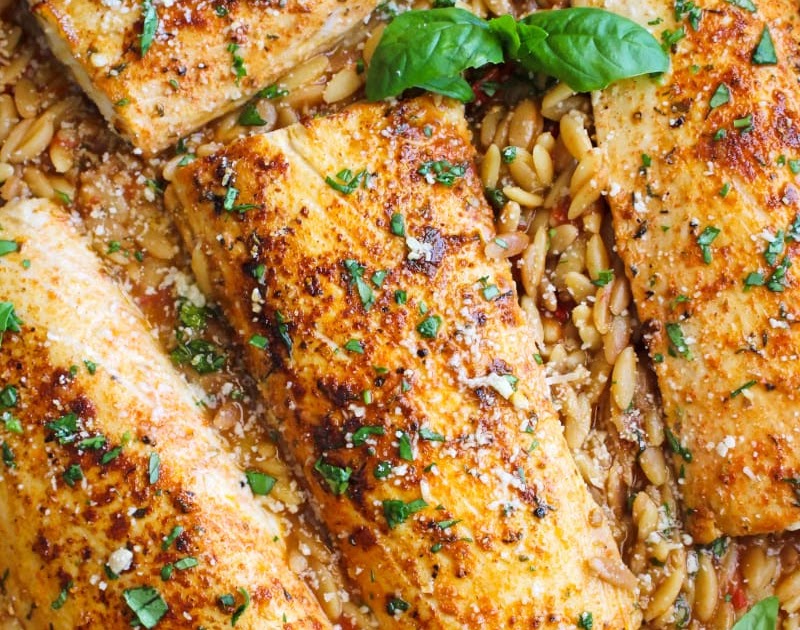
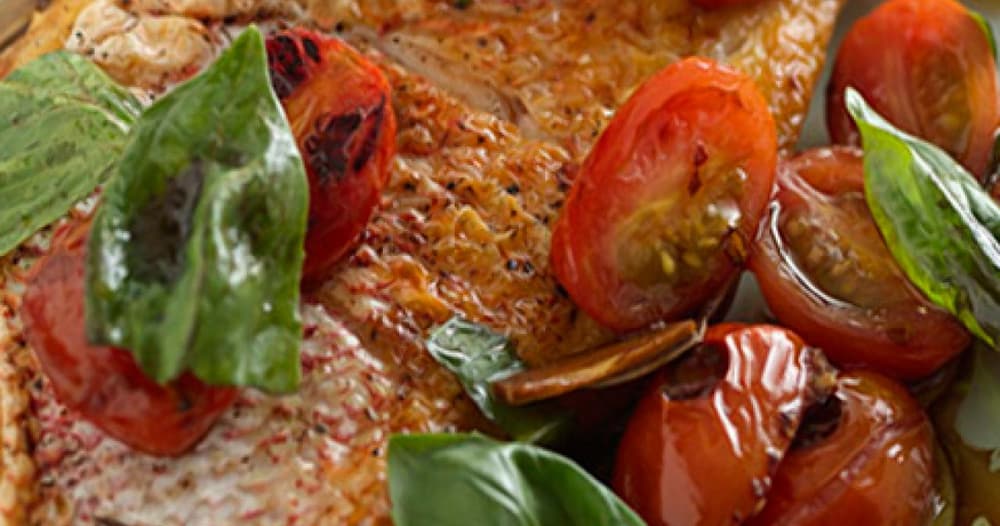
If you enjoy cooking, fresh or frozen tuna steaks are excellent when grilled or baked. Just remember to season with herbs, lemon, or a dash of olive oilavoid sugary marinades.
Pairings & Meal Ideas
Can Diabetics Eat Tuna with Mayo?
Yes, as long as you keep the mayo light. A tablespoon of light mayo adds about 30 calories and a modest amount of fat. If you want to go extrafriendly, swap half the mayo for plain Greek yogurtcreamy, tangy, and an extra boost of protein.
Quick Tuna Salad
Mix a can of waterpacked tuna with diced celery, a spoonful of Greek yogurt, a squeeze of lemon, and a pinch of black pepper. Serve on a bed of mixed greens for a lowcarb, highprotein lunch.
Seafood Bowl without the Guilt
Build a bowl with a 3oz tuna portion, shredded cabbage, sliced avocado, cherry tomatoes, and a drizzle of oliveoillemon dressing. Under 350 calories, loads of fiber, and zero added sugar.
What to Skip
Avoid sweetened sauces, sugary dressings, and crunchy croutons. Those hidden carbs can turn a healthy tuna dish into a bloodsugar spike.
Risks & Red Flags
Mercury Concerns
Large predatory fish can accumulate mercury. The FDA warns that adults should limit highmercury fish like albacore tuna to about 6oz per week. Sticking to the 233oz servings keeps you well within safe limits.
Sodium Overload
Some canned brands cram in 300400mg of sodium per serving. For a diabetic watching blood pressure, thats a lot. Choose the lowsodium options listed earlier, or rinse the canned fish briefly under cold water to cut the salt.
Allergies & Histamine
Rare, but some folks experience histamine reactions from improperly stored tuna. If you notice flushing, itching, or a headache after a can, it might be time to doublecheck the expiration date and storage conditions.
Tuna vs. Other Seafood
Which Fish Is Best for Diabetes?
| Fish | Protein (g/100g) | Omega3 (mg) | Mercury Level |
|---|---|---|---|
| Salmon | 20 | 2500 | Low |
| Mackerel | 19 | 3000 | Moderate |
| Sardines | 25 | 2200 | Low |
| Albacore Tuna | 23 | 350 | Higher |
| Skipjack Tuna | 22 | 200 | Low |
All of these are great, but tuna (especially skipjack) stays lowmercury and budgetfriendly, making it a goto for many.
Is Fried Fish Ever Okay?
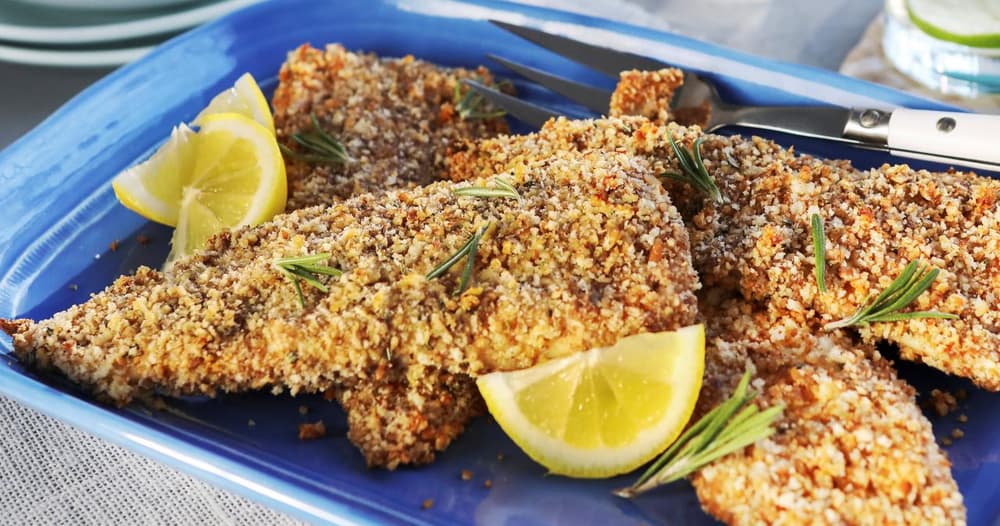
Deepfried fish adds breading, extra oil, and hidden carbsall of which can spike blood sugar and add unwanted calories. If you crave that crispy texture, try ovenbaking with a light spray of oil and a breadcrumb alternative like almond flour.
What Seafood to Avoid
- Breaded or heavily battered fish sticks
- Fish in sugary sauces (sweetandsour, teriyaki glaze)
- Shellfish dishes drenched in butter or creamy sauces
- Highsodium canned mixes with added flavor packets
Practical Tips for Everyday Life
Plan Your Weekly Tuna Intake
Put a reminder on your phone: 2 cans of tuna this week. Then, when groceries come around, grab the lowsodium brand you trust. Pair it with fresh veggies and a wholegrain side for a balanced meal.
Swap Mayo Thoughtfully
When a recipe calls for mayo, halve it with Greek yogurt or use mashed avocado. Youll keep the creamy feel while cutting calories and adding healthy fats.
Enjoy a Seafood BoilDiabetic Friendly
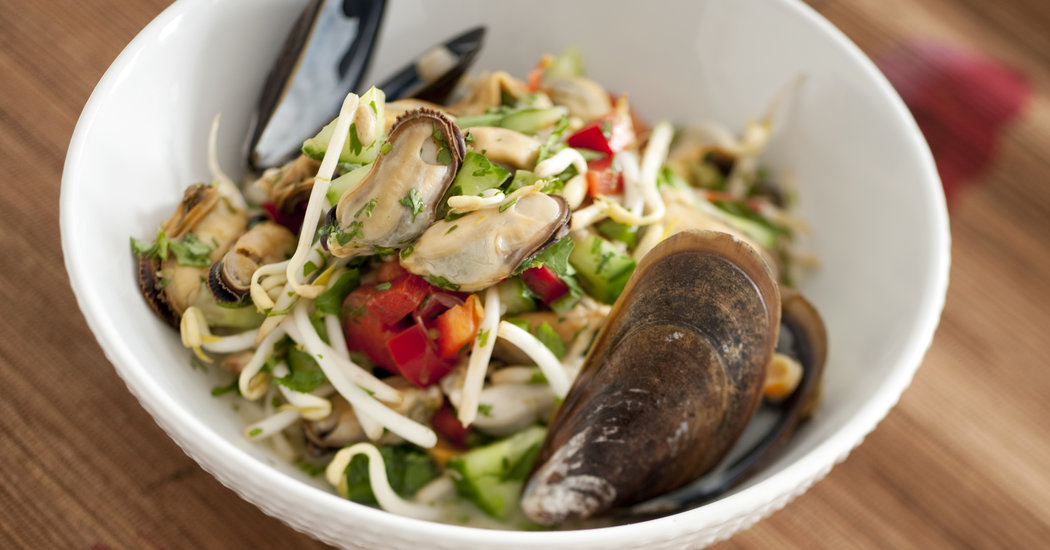
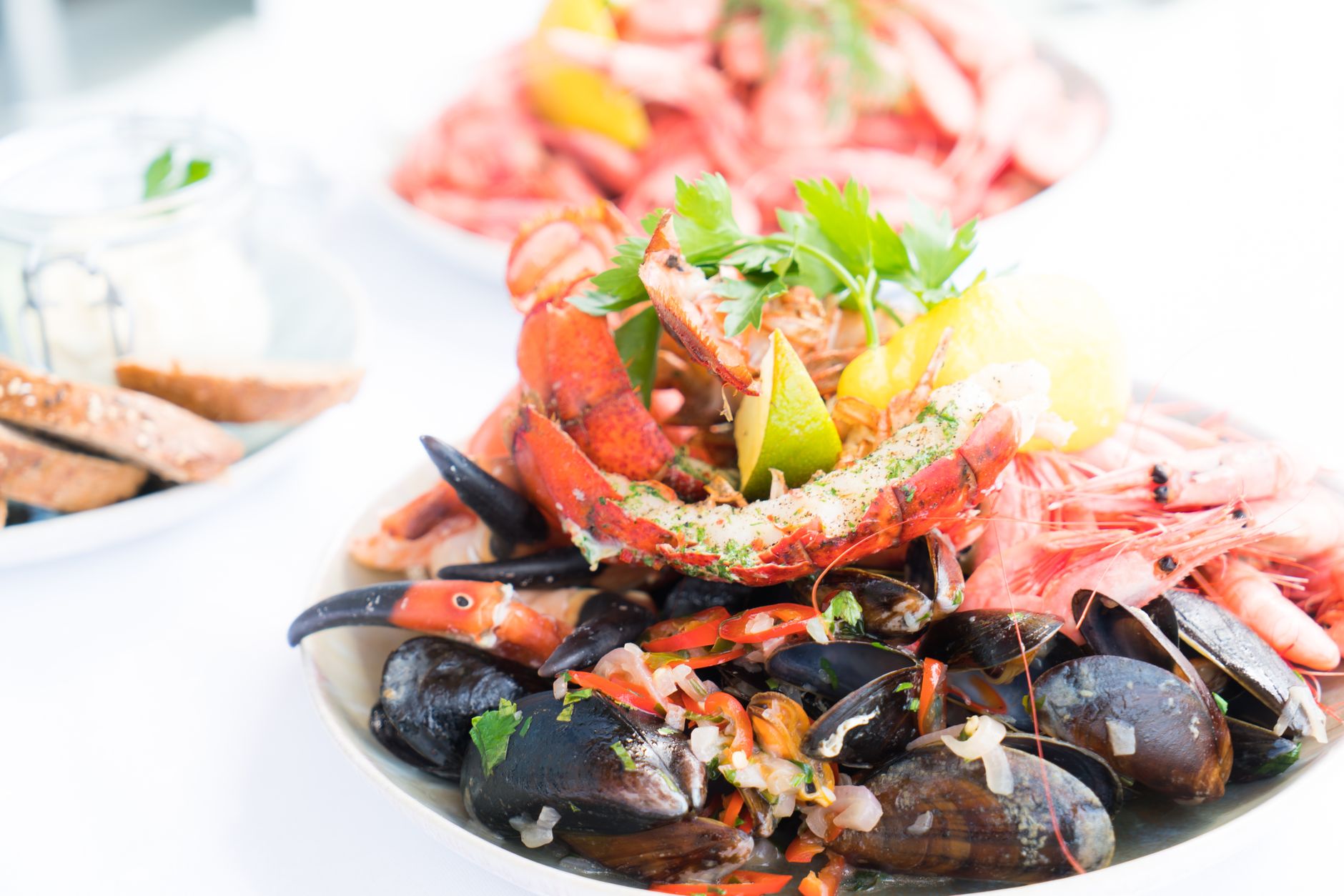
Yes, you can love a seafood boil! Skip the butterladen dipping sauces, and season the broth with garlic, lemon, and fresh herbs. Load up on shrimp, mussels, and a modest portion of tuna for a festive, lowcarb feast.
Bottom Line
In a nutshell, aim for 23 servings of 3oz waterpacked tuna each week, choose lowsodium brands, and pair it with plenty of nonstarchy veggies. This approach gives you the protein and omega3 benefits without overloading on mercury, sodium, or hidden carbs. Remember, every body is different, so listen to yours and adjust as needed.
Feeling inspired? Grab a can, try one of the quick salad ideas, and see how your energy feels. If you have questions or want a personalized plan, dont hesitate to reach out to a registered dietitianyour health journey deserves that extra bit of support.
FAQs
How many servings of tuna can a diabetic safely eat each week?
Most diabetes guidelines suggest up to about 23 × 3 oz cans (roughly 34 oz total) per week if you choose low‑sodium, water‑packed tuna. This amount stays within safe mercury limits while providing protein and omega‑3s.
Which type of tuna is best for blood‑sugar control?
Water‑packed canned tuna is the top choice because it’s low in calories and fat, contains virtually no carbs, and delivers the same protein punch as oil‑packed varieties.
Is there a sodium limit I should watch when eating canned tuna?
Yes. Aim for brands with ≤150 mg of sodium per 3 oz serving. If a can is higher, rinse it under cold water before using to cut the sodium by up to 40 %.
Should I worry about mercury when I eat tuna regularly?
Large predatory fish have higher mercury. Stick to skipjack or canned light tuna, which are low‑mercury, and keep total intake around the 23‑serving weekly guideline to stay well below FDA limits.
Can I mix tuna with mayonnaise and still keep it diabetic‑friendly?
Absolutely—just use light mayo or blend half the mayo with plain Greek yogurt. One tablespoon adds only about 30 calories and a modest amount of fat while boosting protein.