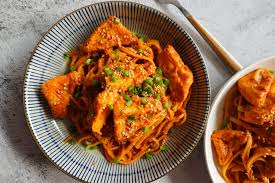
Looking for a quick, flavor‑packed dinner that’s 100% vegetarian? You’ve just stumbled on the answer. In under fifteen minutes you can whisk together a silky sauce that’s tangy, umami‑rich, and has just enough heat to make your taste buds do a happy dance. No cream, no fuss—just pantry staples, a splash of plant‑based milk or coconut, and that magical Korean red paste called gochujang.
Whether you’re feeding a busy family, prepping a solo lunch for the office, or just craving a comforting bowl after a long day, this gochujang pasta recipe vegetarian is designed to be easy, nutritious, and utterly satisfying. Ready to dive in? Let’s get cooking!
Why It Works
What makes gochujang a great pasta base?
Fermentation gives depth
Gochujang is a fermented chili paste, which means it’s packed with natural umami and a subtle sour note that mimics the richness you usually get from dairy. The fermentation process breaks down proteins into amino acids, creating a savory backdrop that makes even simple noodles feel luxurious.
Natural heat balances flavor
The mild to medium spice from gochujang adds a gentle warmth without overwhelming the dish. That heat can actually boost metabolism in small doses, and it pairs beautifully with the sweetness of a splash of plant‑based milk or coconut cream.
Health perks of a vegetarian version
Lower saturated fat
Skipping heavy cream cuts down saturated fat dramatically. Instead, you get the creamy texture from coconut milk, oat milk, or blended silken tofu—all of which contain healthier fats that support heart health.
Plant‑based protein boost
By adding chickpeas, edamame, or tofu you give the meal a solid protein punch without the cholesterol that comes with chicken or beef. This keeps the dish filling and perfect for active lifestyles.
Looking for a complementary side? Our vegetarian japchae is a quick stir‑fried noodle dish that pairs wonderfully with this creamy pasta.
Possible downsides and how to fix them
Sodium content
Gochujang can be salty, especially if you choose a brand that adds extra salt. Look for low‑sodium versions or rinse the paste briefly under water before using. A splash of unsalted vegetable broth can also dilute the salt while keeping the flavor intense.
Heat tolerance
If you’re not a spice lover, start with just a teaspoon of gochujang and taste as you go. You can always add more, but you can’t take it out! Adding a bit more coconut milk or oat milk will mellow the heat if it gets too fiery.
Ingredients & Swaps
Core ingredients
What you’ll need
- 10 oz (300 g) pasta (penne, rigatoni, or fusilli work best)
- 2 Tbsp gochujang paste (look for a low‑sodium, gluten‑free brand)
- 1 cup plant‑based milk or coconut milk
- 2 cloves garlic, minced
- 1 small onion, finely diced
- 2 Tbsp soy sauce or tamari
- 1 Tbsp sesame oil
- ½ cup reserved pasta water
- Optional: ½ cup cooked chickpeas or edamame for extra protein
- Garnish: toasted sesame seeds, sliced green onions, lime zest
Cream alternatives
Go dairy‑free without sacrificing creaminess
Here are the most popular swaps, each bringing a different vibe to the dish:
- Coconut milk gives a subtle tropical sweetness and a rich mouthfeel (gochujang pasta coconut milk).
- Silken tofu blended into the sauce for a protein boost and ultra‑smooth texture.
- Oat or almond milk lightens the sauce while still delivering that creamy coat (gochujang pasta with milk).
- No‑cream version simply use vegetable broth and a splash of pasta water for a silky gochujang pasta without cream finish.
Optional add‑ins
Give it extra texture and nutrition
Feel free to toss in roasted red peppers, sautéed mushrooms, or a handful of spinach for extra color. If you’re not strictly vegetarian, grilled chicken strips (gochujang pasta with chicken) are a quick protein upgrade.
Step‑by‑Step
15‑Minute workflow
Quick, numbered instructions
- Bring a large pot of salted water to a boil. Cook the pasta al dente according to package directions, then reserve ½ cup of the cooking water and drain.
- While the pasta cooks, heat sesame oil in a large skillet over medium heat. Add the minced garlic and diced onion; sauté until fragrant and the onion becomes translucent, about 2 minutes.
- Stir in the gochujang paste and soy sauce. Cook for 30 seconds, allowing the paste to release its aroma.
- Pour in your chosen plant‑based milk (or blend silken tofu with a splash of water) and bring to a gentle simmer. Let it thicken for 2–3 minutes.
- Add the cooked pasta and reserved pasta water to the sauce. Toss everything together until the noodles are evenly coated and the sauce glazes the pasta.
- Finish with lime zest, toasted sesame seeds, and sliced green onions. Serve hot and enjoy!
Variations
Tailor the sauce to your taste
Coconut‑milk version: Use a full cup of coconut milk and let the sauce simmer a bit longer to thicken. The slight sweetness will balance the gochujang heat beautifully.
Silken‑tofu version: Blend ½ cup silken tofu with ½ cup water until smooth, then stir it into the skillet after adding the gochujang. This creates a protein‑rich, velvety sauce.
No‑cream broth version: Replace the milk with 1 cup low‑sodium vegetable broth. Add extra pasta water if the sauce seems thin—the starch in the water helps it cling to the noodles.
Nutrition Snapshot
Macro breakdown per serving
Approximate values (based on USDA FoodData Central)
Calories: 420 kcal | Protein: 14 g | Fat: 12 g (mostly healthy fats) | Carbohydrates: 66 g | Sodium: 560 mg (adjustable with low‑sodium gochujang).
Fit into a vegetarian diet
Balancing the plate
This meal supplies a solid dose of complex carbs, plant‑based protein, and essential micronutrients like iron from the pasta and potassium from the coconut milk. Pair it with a crisp side salad for extra fiber and vitamins.
Customizing for goals
Adjustments for athletes or weight‑watchers
Want more protein? Add a cup of cooked lentils or extra chickpeas. Need fewer carbs? Swap half the pasta for spiralized zucchini noodles. The recipe is flexible enough to suit any nutrition plan.
Comparison Table
| Version | Cream Base | Prep Time | Protein (g) | Sodium (mg) | Rating (1‑5) |
|---|---|---|---|---|---|
| Classic | Coconut milk | 15 min | 12 | 520 | 4.8 |
| Tofu‑rich | Silken tofu | 18 min | 18 | 480 | 4.6 |
| Milk‑only | Oat/almond milk | 14 min | 10 | 460 | 4.4 |
| No‑cream | Veg broth + water | 12 min | 9 | 410 | 4.2 |
Real‑World Stories
My first try
A rainy Tuesday revelation
I was stuck indoors on a dreary Tuesday night, rummaging through my pantry for something comforting. I grabbed a jar of gochujang I’d bought on a whim, a bag of penne, and a can of coconut milk. Within fifteen minutes, the kitchen smelled like a Korean street stall, and my roommates swore it was the best thing they’d ever tasted. That night proved to me that great meals don’t need hours of prep—just curiosity and a dash of bravery.
Community feedback
Redditors share their twists
On r/vegetarian, many users report swapping the pasta shape to fusilli for better sauce grip, while others love tossing in roasted cauliflower florets. One member even added a spoonful of miso paste for an extra umami layer, calling it the ultimate comfort bowl. The diversity of ideas shows how adaptable the base recipe truly is. If you’re hunting for more inspiration, check out our collection of easy recipes with gochujang vegetarian.
Kid‑friendly tweaks
Mildening the heat for little palates
If you’re cooking for kids, simply halve the gochujang and finish the sauce with a splash of extra coconut milk. A quick drizzle of maple syrup can also soften the spice while adding a subtle sweetness that kids adore.
Tips & Tricks
Common problems
Watery sauce? Too spicy?
Too watery? Add a little more reserved pasta water—the starch will bind the sauce. Overly spicy? Whisk in an extra tablespoon of milk or a drizzle of maple syrup. Remember, you can always adjust, but you can’t undo a misstep, so taste as you go.
Storage & reheating
Keep it fresh for leftovers
The dish stores beautifully in an airtight container for up to three days in the fridge. When reheating, add a splash of water or plant milk to revive the creaminess, then heat gently on the stove or in the microwave.
Where to Buy
Best gochujang brands
Quality matters
Look for brands that list fermented chilies as the first ingredient and avoid added sugars. Popular choices include Chung Jung One and Mother‑in‑Laws (both offer low‑sodium options). For a truly artisanal experience, check out Korean specialty stores or the international aisle of your local grocery.
Buying tips
Read the label
Choose a gochujang that is gluten‑free and has less than 1% added salt. A quick glance at the ingredient list will tell you if it’s made with traditional fermentation or just a hot sauce with colorants. Wondering is gochujang vegetarian? Look for the “no animal‑derived ingredients” claim on the label.
Final Thoughts
There you have it—a vibrant, creamy, and spicy gochujang pasta recipe vegetarian that fits into a busy lifestyle without compromising on flavor or nutrition. By swapping dairy for plant‑based milks, adjusting the heat to your liking, and adding protein‑rich beans or tofu, you create a dish that’s both comforting and wholesome. Give it a try tonight, share your own twists with friends, and let this simple bowl become a staple in your kitchen. Bon appétit!
FAQs
What can I substitute for gochujang if I can’t find it?
You can blend Korean chili powder (gochugaru) with a splash of soy sauce, a teaspoon of miso, and a drizzle of honey or maple syrup to approximate the sweet‑spicy, umami flavor.
Can I make this dish gluten‑free?
Yes—swap regular pasta for gluten‑free varieties such as rice, corn, or lentil‑based noodles. Just follow the same cooking time guidelines on the package.
How do I reduce the sodium level without losing flavor?
Use a low‑sodium gochujang or rinse the paste briefly. Replace regular soy sauce with reduced‑salt tamari and add unsalted vegetable broth to thin the sauce if needed.
Is it possible to add more protein while keeping it vegetarian?
Absolutely. Toss in cooked chickpeas, edamame, cubed tempeh, or blended silken tofu for an extra protein boost without altering the flavor profile.
What’s the best way to reheat leftovers?
Place the pasta in a skillet with a splash of plant‑based milk or water, heat gently over medium‑low, and stir until the sauce becomes silky again. Microwaving works too—just add a little liquid first.