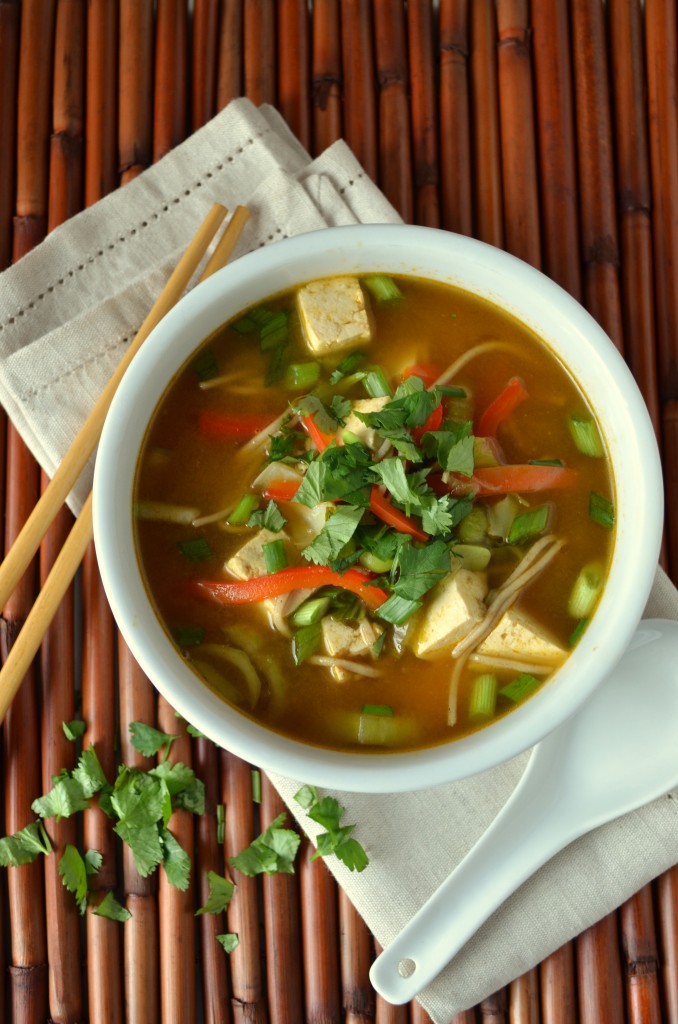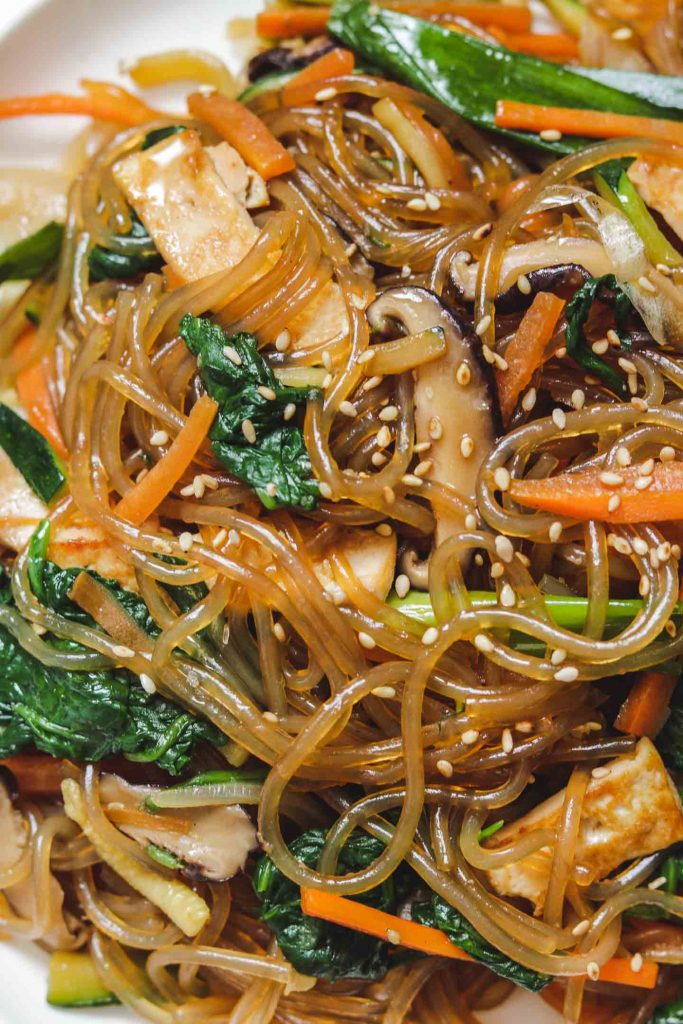
Looking for a satisfying, plantbased take on a Korean classic? This vegetarian Korean noodles recipe gives you the chewy bite of glass noodles, a savorysweet sauce, and a rainbow of veggiesall in under 30minutes. No tricky techniques, just a comforting bowl that feels like a hug from a good friend.
Ready to dive in? Grab a pan, a smile, and lets whip up a dish thats as healthy as it is delicious.
Why This Recipe Rocks
Think of this dish as the perfect weeknight hero. Its fast, glutenfree (thanks to sweetpotato glass noodles), packed with protein from tofu, and loaded with colorful vegetables. Compared to the meatladen version of japchae, youll cut calories, boost fiber, and still get that satisfying umami punch.
| Dish | Calories (per serving) | Protein | Fiber |
|---|---|---|---|
| Traditional Beef Japchae | 420 | 15g | 4g |
| Vegetarian Korean Noodles | 340 | 18g | 7g |
That extra protein comes from tofu, and the extra fiber? All those veggies doing their goodthing. Its a winwin for your taste buds and your health.
Ingredients and Tools
Core ingredients for a vegetarian japchae recipe
- 200g sweetpotato glass noodles (dangmyeon) often called korean glass noodles
- 200g firm tofu, pressed and cubed (or tempeh for a nuttier vibe)
- 1carrot, julienned
- 1 small onion, thinly sliced
- cup shiitake mushrooms, sliced
- 1 cup fresh spinach leaves
- 1 red bell pepper, thin strips
- 2Tbsp soy sauce (lowsodium for a healthier option)
- 1Tbsp sesame oil
- 1Tbsp sugar or maple syrup
- 2cloves garlic, minced
- tsp ground black pepper
- Optional: 1tsp gochujang for a spicy kick
Musthave kitchen tools
- Large wok or skillet
- Finemesh strainer for noodles
- Wooden spatula or tongs
- Measuring spoons
- Bamboo chopsticks (optional, but fun!)
If you ever wonder whether you can swap the glass noodles for something else, check out this guide to calorie and carb info for rice or wheat noodles.
StepbyStep Guide
How to prep the glass noodles perfectly?
1. Place the noodles in a bowl of warm water and let them soak for10minutes.
2. Drain, then bring a pot of water to a gentle boil. Toss the softened noodles in for2minutesjust enough to loosen them.
3. Immediately rinse under cold water to stop cooking and prevent stickiness. Drain thoroughly in a strainer.
Whats the best order to stirfry the veggies?
Harder vegetables need a head start. Heres the sequence that keeps everything crisp:
| Step | Veggie | Cook Time |
|---|---|---|
| 1 | Carrot & onion | 2min |
| 2 | Shiittake mushrooms | 1min |
| 3 | Bell pepper | 1min |
| 4 | Spinach | 30sec |
How to make the japchae sauce recipe from scratch?
Mix the sauce in a small bowl:
2Tbsp soy sauce+1Tbsp sesame oil+1Tbsp sugar+2cloves minced garlic+tsp black pepper.
If you love heat, stir in the optional gochujang now.
Final assembly: mixing noodles, sauce, tofu, and veggies
1. Heat a splash of sesame oil in the wok over mediumhigh heat.
2. Add the tofu cubes; panfry until golden on all sides (about4minutes).
3. Toss in the precooked veggies, stir for a minute, then pour the sauce over everything.
4. Slide in the drained noodles, gently toss to coat.
5. Cook for another2minutes, letting the sauce soak in.
6. Finish with a drizzle of sesame oil and a pinch of sesame seeds if you have them.
Voila! Your vegetarian Korean noodles recipe is ready to serve. It tastes great hot, but it also holds up nicely if you pack it for lunch the next day.
Flavor Tweaks Variations
How to turn it into a spicy Korean noodles recipe vegetarian?
Mix an extra teaspoon of gochujang and a pinch of gochugaru (Korean red pepper flakes) into the sauce. Finish with a splash of ricevinegar for a bright, tangy contrast. For inspiration, the confirms that moderate chili consumption can boost metabolism.
Can I swap tofu for another protein?
Absolutely. Tempeh brings a nuttier texture, seitan offers a meatlike chew, and edamame adds a pop of green and extra fiber. Whatever you choose, keep the cubed size similar so the cooking time stays consistent.
Glutenfree vs. wheatbased versions which is healthier?
Glass noodles are naturally glutenfree and lower in calories than wheatbased noodles. Wheat noodles provide more protein but also more carbs. If youre watching carbs, stick with the sweetpotato version; if you need more sustained energy, a wholegrain wheat noodle can be a tasty swap.
Expert Insights Experience
What nutritionists say about the vegetarian japchae ingredients
Registered dietitians point out that the combination of tofu (complete protein) and leafy greens offers a balanced aminoacid profile. The glass noodles contribute a lowglycemic carbohydrate source, meaning they wont spike your blood sugar as quickly as regular pasta.
Homechef anecdote: My Moms Easy Vegetarian Japchae
When I was a kid, my mom would pull out a pan, toss a handful of veggies, and whisper, Youll love this. She never used meat, but the dish always felt festive. Ive kept that tradition alive by swapping her beef for tofu and adding a splash of sesame oil for that nostalgic aroma.
Professional chef quote on perfect noodle texture
Chef HanSeo Lee of Seouls Seoulful Kitchen says, The key is to rinse the noodles in icecold water right after boiling. It stops the cooking process and keeps the noodles springy. That tip makes a world of difference in achieving that signature chew.
Nutrition Snapshot Benefits
Calorie count per serving + macro breakdown
One generous serving (about 2cups) contains roughly 340kcal, 18g protein, 12g fat (mostly healthy unsaturated from sesame oil), 45g carbs, and 7g fiber. That puts it comfortably in a balanced lunch range.
Health perks of tofu & glass noodles
Tofu is a plantbased source of iron, calcium (if fortified), and all nine essential amino acids. Sweetpotato glass noodles carry a modest amount of potassium and are easier on the digestive system than wheat pasta.
Potential pitfalls to watch sodium & overcooking
Soy sauce can quickly push sodium levels beyond 500mg per serving. Choose lowsodium soy sauce or dilute it with a splash of water. Also, avoid overcooking the veggies; you want them bright and crisp, not mushy, to retain vitamins.
Compare and Choose
Vegetarian Korean noodles vs. Thai glass noodles recipe vegetarian
Both dishes share the same texture, but Thai versions lean on lime juice, fish sauce (or soy sauce for veg), and fresh herbs like basil and cilantro. Korean japchae focuses on a sweetsavory balance with sesame and sugar. If you crave something tangier, try the Thai twist; if you love caramelized flavors, stay Korean.
Quickcook alternative: Gochujang Noodles
For a onepot wonder, stirfry rice noodles with gochujang, garlic, and a splash of sugar. Its a spicier, simpler sibling that still delivers the comforting chew you love.
Join the Community
If youve tried the recipe, Id love to hear how you made it your own. Did you add mushrooms? Go extra spicy? Share a photo with friends or tag us on social media so we can all swap ideas. And if youre hungry for more plantbased Asian comfort, grab our printable PDF of this vegetarian Korean noodles recipeits perfect for quick reference while youre cooking.
Were all on this flavor adventure together, so keep experimenting, keep tasting, and keep sharing the love. Bon apptit!
FAQs
How long should I soak the sweet potato glass noodles?
Soak the dry noodles in warm water for about 10 minutes, then briefly boil for 2 minutes before rinsing in cold water.
Can I swap the glass noodles for rice or wheat noodles?
Yes—rice noodles work for a softer texture, while whole‑grain wheat noodles add extra protein, but the cooking time will vary.
What’s the best way to achieve a crispy texture on tofu?
Press the tofu to remove excess moisture, cut into cubes, and pan‑fry in a little sesame oil until golden on all sides.
How can I make the dish spicier without overwhelming the flavor?
Add an extra teaspoon of gochujang and a pinch of gochugaru to the sauce, then finish with a splash of rice‑vinegar for brightness.
How should leftovers be stored and reheated?
Keep the noodles, tofu, and veggies in an airtight container in the fridge for up to 3 days. Reheat gently in a skillet with a splash of sesame oil or microwave covered.