Introduction
Cooking dutch oven indian vegetarian recipes brings the richness of Indian spices and wholesome ingredients into one pot. These meals deliver deep, slow-cooked flavor with very little fuss. The technique blends familiar staples like lentils and chickpeas with vibrant spices, making every bite both hearty and comforting. Whether youre aiming for healthy indian vegetarian meals or exploring easy indian vegetarian dutch oven recipes, this guide will help you cook delicious, authentic dishes that warm the soul.
Recipe Highlights
Deep Flavor Development
The magic of slow-cooked indian vegetarian recipes lies in the dutch ovens cast iron ability to distribute heat evenly. This steady warmth allows aromatic spices like cumin, turmeric, and garam masala to bloom fully, creating a golden, earthy aroma that fills your kitchen. By cooking gently with the lid on, every vegetable and pulse absorbs complex flavors, resulting in a creamy, rich texture without extra effort.
Nutritious and Satisfying
These dishes are packed with fiber-rich vegetables, lentils, and chickpeas a perfect balance of plant-based protein and nutrients. The slow simmer preserves vitamins and allows spices antioxidants to enhance the meals health benefits. Enjoy a filling vegan dutch oven indian meal that fuels your day while treating your taste buds.
Cautionary Notes
Spices common in Indian food, such as turmeric and asafoetida, offer many benefits but can sometimes interact with medications like blood thinners. If you have health concerns, especially regarding spice sensitivities, its best to consult a healthcare provider before indulging regularly in these recipes.
Ingredients & Preparation
| Prep time | Total time | Servings | Calories | Diet Tags |
|---|---|---|---|---|
| 15 minutes | 60 minutes | 4 | 320 per serving | Vegan, Gluten-Free, Dairy-Free |
Full Ingredient List
- 1 cup dry red lentils (or yellow lentils as substitute)
- 1 cup cooked chickpeas (drained)
- 2 medium tomatoes, chopped
- 1 large onion, finely chopped
- 2 cloves garlic, minced
- 1-inch piece fresh ginger, grated (or 1 tsp powdered ginger)
- 2 cups mixed vegetables (carrots, zucchini, green beans)
- 1 tsp cumin seeds
- 1 tsp turmeric powder
- 2 tsp garam masala
- 1 tsp chili powder (optional, adjust to taste)
- 3 cups vegetable broth or water
- 1 tbsp oil (coconut or vegetable)
- Salt to taste
- Fresh cilantro, chopped for garnish
- 1/2 cup coconut milk (optional for creamy texture; can substitute cashew cream or almond milk)
Equipment Needed
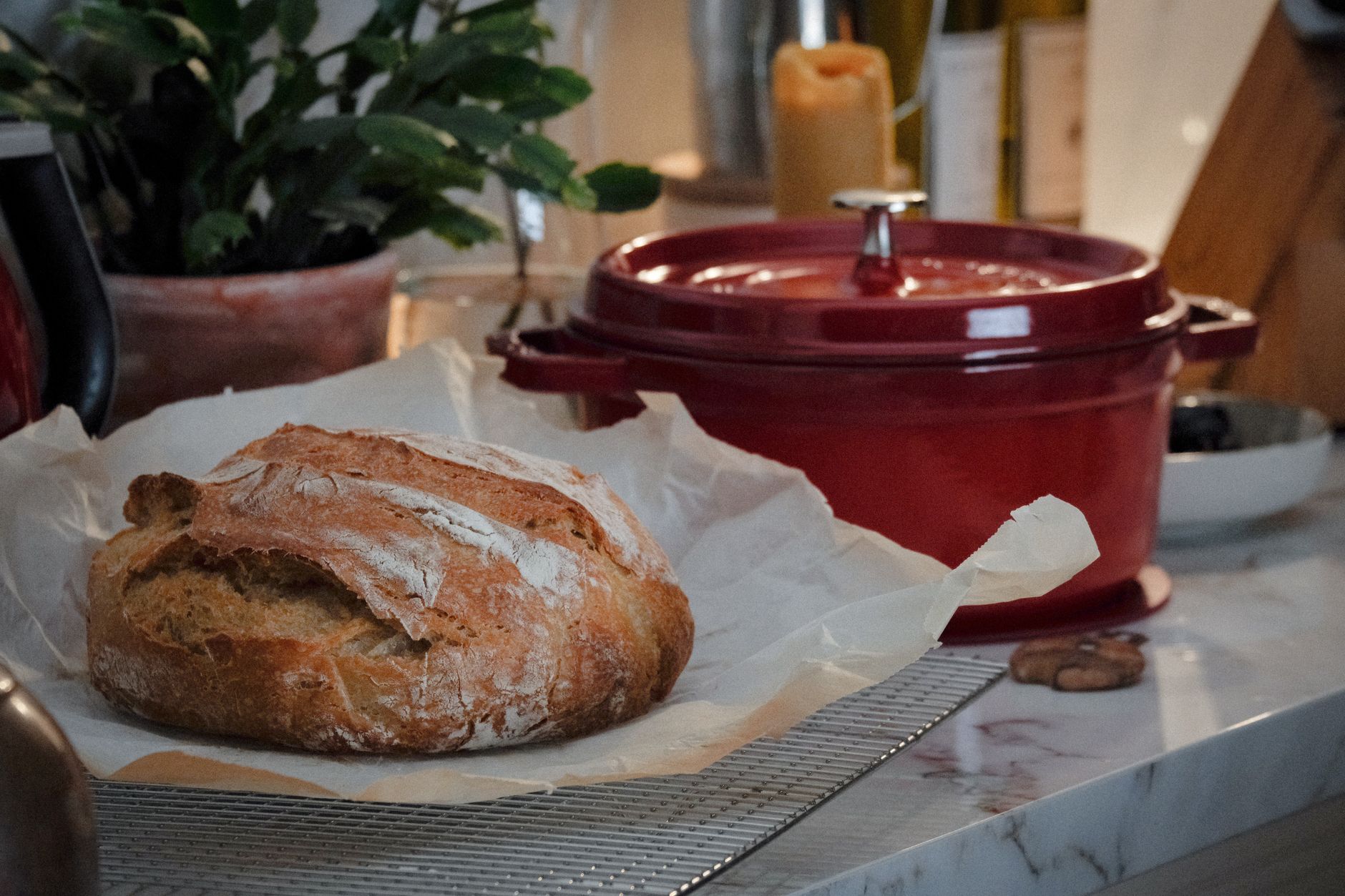
A heavy-duty dutch oven is your best friend for consistent heat and excellent caramelization. Avoid lightweight pots that can cause hot spots or burning. Although a blender isnt necessary, having a wooden spoon and ladle handy will help you stir and serve easily.
Ingredient Quality Tips
Choose fresh, crisp vegetables with vibrant color. Organic lentils and herbs can boost flavor and nutrition. For spices, whole seeds toasted just before cooking often outperform pre-ground varieties in aroma and freshness. Avoid stale turmeric or garam masala to prevent muted or bitter flavor.
Step-by-Step Instructions
Step 1 Prep
Rinse lentils thoroughly under cold water until clear. Chop all vegetables into uniform pieces about 1-inch in size for even cooking. Theres no need to peel tender veggies like zucchini; their skins soften nicely in the dutch oven.
Step 2 Cook
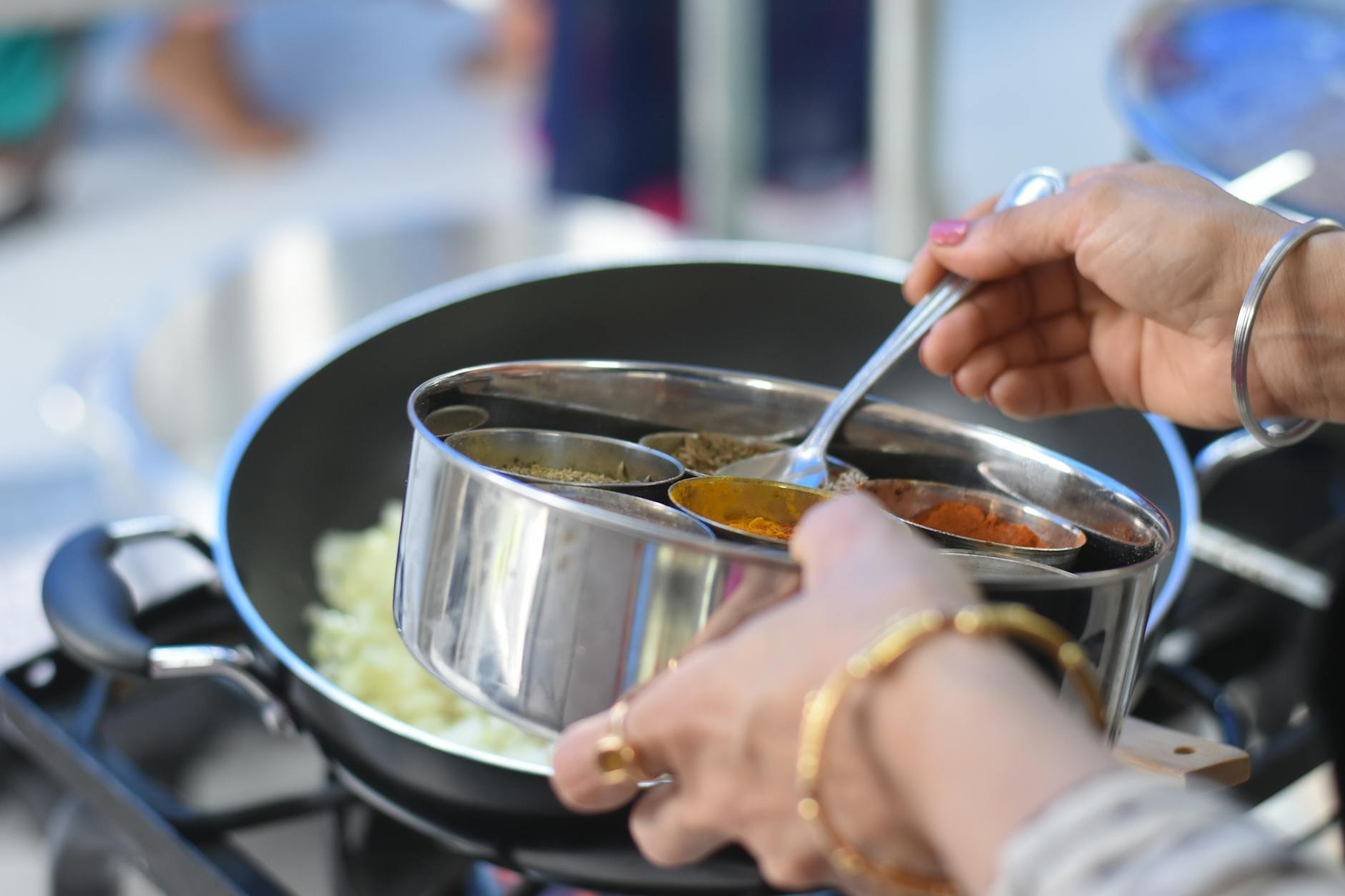
Heat oil in your dutch oven over medium heat (about 350F if you use an oven-safe thermometer). Add cumin seeds and toast until fragrant, roughly 30 seconds. Stir in onions, garlic, and ginger; saut for 5 minutes or until golden. Add turmeric, chili powder, and garam masala; cook spices for 2 minutes to release aromas.
Add chopped tomatoes and cook 5 more minutes until soft and saucy. Stir in lentils, chickpeas, and mixed vegetables. Pour in vegetable broth, season with salt, and bring to a simmer. Reduce heat to low (around 325F if in oven) and cover with lid. Let simmer gently for 40 minutes.
Step 3 Finish
Remove lid, stir in coconut milk or alternate cream for a luscious finish. Add fresh cilantro and a squeeze of lemon juice to brighten flavor. Taste and adjust salt or chili powder as needed. Cook uncovered for 5 more minutes on low heat to meld everything beautifully.
Step 4 Serve or Store
Serve your one-pot indian vegetarian dish piping hot with steamed basmati rice or warm naan bread. Let leftovers cool completely before transferring to airtight containers. Refrigerate for 4 to 5 days or freeze in meal-size portions for up to 3 months.
Variations & Substitutions
Dietary Tweaks
Use coconut milk for a silky texture or skip oil for a low-fat version that still tastes amazing. For mild one-pot indian vegetarian dishes, reduce chili powder or use curry powder in place of garam masala.
Ingredient Swaps
Red lentils can be swapped with yellow ones for a slightly earthier flavor. Fresh ginger adds bright spice, but if powdered ginger is all you have, use a little less to avoid harshness. Chickpeas can be replaced with black-eyed peas or white beans to vary texture.
Spice Adjustments
To dial heat up, add chili powder gradually. For subtler versions, omit it and boost cumin and coriander levels. Tailoring the spice blend lets you suit the meal to your familys preferences easily.
Storage & Shelf Life
Refrigerator Storage
Store leftovers in airtight glass containers; they remain safe and fresh for 4 to 5 days. Reheat on low simmer to preserve texture and flavor.
Freezer Option
Freeze portions in freezer-safe containers or heavy-duty bags for up to 3 months. Thaw overnight in the fridge before warming gently. Avoid microwave reheating to maintain creaminess.
Make-Ahead Tips
Prepare double or triple batches and label containers with cooking date and ingredients. This saves time and ensures you enjoy fresh flavors during busy days.

Pro Tips & Troubleshooting
Prevent Staining
Turmeric can stain skin and countertops easily. Wearing gloves while handling it is wise. Wiping any spills immediately with lemon juice reduces stubborn yellow marks.
Maximize Flavor Extraction
Toast dry spices in the dutch oven for 30 seconds before adding oil and other ingredients. This releases essential oils and intensifies aroma, transforming your one-pot indian vegetarian dishes.
Balance Flavors Carefully
If the curry tastes bitter, check spice freshness and avoid overcooking turmeric or garlic. Adding a bit of lemon juice or a pinch of sugar can help round out harsh notes. To deepen richness, add a dash of freshly ground black pepper; it boosts curcumin absorption by up to 2,000% according to a 2023 study in the Journal of Nutritional Biochemistry.
Common Dutch Oven Cooking Mistakes
Avoid cooking at too high heat to prevent scorching. Stir occasionally to avoid sticking. Always ensure the lid fits snugly to trap steam and intensify flavors during slow cooking.

When is the best time to eat dutch oven indian vegetarian recipes?
These meals are best enjoyed hot, especially at dinner when you want comfort and fullness. They work well for meal prep lunches too, as flavors deepen overnight. No strict timing needed just warm and fresh serve their purpose beautifully.
Can I make a big batch ahead of time?
Absolutely. This type of slow-cooked indian vegetarian recipe freezes well and often tastes even better after a day. Portion into airtight containers and freeze for up to 3 months. Thaw in the refrigerator overnight before reheating gently.
Fresh vegetables or dried/powdered spices which is better?
Fresh vegetables provide maximum nutrients and texture. Whole or freshly ground spices toasted in the dutch oven deliver richer aromas and colors than powders. Combining both forms thoughtfully elevates the dish.
Is this safe for pregnant women, kids, or people on medication?
Generally safe when eaten in moderation. However, pregnant women and those on specific medicationsespecially blood thinnersshould consult their healthcare provider before consuming dishes high in turmeric or asafoetida.
How often can I eat this?
Enjoying these healthy indian vegetarian meals several times a week fits well in a balanced diet. Their plant-powered ingredients nourish without heaviness, promoting lasting energy.
Why does mine taste bitter or bland?
Bitter flavors often come from raw turmeric or burnt garlic and spices. Blandness usually indicates under-toasted spices or too low salt. Adjust seasoning at the end and remember to toast spices well at the start of cooking.
What pairs well with this dish?
Serve with basmati rice, warm naan bread, or steamed millet. A side of cooling cucumber raita or plain yogurt balances the earthy heat with creamy freshness.
More Recipes You Will Love
Try the hearty healthy dutch oven recipes vegetarian collection for more comforting one-pot meals. If you want to change the cuisine, the Gochujang pasta recipe vegetarian offers a spicy Korean twist you might enjoy. Or satisfy a cheesy craving with the Broccoli cheese stromboli 8053159, a crowd-pleaser thats as fun to make as it is to eat.
Conclusion
Dutch oven indian vegetarian recipes bring warmth and vibrant flavors to your kitchen with minimal effort. Their slow-cooked magic and wholesome ingredients create meals youll want to savor again and again. Try this recipe, share your experiences below, and explore related dishes like Indian Chickpea Curry for even more delicious vegetarian options.
FAQs
When is the best time to eat dutch oven indian vegetarian recipes?
These meals are best enjoyed hot, especially at dinner for a comforting, filling experience. They also work well for meal prep lunches, as flavors deepen overnight. There’s no strict timing—just serve warm and fresh to enjoy their full richness.
Can I make a big batch ahead of time?
Yes, you can prepare large batches and store portions in airtight containers. These recipes freeze well for up to 3 months and often taste better after resting. Simply thaw overnight in the fridge and reheat gently to maintain texture and flavor.
Are fresh vegetables or dried/powdered spices better for these recipes?
Fresh vegetables offer the best nutrients and texture, while toasting whole or freshly ground spices in the dutch oven delivers richer aromas and deeper flavor. Using a combination of fresh veggies and toasted spices elevates the dish beautifully.
Is it safe for pregnant women, kids, or people on medication?
These dishes are generally safe when eaten in moderation. However, pregnant women and individuals on medications like blood thinners should consult their healthcare provider before regularly consuming turmeric or asafoetida-heavy recipes.
Why does my dish taste bitter or bland?
Bitter flavor often results from burnt garlic or overcooked turmeric, while blandness can come from under-toasted spices or insufficient salt. Toast spices well at the start, avoid overheating, and adjust seasonings at the end for balanced flavor.