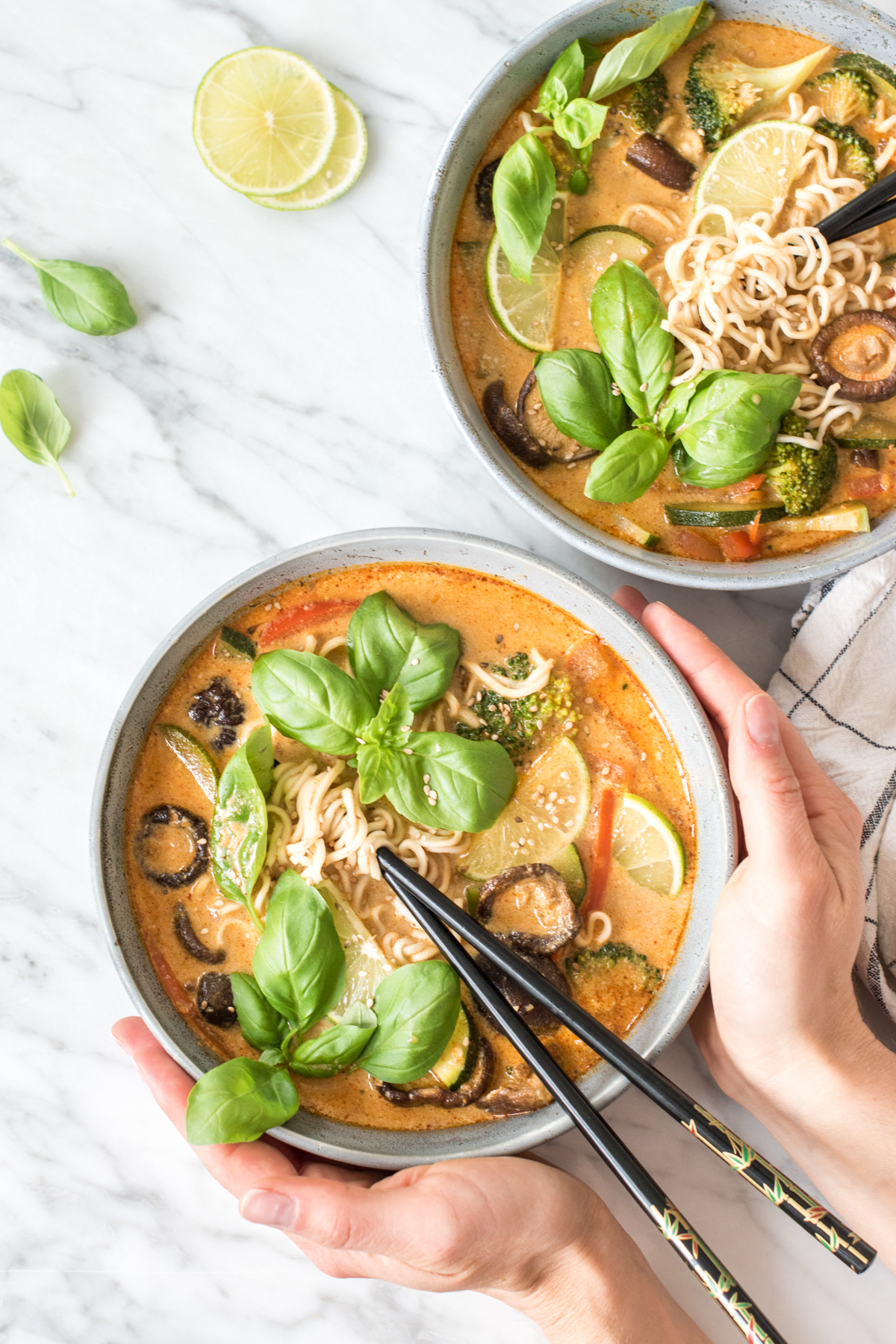
If youre craving a bowl that feels like a warm hug on a rainy night, youve just stumbled on the perfect answer. This Thai Peanut Noodle Soup delivers silky coconut broth, velvety peanut butter, a whisper of heat, and the satisfying bite of noodlesall in under twenty minutes. Whether youre a busy professional, a college student, or just someone who loves a good, comforting meal, this recipe checks every box.
In the next few minutes youll discover exactly what goes into the soup, how to tweak it for extra spice or a plantbased version, and the health perks (and pitfalls) you should keep in mind. Grab a spoon, settle in, and lets whip up something delicious together.
Why Youll Love It
Thai Peanut Noodle Soup isnt just another noodle dish. It blends the rich, nutty flavor of peanut butter with the bright tang of lime, the aromatic lift of lemongrass, and the gentle heat of ginger and chilies. The result? A broth that feels luxurious but still fresh, like a spa day for your taste buds.
Compared with takeout, this bowl costs a fraction of the price and you control every ingredient. Plus, the cooking time rivals the speed of a fastfood orderperfect for weeknight dinners when youre short on time but dont want to sacrifice flavor.
Core Ingredients
Heres what youll need for four servings. Feel free to swap any item based on what you have in the pantry.
| Ingredient | Quantity | Notes |
|---|---|---|
| Rice noodles (wide or thin) | 200g | Fresh or dried; soak if dried |
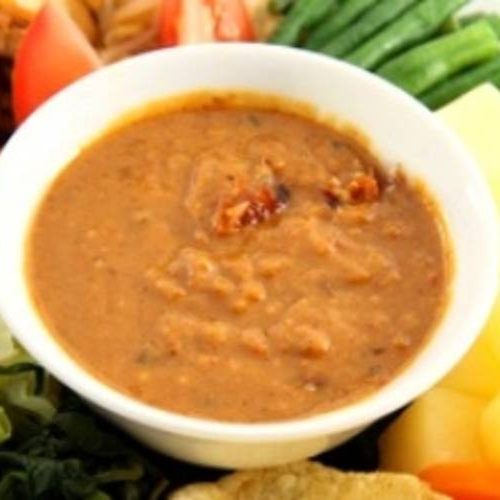
| Natural peanut butter | 3Tbsp | Smooth works best |
| Coconut milk (fullfat) | 400ml | Gives the creamy base |
| Chicken broth (lowsodium) | 2cups | Can substitute vegetable broth |
| Lemongrass stalk | 1large, bruised | Removes before serving |
| Fresh ginger | 1inch, sliced | Peel first |
| Garlic cloves | 2, minced | |
| Redcurry paste | 1tsp | Adjust for heat |
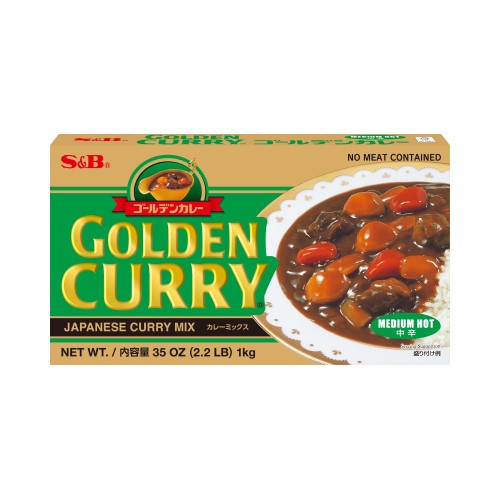
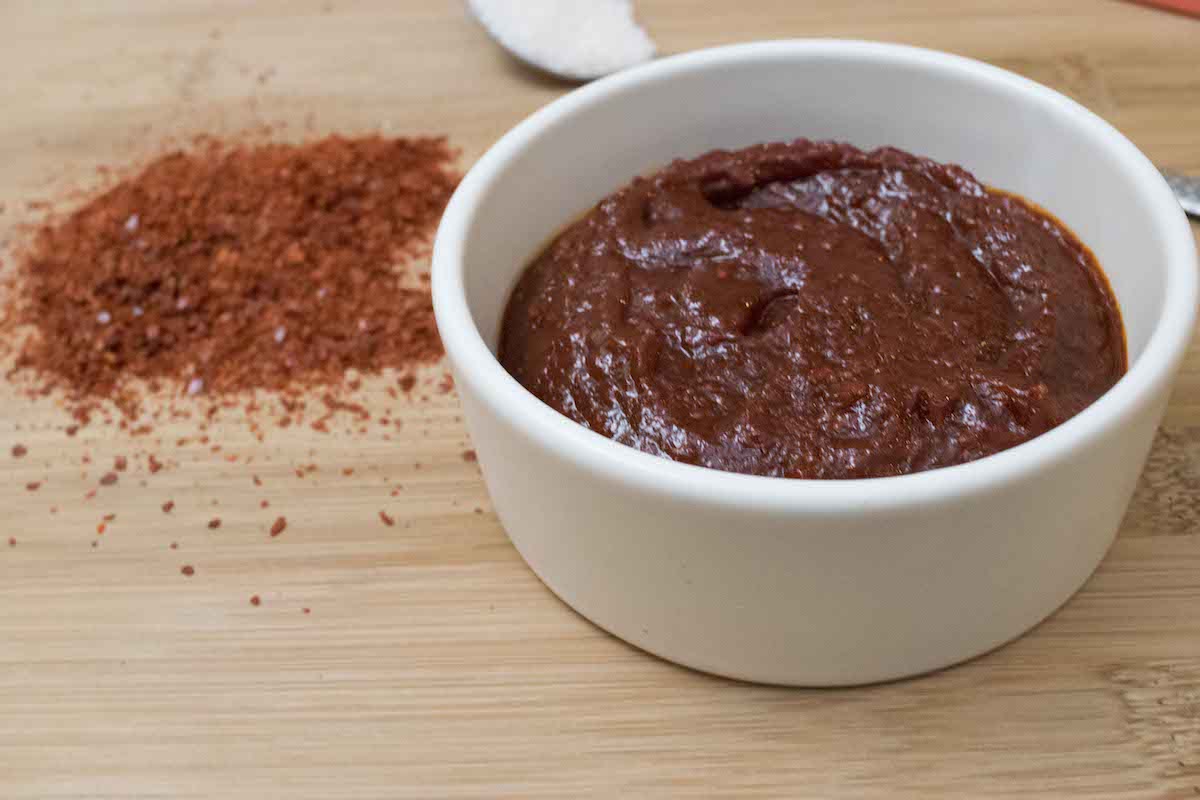
| Gochujang (optional) | tsp | For a Korean twist |
| Lime juice | 2Tbsp | Freshly squeezed |
| Cooked chicken breast | 200g | Or tofu for vegans |
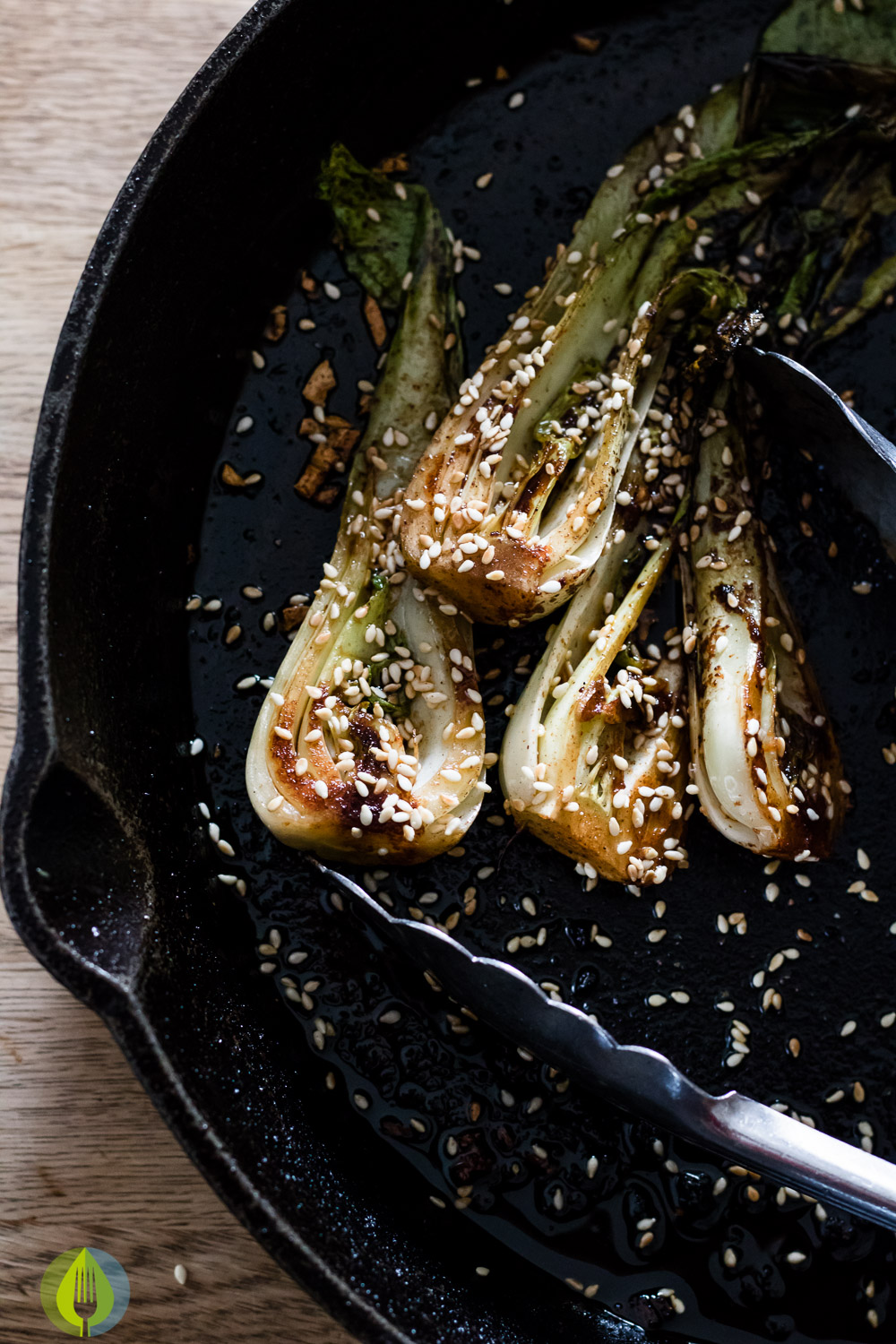
| Bean sprouts, bok choy, carrots | 1cup total | Fresh, thinly sliced |
| Fresh cilantro & Thai basil | cup each | For garnish |
| Crushed peanuts | 2Tbsp | To finish |
Essential Tools
You dont need a fancy kitchen arsenal. A large pot, a whisk, a ladle, and a pair of kitchen shears (for cutting noodles) are enough. If you have a silicone spatula, youll thank it when whisking the peanut butter into the hot broth.
StepbyStep Cooking
1. Build the broth
Start by bringing the chicken broth, coconut milk, lemongrass, ginger, and garlic to a gentle simmer. Let the aromatics mingle for about5minutesthis is where the flavor foundation forms.
2. Emulsify the peanuts
Turn the heat down to low and whisk in the peanut butter, redcurry paste, and gochujang (if you like a Koreanstyle kick). Keep whisking until the mixture is smooth; this prevents the dreaded curdling.
3. Cook the noodles
If youre using dried rice noodles, soak them in hot water for45minutes, then drain. For fresh noodles, just add them straight into the pot. Let them swim for23minutes until tender.
4. Add protein & veggies
Stir in the cooked chicken (or tofu), and the quickcook veggies like bok choy and carrots. They only need a minute or twono one likes soggy greens.
5. Finish with brightness
Pull the pot off the heat and splash in the lime juice. Taste and adjust salt, spice, or acidity as you see fit.
6. Plate and garnish
Ladle the soup into bowls, sprinkle with fresh cilantro, Thai basil, and a generous handful of crushed peanuts. The herbs add a pop of colour, while the peanuts give a delightful crunch.
Flavor Variations
Spicy Thai Peanut Noodle Soup
Crank up the heat by adding sliced birds eye chilies or a spoonful more gochujang. If you love an extra sting, a dash of sriracha does the trick.
Peanut Satay Noodle Soup
Swap the redcurry paste for satay sauce and toss in a tablespoon of toasted coconut. The result feels like a classic Thai satay on a spoonsweet, nutty, and wonderfully aromatic.
Vegan / GlutenFree Makeover
Use rice noodles (which are already glutenfree), replace chicken with cubed tempeh, and swap soy sauce for tamari. The creamy base stays the same, so you wont miss the meat.
Momofuku Shortcut
For an ultraquick version, blend coconut milk, peanut butter, and broth together before heating, then toss in precooked noodles and leftover rotisserie chicken. This method mirrors the 15Minute Momofuku Soup thats popular on food blogs.
| Variation | Key Swap | Flavor Focus |
|---|---|---|
| Spicy | Extra gochujang, fresh chilies | Heat |
| Satay | Satay sauce, toasted coconut | Sweetnutty |
| Vegan | Tempeh, tamari | Plantbased |
| Momofuku | Preblended broth, rotisserie chicken | Speed |
Health Benefits & Risks
Thai Peanut Noodle Soup isnt just tasty; it packs a respectable nutritional profile. The combination of peanut butter and coconut milk provides healthy monounsaturated fats, while the broth and veggies deliver protein, fiber, and a range of vitamins.
According to the USDA FoodData Central, a typical serving supplies roughly 350kcal, 15g of protein, and 12g of fiber. The fats from peanuts and coconut are predominantly hearthealthy, but they do add up in calories, so portion control matters if youre watching your intake.
Benefits
- Healthy fats: Peanut butter offers vitaminE and magnesium, supporting heart health.
- Protein boost: Chicken or tofu adds a solid dose of lean protein.
- Vitamin C & K: Lime juice and bok choy contribute antioxidants that aid immune function.
- Lowglycemic carbs: Rice noodles have a modest impact on blood sugar, especially when paired with protein and fiber.
Risks & Mitigations
- Allergies: Peanut allergy is common. Swap peanut butter for sunflower seed butter or almond butter if needed.
- Sodium: Storebought broth can be salty. Choose lowsodium options or make your own.
- Calorie density: The coconut milk is rich; using light coconut milk can trim a few hundred calories without losing too much creaminess.
Pro Tips, Common Pitfalls & FAQs
Pro tip: Toast peanuts first
A quick 2minute toast in a dry pan unlocks deeper, richer nutty notes that linger long after the last sip.
Mistake #1 Curdy broth
If the soup boils hard after adding peanut butter, the fats separate. Keep the heat low and whisk continuously to keep the emulsion smooth.
Can I freeze it?
Absolutely! Cool the soup completely, portion it into airtight containers, and freeze for up to3months. Reheat gently on the stove, adding a splash of broth if the texture seems thick.
Difference between Thai Peanut Soup and Satay Soup?
Thai Peanut Soup leans on coconut milk, lime, and curry paste, while Satay Soup incorporates the sweeter, spicier satay sauce and often includes a touch of peanut oil. Both are delicious; its a matter of preference.
Lowcarb version?
Swap rice noodles for shirataki noodles or spiralized zucchini. The broth stays the same, so you still get all the flavor with far fewer carbs.
RealWorld Experiences
My first encounter with this soup was on a chilly evening in Bangkok, where a street vendor served me a steaming bowl from a battered metal pot. The broth was so creamy it felt like a hug from an old friendwarm, familiar, and instantly comforting. Since then, Ive made it countless times at home, tweaking it to suit my familys varying spice tolerances.
One of my readers, Maya, told me she used the recipe for a family potluck. She swapped chicken for tofu, added extra carrots for crunch, and paired the soup with a simple cucumber salad. Everyone raved about the balance of flavors, and she earned the coveted title of Soup Queen for the night.
Another busy parent, Carlos, shared that he prepmakes the broth on Sundays, stores it in the fridge, and just adds fresh noodles and veggies on weekdays. He says its saved him more than an hour of cooking each weeka small win that adds up.
These stories keep me motivated to keep refining the recipe and sharing it with you.
Sources & Further Reading
For deeper dives into the flavor foundations, you might explore:
- Delishs detailed guide on crafting the perfect Thai Peanut Noodle Soup (primary recipe inspiration).
- The American Heart Associations recommendations on healthy fats, which help contextualize the benefits of peanuts and coconut.
- Momofukus quickcook version for those ultrabusy nights.
- USDA FoodData Central for precise nutrition data (as referenced above).
Conclusion
Thai Peanut Noodle Soup gives you a restaurantlevel, creamyspicy bowl in under twenty minutes, with endless swaps for heat, protein, or dietary preferences. By following the stepbystep guide, leveraging pro tips, and balancing the health benefits against potential allergens, youll feel confident serving this comforting dish any night of the week.
Give the recipe a try, snap a photo of your creation, and share it with the hashtag #ThaiPeanutNoodleSoup on Instagram. Your version might just inspire the next friend whos looking for a warm, flavorful dinnerplus, youll join a community of soup lovers who appreciate good food and good company.
FAQs
Can I make this soup vegan?
Absolutely. Replace the chicken with cubed tofu or tempeh, use vegetable broth instead of chicken broth, and keep the natural peanut butter for creaminess. The dish stays just as flavorful.
How can I increase the spiciness?
Add extra gochujang, a spoonful of sriracha, or sliced bird’s‑eye chilies. You can also boost the red‑curry paste or toss in a pinch of crushed red pepper flakes for extra heat.
Is it possible to freeze Thai Peanut Noodle Soup?
Yes. Cool the soup completely, portion it into airtight containers, and freeze for up to three months. Reheat gently on the stove, adding a splash of broth if the texture thickens.
What can I use instead of rice noodles for a low‑carb version?
Swap rice noodles for shirataki noodles or spiralized zucchini. The broth and flavor profile remain the same, giving you a low‑carb, still‑satisfying bowl.
Why does the broth sometimes curdle and how do I prevent it?
High heat can cause the fats in peanut butter and coconut milk to separate. Keep the soup at a gentle simmer after adding the peanut butter and whisk continuously to maintain a smooth emulsion.