Got 20minutes? Mix smooth peanut butter, fiery gochujang, a splash of soy sauce, and a dash of ricevinegar, toss it with hot udon noodles, and youve got a creamyspicy bowl thats ready before the kettle whistles. Whether youre scrambling after work, pulling an allnight study session, or just craving a comforting bowl that packs protein, heat, and a little bit of Korean streetfood magic, this peanut gochujang udon recipe is your new goto. For a detailed gochujang sauce recipe, check out our step‑by‑step guide.
Why does this dish feel like a culinary hack and a hug at the same time? Its the balance between the nutty richness of peanut butter and the bright, fermented kick of gochujang that makes every slurp feel both familiar and exciting. Lets dive in, share a few stories, and get you cooking without any fuss.
What Is Peanut Gochujang?
Quick definition
Peanut Gochujang Udon is a Koreaninspired noodle bowl where thick udon noodles are coated in a silky sauce made from peanut butter and gochujang (Korean red pepper paste). The sauce is bright, sweet, salty, and just the right amount of heat, creating a comforting yet lively flavor profile.
Why its trending
In the past year the dish has exploded on TikTok and Instagram, with creators like @freshofftheraq racking up millions of views for a 20minute version. The reason? Its a weeknight hero that feels restaurantquality but uses pantry staples you probably already have.
Social proof
One viral reel showed a college student making the sauce in a coffee mug while studying for finals the caption read, Best 15minute dinner ever, no chef degree required. That same clip was shared by major food blogs and even featured in a short USDA nutrition guide as a quick proteinrich meal.
Core Ingredients & Tools
Ingredient checklist
Heres everything youll need (plus approximate amounts for two servings):
- 200g fresh or frozen udon noodles
- 2Tbsp smooth peanut butter
- 1Tbsp gochujang paste
- 1Tbsp lowsodium soy sauce (or tamari for glutenfree)
- tsp ricevinegar
- 1clove garlic, minced
- tsp freshly grated ginger
- 1Tbsp sesame oil
- 23Tbsp hot noodle cooking water (to thin sauce)
- Optional toppings: sliced green onions, toasted sesame seeds, softboiled egg, panseared tofu, or a handful of spinach
Ingredient swaps & dietary tweaks
If youre avoiding peanuts, try almond butter; for a vegan spin, replace the egg with crispy tofu; and if you need glutenfree noodles, swap udon for rice noodles and follow the gochujang peanut sauce tofu variation later.
Comparison table
| Version | Noodles | Protein Source | Calories (approx.) |
|---|---|---|---|
| Classic | Udon (wheat) | Peanut butter + egg | 520 |
| Plantbased | Udon (wheat) | Peanut butter + tofu | 500 |
| Glutenfree | Rice noodles | Peanut butter + egg | 540 |
Essential kitchen gear
Youll only need a large pot for the noodles, a small bowl for the sauce, a whisk or fork to blend, and a spatula or tongs to toss everything together. If you have a wok, greatits high sides keep the sauce from splashing.
StepbyStep Recipe
Prep timeline (5min prep, 15min cook)
1. Gather all ingredients and tools.
2. Mince garlic and ginger.
3. Measure sauce components.
Sauce assembly
In a small bowl, whisk together 2Tbsp peanut butter, 1Tbsp gochujang, 1Tbsp soy sauce, tsp ricevinegar, minced garlic, and ginger. The mixture will look thick and a little clumpy—that's perfect.
Cooking udon
Bring a pot of water to a rolling boil. Add the udon and cook according to the packageusually 23minutes for fresh, 45minutes for frozen. When aldente, reserve cup of the hot cooking water, then drain the noodles.
Combining & finishing
Return the drained noodles to the pot (off the heat). Pour the sauce over the noodles and drizzle in 23Tbsp of the hot noodle water. Toss vigorously with tongs until each strand is glossy. Finish with a drizzle of sesame oil, then sprinkle green onions and sesame seeds. If you like extra richness, add a softboiled egg cut in half on top.
Visual guide
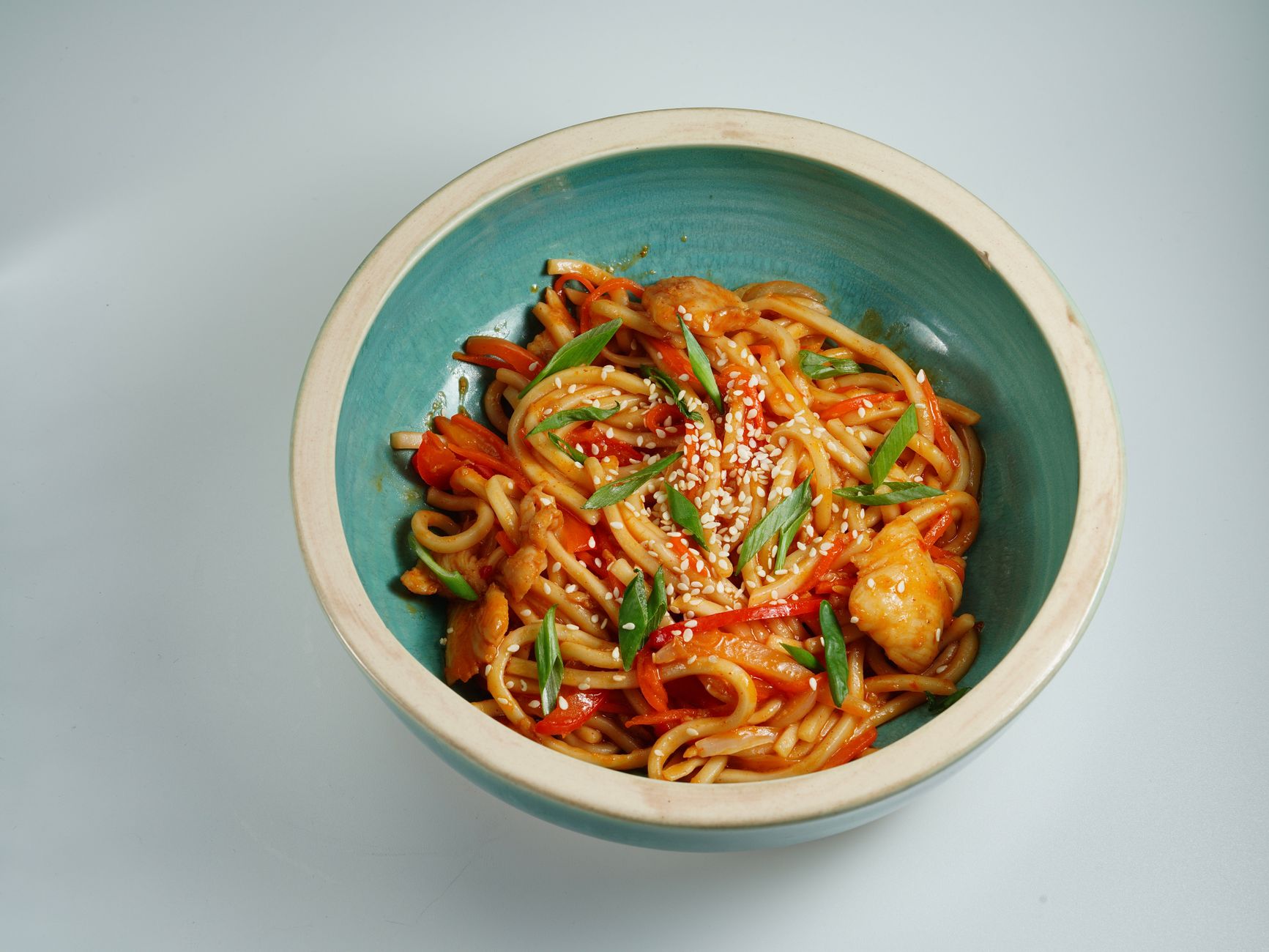
Imagine the sauce turning the noodles a deep amber, the steam rising like a scented cloudbasically Instagramready in under a minute.
Flavor Variations & Pairings
PeanutGochujangRamen
Swap udon for quickcook ramen noodles, add sliced pork or panfried tofu, and you have a comforting peanut gochujang ramen thats perfect for colder nights.
Spicy PeanutUdonNoodles
Increase the gochujang to 1Tbsp or stir in a splash of chili oil for those who love serious heat. The sauce becomes noticeably brighter, and the dish earns the spicy peanut udon noodles badge.
CreamyGochujangUdon Carbonara
Blend in cup heavy cream and a handful of grated parmesan right before tossing. The result is a velvety gochujang udon carbonara that marries Italian comfort with Korean spice.
GochujangPeanutButterChicken
If you crave protein on the side, marinate bitesize chicken pieces in the same sauce, pansear until caramelized, and serve them atop the noodles. Or try the sesame ginger chicken cheesecake factory for an Asian‑inspired twist.
Quick substitution chart
| Base | Protein | Heat Level | Best Pairing |
|---|---|---|---|
| Udon | Egg or tofu | MildMedium | Steamed broccoli |
| Ramen | Pork slices | MediumHigh | Kimchi |
| Rice noodles | Chicken | Medium | Cucumber slaw |
Nutrition Benefits & Risks
Protein & healthy fats
One bowl typically delivers about 20g of protein from peanut butter and, if you include an egg or tofu, an extra 68g. The monounsaturated fats from peanuts help keep you satiated longer.
Capsaicin & gut health
Gochujang contains capsaicin, the compound linked to a modest metabolic boost and improved digestion. A study from the National Institutes of Health notes that regular, moderate capsaicin intake may support a healthy gut microbiome. Want more ideas? Explore gochujang sauce uses such as marinades, dips, and stir‑fry boosters.
Allergy & sodium warnings
Peanut allergies are seriousalways doublecheck with anyone youre cooking for. Also, soy sauce and gochujang can be salty; if youre watching sodium, opt for lowsodium soy sauce and trim the gochujang to Tbsp.
Nutrition facts (per serving)
| Calories | Protein | Fat | Carbs | Sodium |
|---|---|---|---|---|
| 520 | 20g | 22g | 58g | 720mg |
Common Mistakes & Fixes
Sauce too thick
Add a splash (12Tbsp) of the reserved noodle water or lowsodium broth. Whisk quickly; the sauce will loosen and cling perfectly.
Udon mushy
Follow the package timing exactly and shock the cooked noodles in a bowl of cold water for 30seconds before draining. This stops the cooking process and keeps the texture aldente.
Too spicy
Stir in an extra teaspoon of peanut butter or a drizzle of honey. The added sweetness tames the heat without diluting flavor.
Peanut flavor fades
Use naturaloilfree peanut butter; it has a more robust taste that survives the heat of the wok.
Storage, Reheating & Meal Prep
Refrigeration
Separate the sauce from the noodles if you plan to store for longer than a day. Keep the sauce in an airtight jar; the noodles stay fresh in a sealed container for up to three days.
Freezing
Combine cooked udon with the sauce, portion into freezersafe bags, and freeze for up to two months. To reheat, thaw overnight in the fridge, then warm in a skillet with a splash of water.
Reheat method
Slide the frozen or refrigerated bowl into a hot pan, add a tablespoon of water, and toss over medium heat until steam rises and the sauce regains its glossy sheen.
Reader Questions & Answers
Can I use rice noodles instead of udon?
Absolutely. Rice noodles give a lighter mouthfeel, but youll want to add a bit more sauce water because they absorb less liquid.
Is gochujang vegan?
Most commercial gochujang brands are vegan, but some contain tiny amounts of fermented fish sauce. Always check the label; look for no fish sauce if youre strict vegan.
How many calories are in a bowl?
Depending on toppings, a typical serving ranges from 450to560kcal. Adding a fried egg pushes it toward the higher end.
What side dish pairs best?
A quick cucumberkimchi slaw (just slice cucumber, toss with a spoonful of kimchi juice, sesame oil, and a pinch of sugar) adds crunch and acidity to cut through the richness.
Minirecipe: Cucumber Kimchi Slaw
Combine 1 cup thinly sliced cucumber, 2Tbsp kimchi juice, 1tsp sesame oil, and a pinch of sugar. Toss and let sit 5minutes before serving.
Conclusion
There you have ita peanut gochujang udon thats fast, flexible, and full of flavor. You can stick to the classic version, swap in tofu for a vegan spin, or crank up the heat for an extra kick. The dish delivers protein, healthy fats, and a modest dose of capsaicin, all while staying budgetfriendly and easy to prep.
Give it a try tonight, experiment with the variations, and let us know which version became your new favorite. If youve got questions or want to share your own twist, feel free to keep the conversation cooking!
FAQs
What ingredients do I need for Peanut Gochujang Udon?
You’ll need udon noodles, smooth peanut butter, gochujang, soy sauce, rice vinegar, garlic, ginger, sesame oil, and optional toppings like green onions, sesame seeds, a soft‑boiled egg, or tofu.
Can I substitute the udon noodles with something else?
Yes! Rice noodles work well for a lighter, gluten‑free option, though you may need a bit more sauce water because they absorb less liquid.
How do I control the spiciness of the dish?
Adjust the gochujang amount – use less for mild heat or add a splash of chili oil for extra kick. If it’s too spicy, stir in a little honey or extra peanut butter.
Is this recipe suitable for vegans?
Absolutely. Use almond butter instead of peanut butter (or a natural peanut butter without dairy), omit the egg, and add crispy tofu or extra veggies as protein.
What’s the best way to store leftovers?
Separate the sauce from the noodles and keep each in airtight containers in the refrigerator for up to three days. Reheat in a skillet with a splash of water until glossy.